Pay and pass? Will Iran’s plan to ‘absolutely’ keep charging ships turn the Strait of Hormuz into a cash cow?

Iran has told United Nations Security Council and the International Maritime Organization that "non-hostile vessels" may transit the Strait of Hormuz.
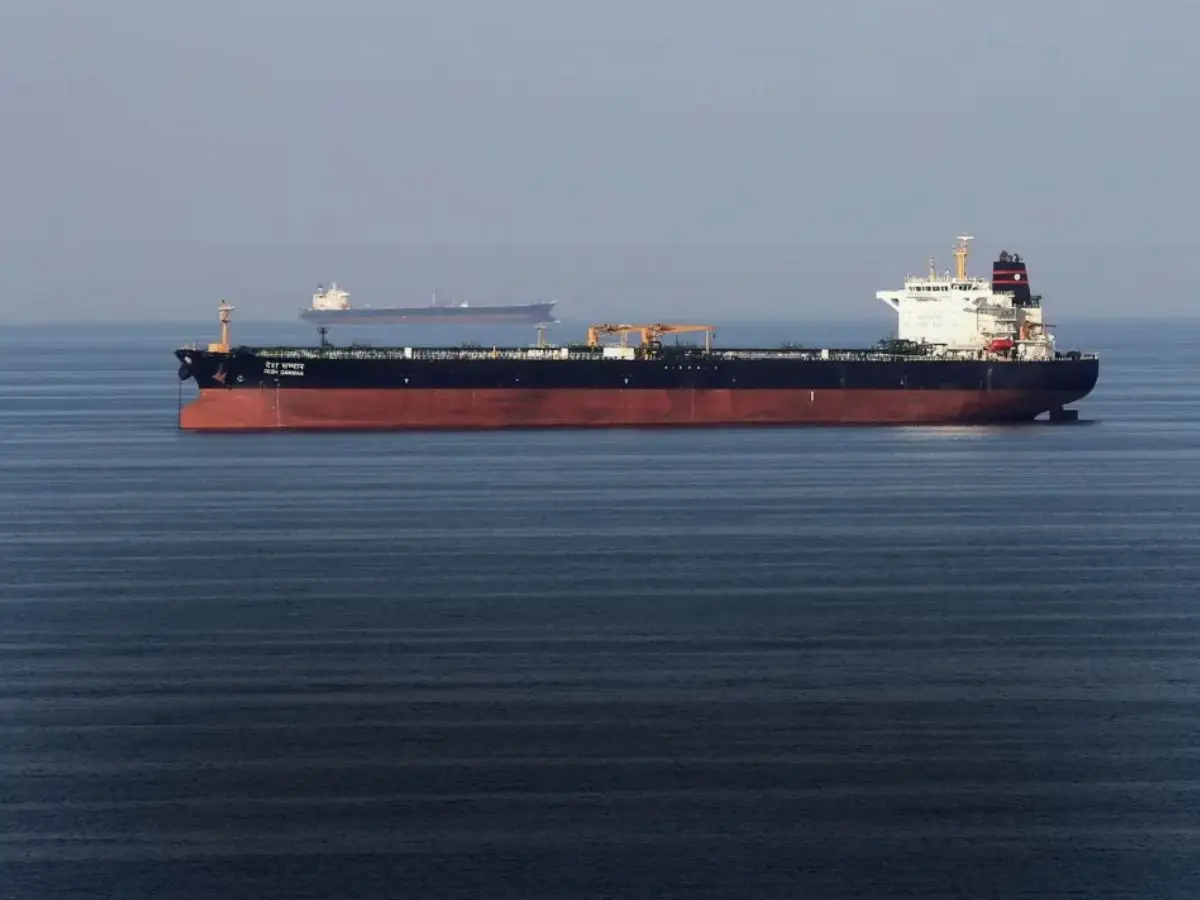
A toll emerges on a critical oil chokepoint
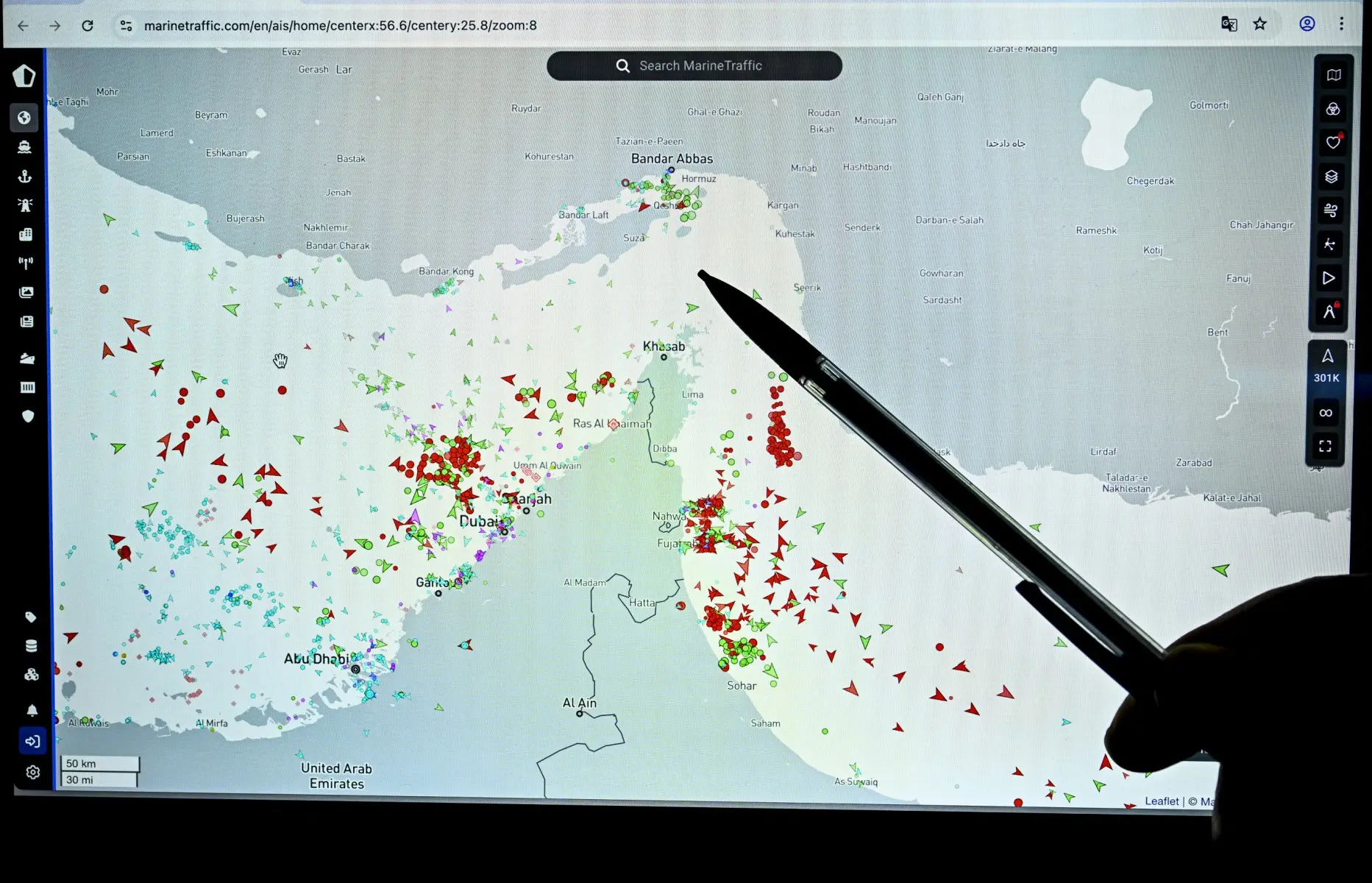
Iran has said it will 'absolutely' continue charging vessels for safe passage through the Strait of Hormuz, reinforcing what appears to be an emerging toll-like system in the world’s most critical energy corridor. The move follows Tehran’s effective restriction of shipping through the strait, which typically carries about a fifth of global oil supplies. Iran has already started levying 'transit fees' of up to $2 million per voyage on select commercial vessels navigating the waterway.
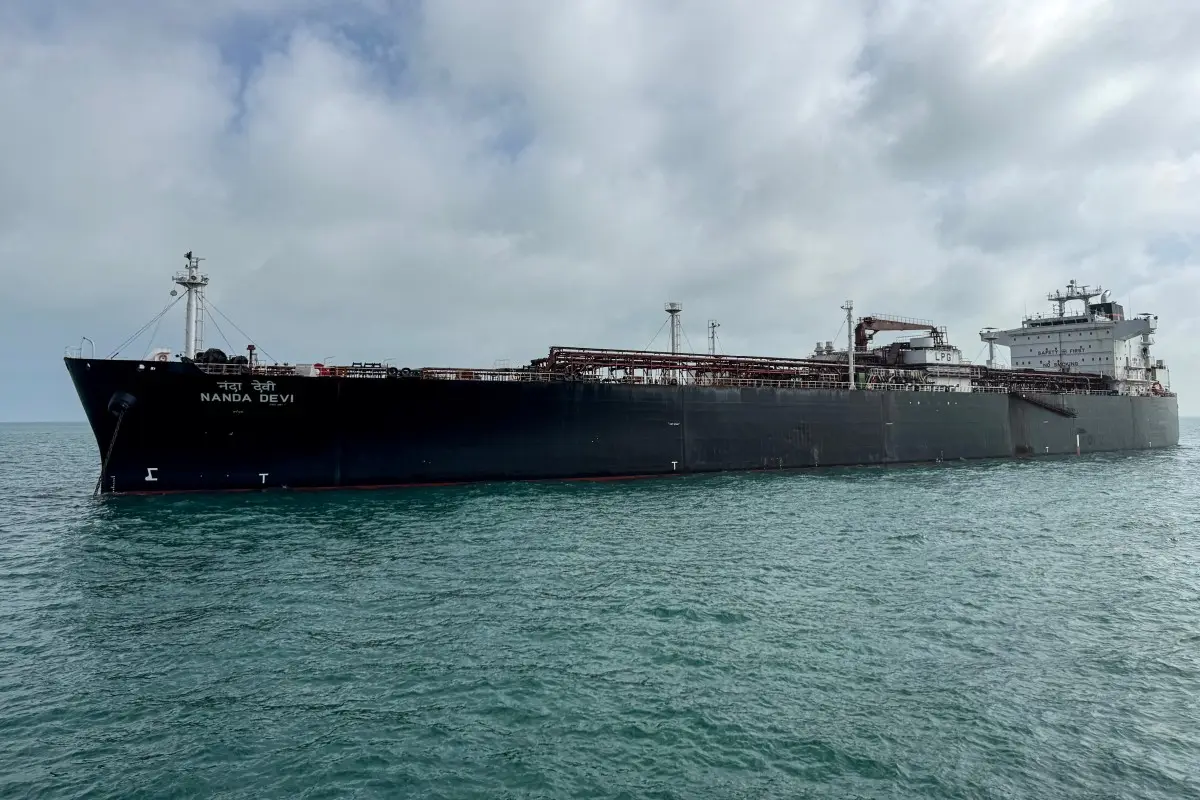
What did the Iranian authorities say
Iran will ‘absolutely’ continue charging countries and vessels a fee for safe passage through the Strait of Hormuz, an Iranian foreign ministry spokesperson said in an interview with India Today. He added that only states with ‘nothing to do with this act of aggression’ would be allowed to transit the vital waterway, and that too after prior coordination with Iranian authorities to ensure the passage is conducted safely and securely. Tehran’s decision risks transforming a vital global chokepoint, responsible for transporting a fifth of the world’s oil and gas, into a high-stakes toll corridor. While some Iranian officials have denied the reports, DW says Iranian lawmaker Alaeddin Boroujerdi told state TV that fees were being collected under a “new sovereign regime” in the strait, describing the move as a measure to offset “war costs.”
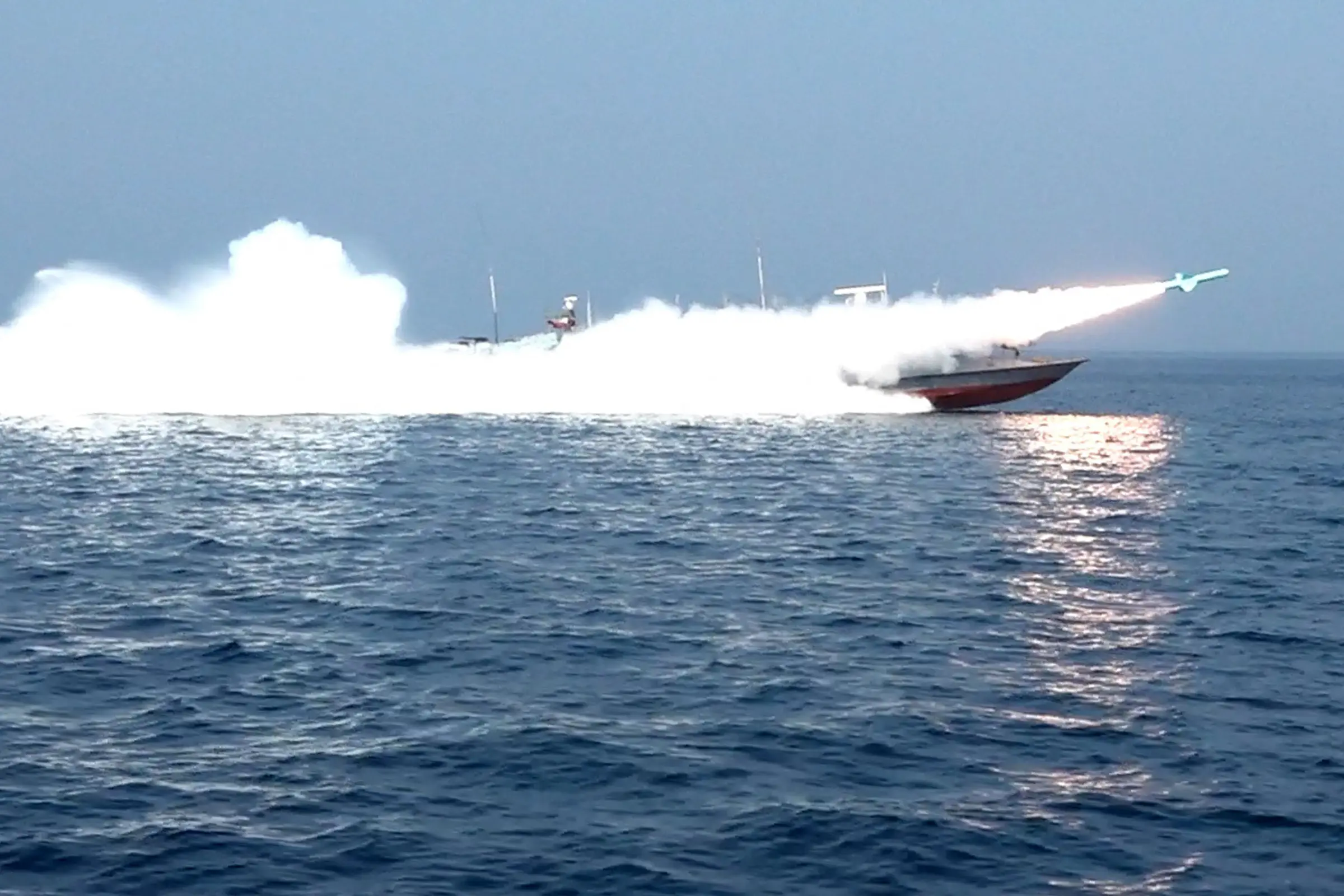
‘Non-hostile’ vessels allowed with coordination
Tehran has clarified that only ‘non-hostile vessels’ may pass through the strait. In a letter to the United Nations Security Council and the International Maritime Organization, Iran said such vessels must coordinate with its authorities. Only a trickle of vessels have crossed the waterway since the war, many of them Iranian-linked vessels.
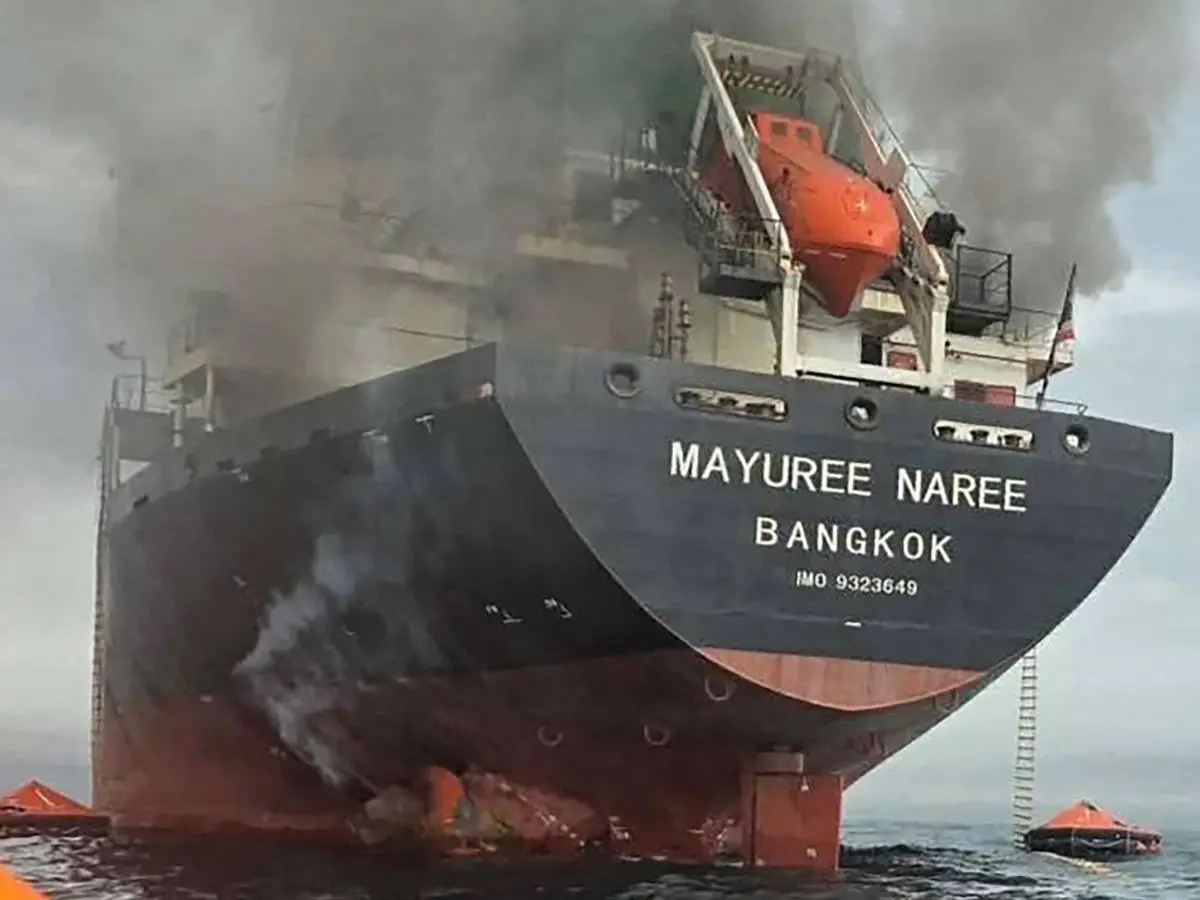
Reports of payments for safe passage
According to Lloyd’s List Intelligence, at least two vessels have paid for safe passage, with one fee reportedly reaching $2 million, though the claim could not be independently verified. Bloomberg reported that Iran has begun levying transit fees on an ad hoc basis, effectively creating an informal toll.
US response and parallel diplomacy
Traffic through Hormuz has been severely curtailed since the conflict began three weeks ago, disrupting global energy markets. Amid the crisis, US President Donald Trump said a deal with Tehran could be close, adding that Vice President JD Vance and Secretary of State Marco Rubio are leading negotiations. At the same time, around 2,000 US troops from the 82nd Airborne Division are expected to deploy to the region.
)
)
)
)
)