Parallel universe or brain trick? The Mandela effect explained with 5 mind-bending cases

It takes its name from the widespread but mistaken belief that Nelson Mandela died in prison in the 1980s, when in reality he was released, became president of South Africa, and died in 2013.
The Phenomenon
The term Mandela Effect describes the curious experience of many people sharing the same false memory. It takes its name from the widespread but mistaken belief that Nelson Mandela died in prison in the 1980s, when in reality he was released, became president of South Africa, and died in 2013. The phenomenon has since fascinated psychologists and the public alike, sparking debate over whether it reveals the existence of parallel universes or simply the unreliability of human memory.
1. The Monopoly Man and the Missing Monocle
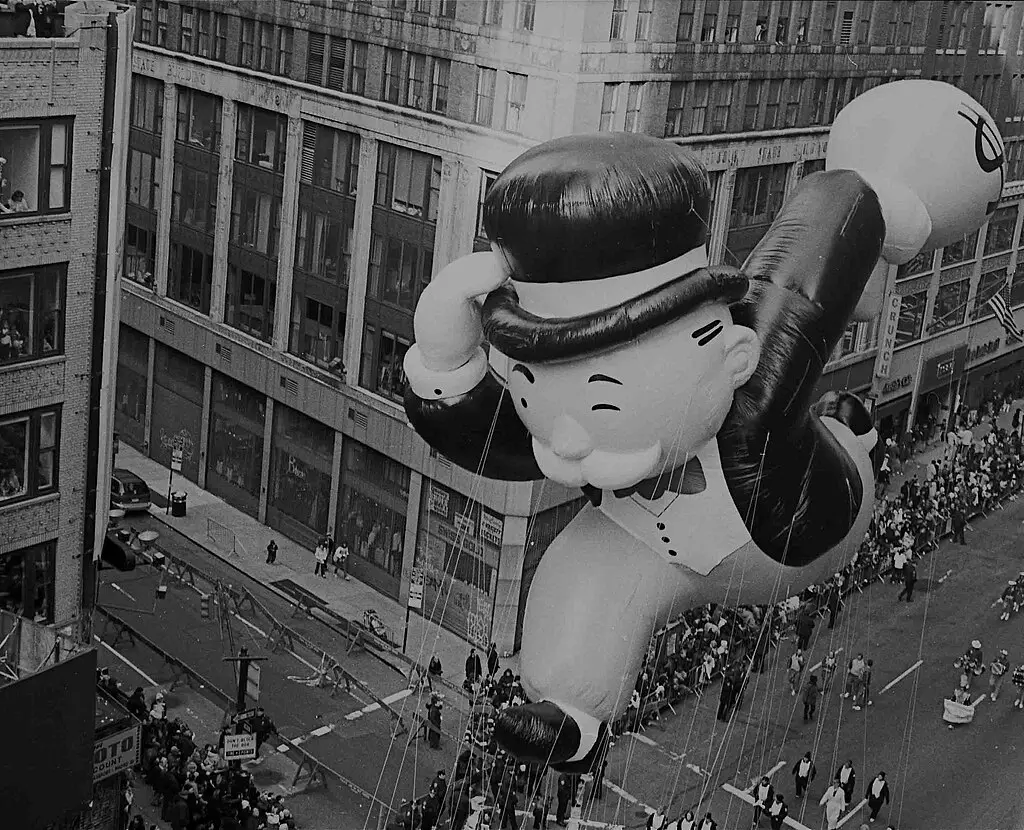
Many people vividly remember the Monopoly board game mascot, Mr Monopoly, wearing a monocle. Yet official imagery shows he never did. The error likely stems from confusion with other top-hatted, monocle-wearing figures, proving how memory often fills in details that seem logical or familiar.
2. Maggi or Maggie? The Spelling Everyone Gets Wrong
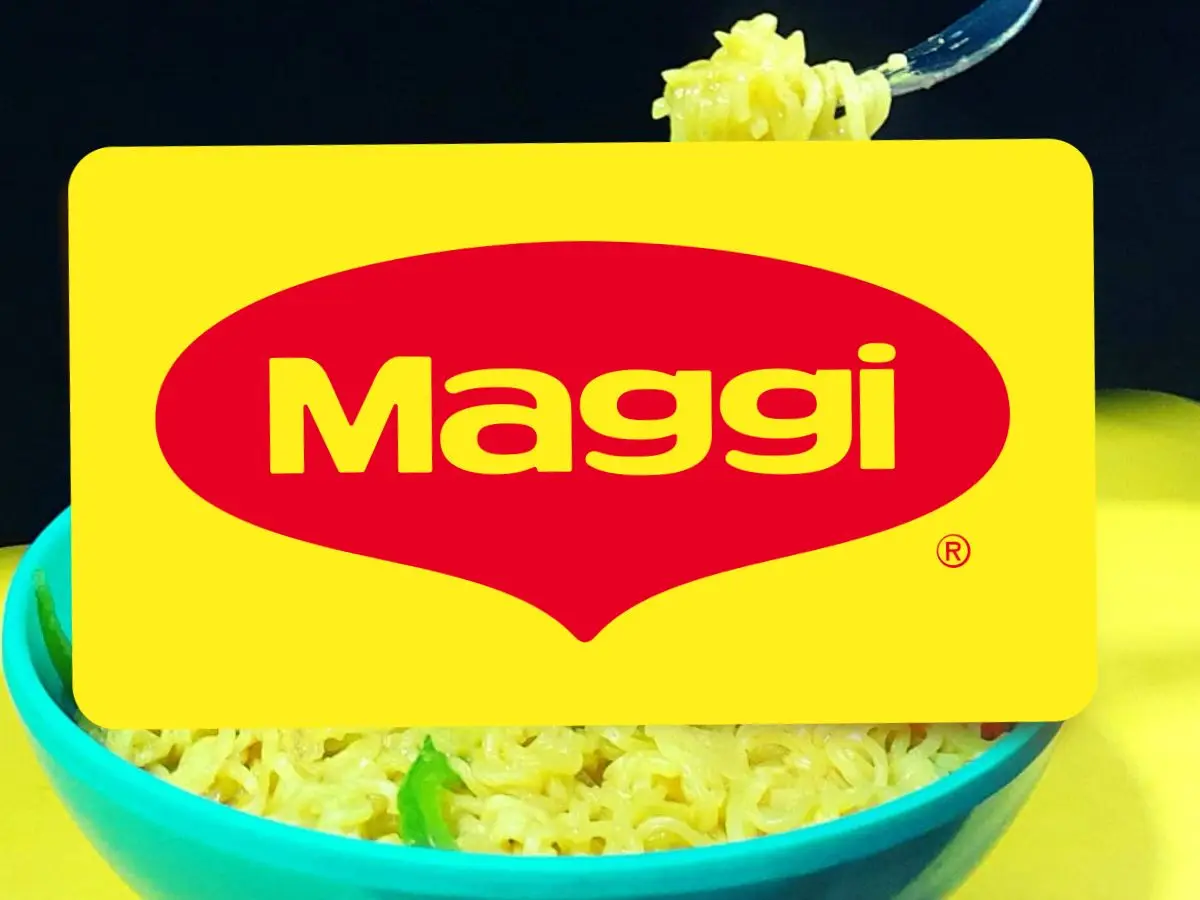
For decades, Indians have lovingly called it 'Maggie noodles', adding an extra ‘e’ that was never there. The brand name has always been Maggi, derived from Julius Maggi, the Swiss founder who created the product in the late 19th century. The mistake likely arose because 'Maggie' is a more familiar English name, and phonetic pronunciation reinforced it. It’s a classic example of how language habit quietly changes brand memory, another Indian twist on the Mandela Effect.
3. Thums Up: The Missing ‘b’ and the Bottle Logo
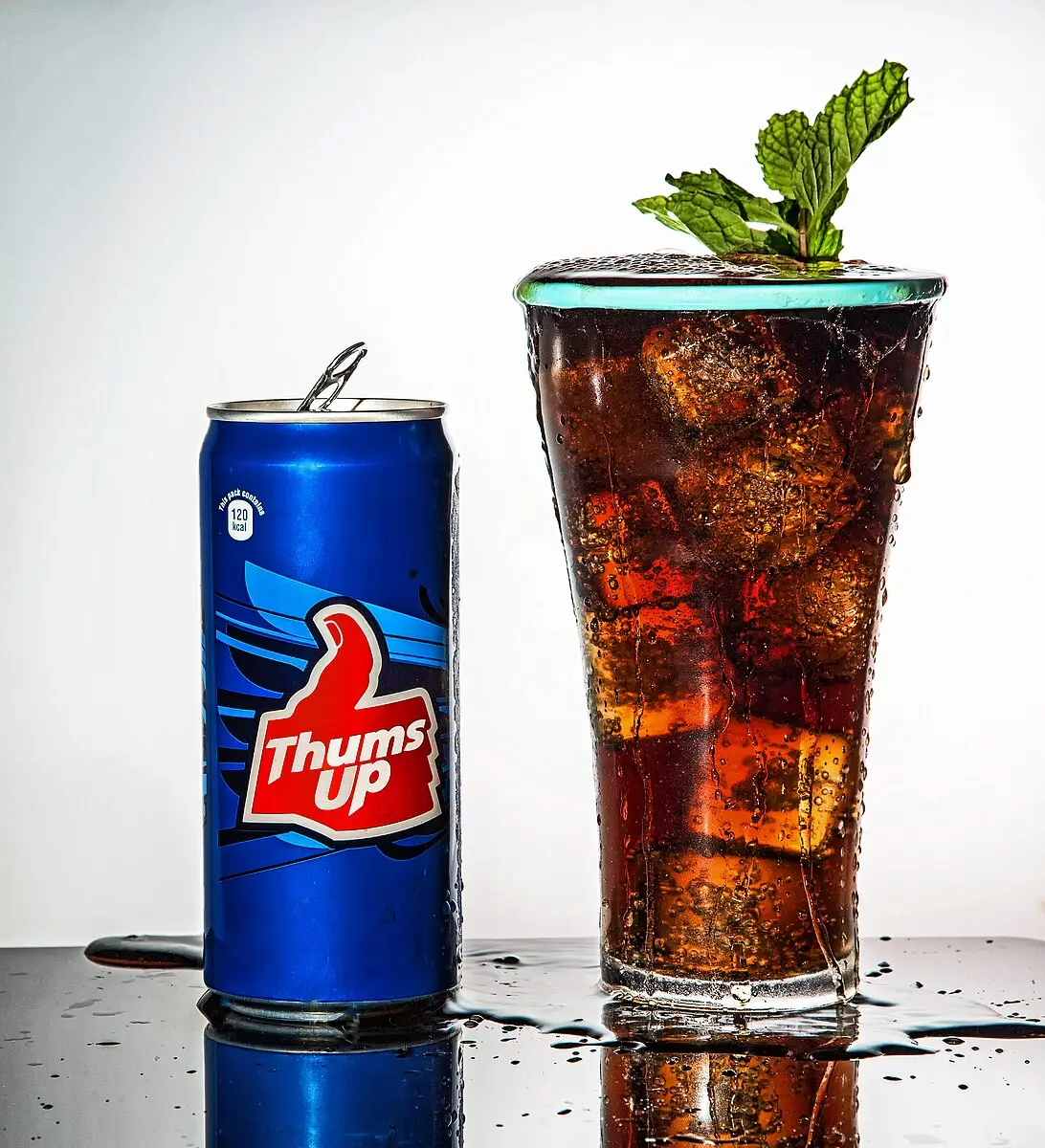
Many Indians recall the soft drink brand as Thumbs Up (with a “b”), but it has always been spelled Thums Up. The confusion comes from how the logo’s bold hand symbol visually suggests the missing letter. Some also insist the bottle once featured a full 'thumbs-up' hand with fingers visible, in fact, the design has always shown a cropped thumb-and-palm symbol. It’s a perfect example of visual memory reshaping reality.
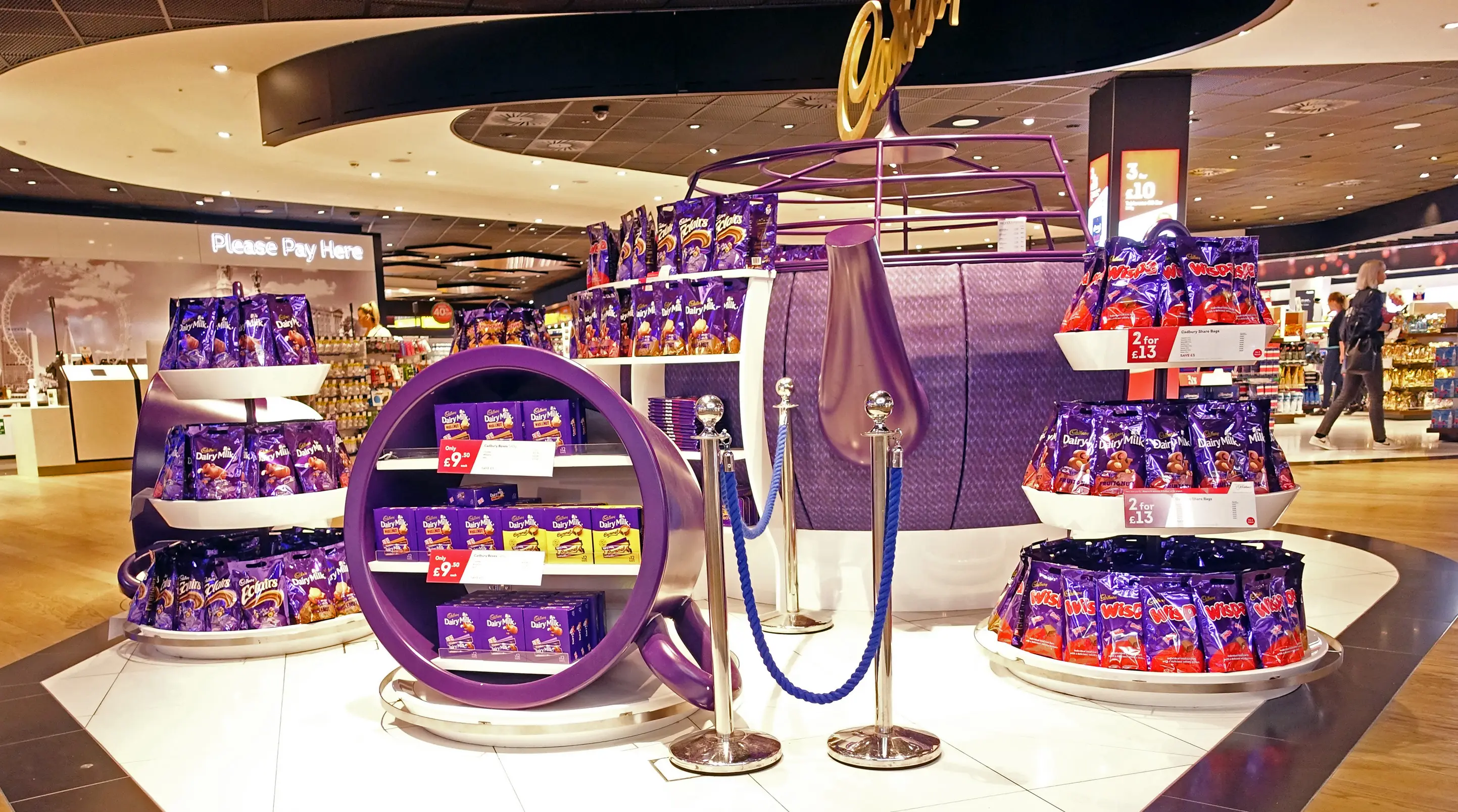
4. Dairy Milk’s 'Changing' Purple Wrapper
Older generations insist that Cadbury Dairy Milk once came in a lighter purple or even blue wrapper. It has always been deep royal purple. The false memory likely comes from different lighting or early printing inconsistencies.
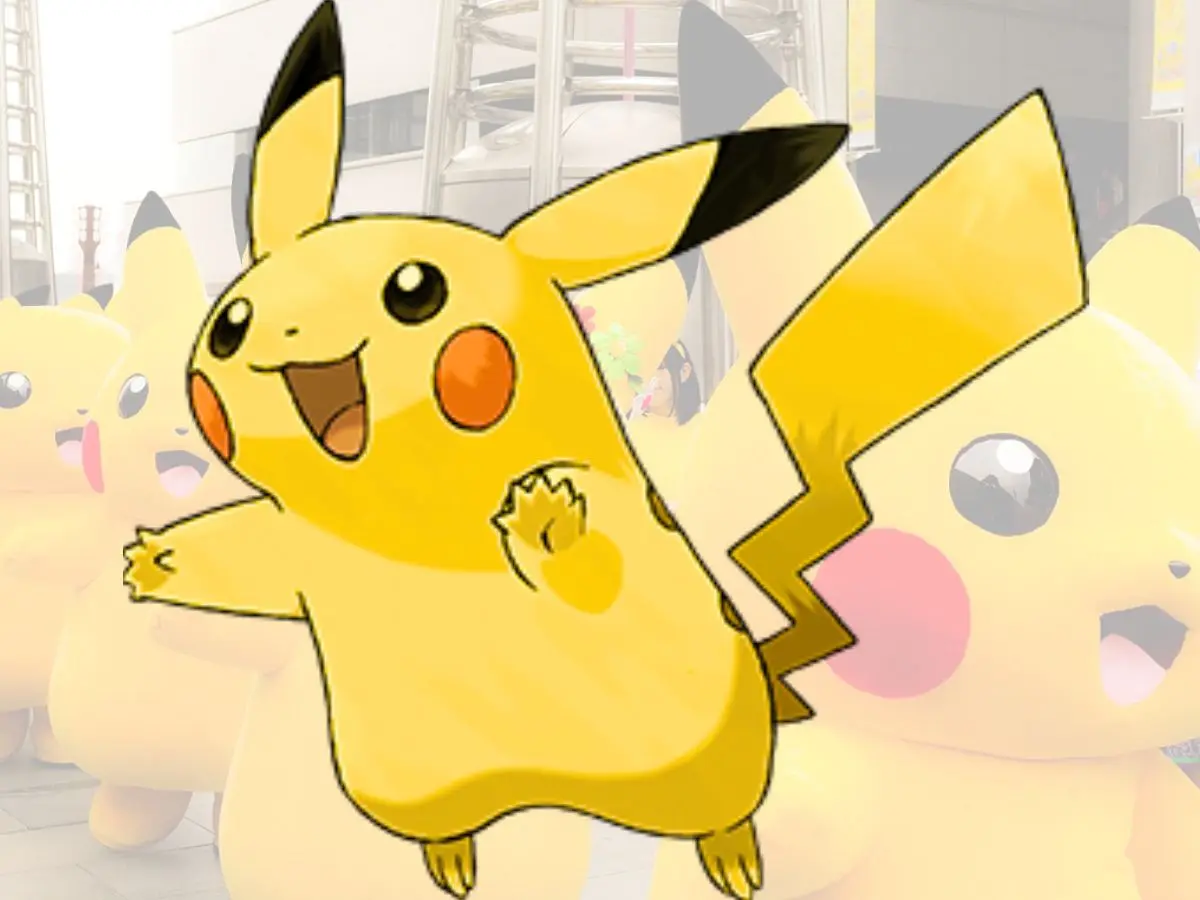
5. Pikachu’s Tail with a Black Stripe
Fans of Pokémon often recall Pikachu’s tail having a black tip. In reality, Pikachu’s tail is entirely yellow with a brown base. This common mistake reveals how visual details can be misremembered and then spread collectively through repetition and fan culture.
Causes – Why Does It Happen?
Psychologists attribute the Mandela Effect to the brain’s reconstructive nature. Memory is not a perfect record; it is rebuilt each time we recall it. False memories form when our brains fill in gaps with familiar patterns, influenced by suggestion, repetition, and social reinforcement. The more often a false version is repeated, the more confident people become that it’s real.
Conclusion – Mind or Multiverse?
The Mandela Effect sits at the crossroads of science and imagination. Some interpret it as evidence of overlapping realities, while most researchers see it as a quirk of cognition. Whether it hints at alternate universes or simply shows that the human mind is prone to error, the Mandela Effect reminds us that memory is not a photograph of the past but a story we keep rewriting.
)
)
)
)
)