Pakistan vs Afghanistan: How a border line drawn in 1893 still causes bloodshed

The Durand Line: a colonial border drawn in 1893 that's still at the heart of Pakistan-Afghanistan violence, politics and identity. Here’s why it never stopped causing tension.
1. Origins: The Durand Line’s Colonial Roots
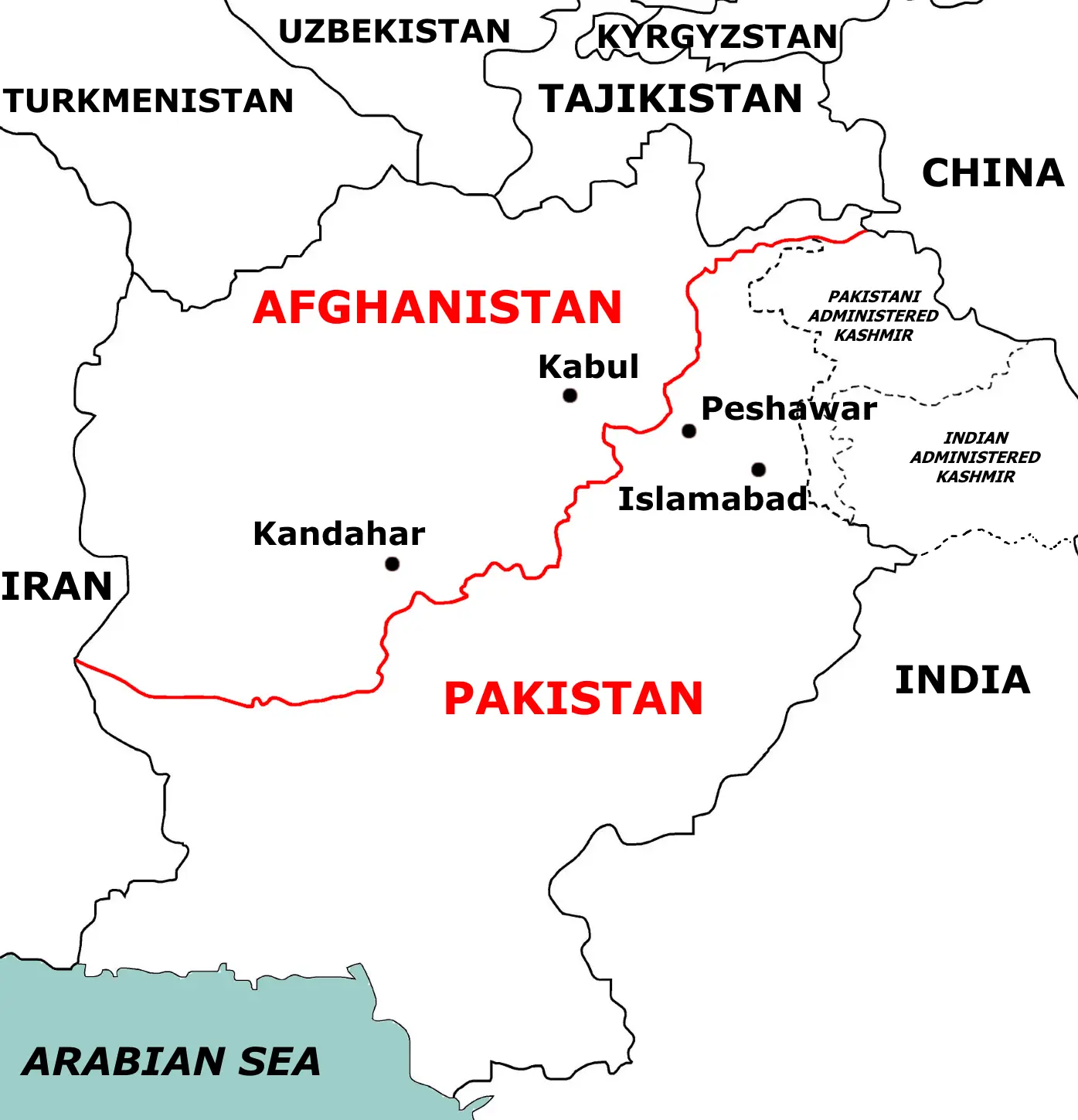
The Durand Line was established in 1893 between British India and Afghanistan under Amir Abdur Rahman Khan, with Sir Henry Mortimer Durand representing the British. Its purpose was to define spheres of influence, especially to protect British interests from Russian expansion. However, it split tribal Pashtun areas between the two sides.
2. Inheritance and Initial Dispute
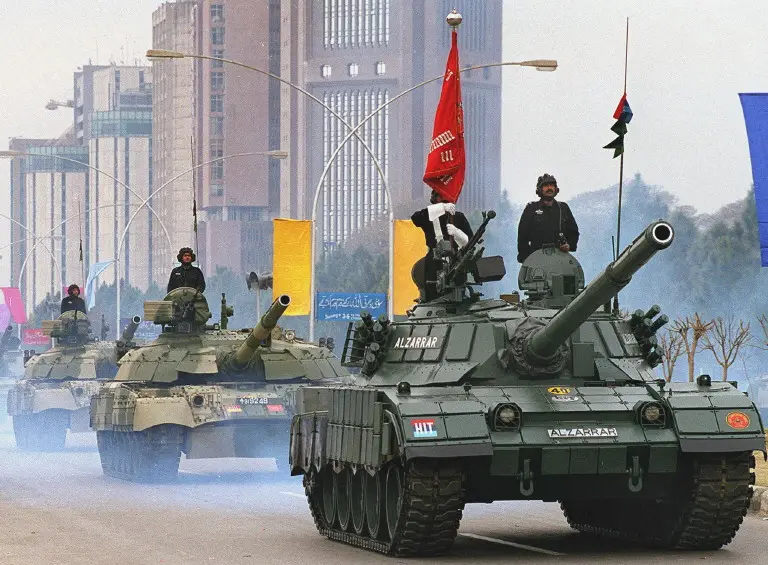
When Pakistan was created in 1947, it inherited the Durand Line as its western boundary. But successive Afghan governments, including today’s Taliban regime, have consistently refused to accept it as a legitimate international border, claiming it was imposed by colonial powers and divides Pashtun lands and communities.

3. Border Fencing & Militarisation
To enforce security and prevent militant movement, Pakistan began building fencing along large stretches of the Durand Line from about 2014 onwards. The effort included barbed wire, border posts, and increased patrolling. Afghanistan has protested these moves as dividing tribes and restricting movement.
4. Recent Clashes Over Outposts & Territory
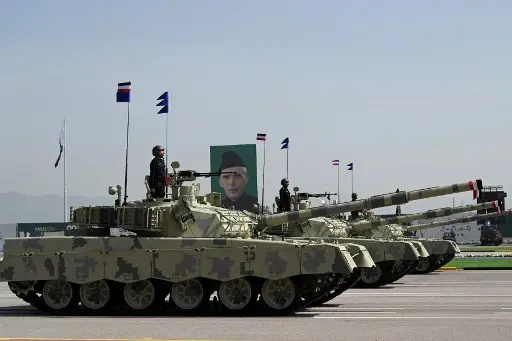
Tensions have flared recently: Afghan (Taliban-led) forces have reportedly seized Pakistani outposts along the Durand Line in places like Helmand and Kunar provinces. Pakistani soldiers were reported killed in some clashes. These incidents show how the border remains a flashpoint in military terms as well as diplomatic.
5. Ethnicity, Tribal Ties & Local Sentiment
Many Pashtuns live on both sides of the line. The border divides tribes, families, and local economies. Because of historical neglect, lack of state infrastructure, and frequent militant activity, border region populations often feel caught between two governments that treat them as unreliable or peripheral.
6. Why Afghanistan Refuses Recognition
Afghanistan’s stance is rooted in legal, historic, and emotional reasons: the agreement was done under colonial authority; there was no modern ratification by Afghan parliaments; plus accepting the line would swell fears of ceding territory permanently. This refusal remains central to Kabul’s policy.
7. Implications: Why the Dispute Still Matters
- Continual cross-border militant incursions and retaliations.
- Border closures disrupt trade and the movement of people.
- Diplomatic strains—agreements are fragile. Recent ceasefires are often temporary and followed by new clashes.
)
)
)
)
)