Thousands massacred by Pakistani invaders, millions caught up in brutal violence: 1947-48 War | Indo-Pak war stories in pics - Part 4

Authored By Vinod Janardhanan
Published: May 07, 2025, 11:52 IST | Updated: May 07, 2025, 11:52 IST
Pahalgam terror attack Indo-Pak 1947-48 War | Thousands massacred by Pakistani invaders, millions affected India Pakistan war. India News | South Asia | Photos
1 / 14
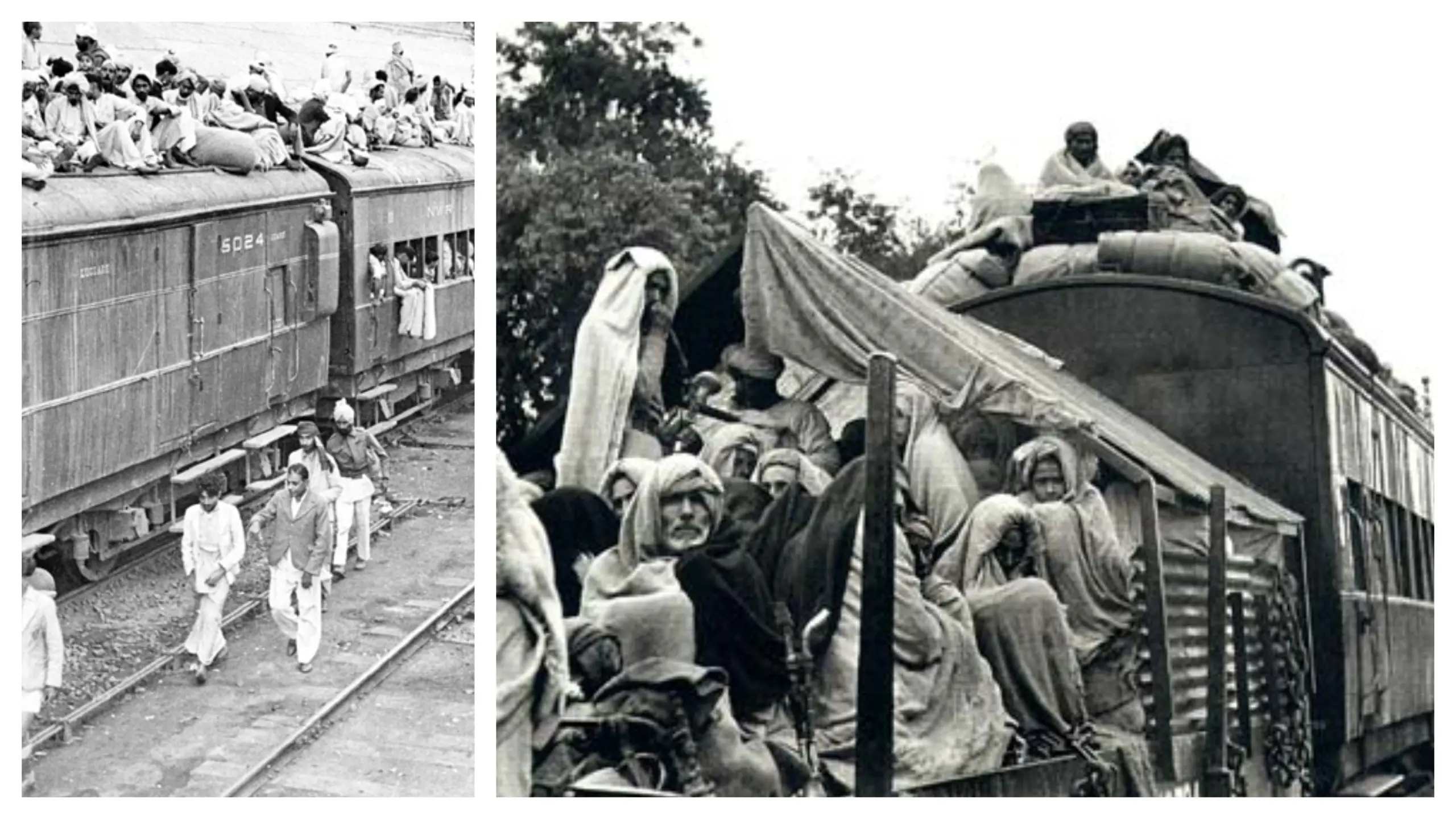
Origins of the 1947-48 War: Partition and Poonch Rebellion (August 1947)
The Indo-Pakistan War of 1947–1948 was the first major clash between newly independent India and Pakistan. At the heart of this war was the then princely state of Jammu and Kashmir, which had a Muslim-majority population but was ruled by Maharaja Hari Singh, a Hindu. This war's roots lay in the British colonial rulers' chaotic and hasty Partition of India in order to exit the subcontinent. The Partition sparked communal violence across India and Pakistan, resulting in an estimated, yet disputed, 2 million deaths and the displacement of up to 15 million people, with significant spillover into Jammu and Kashmir. In August 1947, unrest erupted in Poonch, with some 60,000 ex-servicemen from Poonch and Mirpur who had just been discharged from World War II, joining the rebellion against Hari Singh.
2 / 14
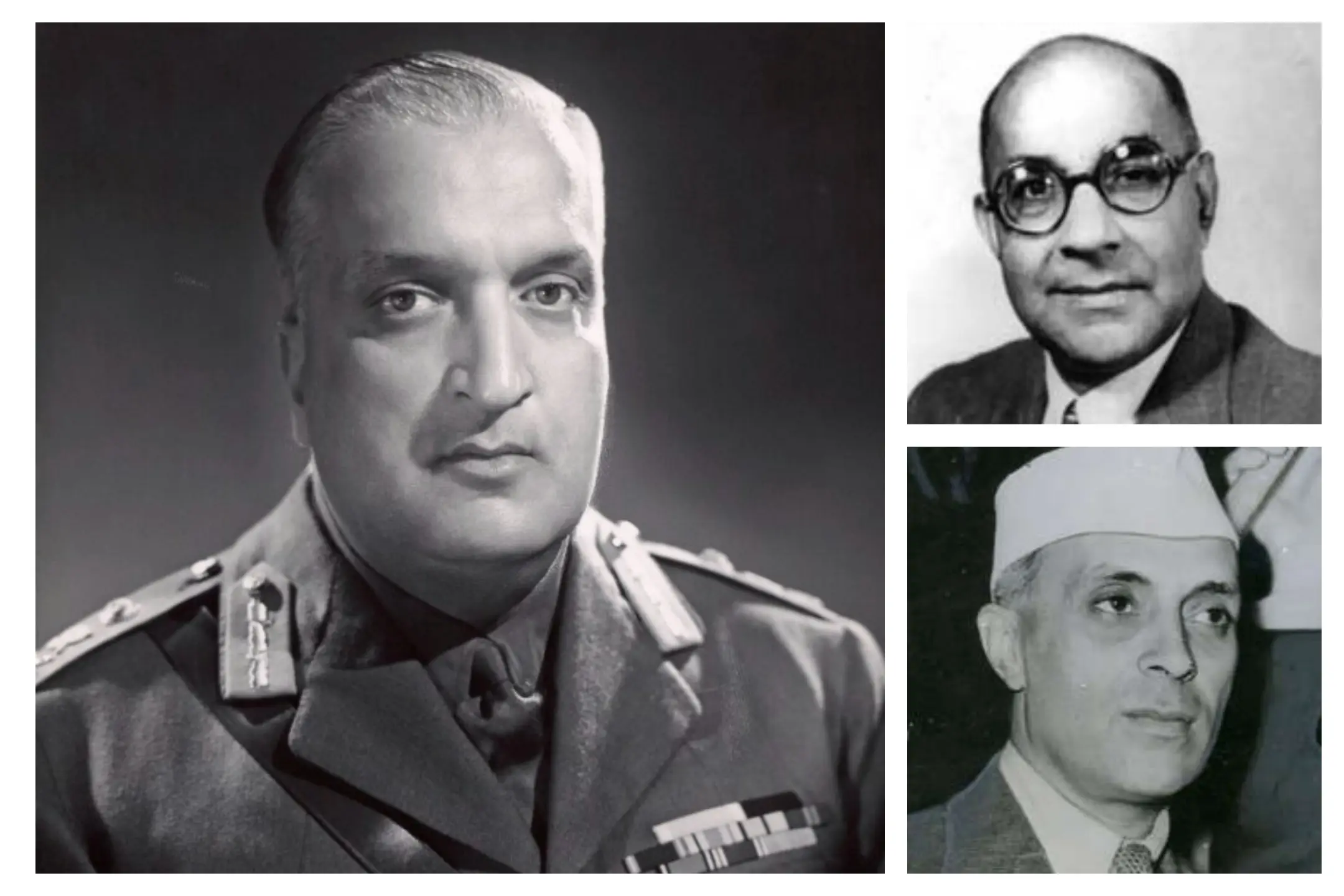
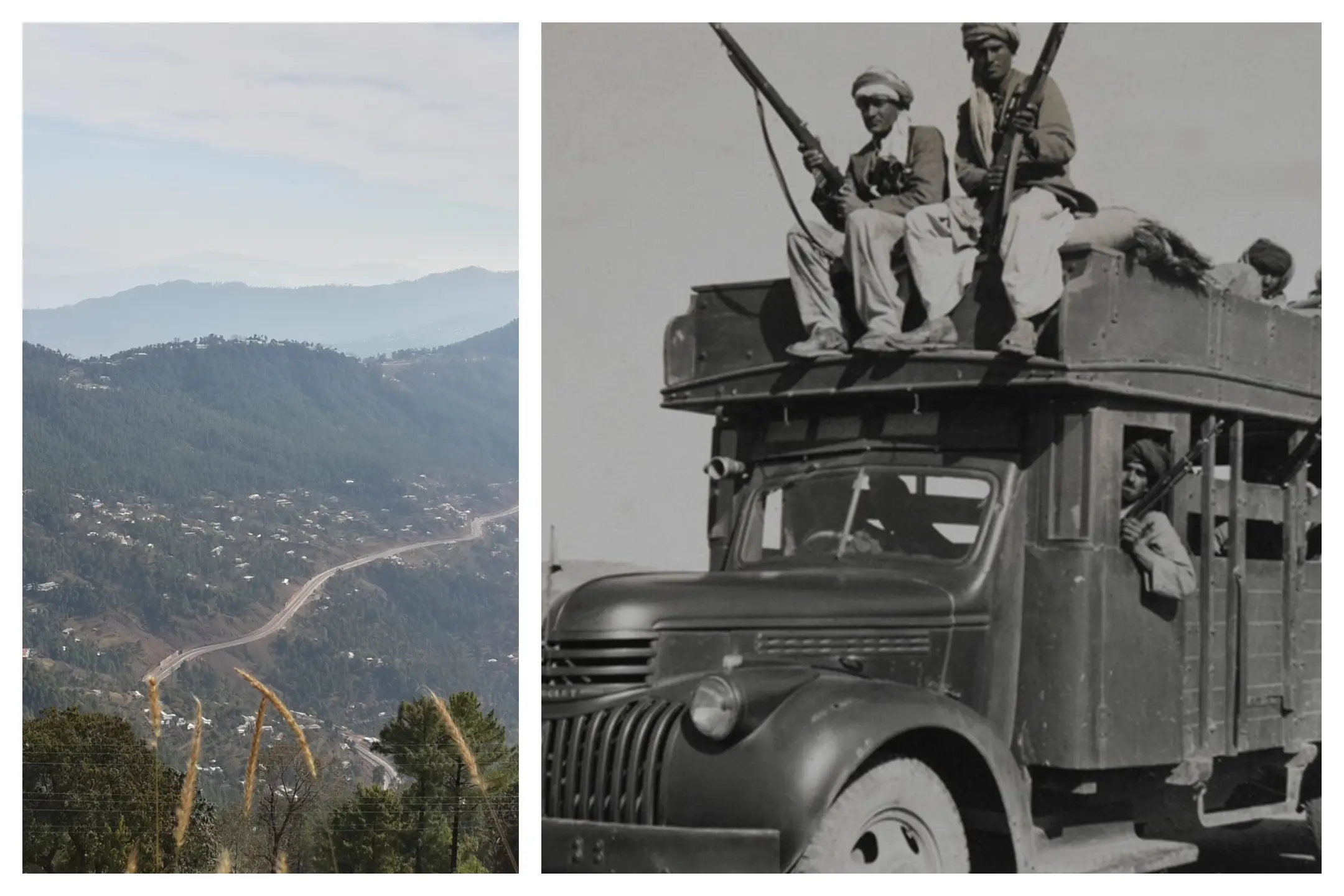
Outbreak of War: Tribal Invasion and Indian Intervention (October 1947)
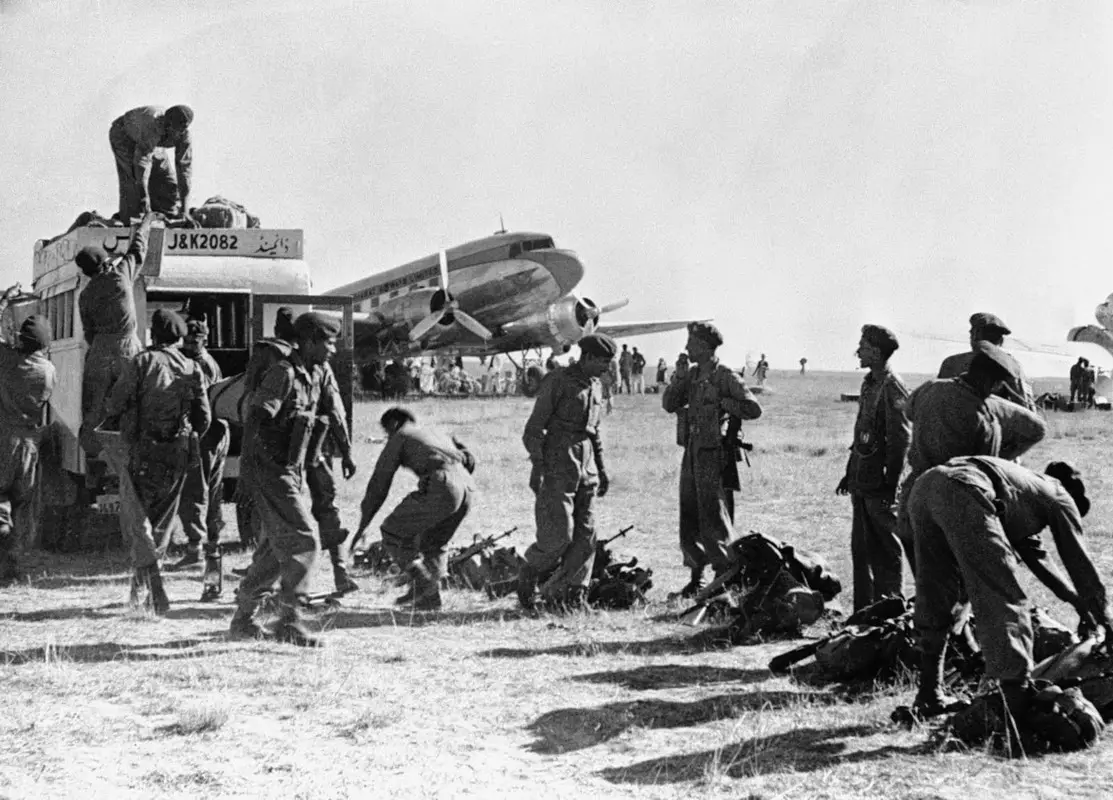
On October 22, 1947, Pakistan-backed Pashtun tribal militias from Waziristan invaded Kashmir in an attempt to seize territory before Hari Singh's accession to India. The militias advanced toward Srinagar but were stalled at Baramulla, where they committed atrocities. The Baramulla massacre left around 11,000 civilians dead. On October 26, Maharaja Hari Singh signed the Instrument of Accession, aligning Jammu and Kashmir with India in return for military aid. Indian troops were airlifted to Srinagar on October 27 and, alongside the Jammu and Kashmir State Forces, began pushing back against the invaders.
3 / 14
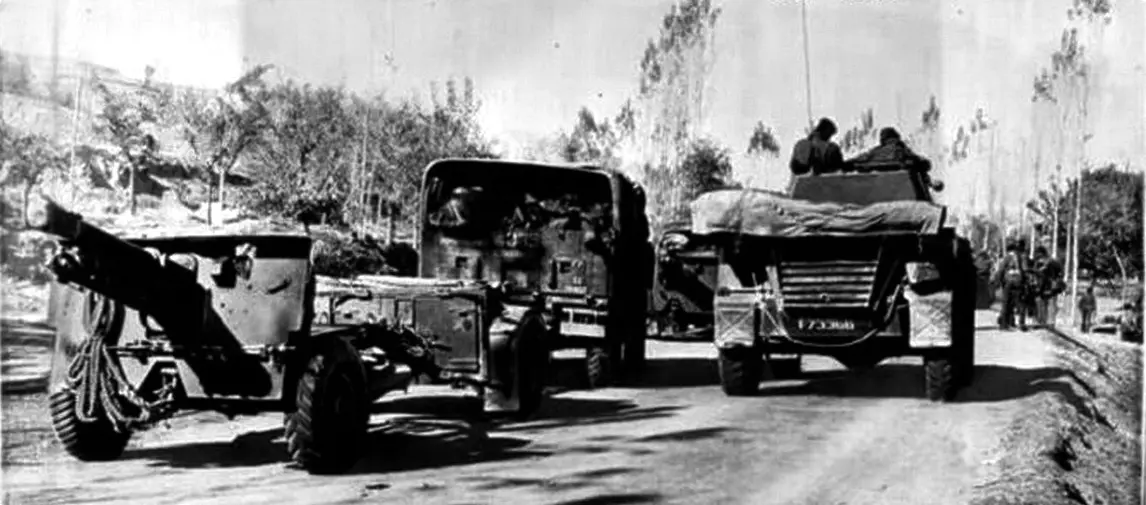
Expansion and escalation of the war (November–December 1947)
Fighting intensified in November 1947 as Indian forces continued to repel the tribal invaders. The Pakistani offensive lost momentum, but the invaders made some gains in the Himalayas toward Leh. Across the region, incursions from Pakistan continued. Communal violence unfolded in many parts of Jammu and Kashmir. Pakistan army regulars started supporting tribal invaders explicitly. Indian forces secured the Kashmir Valley and parts of Jammu.
4 / 14
Pakistan formally enters the war
In early 1948, Pakistan formally committed its regular army to the conflict, thereby turning the war from a tribal invasion to a conventional battle. Eventually, the warfront stabilised roughly along what later became the Line of Control (LoC). India held the Kashmir Valley, Jammu, and Ladakh. In June 1948, Indian and local forces repelled an offensive near Leh. Throughout the year, multiple battles took place. The United Nations formed the UN Commission for India and Pakistan (UNCIP) in January 1948, which recommended a ceasefire and demilitarisation.
5 / 14
Ceasefire on January 1, 1949 mediated by United Nations
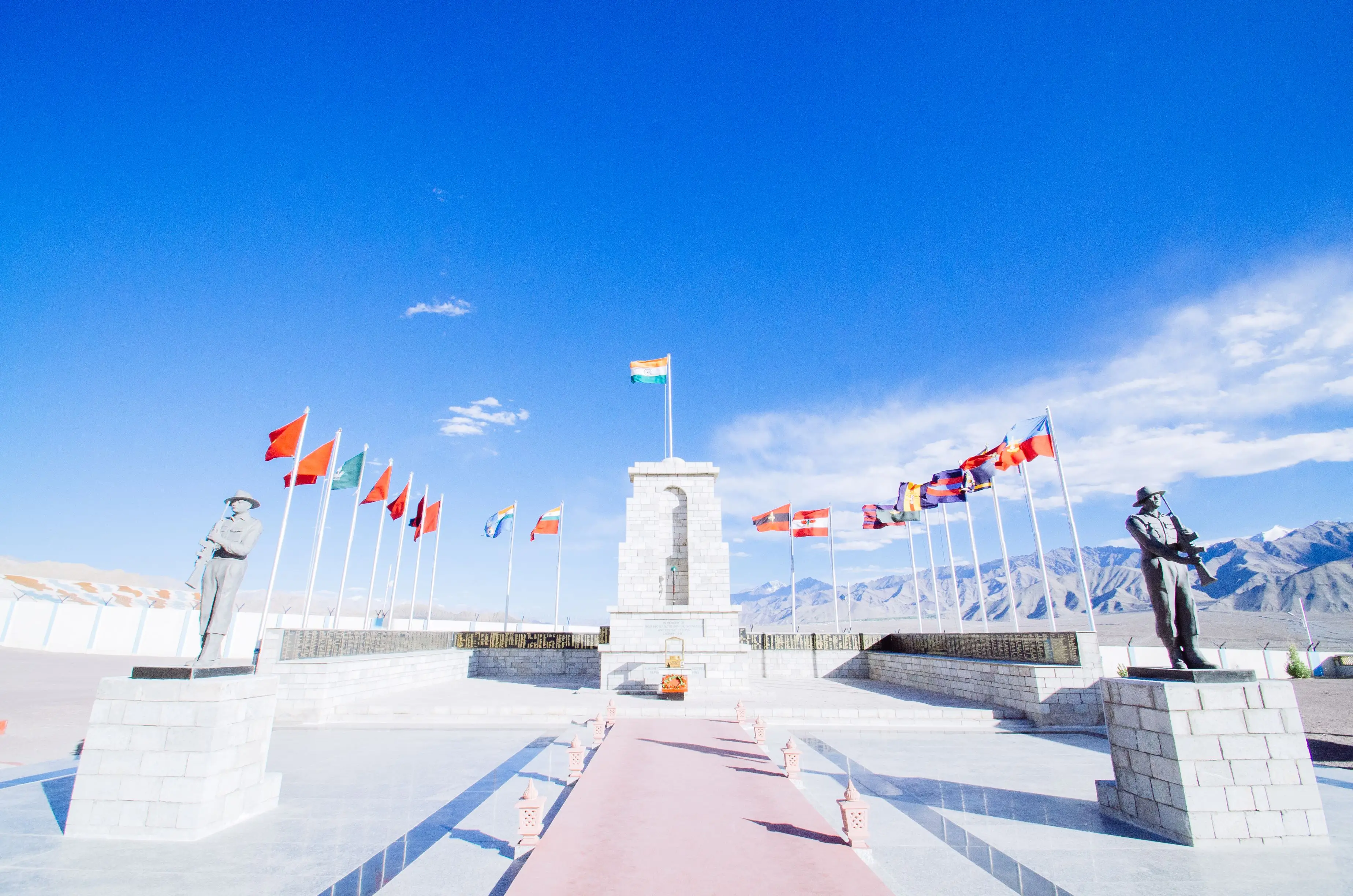
On 1 January 1949, a UN-mediated ceasefire officially ended the war, establishing the Line of Control, essentially dividing the former princely state. The United Nations deployed the UN Military Observer Group in India and Pakistan (UNMOGIP) to monitor the ceasefire. The war outcome remained inconclusive.
6 / 14
Human cost and military casualties
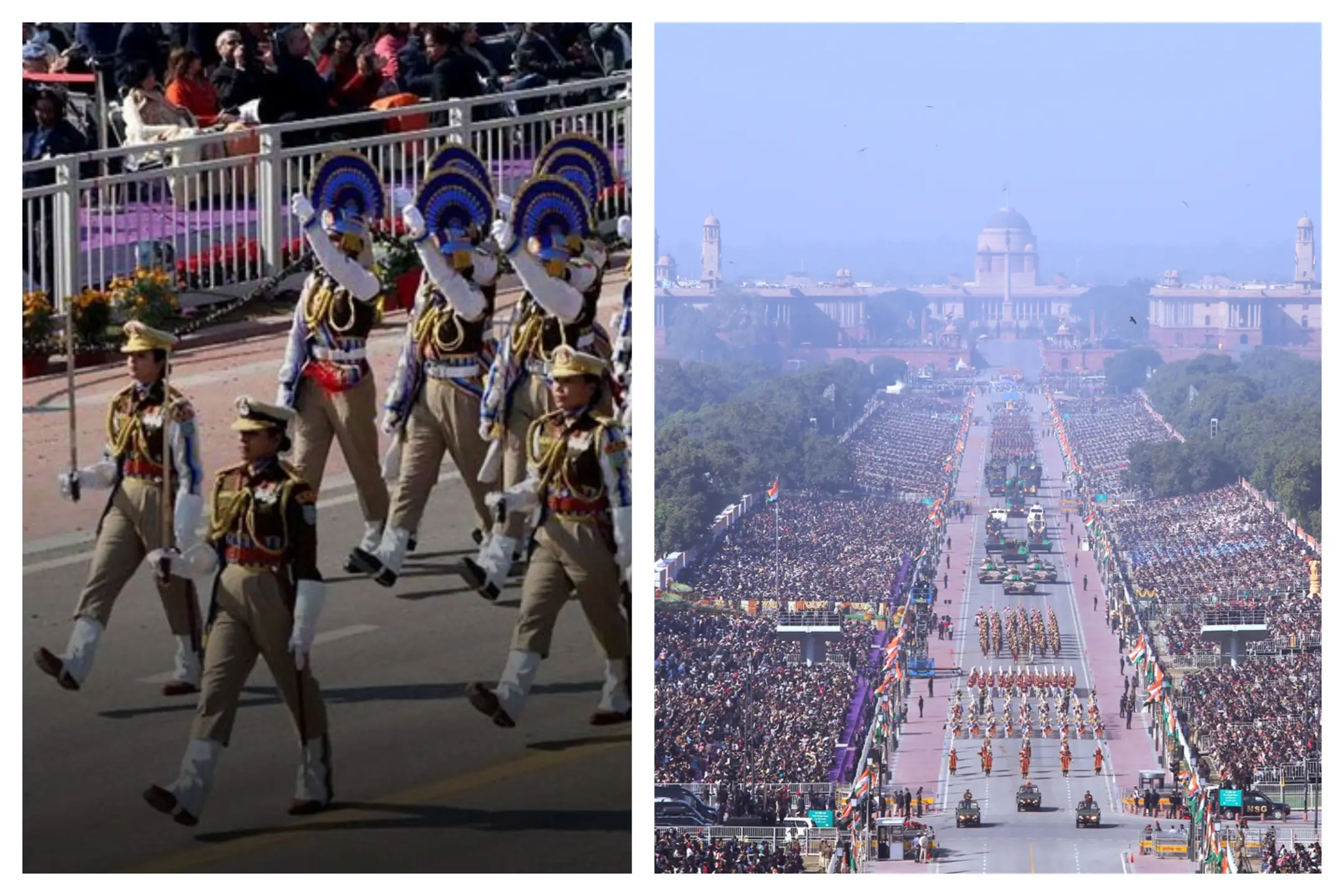
Casualty figures remain uncertain due to chaotic conditions and incomplete records. India lost at least 1,104 soldiers, while approximately 6,000 were killed on the Pakistani side, including tribal invader militias and regular army men. Civilian losses included up to 11,000 killed in the Baramulla massacre alone. Communal violence in Jammu resulted in up to 237,000 deaths. Most figures are based on survivor accounts and historical estimates, as official documentation was sparse or destroyed.
7 / 14
The war that started all the other Indo-Pak wars
The 1947–1948 war and its lack of conclusion are at the core of all the other wars between India and Pakistan. The LoC became a de facto border, where ceasefire violations continued to happen to this day. The 1947-48 war was a defining moment in South Asian geopolitics, entrenching divisions that persist into the 21st century. The current fears of an India Pak war over the Pahalgam terror attack is the latest in this saga.
8 / 14
Origins of the 1947-48 War: Partition and Poonch Rebellion (August 1947)
The Indo-Pakistan War of 1947–1948 was the first major clash between newly independent India and Pakistan. At the heart of this war was the then princely state of Jammu and Kashmir, which had a Muslim-majority population but was ruled by Maharaja Hari Singh, a Hindu. This war's roots lay in the British colonial rulers' chaotic and hasty Partition of India in order to exit the subcontinent. The Partition sparked communal violence across India and Pakistan, resulting in an estimated, yet disputed, 2 million deaths and the displacement of up to 15 million people, with significant spillover into Jammu and Kashmir. In August 1947, unrest erupted in Poonch, with some 60,000 ex-servicemen from Poonch and Mirpur who had just been discharged from World War II, joining the rebellion against Hari Singh.
9 / 14
Outbreak of War: Tribal Invasion and Indian Intervention (October 1947)
On October 22, 1947, Pakistan-backed Pashtun tribal militias from Waziristan invaded Kashmir in an attempt to seize territory before Hari Singh's accession to India. The militias advanced toward Srinagar but were stalled at Baramulla, where they committed atrocities. The Baramulla massacre left around 11,000 civilians dead. On October 26, Maharaja Hari Singh signed the Instrument of Accession, aligning Jammu and Kashmir with India in return for military aid. Indian troops were airlifted to Srinagar on October 27 and, alongside the Jammu and Kashmir State Forces, began pushing back against the invaders.
10 / 14
Expansion and escalation of the war (November–December 1947)
Fighting intensified in November 1947 as Indian forces continued to repel the tribal invaders. The Pakistani offensive lost momentum, but the invaders made some gains in the Himalayas toward Leh. Across the region, incursions from Pakistan continued. Communal violence unfolded in many parts of Jammu and Kashmir. Pakistan army regulars started supporting tribal invaders explicitly. Indian forces secured the Kashmir Valley and parts of Jammu.
11 / 14
Pakistan formally enters the war
In early 1948, Pakistan formally committed its regular army to the conflict, thereby turning the war from a tribal invasion to a conventional battle. Eventually, the warfront stabilised roughly along what later became the Line of Control (LoC). India held the Kashmir Valley, Jammu, and Ladakh. In June 1948, Indian and local forces repelled an offensive near Leh. Throughout the year, multiple battles took place. The United Nations formed the UN Commission for India and Pakistan (UNCIP) in January 1948, which recommended a ceasefire and demilitarisation.
12 / 14
Ceasefire on January 1, 1949 mediated by United Nations
On 1 January 1949, a UN-mediated ceasefire officially ended the war, establishing the Line of Control, essentially dividing the former princely state. The United Nations deployed the UN Military Observer Group in India and Pakistan (UNMOGIP) to monitor the ceasefire. The war outcome remained inconclusive.
13 / 14
Human cost and military casualties
Casualty figures remain uncertain due to chaotic conditions and incomplete records. India lost at least 1,104 soldiers, while approximately 6,000 were killed on the Pakistani side, including tribal invader militias and regular army men. Civilian losses included up to 11,000 killed in the Baramulla massacre alone. Communal violence in Jammu resulted in up to 237,000 deaths. Most figures are based on survivor accounts and historical estimates, as official documentation was sparse or destroyed.
14 / 14
The war that started all the other Indo-Pak wars
The 1947–1948 war and its lack of conclusion are at the core of all the other wars between India and Pakistan. The LoC became a de facto border, where ceasefire violations continued to happen to this day. The 1947-48 war was a defining moment in South Asian geopolitics, entrenching divisions that persist into the 21st century. The current fears of an India Pak war over the Pahalgam terror attack is the latest in this saga.
)
)
)
)
)