Operation Sindoor: Why are suicide drones called 'Kamikaze'? Understanding their dark origins from World War II

Authored By Tarun Mishra
Published: May 07, 2025, 11:25 IST | Updated: May 07, 2025, 11:25 IST
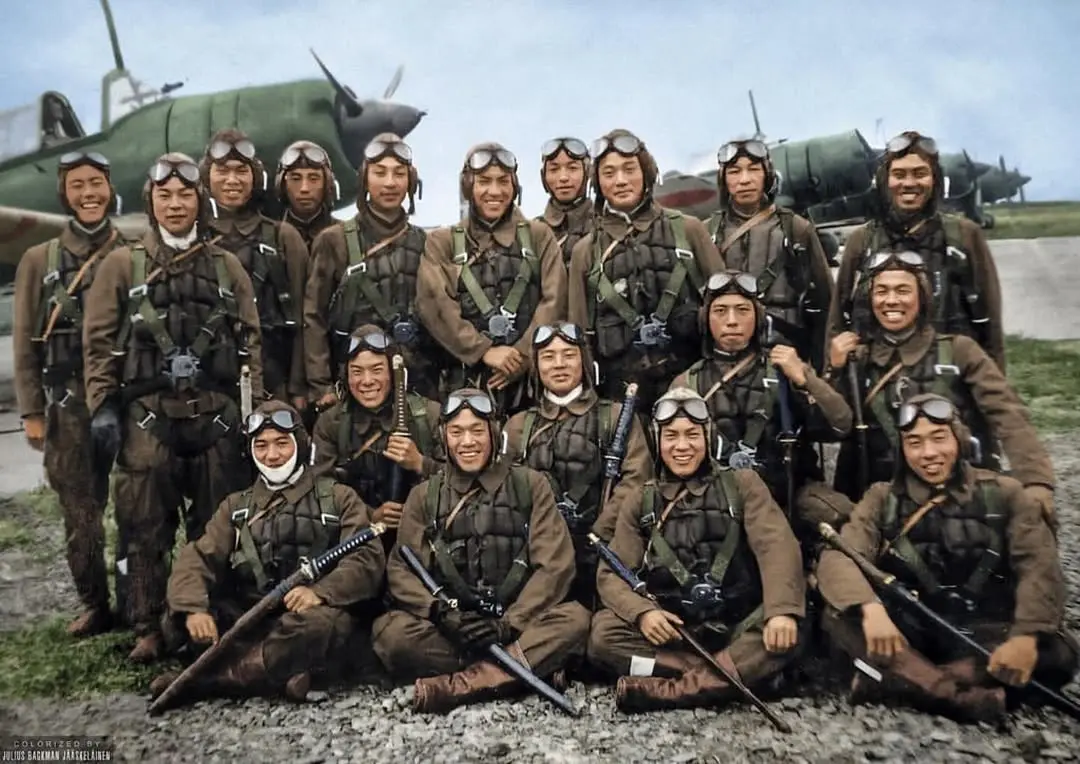
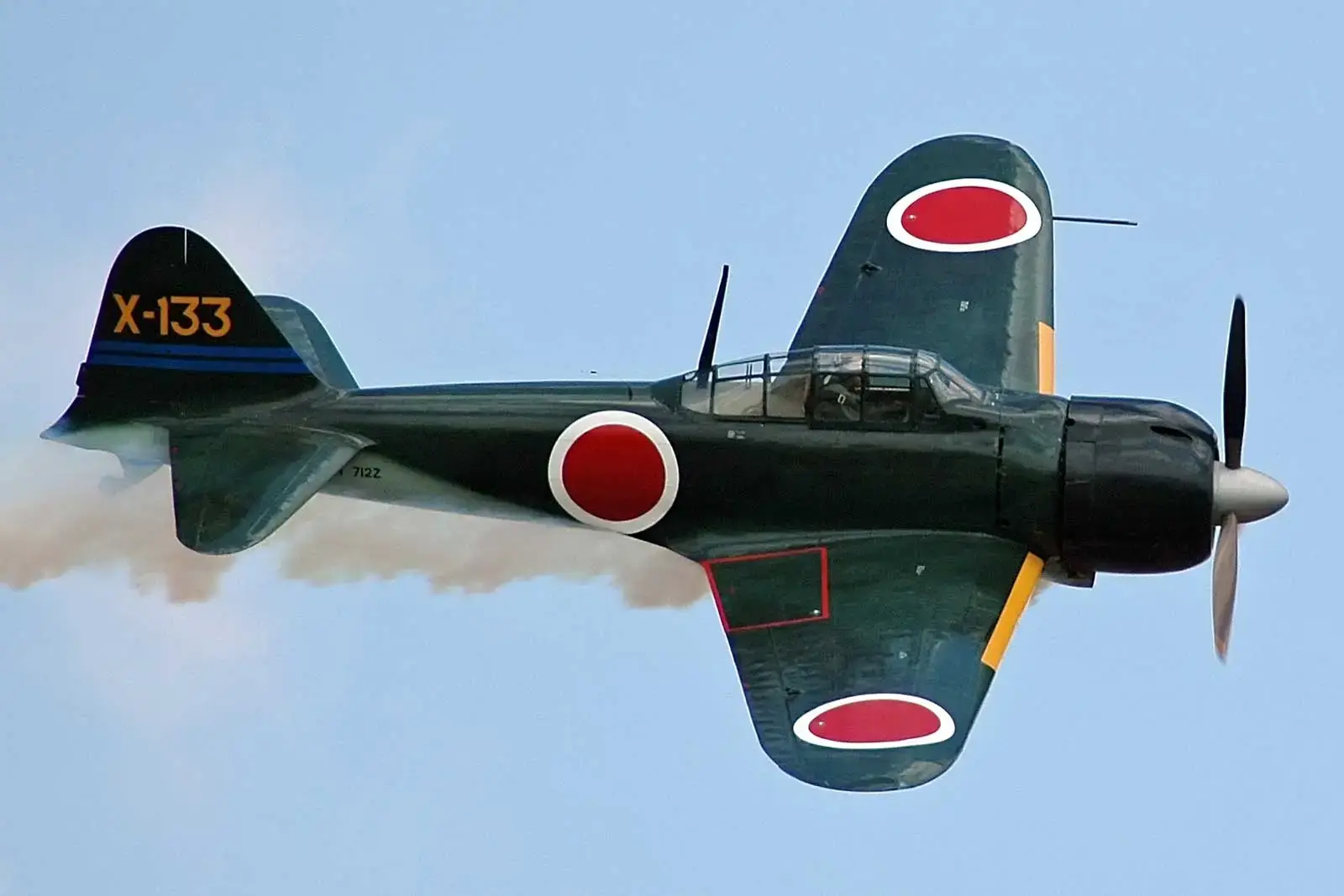
In 1944, during the Battle of Leyte Gulf, Japan introduced kamikaze pilots, a group of men tasked with flying their aircraft directly into Allied ships. The term itself, “kamikaze,” means “divine wind,” a reference to typhoons in the 13th century that thwarted Mongol invasions.
1 / 12
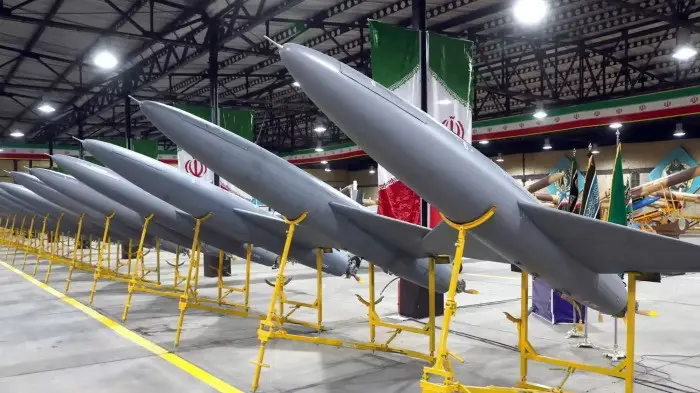
The term “kamikaze” has found new relevance in modern warfare, specially in describing suicide drones or unmanned systems built to destroy targets by crashing into them. Though no humans are inside these drones, the historical weight of the word “kamikaze” ties back to World War II.
2 / 12
In 1944, during the Battle of Leyte Gulf, Japan introduced kamikaze pilots, a group of men tasked with flying their aircraft directly into Allied ships, ultimately committing suicide. The term itself, “kamikaze,” means “divine wind,” a reference to typhoons in the 13th century that thwarted Mongol invasions. The idea was later adapted by the Japanese military to symbolise sacrifice for national survival during desperate times.
3 / 12
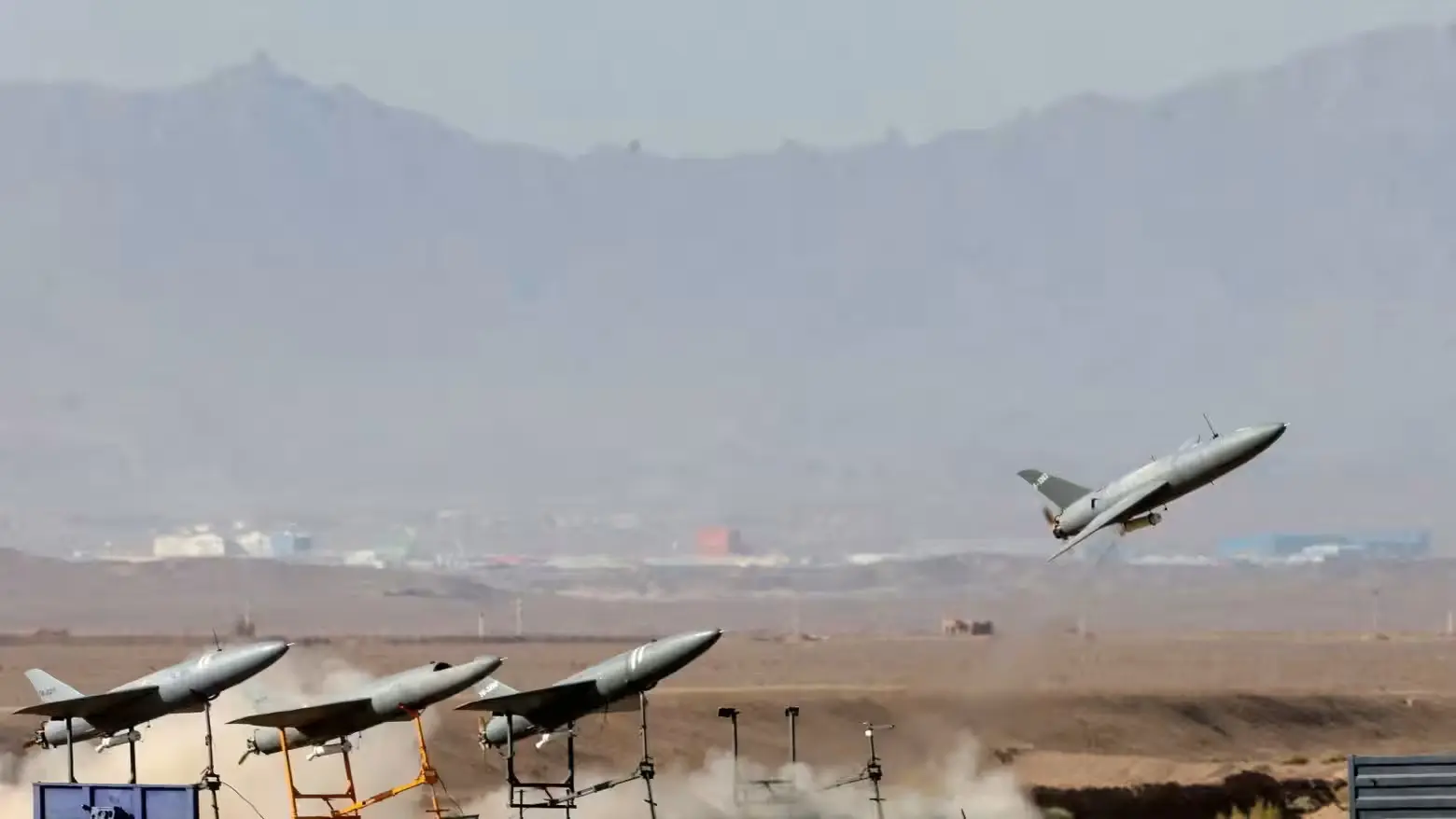
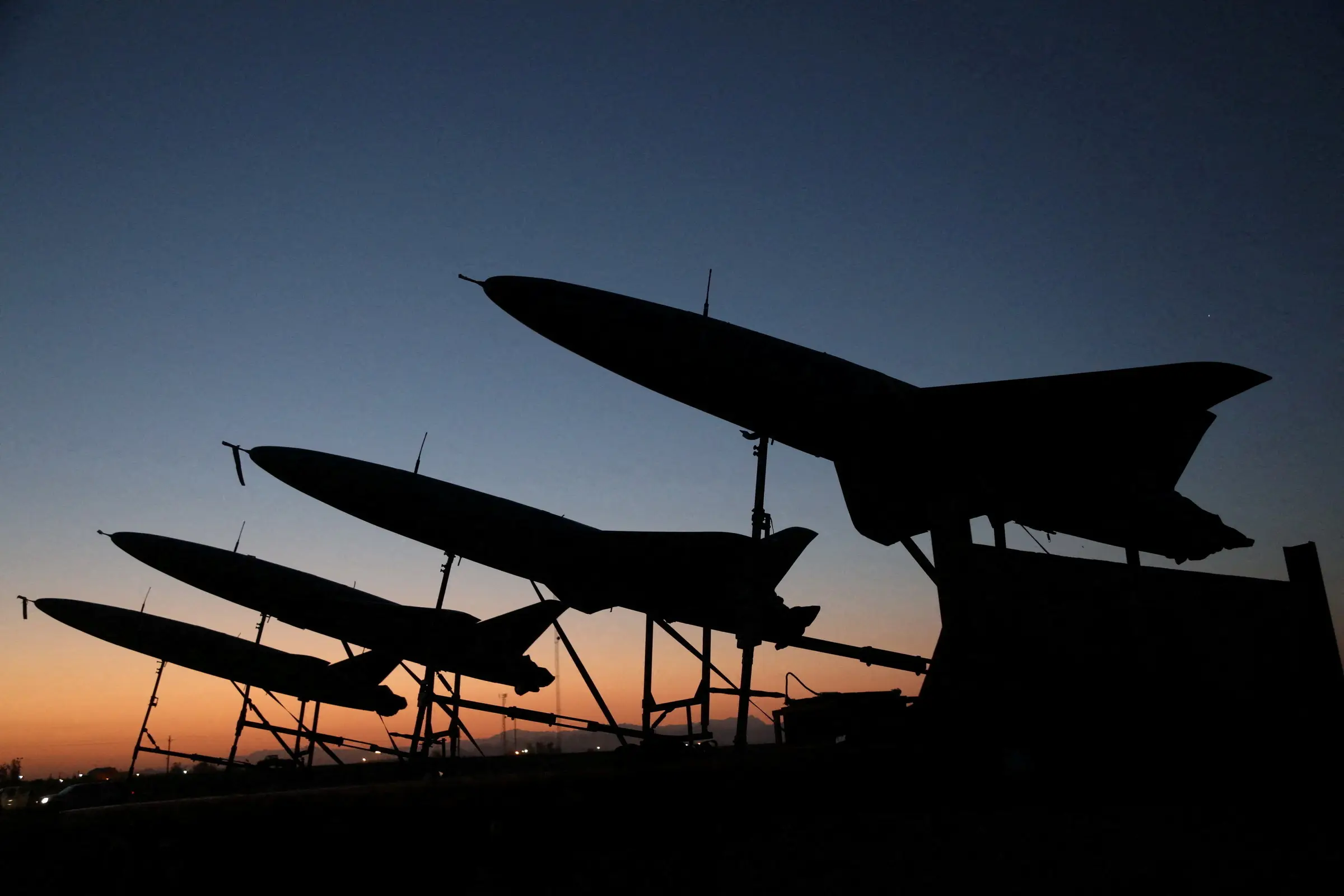
Now, the term is applied to a very different kind of weapon. Loitering munitions, often called suicide drones, are built to strike and not return. Unlike conventional drones, which are designed to complete multiple missions, these one-way systems hover near a target and attack only when the moment is right. While the method echoes the intention of kamikaze attacks, the cost is significantly lower—both in terms of money and human lives.
4 / 12
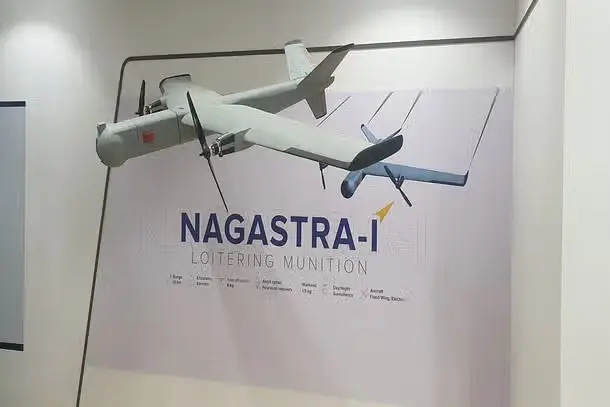
India used such loitering munitions during its strikes on May 7, 2025, as part of Operation Sindoor. These attacks were a direct response to the April 22 Pahalgam terror attack. Indian forces targeted multiple terror camps across Pakistan and Pakistan-occupied Kashmir using precision weapons, including loitering drones, which is a modern name for such weapons.
5 / 12
The drones allowed India to hit specific sites while avoiding the risks associated with manned air missions.
6 / 12
Despite the differences, the old term “kamikaze” continues to be used. It carries a clear message: these are weapons designed to not return. The historical connection may be distant, but the logic, maximum impact with a one-time-use system, remains a shared theme across generations of warfare.
7 / 12
The term “kamikaze” has found new relevance in modern warfare, specially in describing suicide drones or unmanned systems built to destroy targets by crashing into them. Though no humans are inside these drones, the historical weight of the word “kamikaze” ties back to World War II.
8 / 12
In 1944, during the Battle of Leyte Gulf, Japan introduced kamikaze pilots, a group of men tasked with flying their aircraft directly into Allied ships, ultimately committing suicide. The term itself, “kamikaze,” means “divine wind,” a reference to typhoons in the 13th century that thwarted Mongol invasions. The idea was later adapted by the Japanese military to symbolise sacrifice for national survival during desperate times.
9 / 12
Now, the term is applied to a very different kind of weapon. Loitering munitions, often called suicide drones, are built to strike and not return. Unlike conventional drones, which are designed to complete multiple missions, these one-way systems hover near a target and attack only when the moment is right. While the method echoes the intention of kamikaze attacks, the cost is significantly lower—both in terms of money and human lives.
10 / 12
India used such loitering munitions during its strikes on May 7, 2025, as part of Operation Sindoor. These attacks were a direct response to the April 22 Pahalgam terror attack. Indian forces targeted multiple terror camps across Pakistan and Pakistan-occupied Kashmir using precision weapons, including loitering drones, which is a modern name for such weapons.
11 / 12
The drones allowed India to hit specific sites while avoiding the risks associated with manned air missions.
12 / 12
Despite the differences, the old term “kamikaze” continues to be used. It carries a clear message: these are weapons designed to not return. The historical connection may be distant, but the logic, maximum impact with a one-time-use system, remains a shared theme across generations of warfare.
)
)
)
)
)