Operation Sindoor: Which Indian bases are home to Rafale fighter jets?

Authored By Tarun Mishra
Published: May 15, 2025, 11:24 IST | Updated: May 15, 2025, 11:24 IST
India has raised two operational Rafale squadrons—No. 17 ‘Golden Arrows’ based in Ambala, Haryana, and No. 101 ‘Falcons’ based in Hasimara, West Bengal. This east-west deployment reflects India's need to counter both Pakistan and China simultaneously.
1 / 16
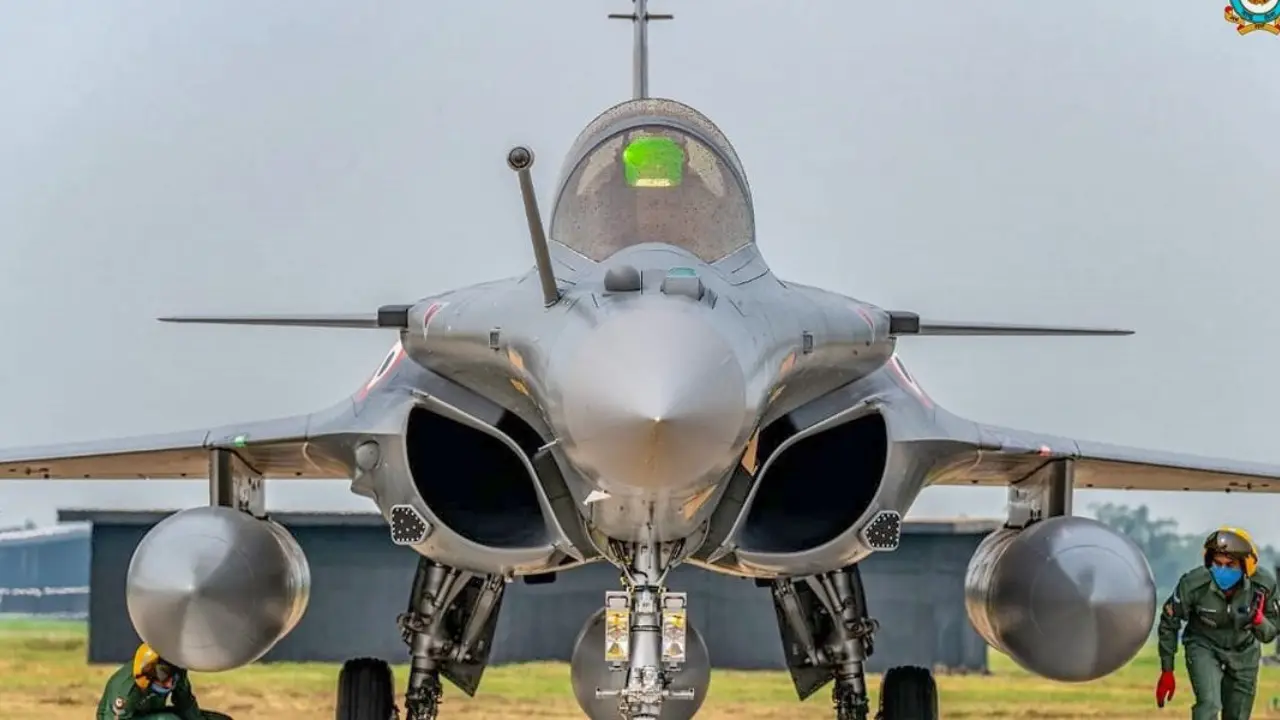
Rafale fighter jets
India’s Rafale fighter jets have become a cornerstone of the Indian Air Force’s modern combat capability. With all 36 aircraft from France now delivered, here’s how the IAF has deployed them across the country and what strategic roles they serve.
2 / 16
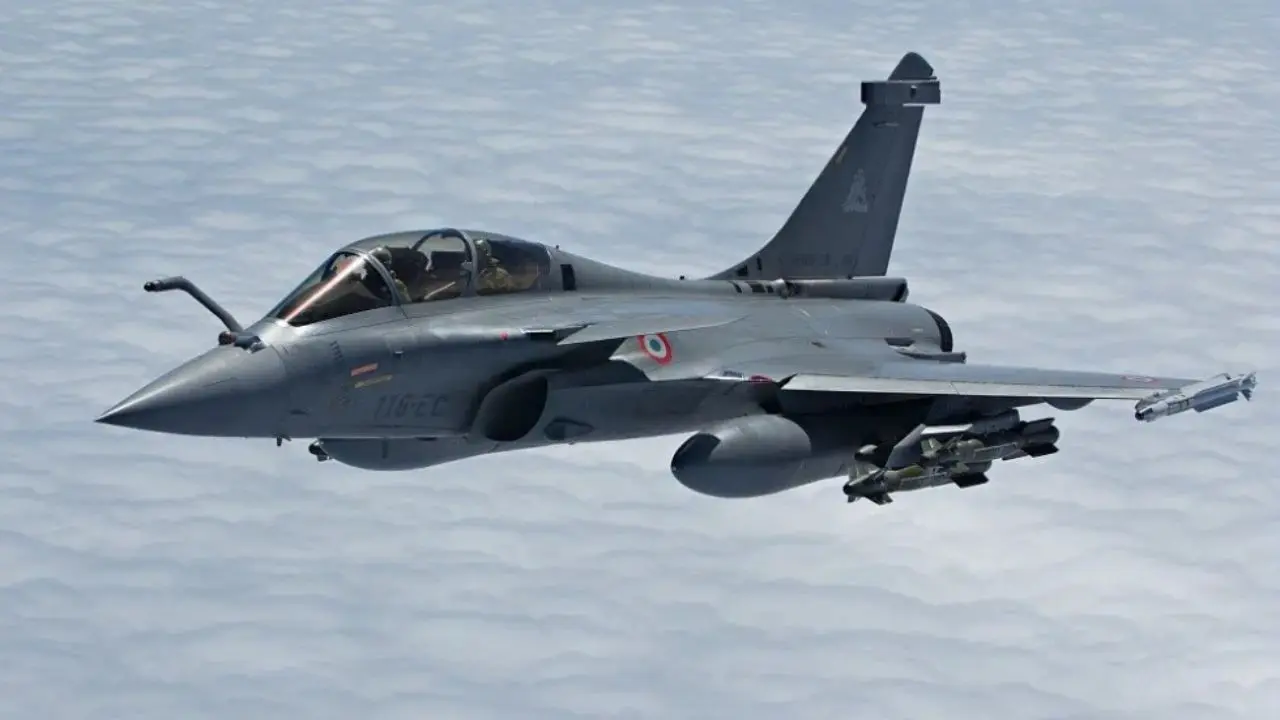
Two Squadrons, Two Fronts
India has raised two operational Rafale squadrons—No. 17 ‘Golden Arrows’ based in Ambala, Haryana, and No. 101 ‘Falcons’ based in Hasimara, West Bengal. This east-west deployment reflects India's need to counter both Pakistan and China simultaneously.
3 / 16
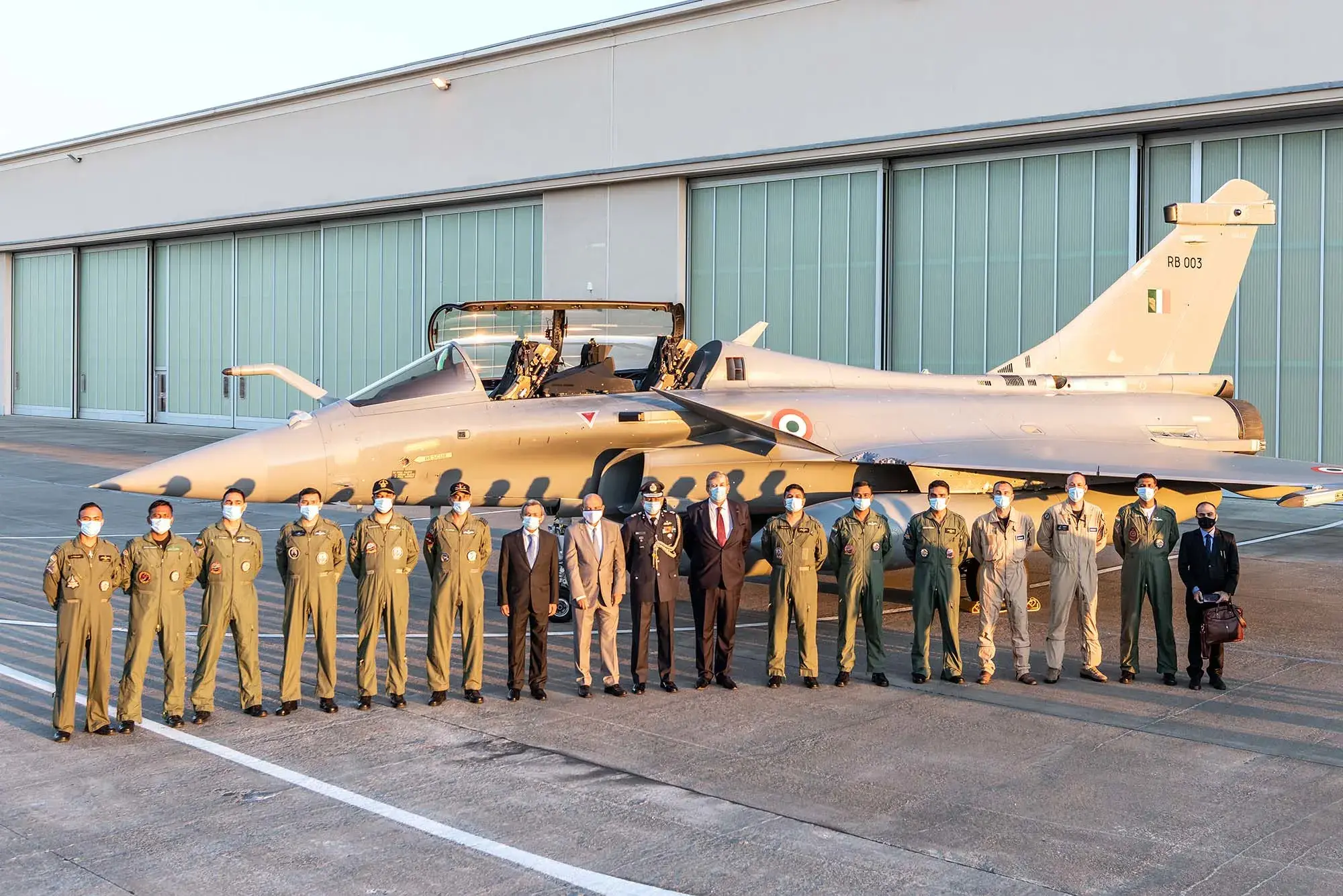
Ambala AFS: Defending the Western Sector
Located just 220 km from the Pakistan border, Ambala is home to the first Rafale squadron. It is tasked with securing Jammu & Kashmir, Punjab, Haryana, and parts of Rajasthan. Its proximity to the western theatre allows for quick deployment in case of a conflict with Pakistan.
4 / 16
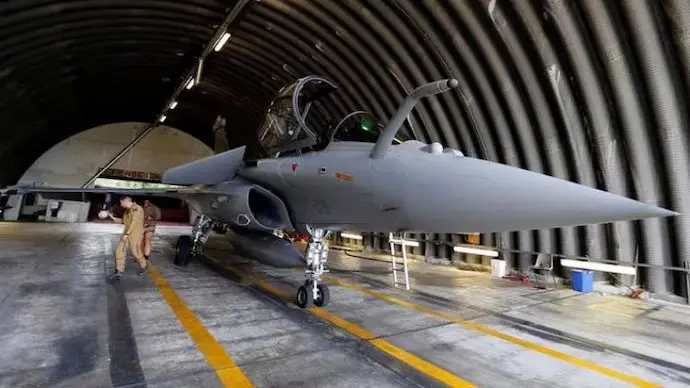
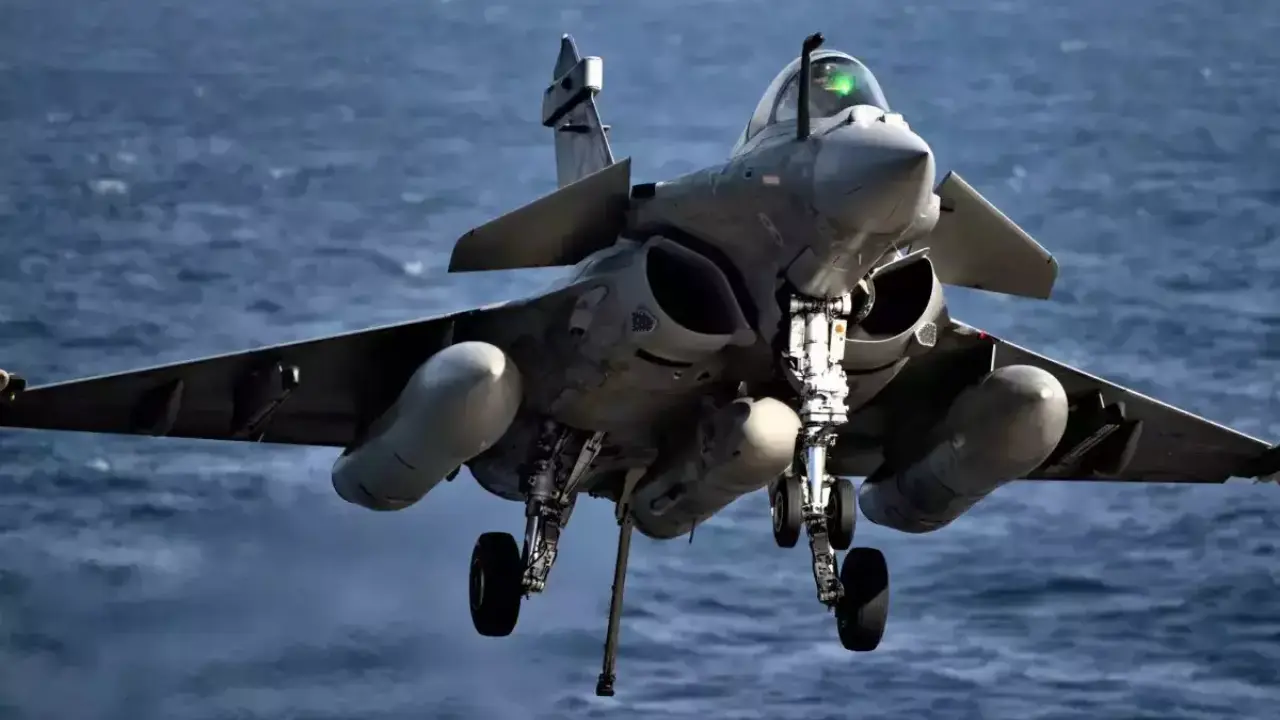
Hasimara AFS: Eye on China
Strategically located near the Siliguri Corridor, Hasimara Air Force Station serves as a vital launchpad for defending India’s northeast. This squadron covers potential flashpoints in Sikkim, Arunachal Pradesh, and monitors Chinese activities along the LAC.
5 / 16
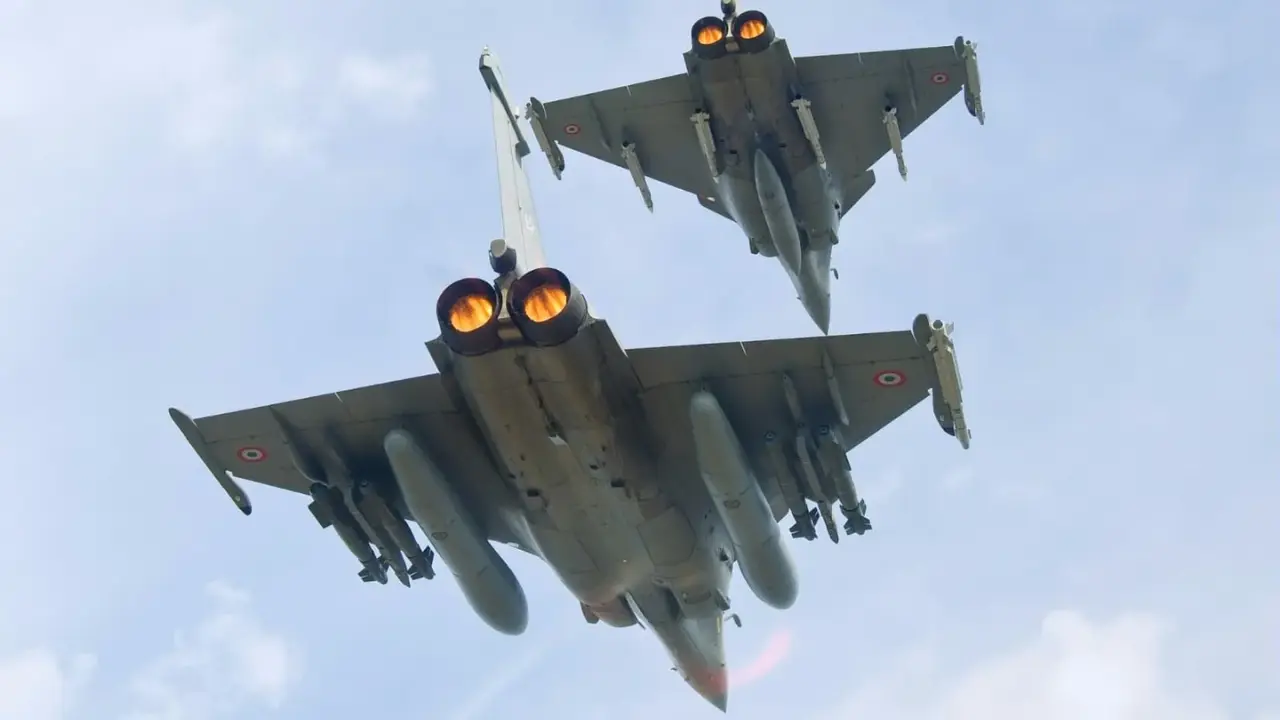
Enhanced Strike Capability
Equipped with Meteor (air-to-air), Scalp (air-to-ground), MICA, and HAMMER bombs, Rafales offer India the ability to strike deep into enemy territory with precision. This bolsters deterrence and boosts India’s retaliatory strike potential.
6 / 16
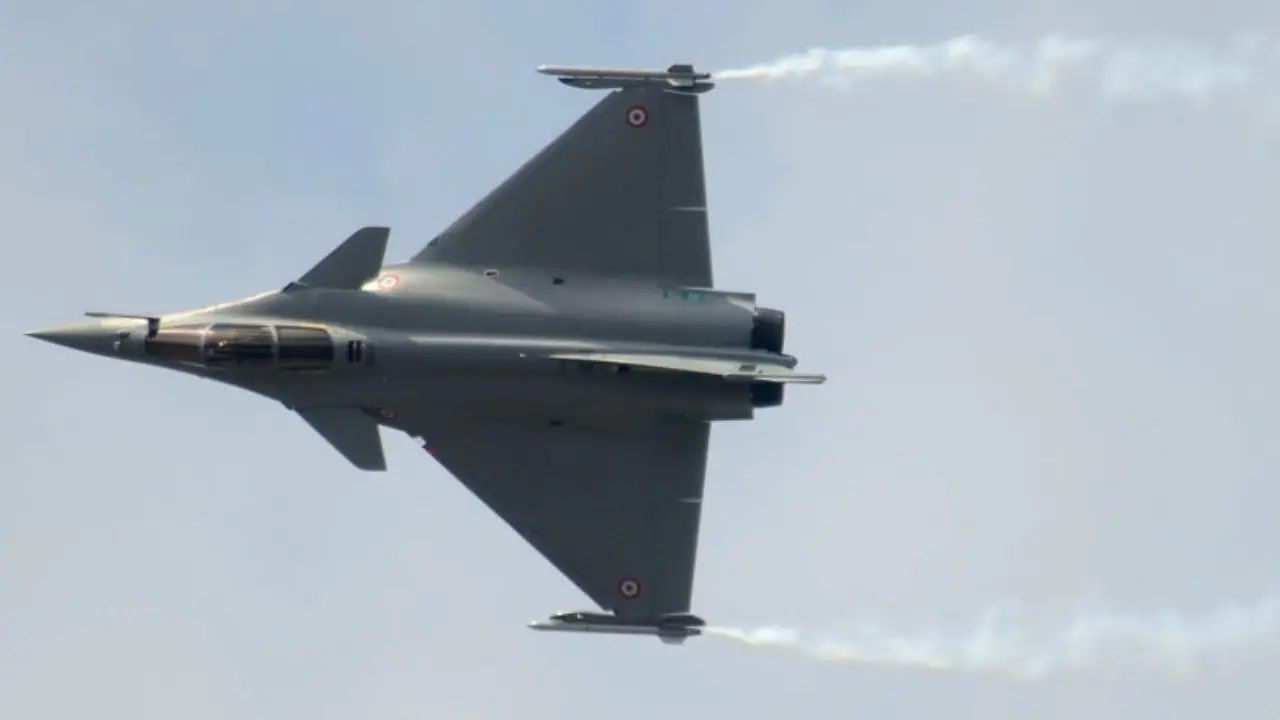
Prepared for Nuclear Delivery
The Rafale is also certified to carry nuclear payloads, making it an essential part of India’s second-strike capability under its nuclear doctrine. With aerial refueling and stealth features, it adds depth to India's strategic posture.
7 / 16
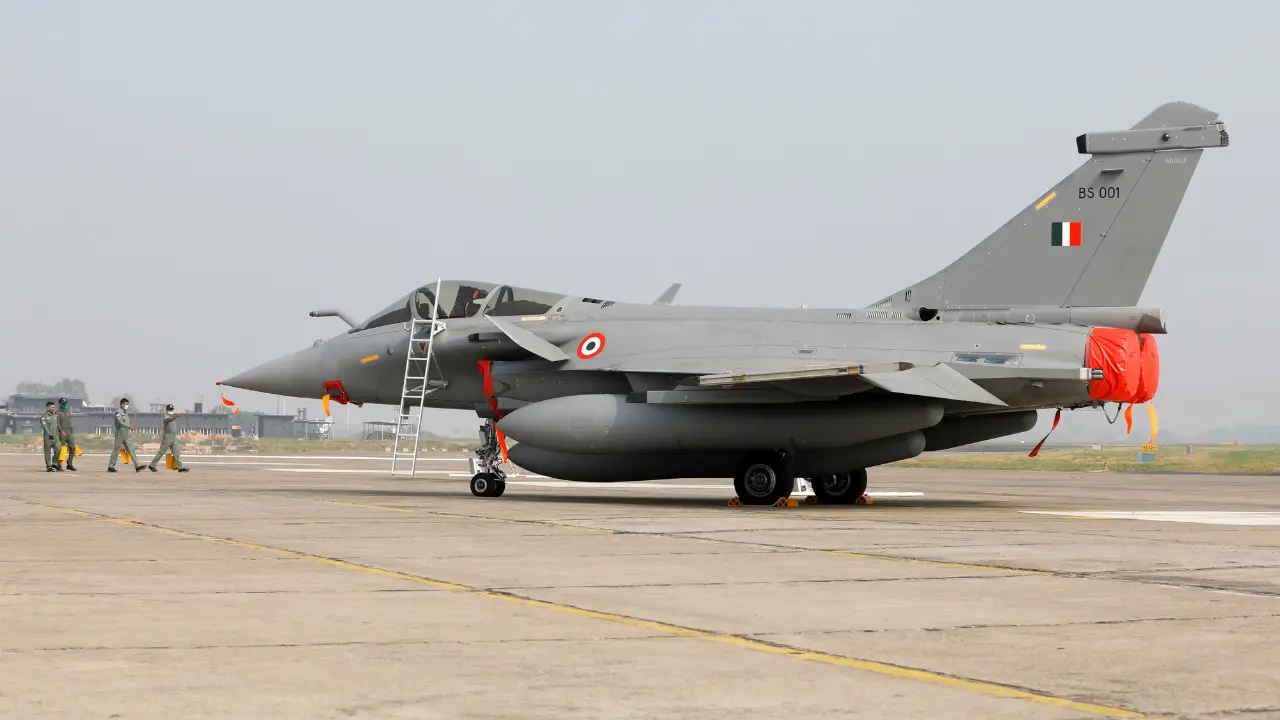
Network-Centric Warfare Ready
Rafales are integrated with India’s indigenous command-and-control systems, AWACS (Airborne Warning and Control Systems), and satellites. This makes them a crucial player in multi-platform coordinated attacks, surveillance, and real-time decision-making.
8 / 16
A New Era in Indian Air Defence
The deployment of Rafales marks a shift in India’s air combat strategy—from reactive defense to proactive deterrence. With both squadrons now fully operational, India is better equipped to handle two-front conflicts and maintain regional air superiority.
9 / 16
Rafale fighter jets
India’s Rafale fighter jets have become a cornerstone of the Indian Air Force’s modern combat capability. With all 36 aircraft from France now delivered, here’s how the IAF has deployed them across the country and what strategic roles they serve.
10 / 16
Two Squadrons, Two Fronts
India has raised two operational Rafale squadrons—No. 17 ‘Golden Arrows’ based in Ambala, Haryana, and No. 101 ‘Falcons’ based in Hasimara, West Bengal. This east-west deployment reflects India's need to counter both Pakistan and China simultaneously.
11 / 16
Ambala AFS: Defending the Western Sector
Located just 220 km from the Pakistan border, Ambala is home to the first Rafale squadron. It is tasked with securing Jammu & Kashmir, Punjab, Haryana, and parts of Rajasthan. Its proximity to the western theatre allows for quick deployment in case of a conflict with Pakistan.
12 / 16
Hasimara AFS: Eye on China
Strategically located near the Siliguri Corridor, Hasimara Air Force Station serves as a vital launchpad for defending India’s northeast. This squadron covers potential flashpoints in Sikkim, Arunachal Pradesh, and monitors Chinese activities along the LAC.
13 / 16
Enhanced Strike Capability
Equipped with Meteor (air-to-air), Scalp (air-to-ground), MICA, and HAMMER bombs, Rafales offer India the ability to strike deep into enemy territory with precision. This bolsters deterrence and boosts India’s retaliatory strike potential.
14 / 16
Prepared for Nuclear Delivery
The Rafale is also certified to carry nuclear payloads, making it an essential part of India’s second-strike capability under its nuclear doctrine. With aerial refueling and stealth features, it adds depth to India's strategic posture.
15 / 16
Network-Centric Warfare Ready
Rafales are integrated with India’s indigenous command-and-control systems, AWACS (Airborne Warning and Control Systems), and satellites. This makes them a crucial player in multi-platform coordinated attacks, surveillance, and real-time decision-making.
16 / 16
A New Era in Indian Air Defence
The deployment of Rafales marks a shift in India’s air combat strategy—from reactive defense to proactive deterrence. With both squadrons now fully operational, India is better equipped to handle two-front conflicts and maintain regional air superiority.
)
)
)
)
)