Operation Sindoor: Top 7 amazing facts about Dassault's Rafale fighter jets

Edited By Abhinav Yadav
Published: May 20, 2025, 17:46 IST | Updated: May 20, 2025, 17:46 IST
Dassault’s Rafale fighter jets led India’s air strikes in Operation Sindoor. Armed with advanced missiles and bombs, these French-made jets hit nine terror camps in Pakistan and PoK, showing India’s air power at its best
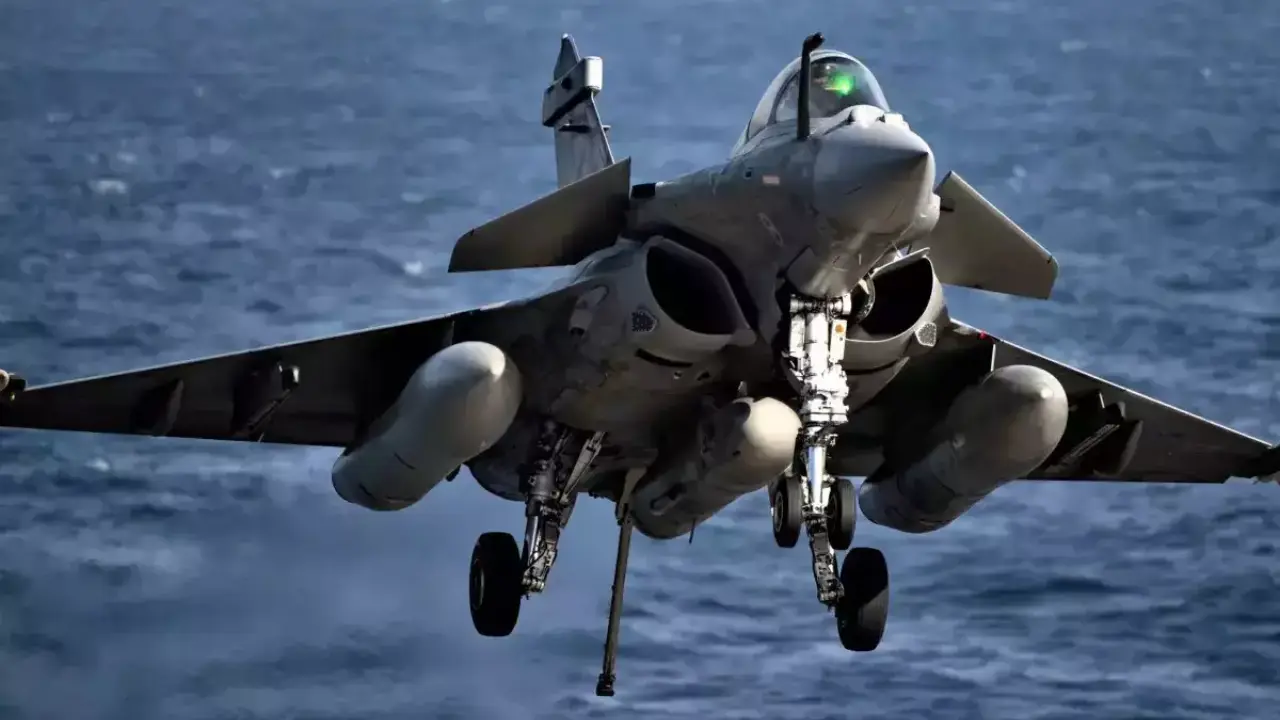
1 / 6
(Photograph: IAF)
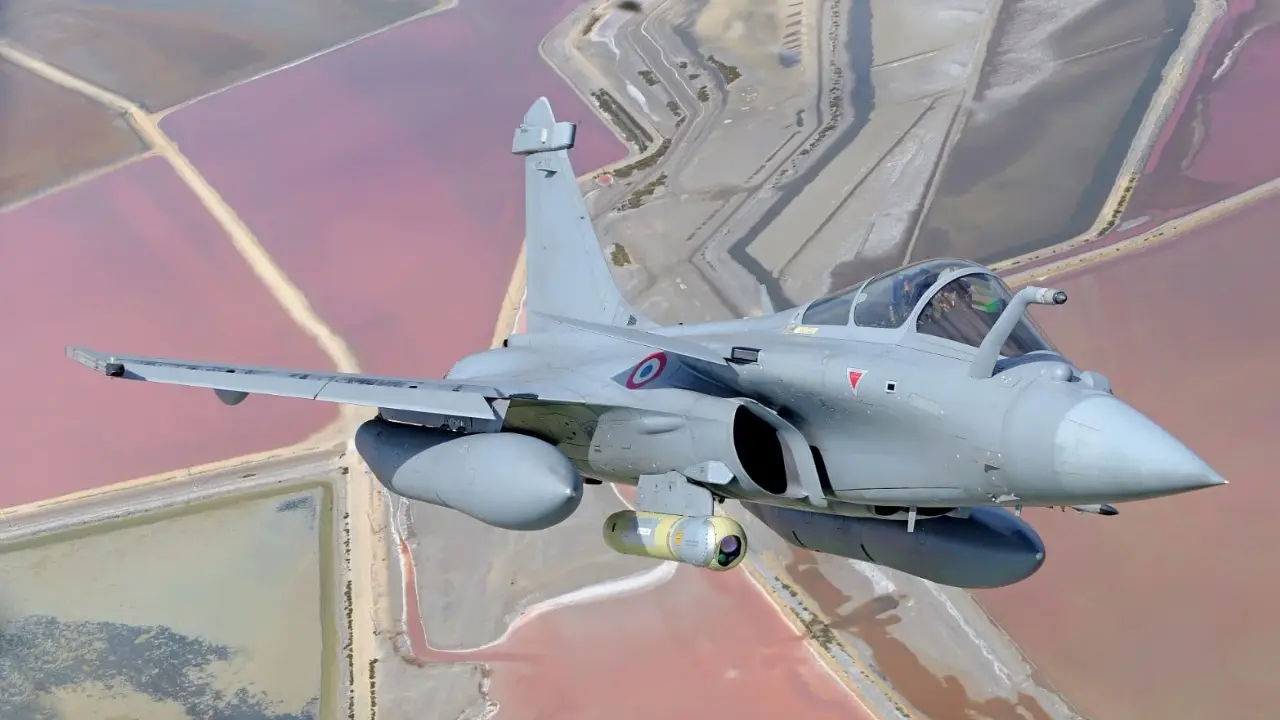
Dassault’s Rafale
Dassault’s Rafale fighter jets led India’s air strikes in Operation Sindoor. Armed with advanced missiles and bombs, these French-made jets hit nine terror camps in Pakistan and PoK, showing India’s air power at its best.
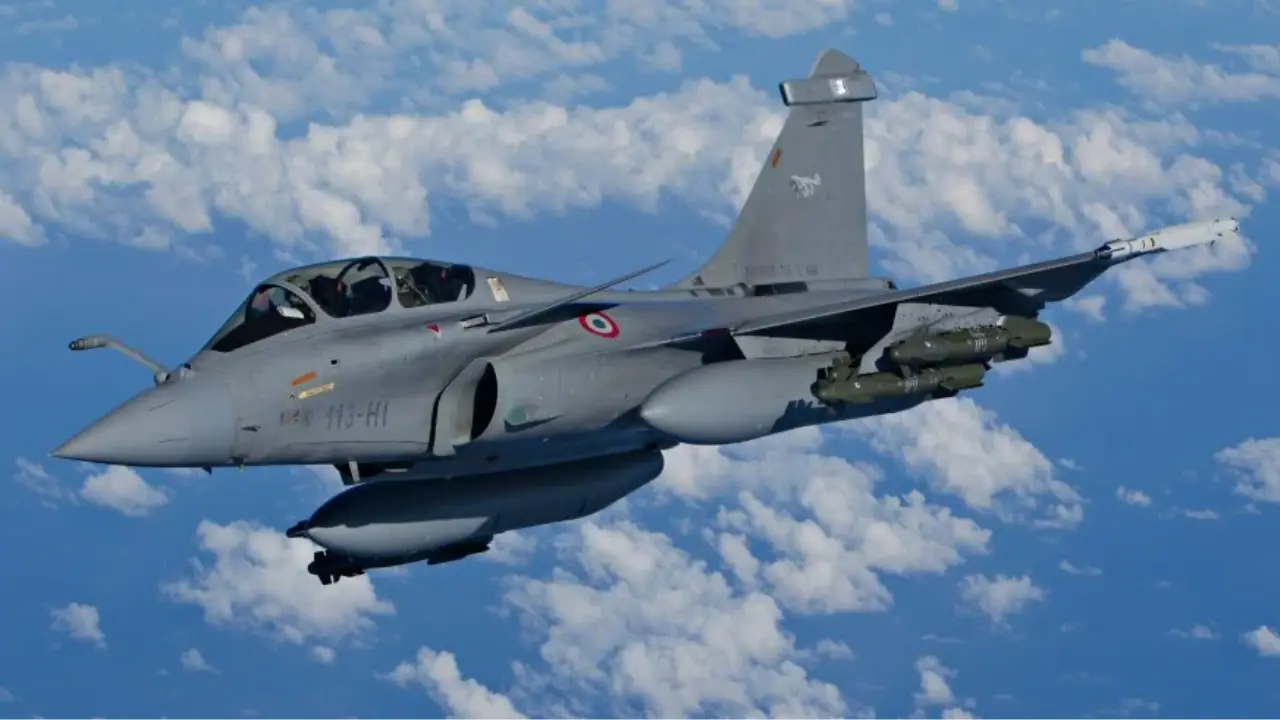
2 / 6
(Photograph: IAF)
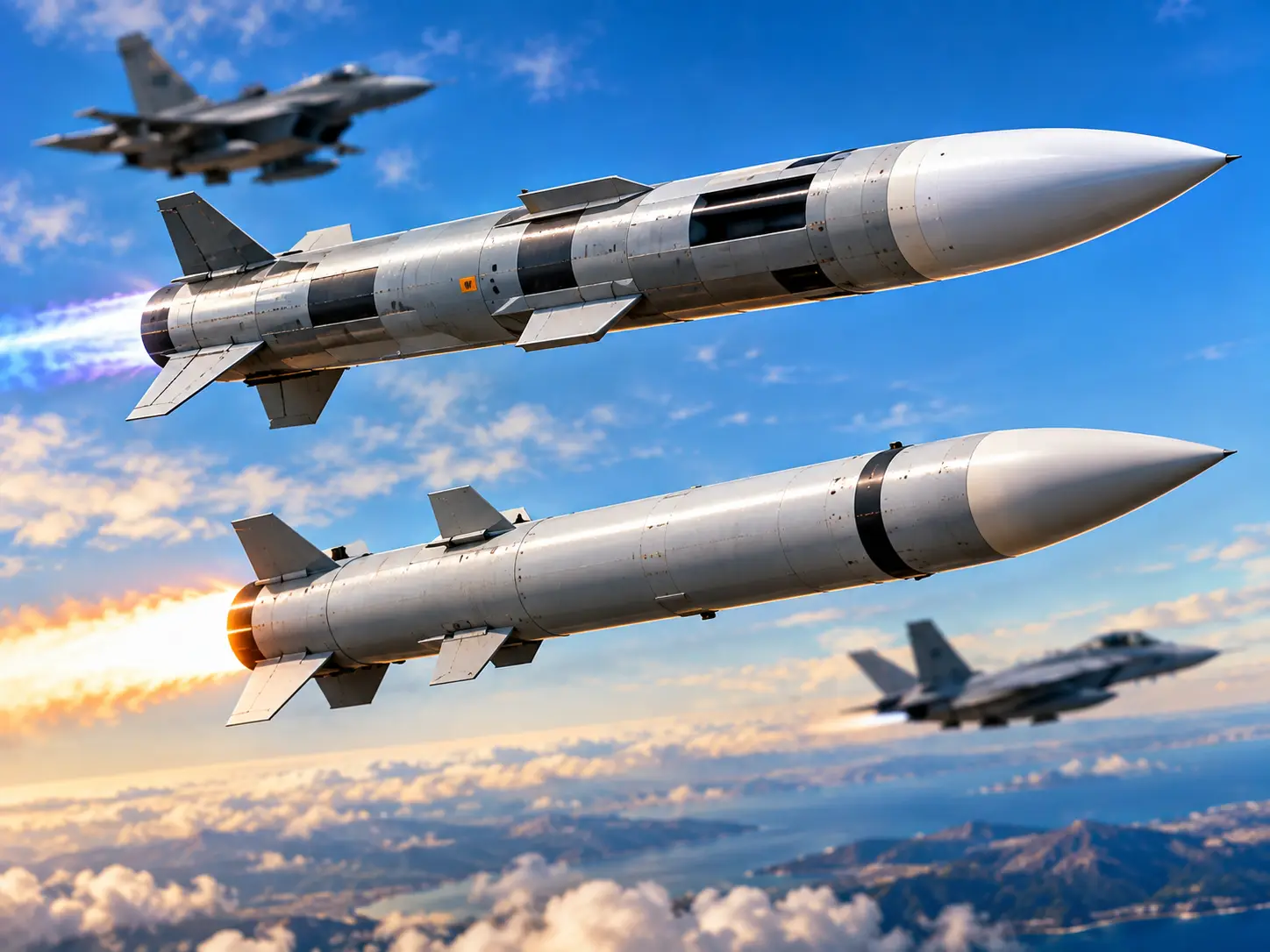
Cruise missiles
Rafale jets used SCALP cruise missiles and HAMMER precision-guided bombs to destroy high-value terror targets. These weapons allowed India to strike deep inside Pakistan without crossing the border.
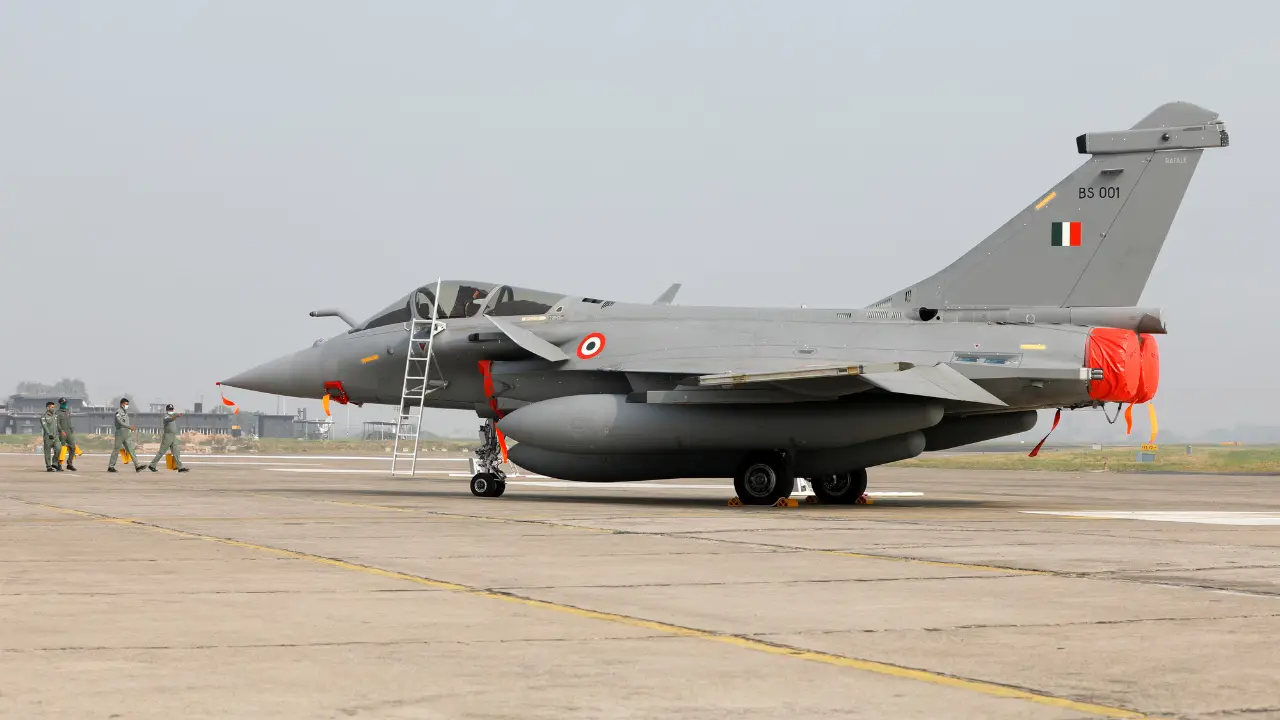
3 / 6
(Photograph: IAF)
Multi-Role Mastery
Rafale is a true multi-role jet. It can perform air superiority, ground attack, reconnaissance, and strike missions. This flexibility made it the perfect choice for Operation Sindoor’s complex and coordinated attacks.
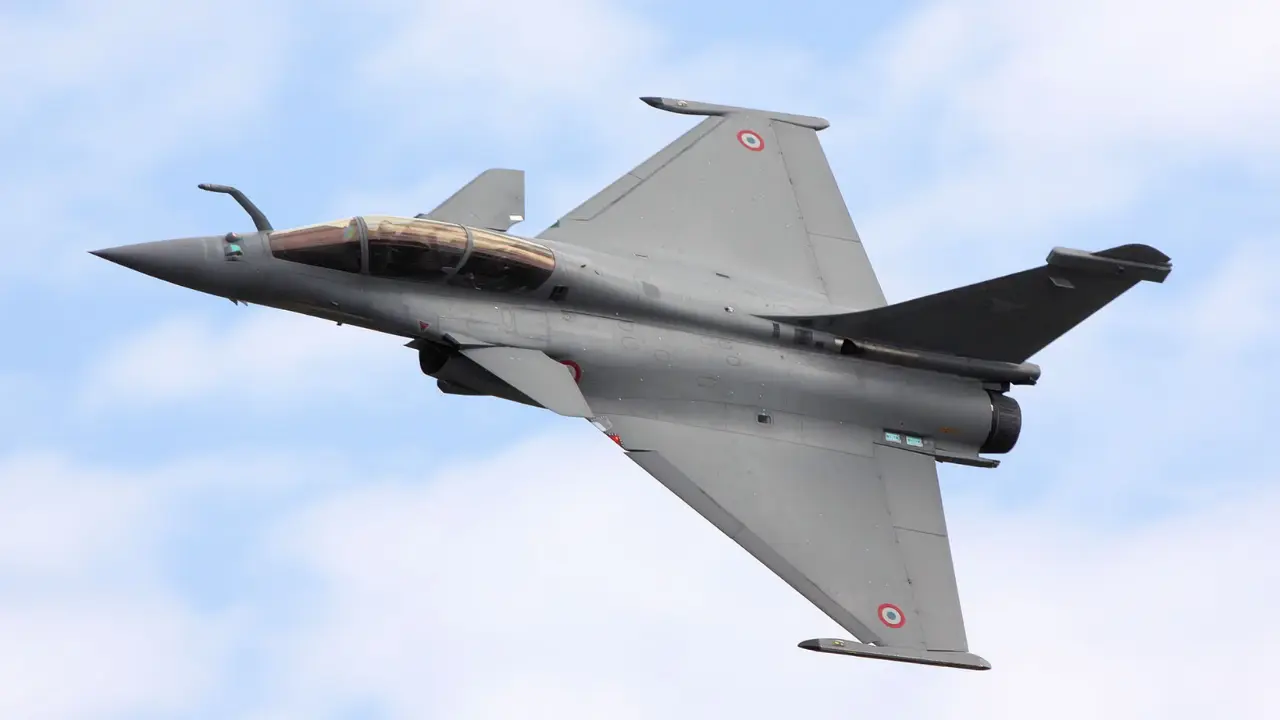
4 / 6
(Photograph: IAF)
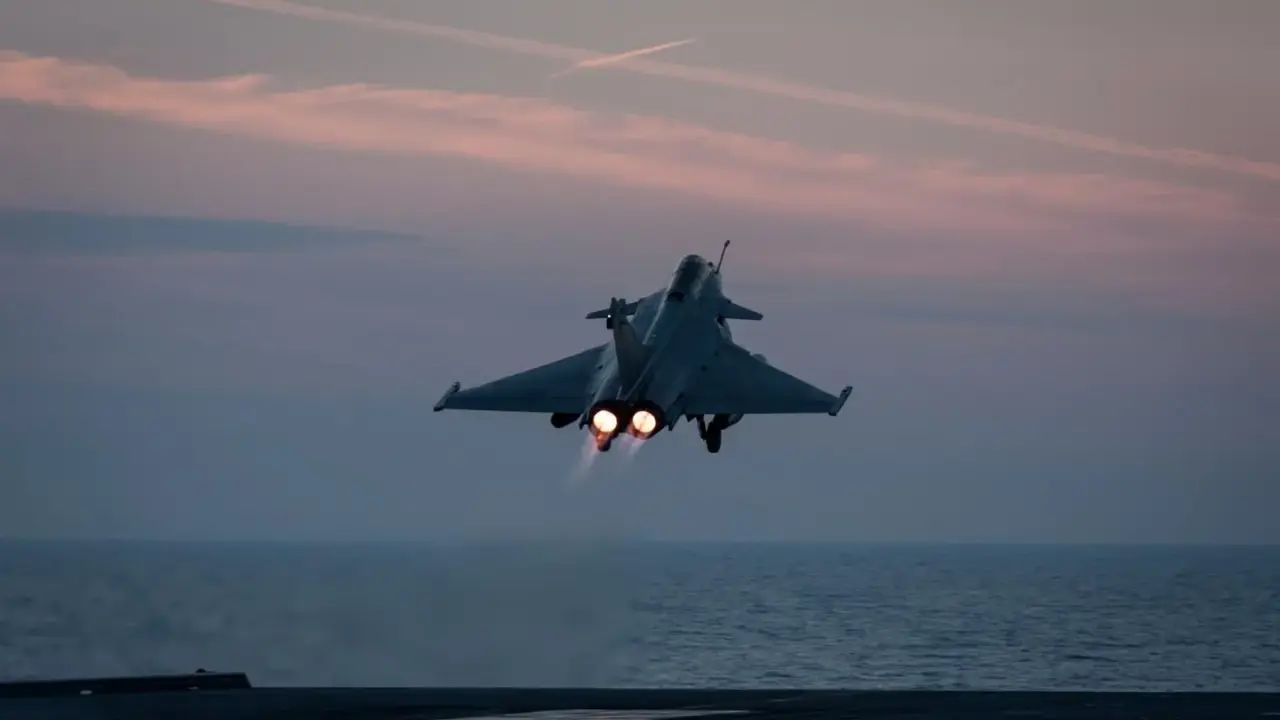
Stealth and Advanced Technology
Rafale jets feature stealth technology, reduced radar signature, and advanced sensors. The jets’ AESA radar and SPECTRA electronic warfare system help them dodge enemy missiles and track multiple targets at once.
5 / 6
Combat-Proven and Reliable
Rafale has a strong combat record, proving its worth in real battles. In Operation Sindoor, all Indian pilots returned safely, and the jets completed their missions with precision. Indian officials called the operation a “thumping success”.
6 / 6
(Photograph: IAF)
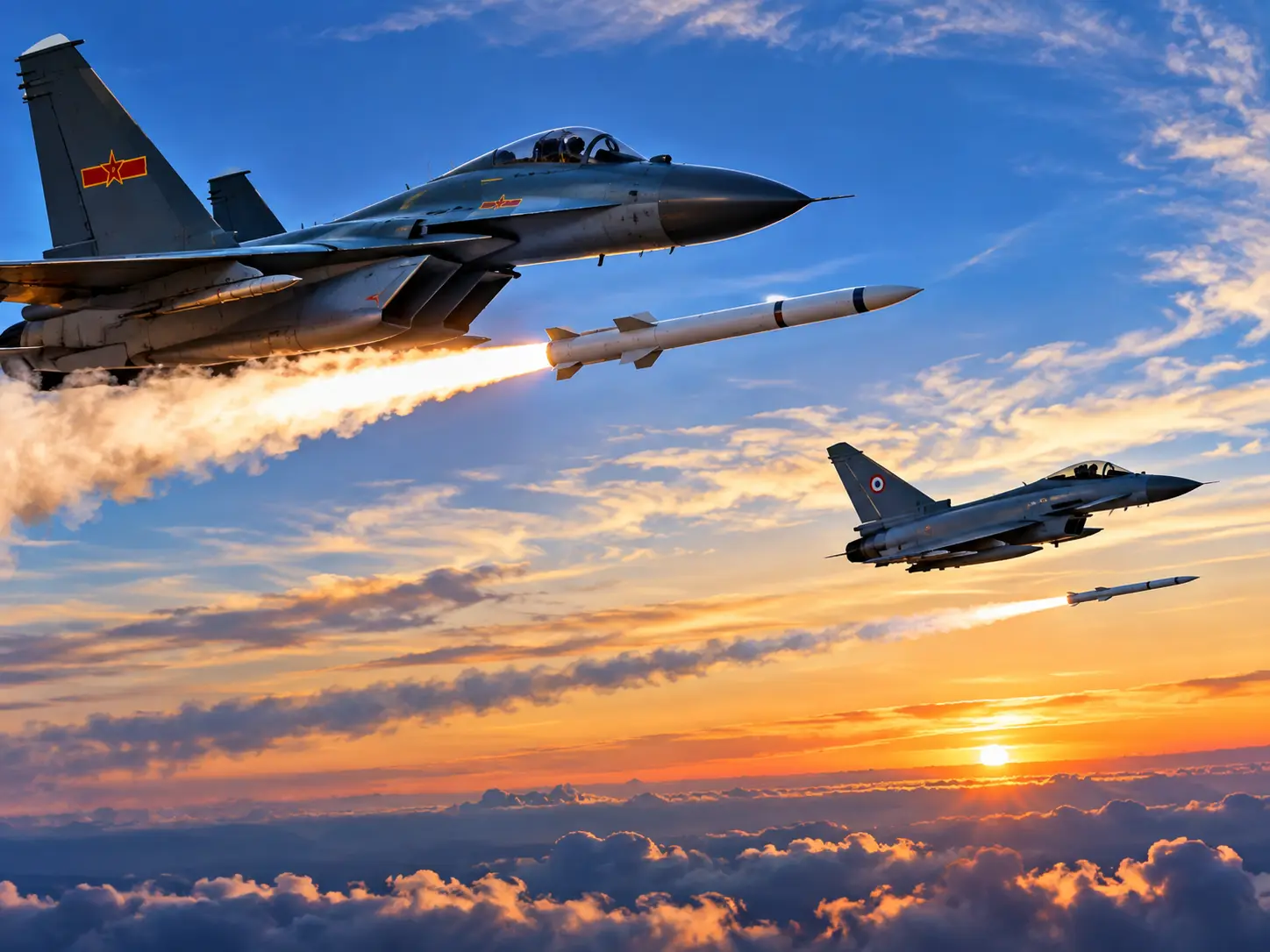
India’s Rafale Edge Over F-16s
During Operation Sindoor, Rafale jets faced Pakistan’s F-16s. Rafale’s advanced missiles, longer range, and superior tech gave India a clear advantage. The operation showed why Rafale is now the backbone of India’s air power.
)
)
)
)
)