Operation Sindoor: Top 5 sensors behind Rafale jet’s cutting-edge performance

Authored By Abhinav Yadav
Published: May 12, 2025, 12:13 IST | Updated: May 12, 2025, 12:13 IST
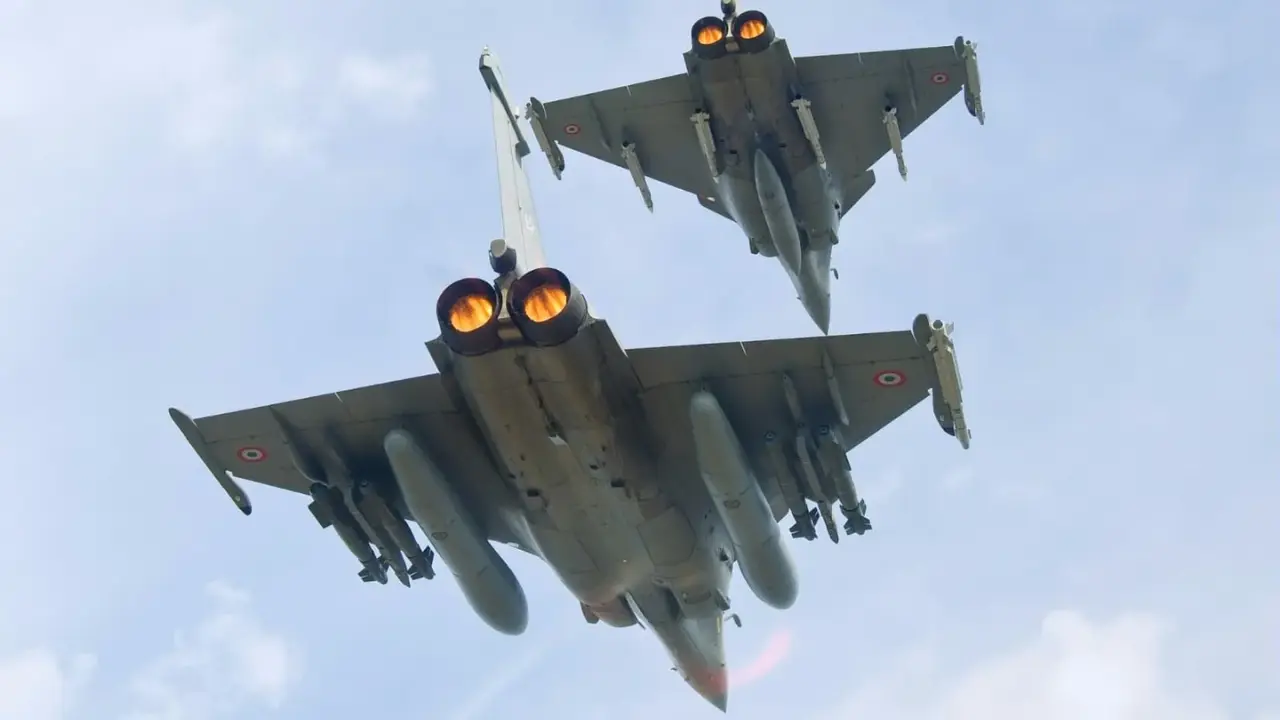
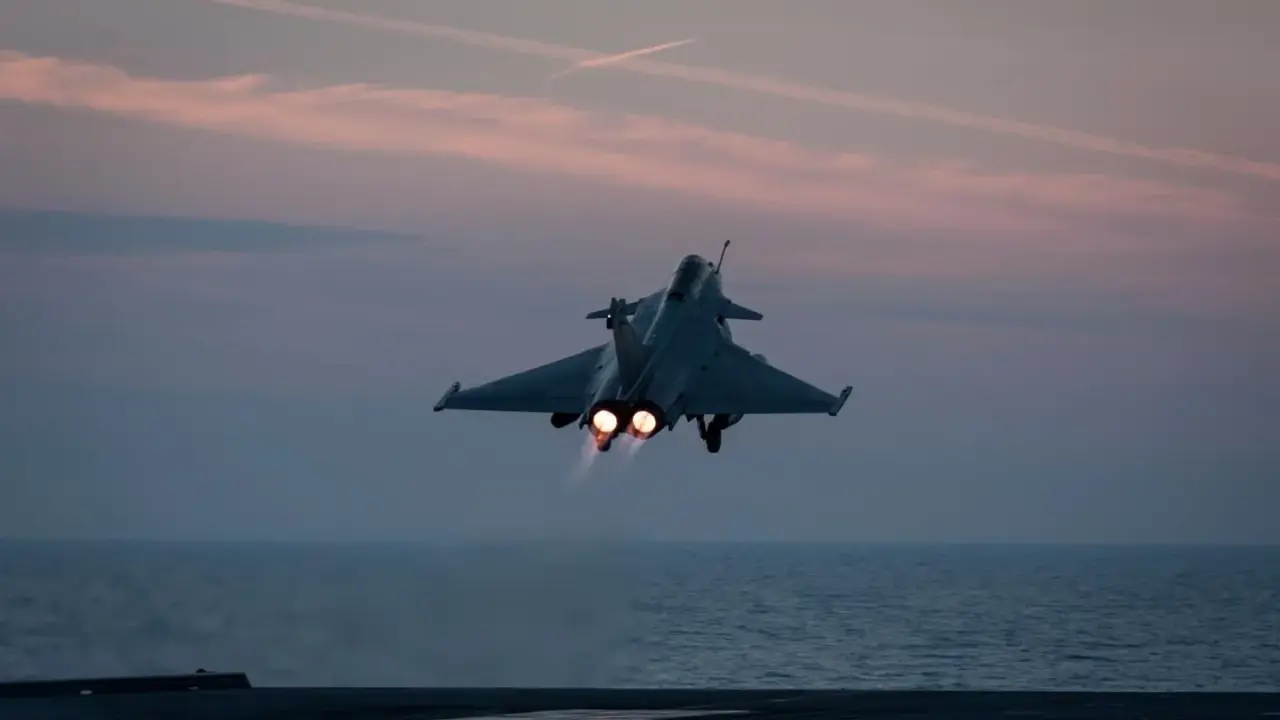
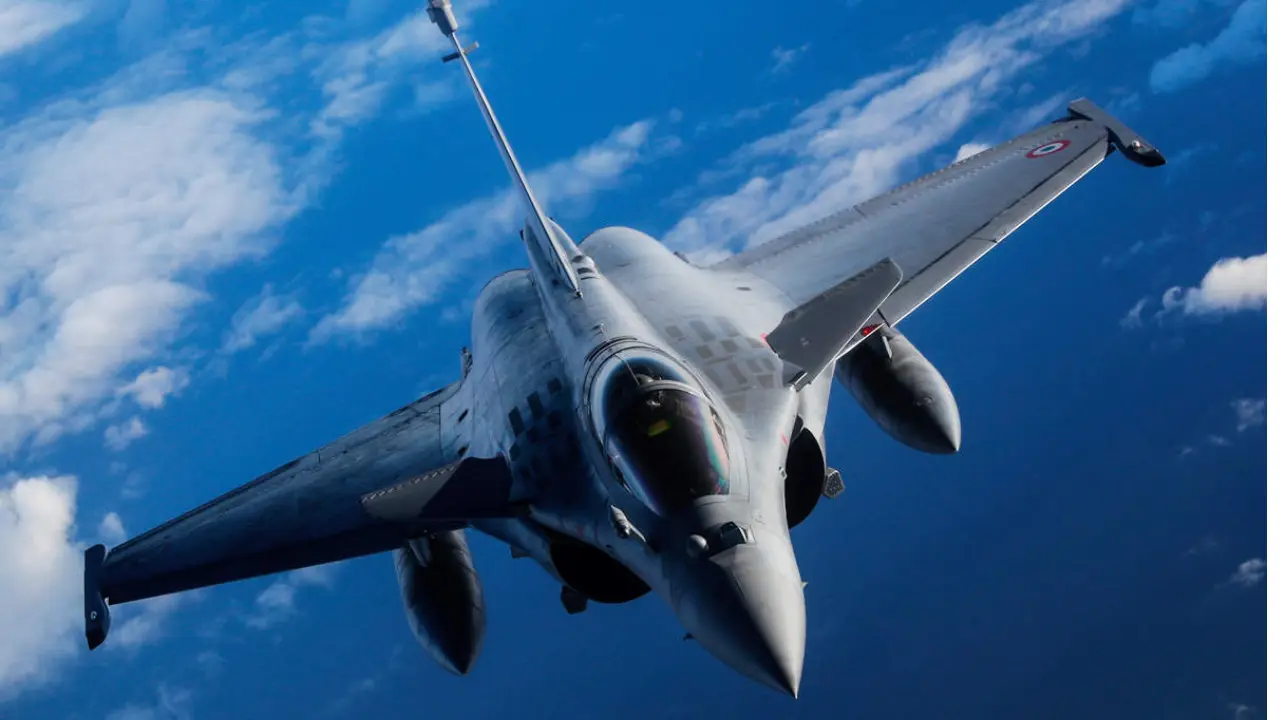
The Rafale fighter jet is loaded with advanced sensors that give it a huge advantage during missions like Operation Sindoor. These sensors help pilots detect threats, target enemies, and survive in high-risk zones. Let’s look at 5 key sensors onboard.
1 / 12
Rafale
The Rafale fighter jet is loaded with advanced sensors that give it a huge advantage during missions like Operation Sindoor. These sensors help pilots detect threats, target enemies and survive in high-risk zones. Let’s look at 5 key sensors onboard.
2 / 12
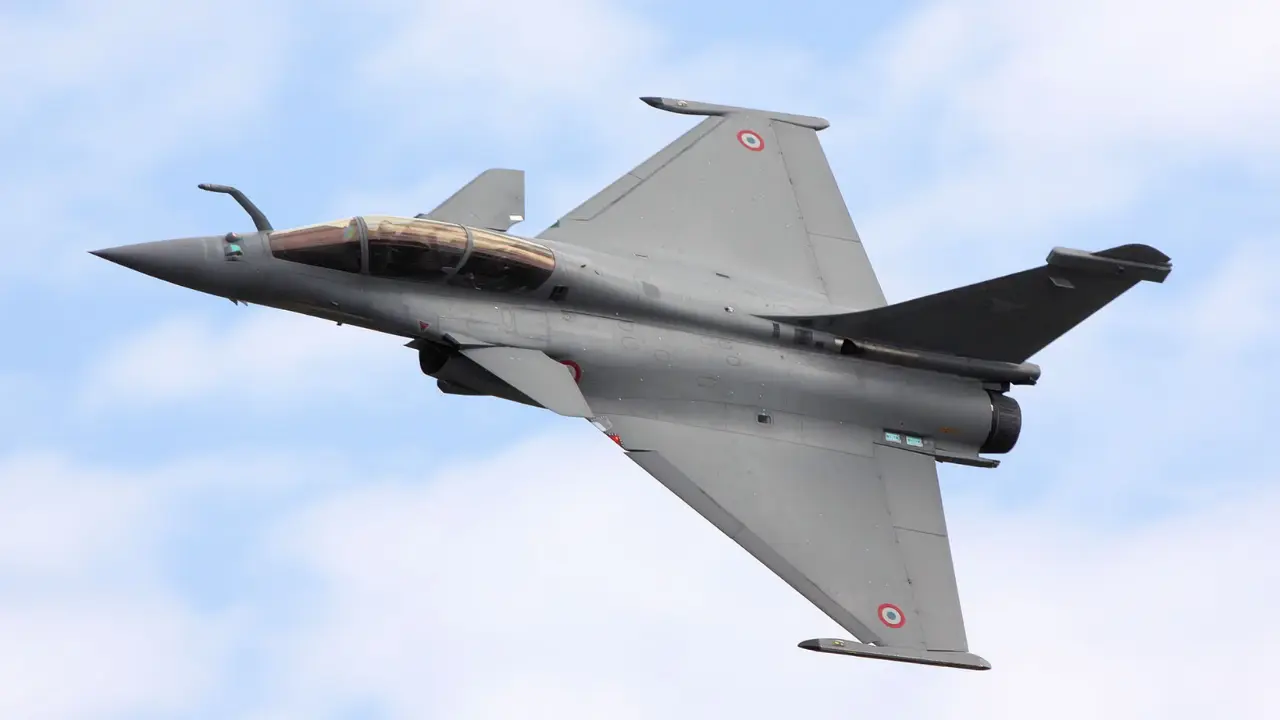
RBE2 AESA Radar – Eyes that never blink
The RBE2 radar uses electronic scanning to track targets in all directions. It can detect jets, drones, and ships, even in bad weather or electronic jamming. It also helps map terrain and guide long-range missiles like the meteor.
3 / 12
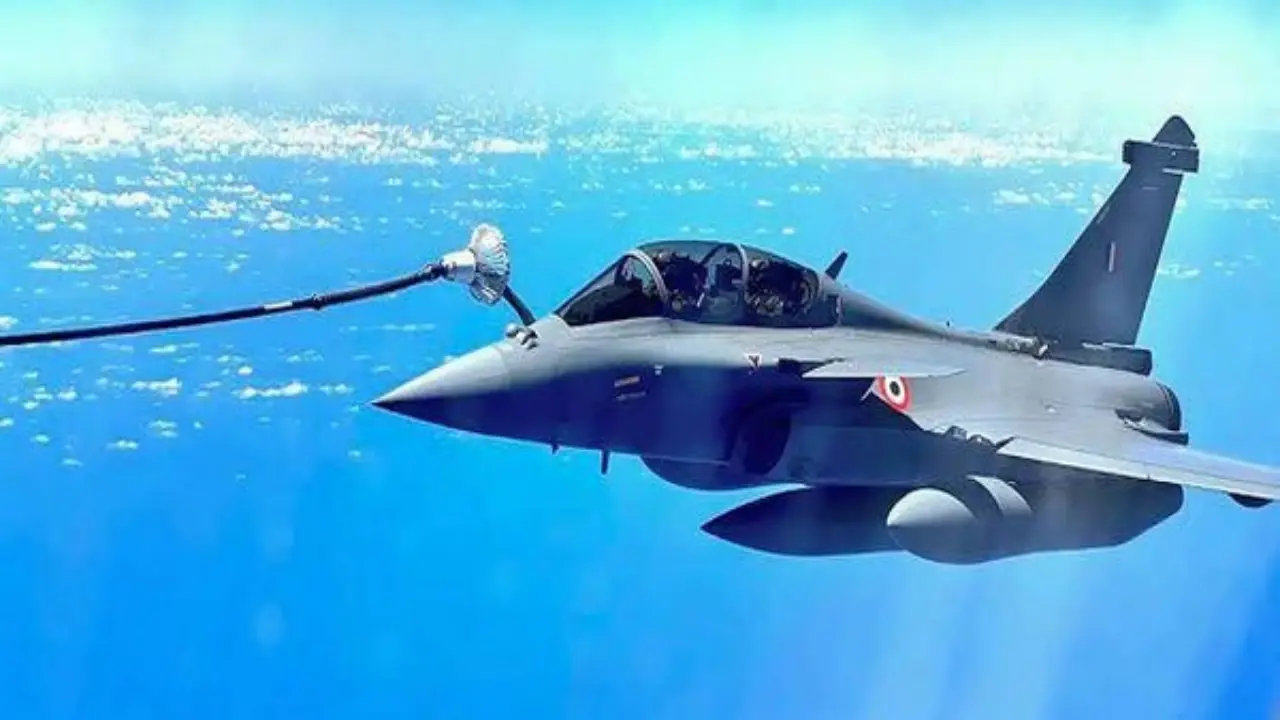
FSO – Sees what radars can’t
The Front Sector Optronics system detects targets using infrared and laser. It works without sending any signals, so enemies can’t trace it. It spots hidden or stealthy threats from long distances, day or night, in any weather.
4 / 12
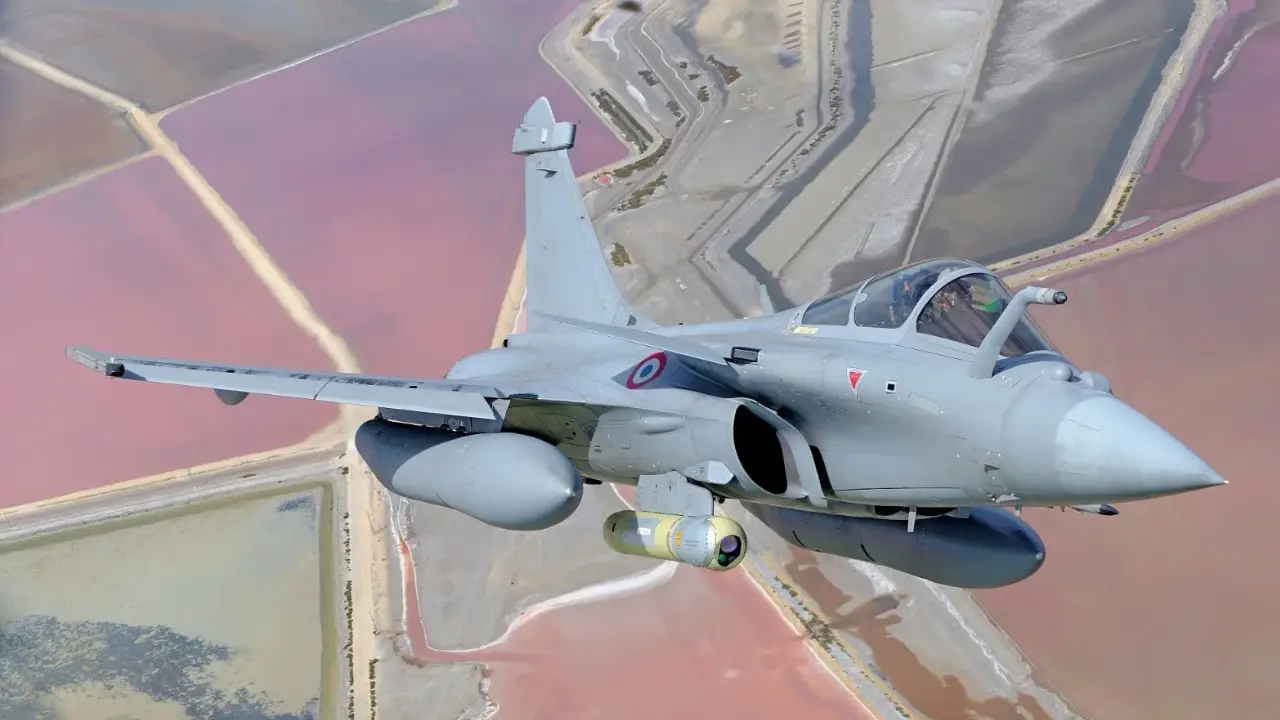
SPECTRA
SPECTRA is Rafale’s internal electronic warfare system. It alerts the pilot about incoming missiles or radar locks and can jam enemy systems or launch decoys. It gives Rafale the power to dodge threats or strike back with precision.
5 / 12
TALIOS pod
The TALIOS pod allows day and night surveillance and laser-targeting from high above. It helps drop bombs and missiles with pinpoint accuracy. It also supports reconnaissance missions to collect images and identify enemy positions.
6 / 12
Helmet display
The SCORPION helmet projects data directly onto the pilot’s visor. It shows enemy positions, speeds up targeting and works with night vision. Wherever the pilot looks, the weapons follow giving Rafale unmatched strike speed and awareness.
7 / 12
Rafale
The Rafale fighter jet is loaded with advanced sensors that give it a huge advantage during missions like Operation Sindoor. These sensors help pilots detect threats, target enemies and survive in high-risk zones. Let’s look at 5 key sensors onboard.
8 / 12
RBE2 AESA Radar – Eyes that never blink
The RBE2 radar uses electronic scanning to track targets in all directions. It can detect jets, drones, and ships, even in bad weather or electronic jamming. It also helps map terrain and guide long-range missiles like the meteor.
9 / 12
FSO – Sees what radars can’t
The Front Sector Optronics system detects targets using infrared and laser. It works without sending any signals, so enemies can’t trace it. It spots hidden or stealthy threats from long distances, day or night, in any weather.
10 / 12
SPECTRA
SPECTRA is Rafale’s internal electronic warfare system. It alerts the pilot about incoming missiles or radar locks and can jam enemy systems or launch decoys. It gives Rafale the power to dodge threats or strike back with precision.
11 / 12
TALIOS pod
The TALIOS pod allows day and night surveillance and laser-targeting from high above. It helps drop bombs and missiles with pinpoint accuracy. It also supports reconnaissance missions to collect images and identify enemy positions.
12 / 12
Helmet display
The SCORPION helmet projects data directly onto the pilot’s visor. It shows enemy positions, speeds up targeting and works with night vision. Wherever the pilot looks, the weapons follow giving Rafale unmatched strike speed and awareness.
)
)
)
)
)