Operation Sindoor: How the Mirage 2000’s flaws helped Dassault build the Rafale fighter jet

Authored By Tarun Mishra
Published: May 12, 2025, 11:35 IST | Updated: May 12, 2025, 11:35 IST
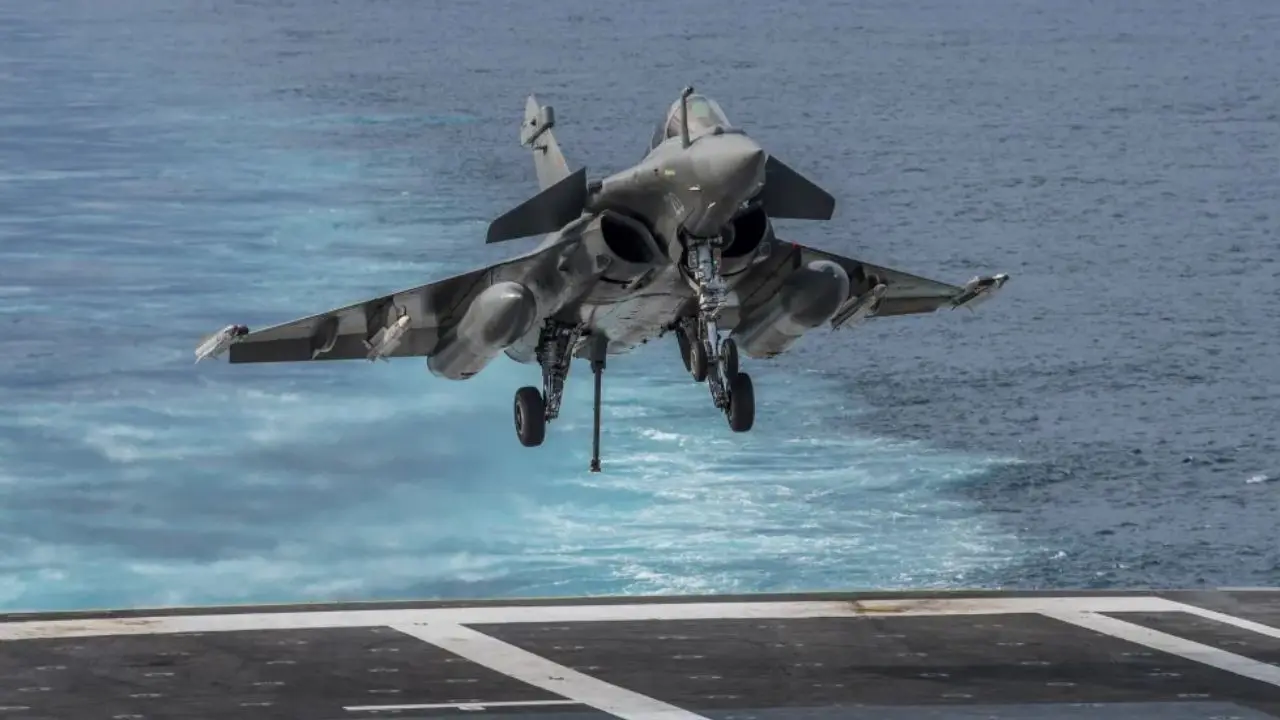
One of the primary lessons from the Mirage 2000 was the complexity and cost associated with its maintenance. The Rafale was designed with a focus on ease of maintenance, incorporating features such as modular components and advanced diagnostic systems.
1 / 10
The Development
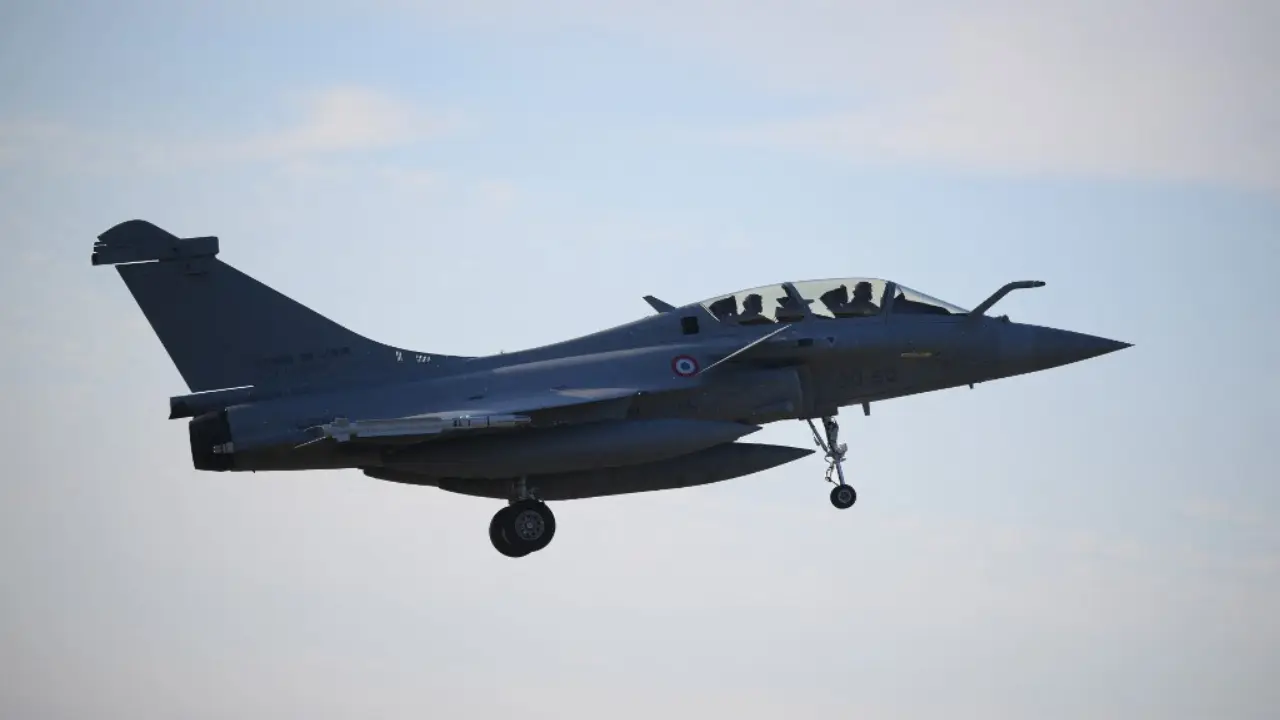
The development of the Dassault Rafale was significantly influenced by the operational experiences and limitations encountered with its predecessor, the Mirage 2000. While the Mirage 2000 was a formidable aircraft during its time, its service highlighted areas for improvement that were addressed in the Rafale's design and capabilities.
2 / 10
Maintenance and Supportability
One of the primary lessons from the Mirage 2000 was the complexity and cost associated with its maintenance. The Rafale was designed with a focus on ease of maintenance, incorporating features such as modular components and advanced diagnostic systems. This approach reduced the need for extensive depot-level maintenance and allowed for quicker turnaround times, enhancing operational readiness.
3 / 10
Avionics and Systems Integration
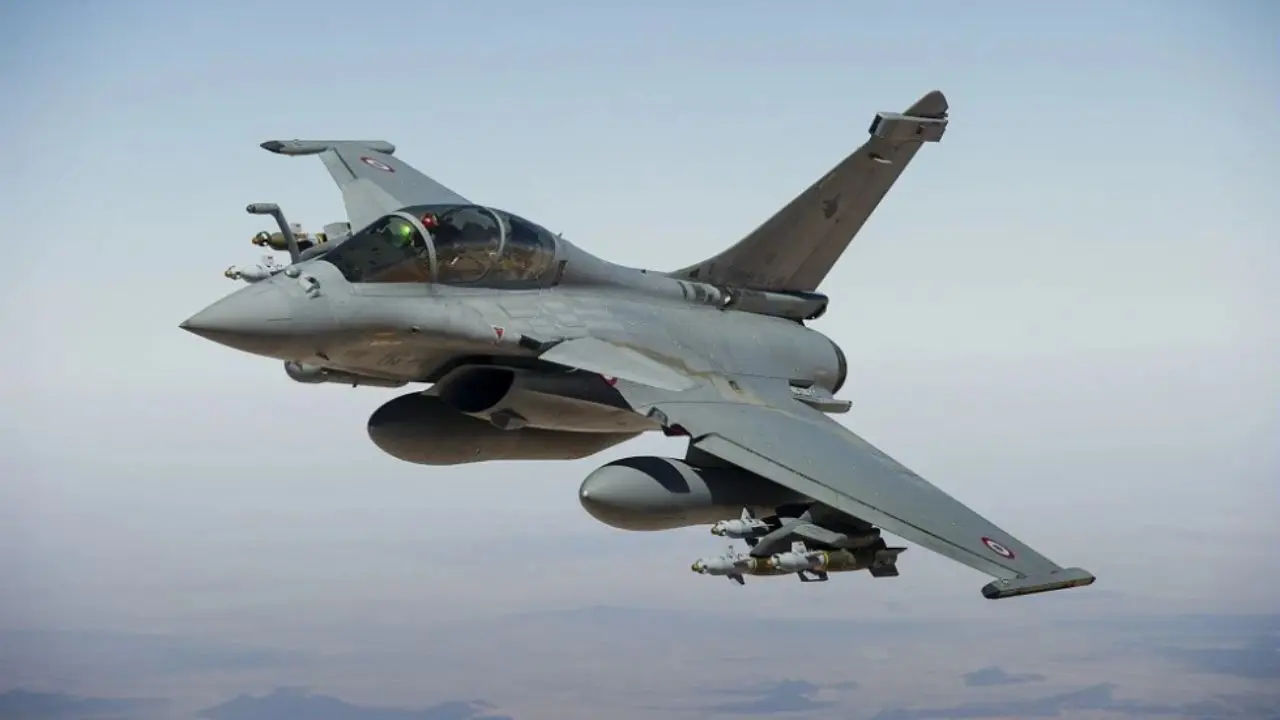
The Mirage 2000's avionics, while advanced for its era, lacked the level of integration seen in modern fighters. The Rafale addressed this by implementing a fully integrated avionics suite, allowing for seamless communication between systems and providing pilots with comprehensive situational awareness. This integration improved mission effectiveness and reduced pilot workload.

4 / 10
Operational Flexibility
The Mirage 2000's design was more specialised, whereas the Rafale was conceived as an "omnirole" fighter, capable of performing air-to-air, air-to-ground, and reconnaissance missions. This versatility allows for a more flexible deployment of assets, optimising resource utilisation in various mission profiles.
5 / 10
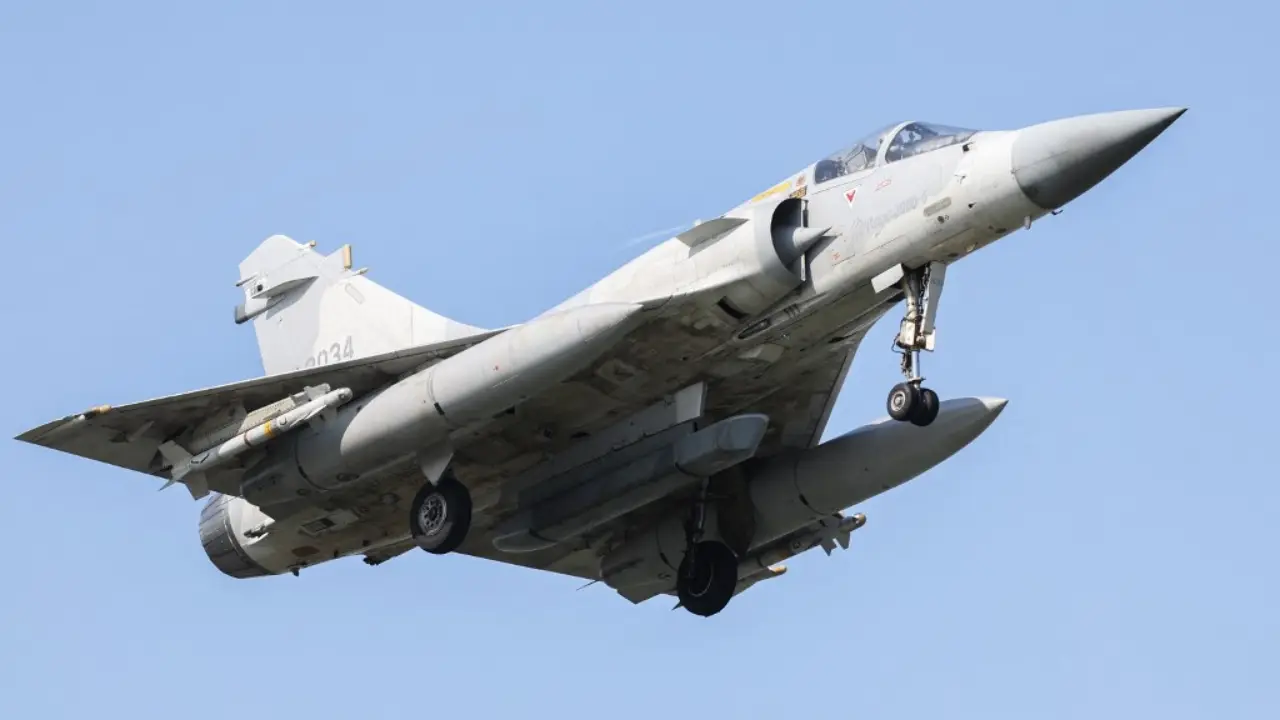
Mirage vs Rafale
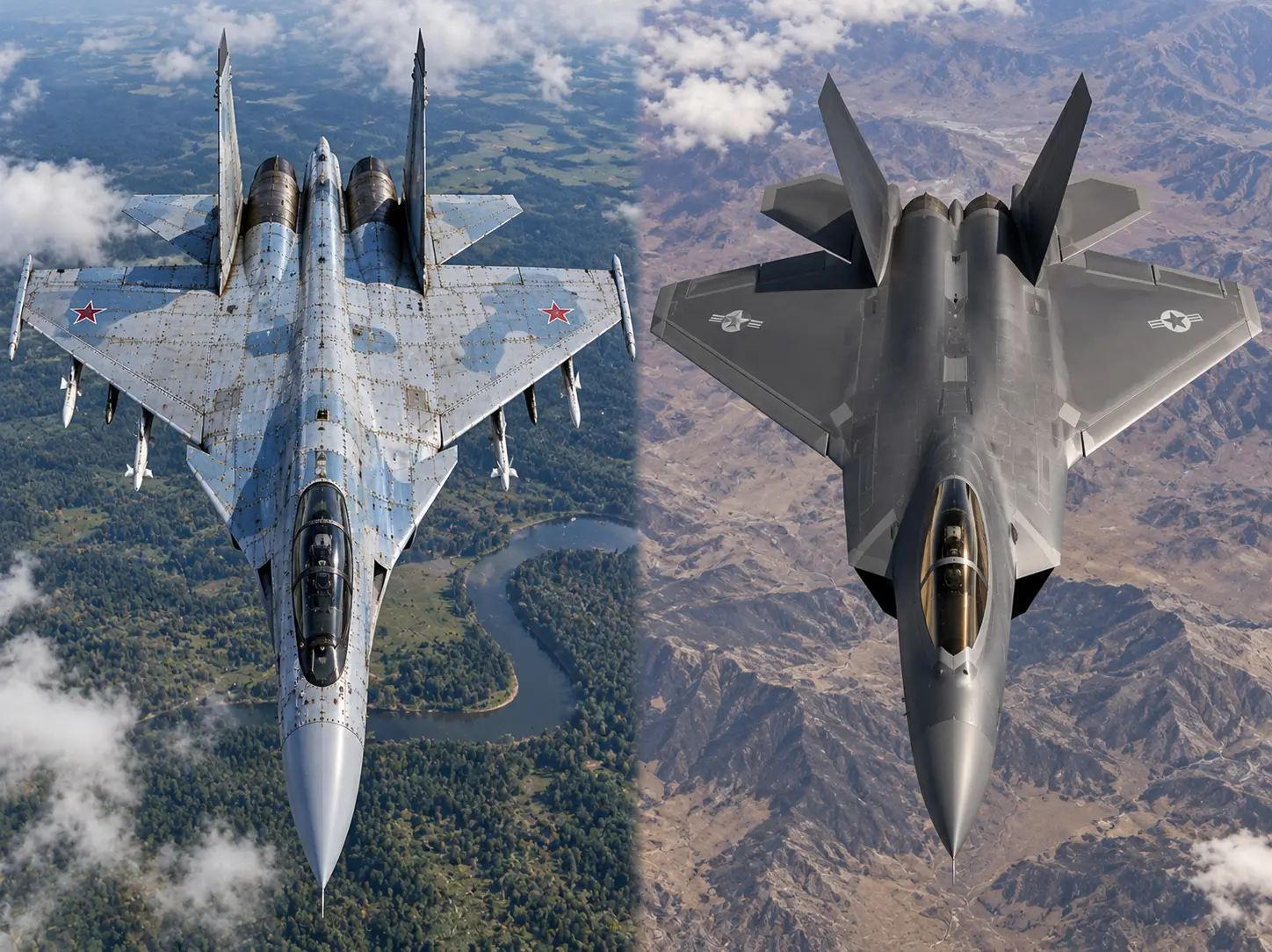
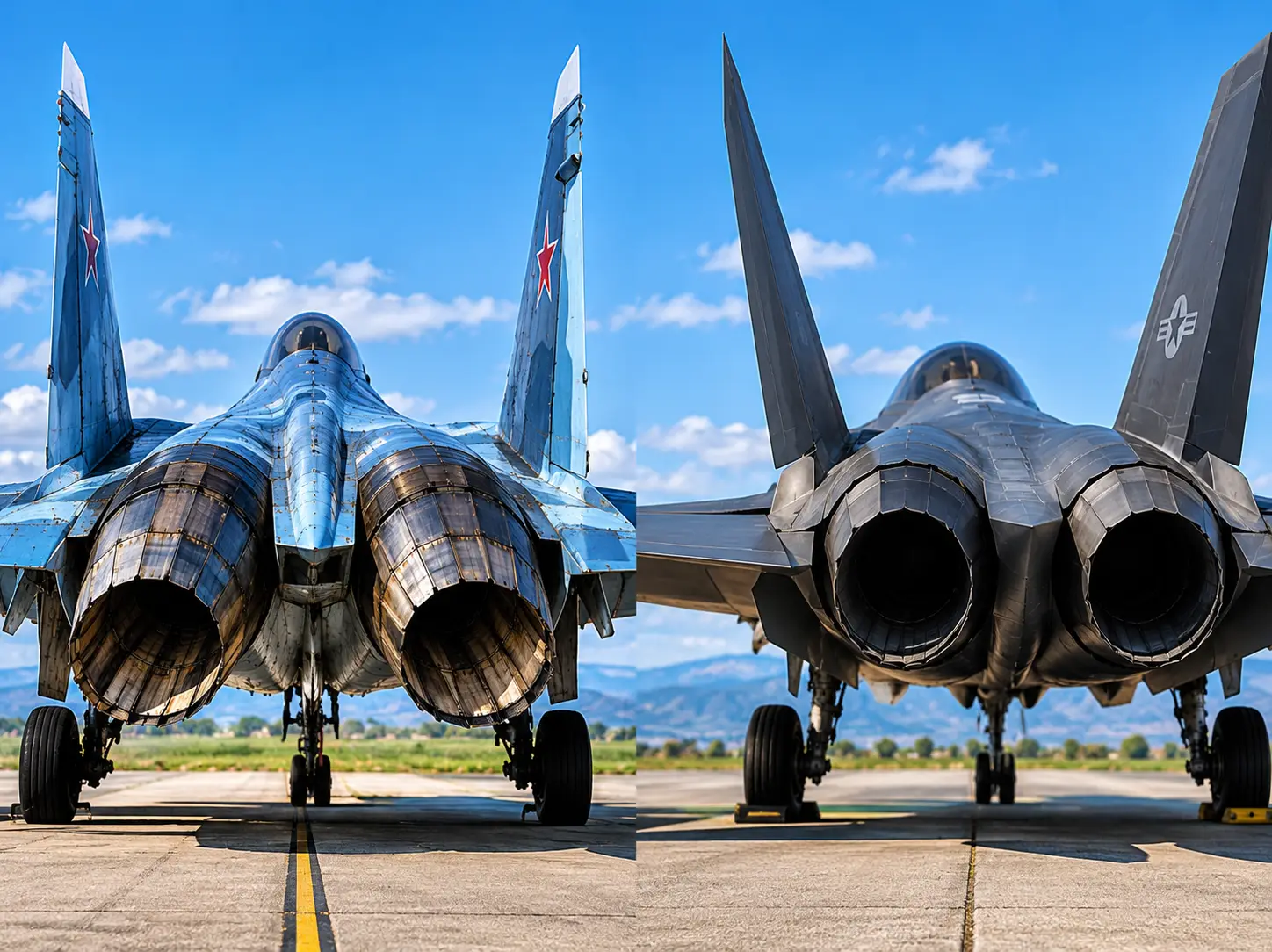
The transition from the Mirage 2000 to the Rafale represents a significant evolution in fighter aircraft design, driven by the practical experiences and challenges faced during the Mirage's service. By addressing these issues, the Rafale emerged as a more capable, maintainable, and versatile platform, meeting the modern demands of air combat and strategic deterrence.
6 / 10
The Development
The development of the Dassault Rafale was significantly influenced by the operational experiences and limitations encountered with its predecessor, the Mirage 2000. While the Mirage 2000 was a formidable aircraft during its time, its service highlighted areas for improvement that were addressed in the Rafale's design and capabilities.
7 / 10
Maintenance and Supportability
One of the primary lessons from the Mirage 2000 was the complexity and cost associated with its maintenance. The Rafale was designed with a focus on ease of maintenance, incorporating features such as modular components and advanced diagnostic systems. This approach reduced the need for extensive depot-level maintenance and allowed for quicker turnaround times, enhancing operational readiness.
8 / 10
Avionics and Systems Integration
The Mirage 2000's avionics, while advanced for its era, lacked the level of integration seen in modern fighters. The Rafale addressed this by implementing a fully integrated avionics suite, allowing for seamless communication between systems and providing pilots with comprehensive situational awareness. This integration improved mission effectiveness and reduced pilot workload.
9 / 10
Operational Flexibility
The Mirage 2000's design was more specialised, whereas the Rafale was conceived as an "omnirole" fighter, capable of performing air-to-air, air-to-ground, and reconnaissance missions. This versatility allows for a more flexible deployment of assets, optimising resource utilisation in various mission profiles.
10 / 10
Mirage vs Rafale
The transition from the Mirage 2000 to the Rafale represents a significant evolution in fighter aircraft design, driven by the practical experiences and challenges faced during the Mirage's service. By addressing these issues, the Rafale emerged as a more capable, maintainable, and versatile platform, meeting the modern demands of air combat and strategic deterrence.
)
)
)
)