Operation Sindoor: How much water does it take to clean a Rafale fighter jet?

Authored By Tarun Mishra
Published: May 15, 2025, 10:58 IST | Updated: May 15, 2025, 10:58 IST
Rafales can’t be cleaned like your average SUV. Due to sensitive avionics, stealth coatings, and high-precision sensors, maintenance crews follow strict protocols using approved cleaning fluids and techniques.
1 / 16
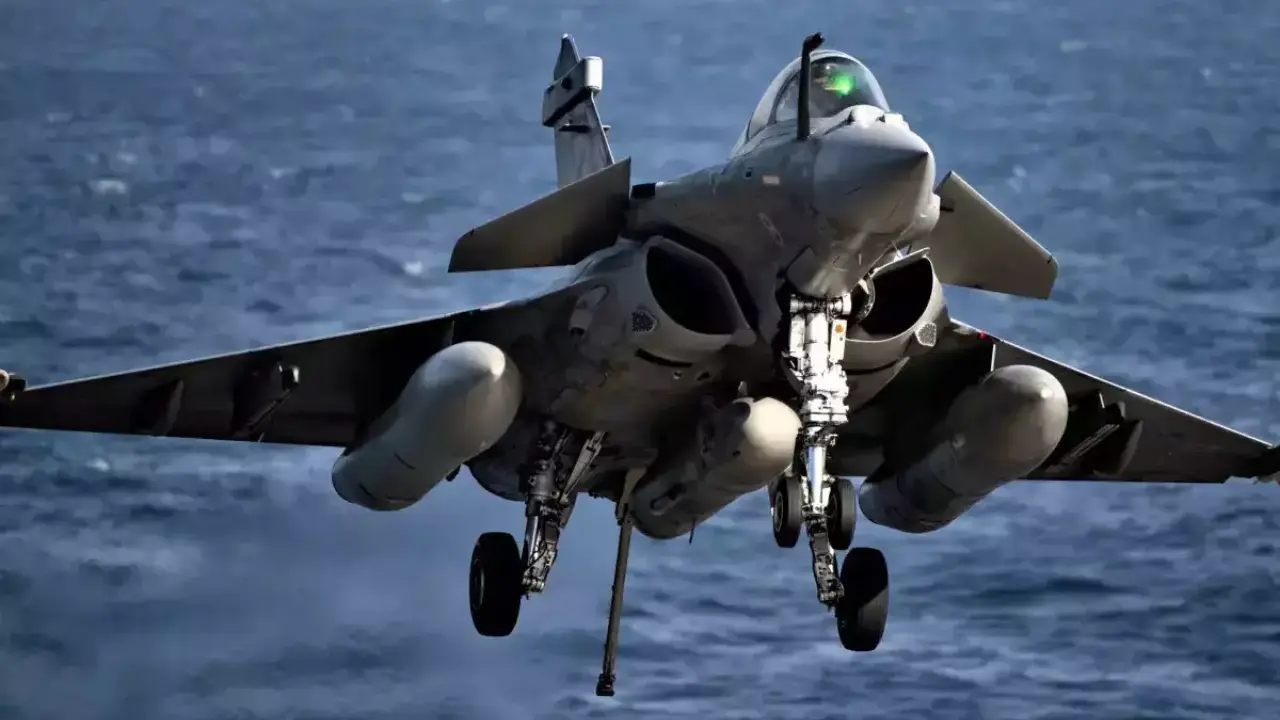
IAF's Rafale
The Rafale fighter jet, India’s crown jewel in aerial combat, is built for speed, agility, and firepower. However, keeping it mission-ready isn’t just about fueling missiles and running engine diagnostics, it also involves meticulous cleaning. So, just how much water goes into washing one of these flying beasts?
2 / 16
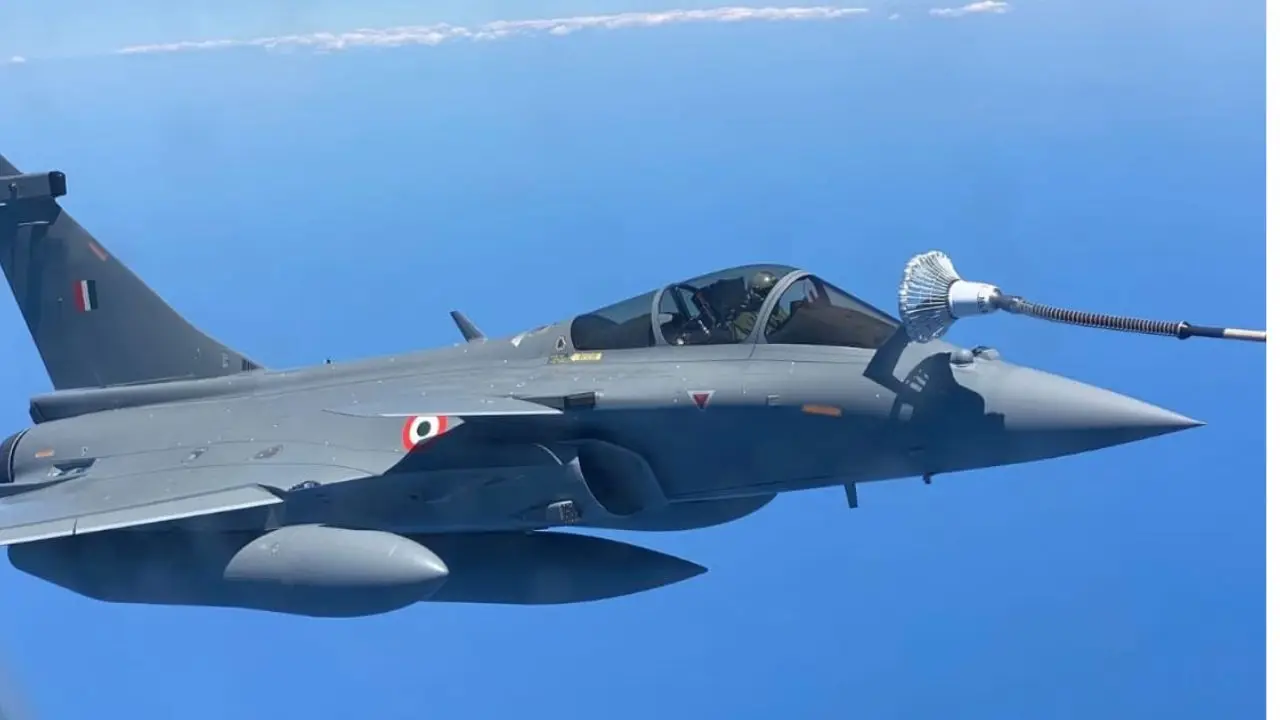
It’s Not a Car Wash
Rafales can’t be cleaned like your average SUV. Due to sensitive avionics, stealth coatings, and high-precision sensors, maintenance crews follow strict protocols using approved cleaning fluids and techniques. A sloppy wash can degrade critical equipment or reduce stealth effectiveness.
3 / 16
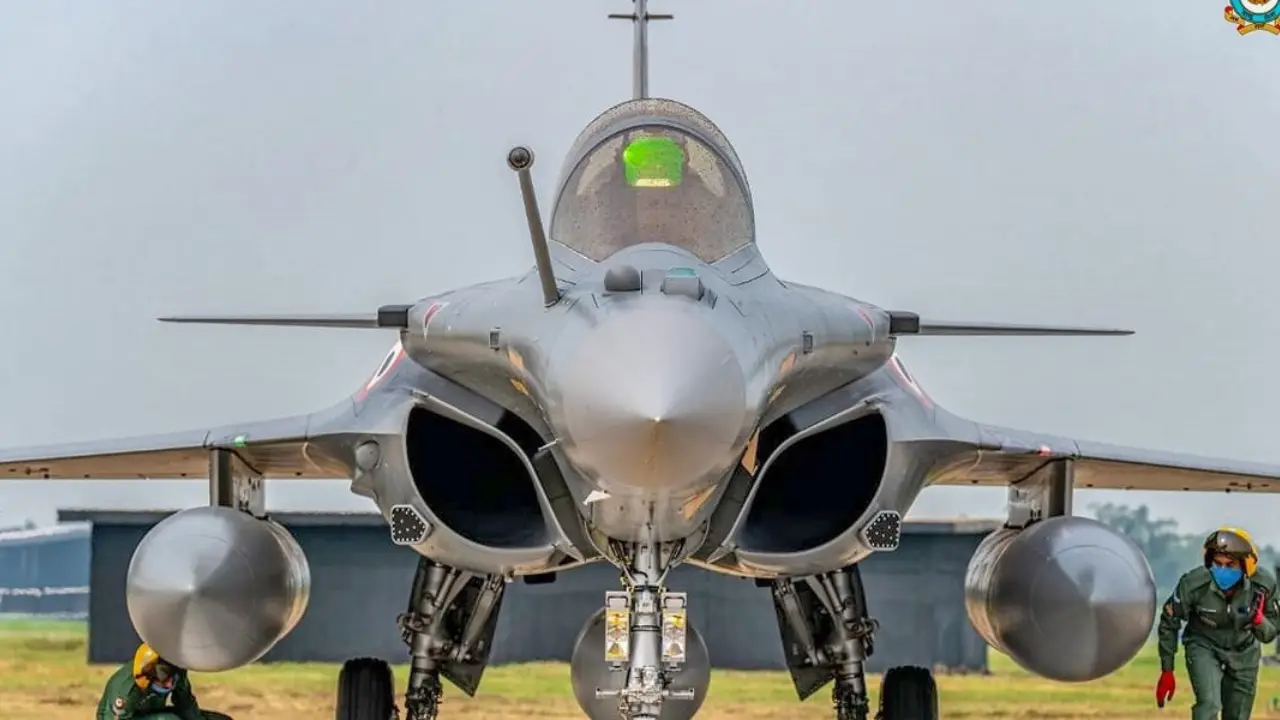
800 to 1,200 Litres per Wet Wash
A traditional wet wash of a Rafale consumes between 800 and 1,200 litres of water. The range depends on environmental conditions (dust, salt, pollution), base location, and how often the jet is flown. This figure is not publicly released by the Indian Air Force, but is based on open-source extrapolations from similar 4th/4.5-gen fighter jets (like F-16, Mirage 2000, and Eurofighter Typhoon) and maintenance data from Dassault Aviation’s global operators.
4 / 16
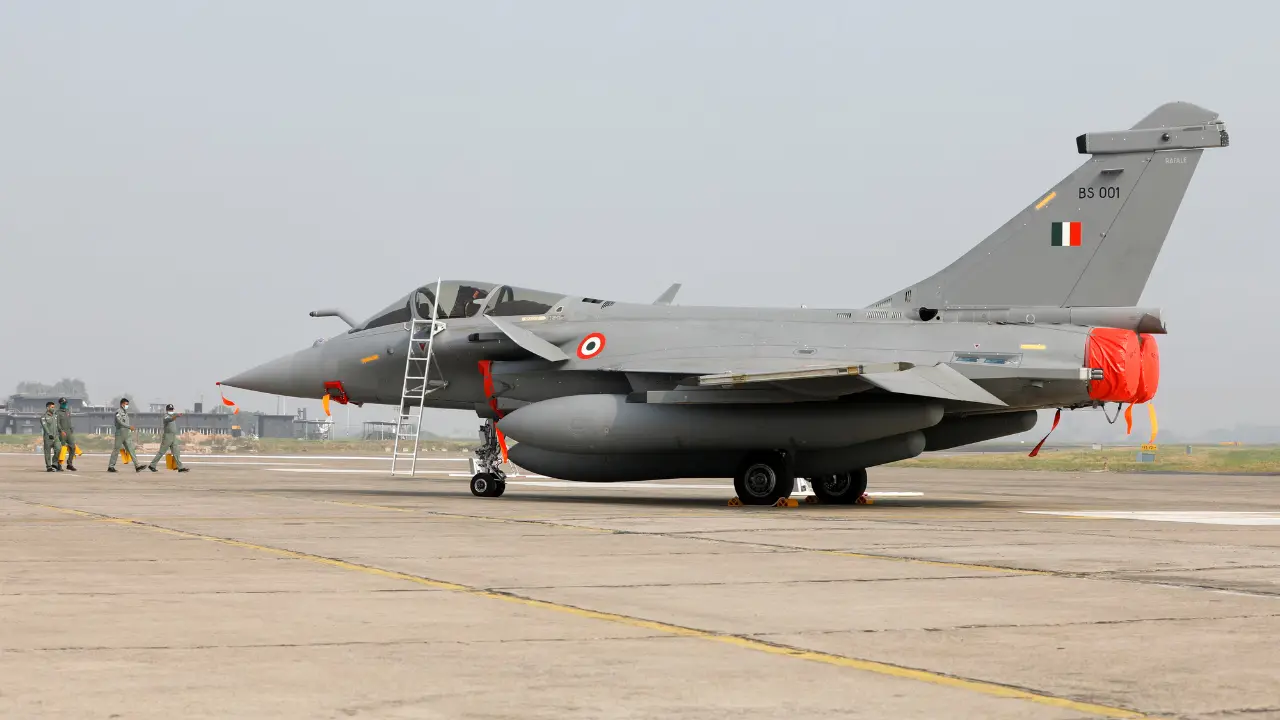
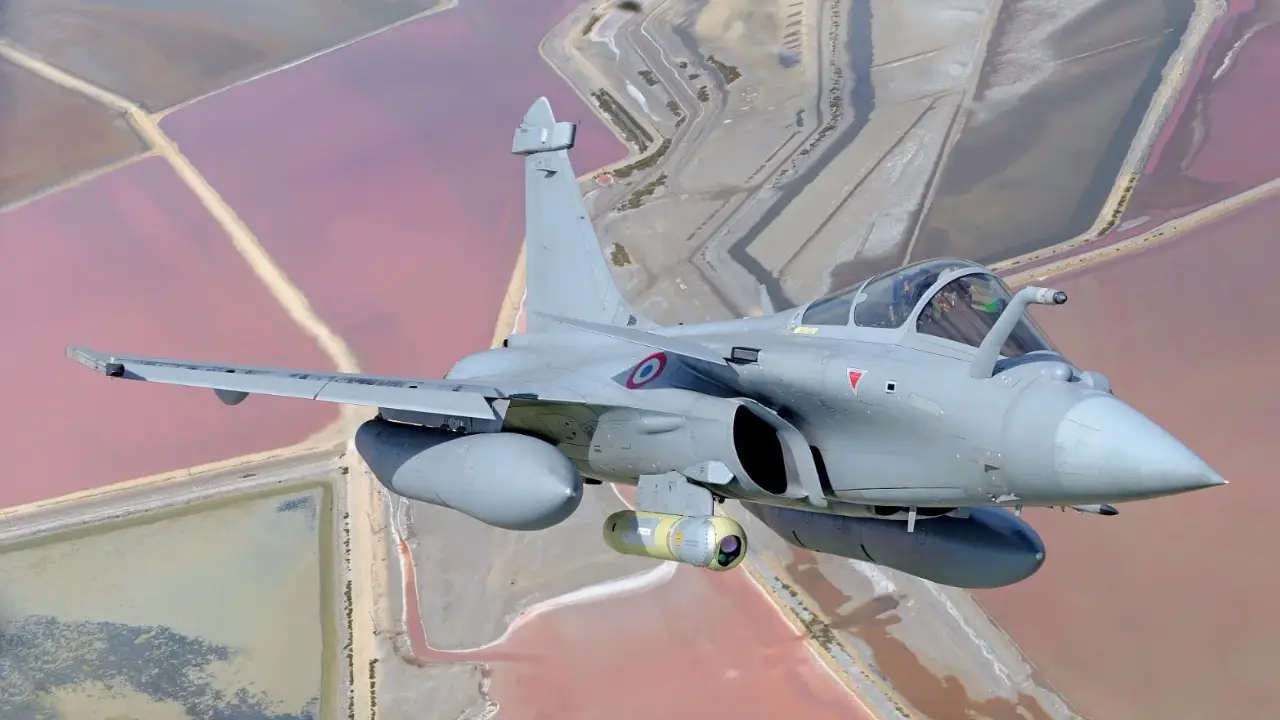
Estimates
US Air Force and Boeing publications mention ~1,000 litres (265 gallons) per wash for F/A-18s and similar jets. Dassault and European air forces use wet wash practices that consume similar volumes for Rafales and Mirages. Janes Defence Weekly and FlightGlobal have referenced water-saving measures used in fighter jet maintenance. According to various reports, IAF bases are transitioning to dry-wash systems without quoting exact volumes.
5 / 16
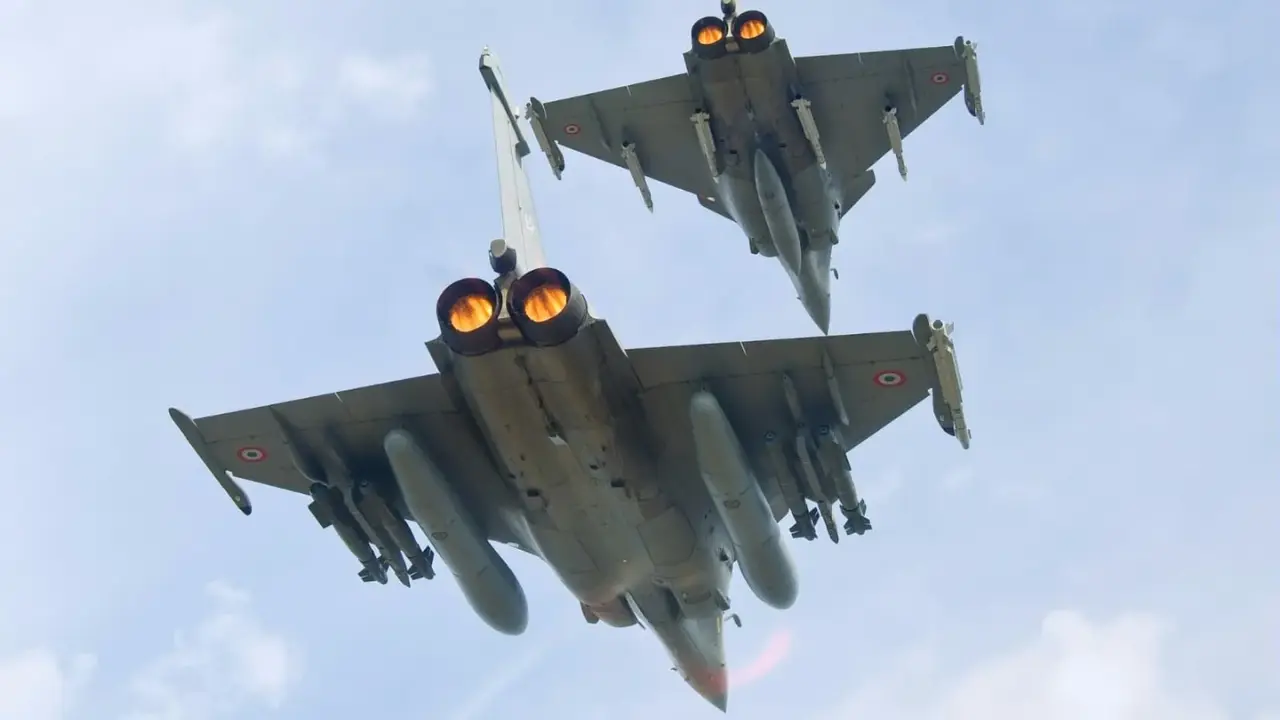
Just 10–15% of Water Use
To reduce environmental impact, the IAF, like other air forces, is adopting dry wash systems. These use special solvents, pressure sprayers, and microfiber cloths, bringing water usage down to 100–150 litres per wash. That’s a saving of nearly 1,000 litres per jet, per wash cycle.
6 / 16
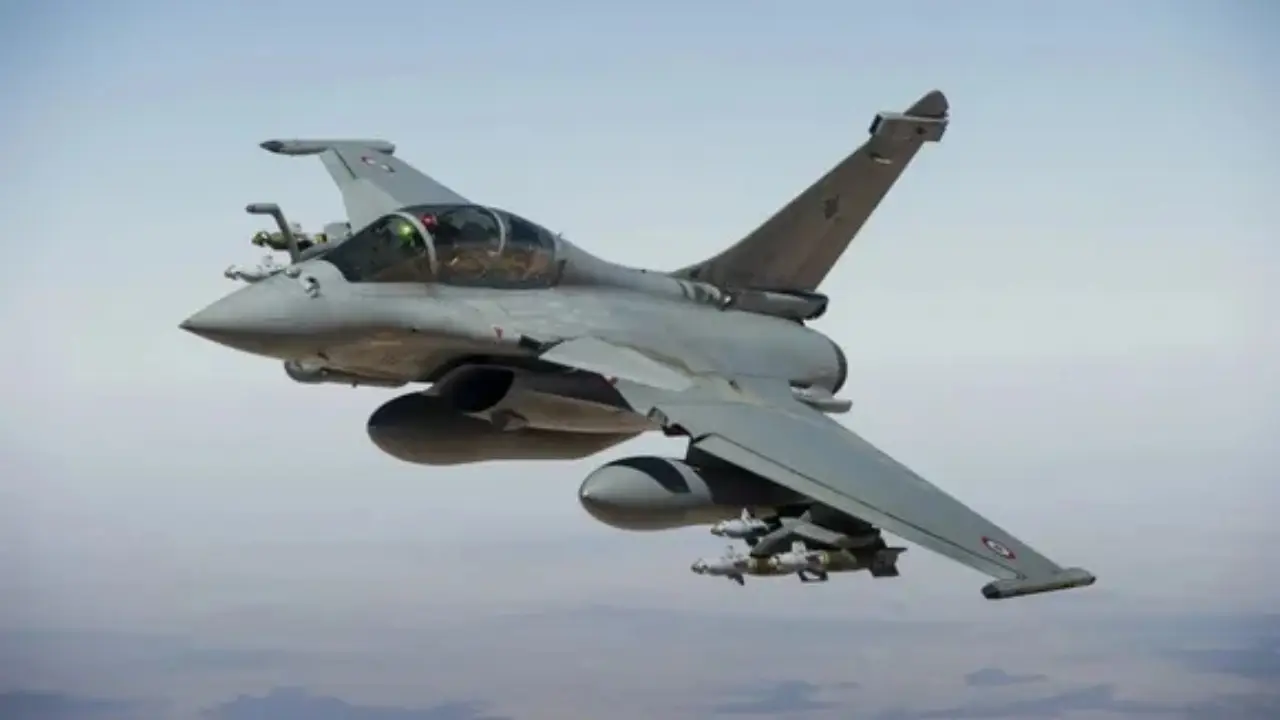
Why Cleanliness = Combat Readiness
Cleaning isn’t just about appearance—it’s a critical aspect of maintaining the Rafale’s combat readiness. Dirt, dust, and debris can interfere with the jet’s radar cross-section and compromise its stealth capabilities. In coastal bases like Hasimara, where humidity and salt exposure are high, surface corrosion becomes a serious concern. Contaminants can also shorten the lifespan of essential components such as nozzles, joints, and antennae. That’s why, especially after missions flown in dusty, rainy, or salt-laden environments, a thorough wipe-down or full wash is often necessary before the aircraft can be cleared for its next sortie.
7 / 16
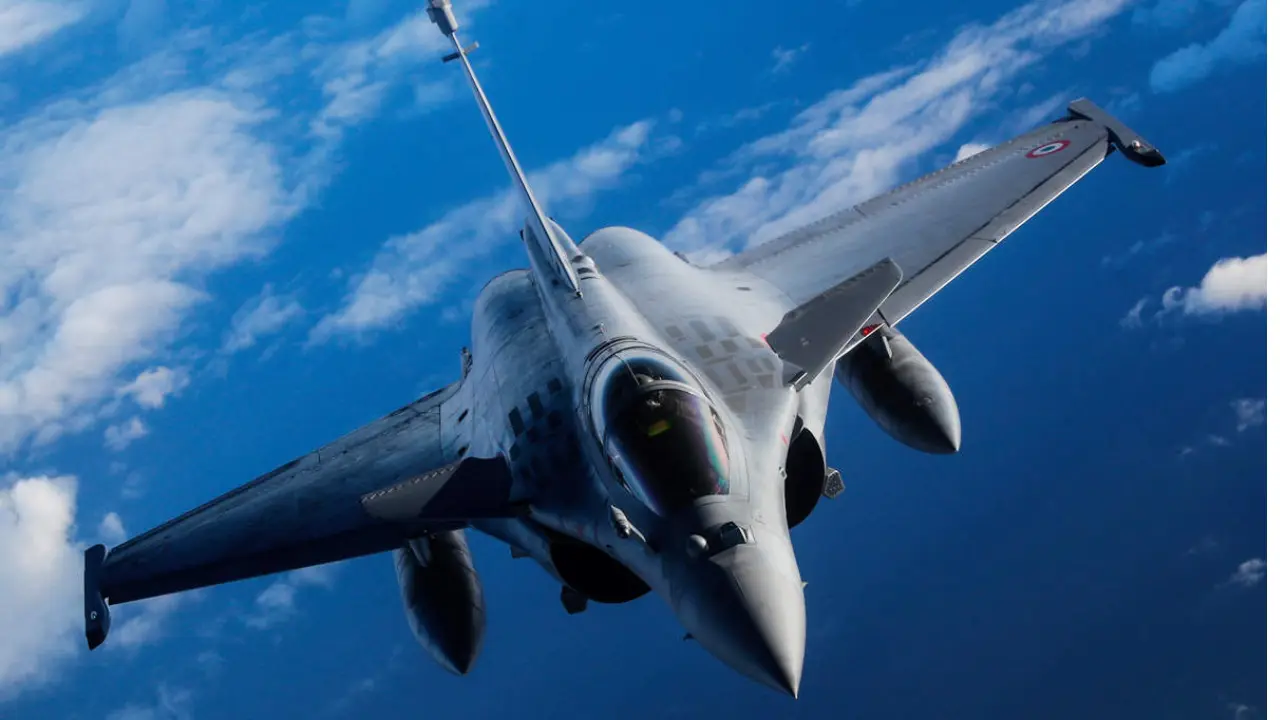
Green Moves
Indian Air Force bases are increasingly adopting eco-friendly cleaning methods, including the use of recycled water systems, steam-based cleaning techniques, and bio-based degreasers. These measures are part of a larger shift toward a “green military” approach, where environmental sustainability is integrated with operational efficiency and combat preparedness.
8 / 16
Bottom Line
Cleaning a Rafale fighter jet involves significant water usage, depending on the method employed. A traditional wet wash can consume around 1,000 litres of water, while newer dry wash techniques use just 100 to 150 litres. The frequency of cleaning varies based on mission activity, weather conditions, and the environment around the base. While the Rafale commands the skies with advanced technology and firepower, it also highlights a quieter, ongoing effort on the ground to combat corrosion, improve efficiency, and reduce environmental impact in military operations.
9 / 16
IAF's Rafale
The Rafale fighter jet, India’s crown jewel in aerial combat, is built for speed, agility, and firepower. However, keeping it mission-ready isn’t just about fueling missiles and running engine diagnostics, it also involves meticulous cleaning. So, just how much water goes into washing one of these flying beasts?
10 / 16
It’s Not a Car Wash
Rafales can’t be cleaned like your average SUV. Due to sensitive avionics, stealth coatings, and high-precision sensors, maintenance crews follow strict protocols using approved cleaning fluids and techniques. A sloppy wash can degrade critical equipment or reduce stealth effectiveness.
11 / 16
800 to 1,200 Litres per Wet Wash
A traditional wet wash of a Rafale consumes between 800 and 1,200 litres of water. The range depends on environmental conditions (dust, salt, pollution), base location, and how often the jet is flown. This figure is not publicly released by the Indian Air Force, but is based on open-source extrapolations from similar 4th/4.5-gen fighter jets (like F-16, Mirage 2000, and Eurofighter Typhoon) and maintenance data from Dassault Aviation’s global operators.
12 / 16
Estimates
US Air Force and Boeing publications mention ~1,000 litres (265 gallons) per wash for F/A-18s and similar jets. Dassault and European air forces use wet wash practices that consume similar volumes for Rafales and Mirages. Janes Defence Weekly and FlightGlobal have referenced water-saving measures used in fighter jet maintenance. According to various reports, IAF bases are transitioning to dry-wash systems without quoting exact volumes.
13 / 16
Just 10–15% of Water Use
To reduce environmental impact, the IAF, like other air forces, is adopting dry wash systems. These use special solvents, pressure sprayers, and microfiber cloths, bringing water usage down to 100–150 litres per wash. That’s a saving of nearly 1,000 litres per jet, per wash cycle.
14 / 16
Why Cleanliness = Combat Readiness
Cleaning isn’t just about appearance—it’s a critical aspect of maintaining the Rafale’s combat readiness. Dirt, dust, and debris can interfere with the jet’s radar cross-section and compromise its stealth capabilities. In coastal bases like Hasimara, where humidity and salt exposure are high, surface corrosion becomes a serious concern. Contaminants can also shorten the lifespan of essential components such as nozzles, joints, and antennae. That’s why, especially after missions flown in dusty, rainy, or salt-laden environments, a thorough wipe-down or full wash is often necessary before the aircraft can be cleared for its next sortie.
15 / 16
Green Moves
Indian Air Force bases are increasingly adopting eco-friendly cleaning methods, including the use of recycled water systems, steam-based cleaning techniques, and bio-based degreasers. These measures are part of a larger shift toward a “green military” approach, where environmental sustainability is integrated with operational efficiency and combat preparedness.
16 / 16
Bottom Line
Cleaning a Rafale fighter jet involves significant water usage, depending on the method employed. A traditional wet wash can consume around 1,000 litres of water, while newer dry wash techniques use just 100 to 150 litres. The frequency of cleaning varies based on mission activity, weather conditions, and the environment around the base. While the Rafale commands the skies with advanced technology and firepower, it also highlights a quieter, ongoing effort on the ground to combat corrosion, improve efficiency, and reduce environmental impact in military operations.
)
)
)
)
)