Operation Sindoor: What is the cost of India’s BrahMos missile?

Edited By Subhadra Srivastava
Published: May 22, 2025, 11:19 IST | Updated: May 22, 2025, 11:19 IST
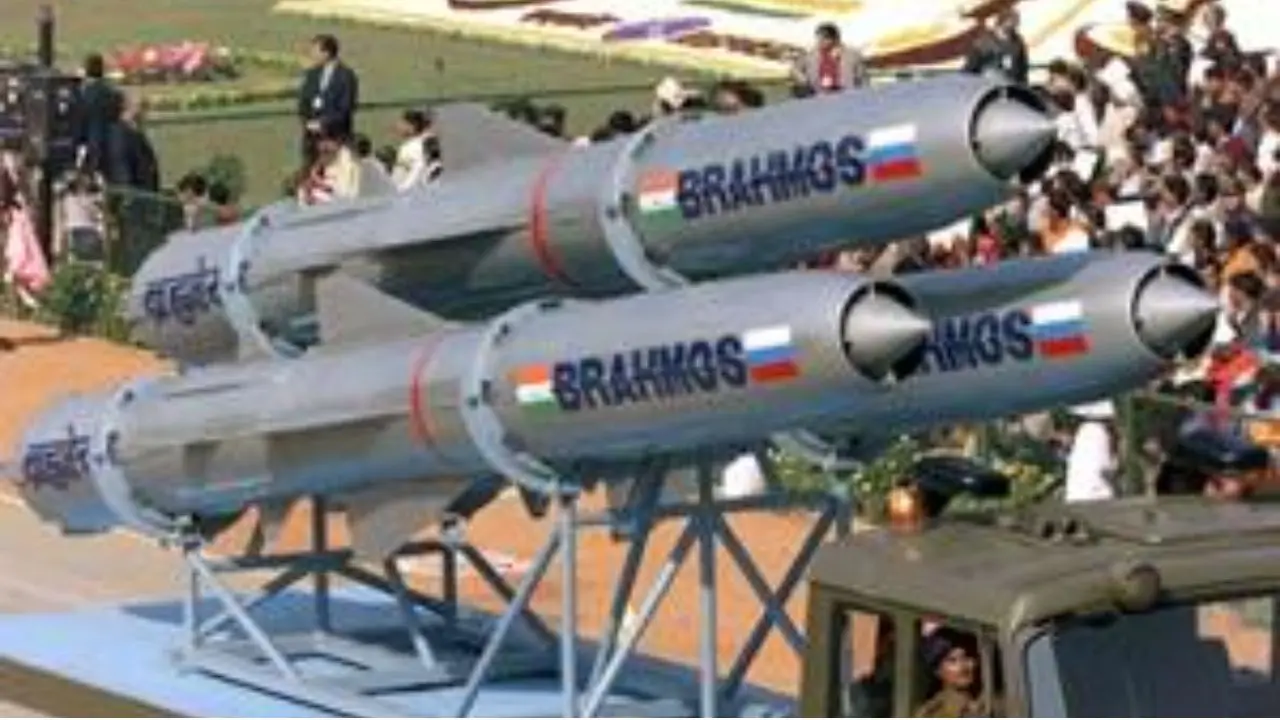
The utilisation of India's fastest cruise missile system, BrahMos missile system, that drew significant attention as they caused substantial damage to the bases. Let's analyse the cost of these advanced missiles.
1 / 6
(Photograph: Reuters)
The strike that made headlines
During the recent escalation of tensions between India-Pakistan, India conducted a series of precision missile strikes across several Pakistani military installations. As per reports, targets for these strikes included Pakistani airbases such as Rafiqui, Murid, Nur Khan, Rahim Yar Khan, Sukkur and Chunian. However, it was the utilisation of India's very own, fastest cruise missile system, BrahMos missile system, that drew significant attention as they caused substantial damage to the bases. Let's analyse the cost of these advanced missiles.
2 / 6
(Photograph: Reuters)
The financial backbone of BrahMos
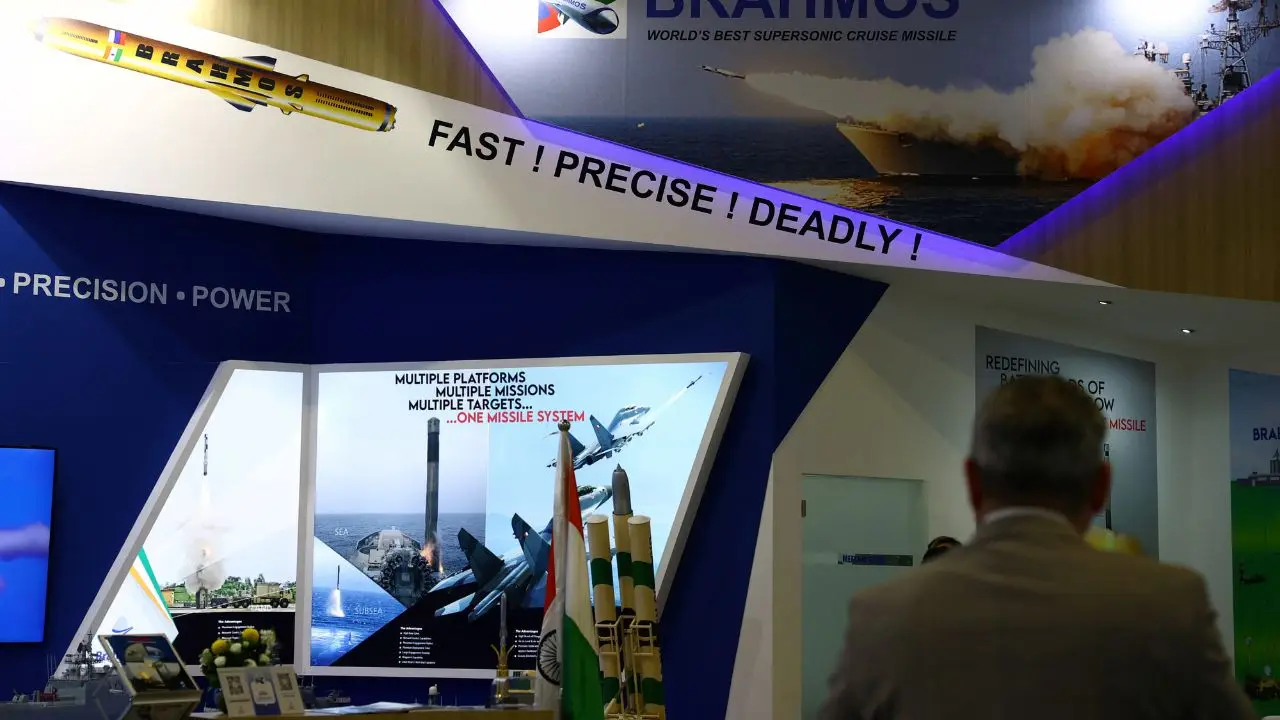
The BrahMos missile was developed under a joint venture between India’s Defence Research and Development Organisation (DRDO) and Russia’s NPO Mashinostroyenia, which was initiated in 1998. The project which was authorised with a capital of 250 million dollars, is valued at over ₹2,100 crore today. In the venture, India held a 50.5 per cent share while Russia contributed the remaining 49.5 per cent.
3 / 6
(Photograph: Reuters)
Cost per missile
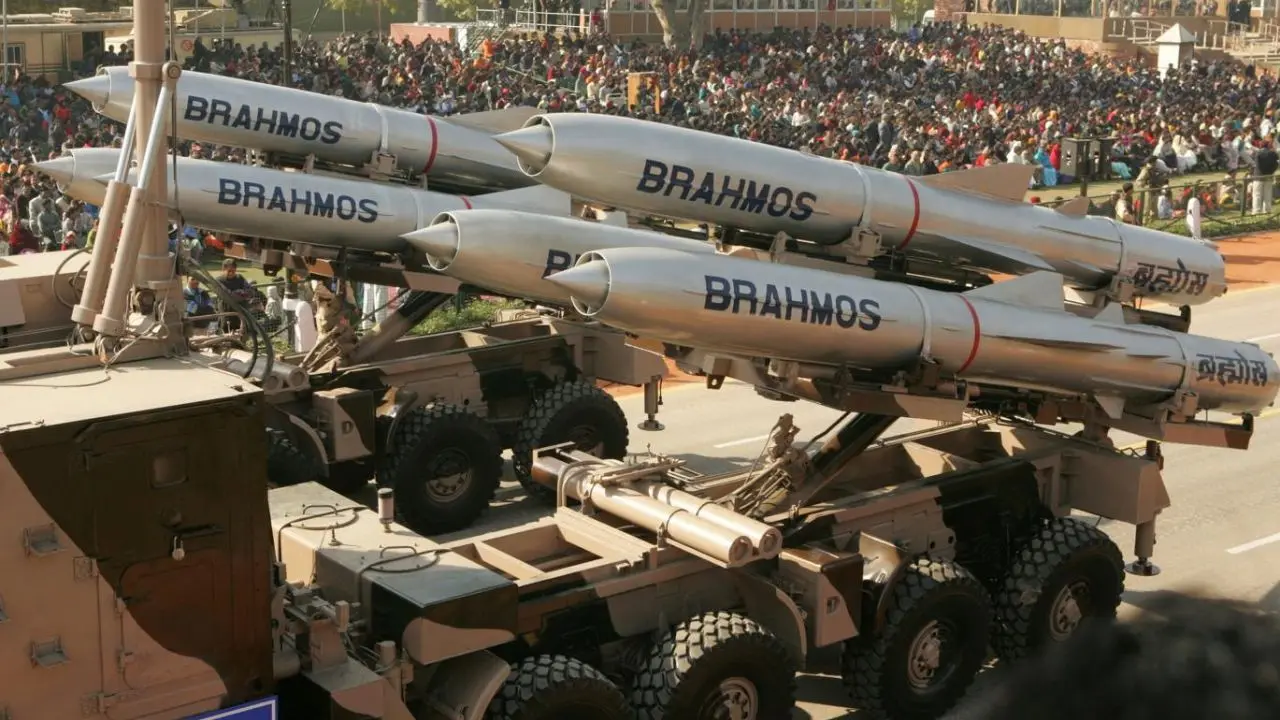
The average cost of a single BrahMos missile is estimated to be at around ₹34 crore, according to CNBC Awaaz and various other media reports. In Pakistani rupees, this value converts to over 1.12 billion PKR per missile. A dedicated production unit for BrahMos was established at an estimated cost of ₹300 crore. This facility, which is located in Uttar Pradesh, was built on land which was allocated free of charge by the state government and completed within three and a half years.
4 / 6
(Photograph: Reuters)
Factors driving missile cost
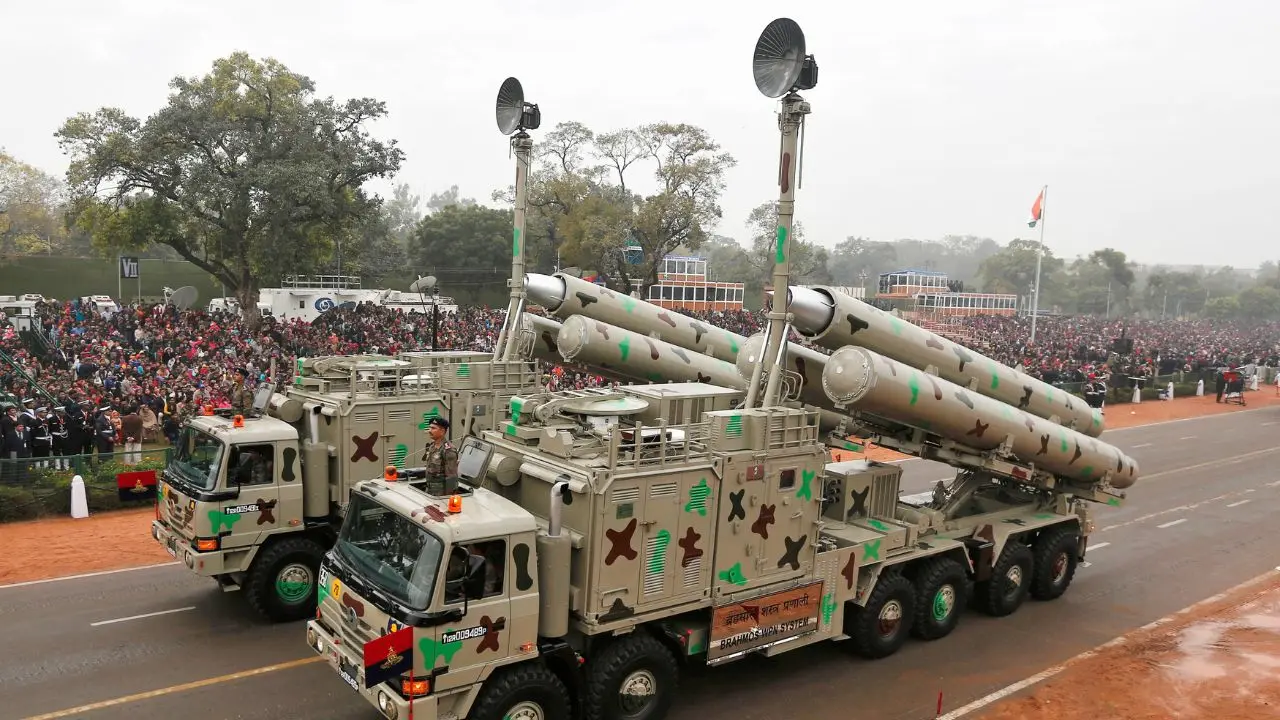
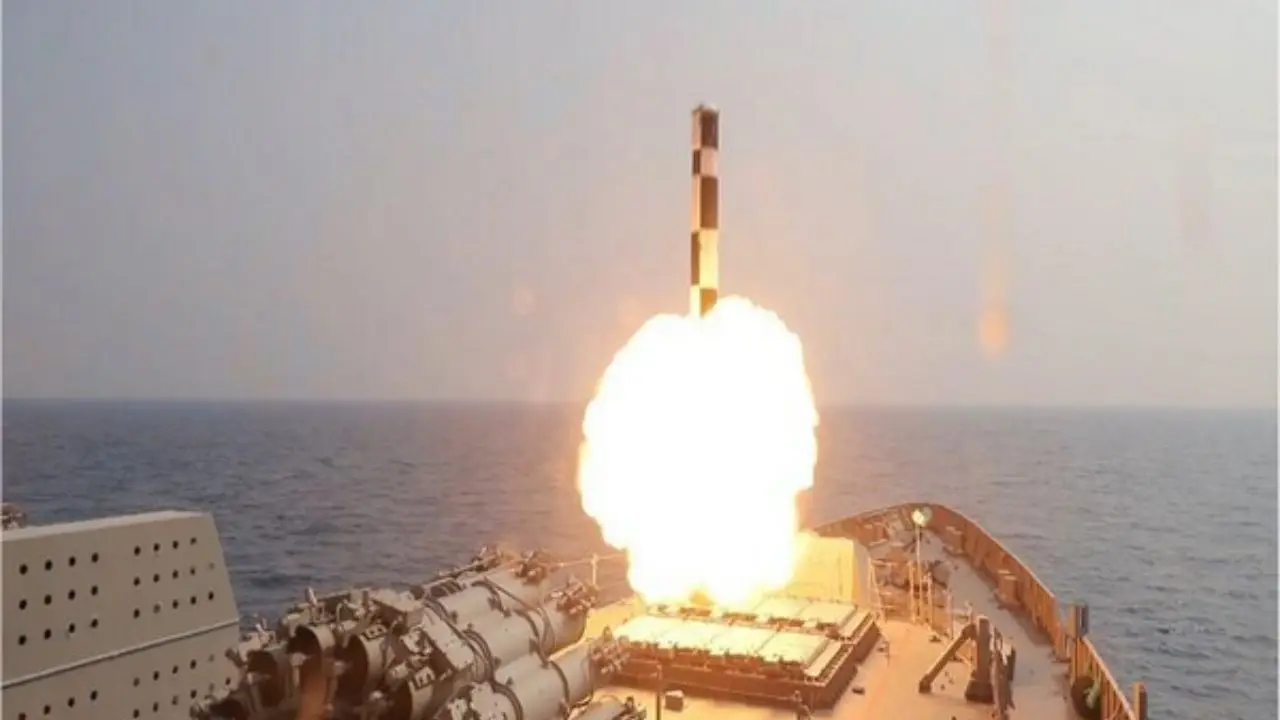
The BrahMos missile's high cost is driven by various factors. The cost reflects its advanced guidance system, supersonic propulsion, precision navigation, and complex manufacturing requirements. The structure if these missiles includes titanium and aerospace-grade alloys produced at the Strategic Materials Technology Complex co-located with the manufacturing plant. Each missile has the ability to carry a warhead weighing between 200 and 300 kilograms.
5 / 6
(Photograph: ANI)
Variants influencing price range
Different versions of the missile vary in cost depending on configuration and advancements. While the standard land-based BrahMos costs approximately ₹34 crore, air-launched and extended-range versions may differ. Newer models in development, such as BrahMos-NG and the hypersonic BrahMos-II, are expected to alter the pricing structure as they enter production.
6 / 6
(Photograph: Reuters)
Export interest and potential revenue
Several countries such as the Philippines have already signed agreements to acquire the missile system. Other nations including Vietnam, Indonesia, and the UAE have expressed interest. With rising global demand of BrahMos post Operation Sindoor, India’s investment in BrahMos is now being viewed not only through a strategic lens but also as a significant opportunity for defence exports.
)
)
)
)
)