Operation Sindoor: How is Russia's S-500 different from the S-400 defence system?

Authored By Subhadra Srivastava
Published: May 15, 2025, 11:04 IST | Updated: May 15, 2025, 11:04 IST
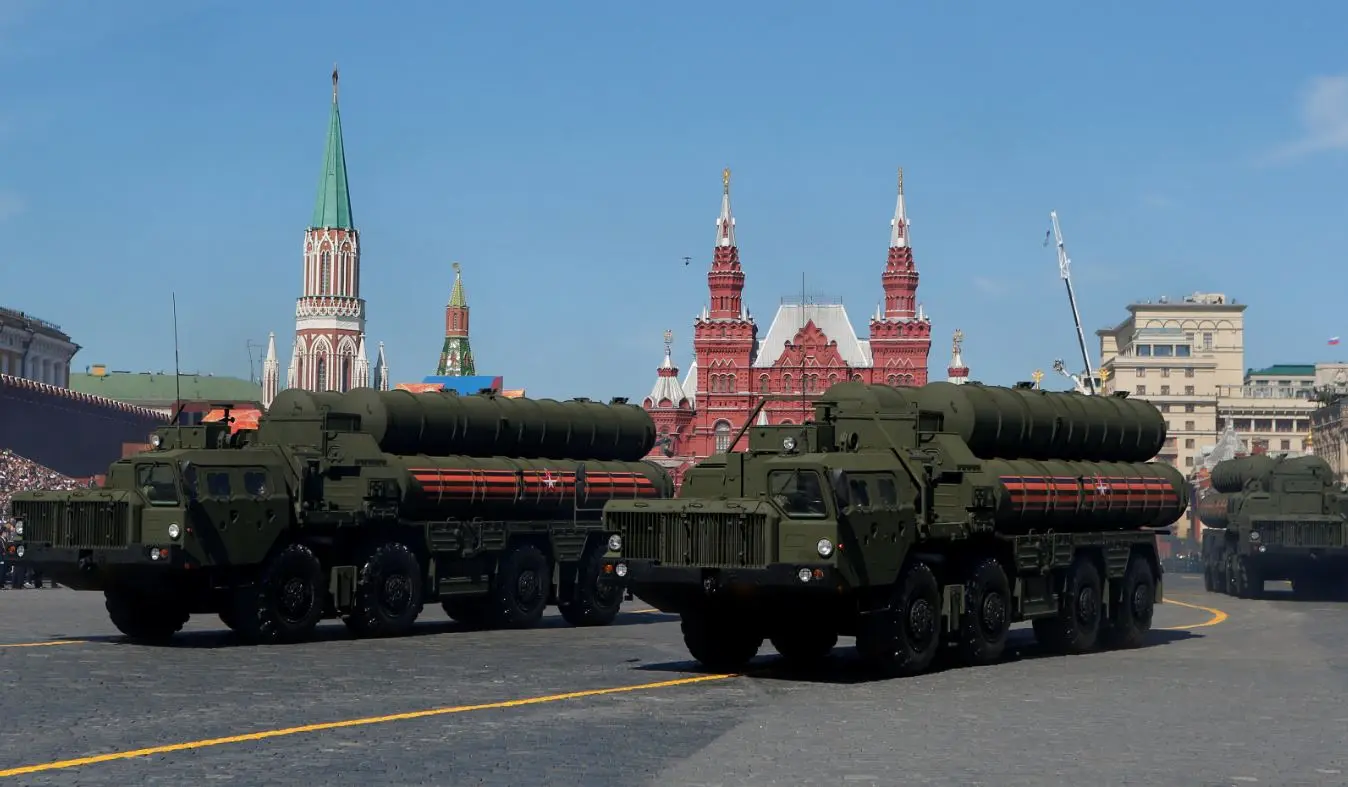
Post the success of Russian-made S-400 in repelling aerial threats during the operation, discussions abut next-generation systems—especially the upcoming S-500 Prometheus have started.
1 / 14
S-500 vs S-400
In the wake of heightened regional tensions, especially after Operation Sindoor, missile defence has become a core concern. Post the success of Russian-made S-400 in repelling aerial threats during the operation, discussions abut next-generation systems—especially the upcoming S-500 Prometheus have started. Here is an in-depth comparison on how S-400 and the upcoming S-500 are different.
2 / 14
Range and reach
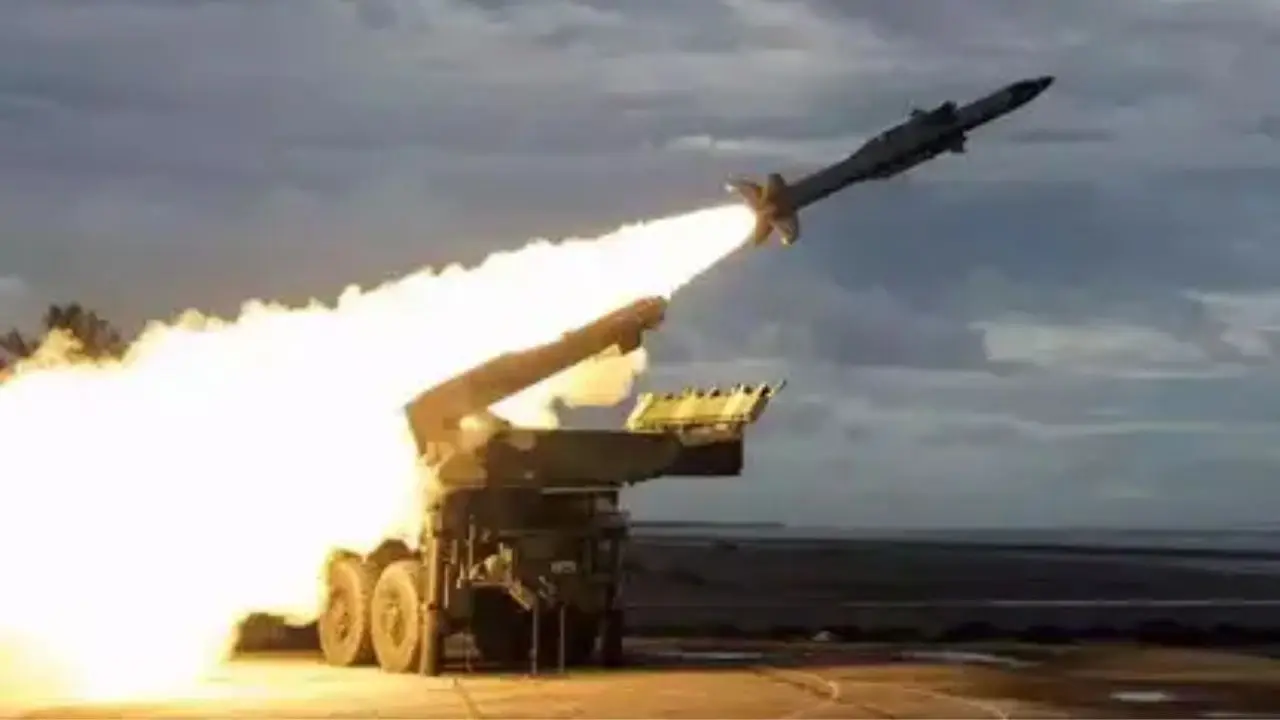
The S-400 has a maximum interception range of about 400 km and has the ability to detect threats up to 600 km away, while the S-500 air defence system pushes that envelope significantly. It can engage aerial targets up to 800 km away and ballistic missiles as far as 600 km, with detection capability stretching up to 2,000 km.
3 / 14
Altitude engagement
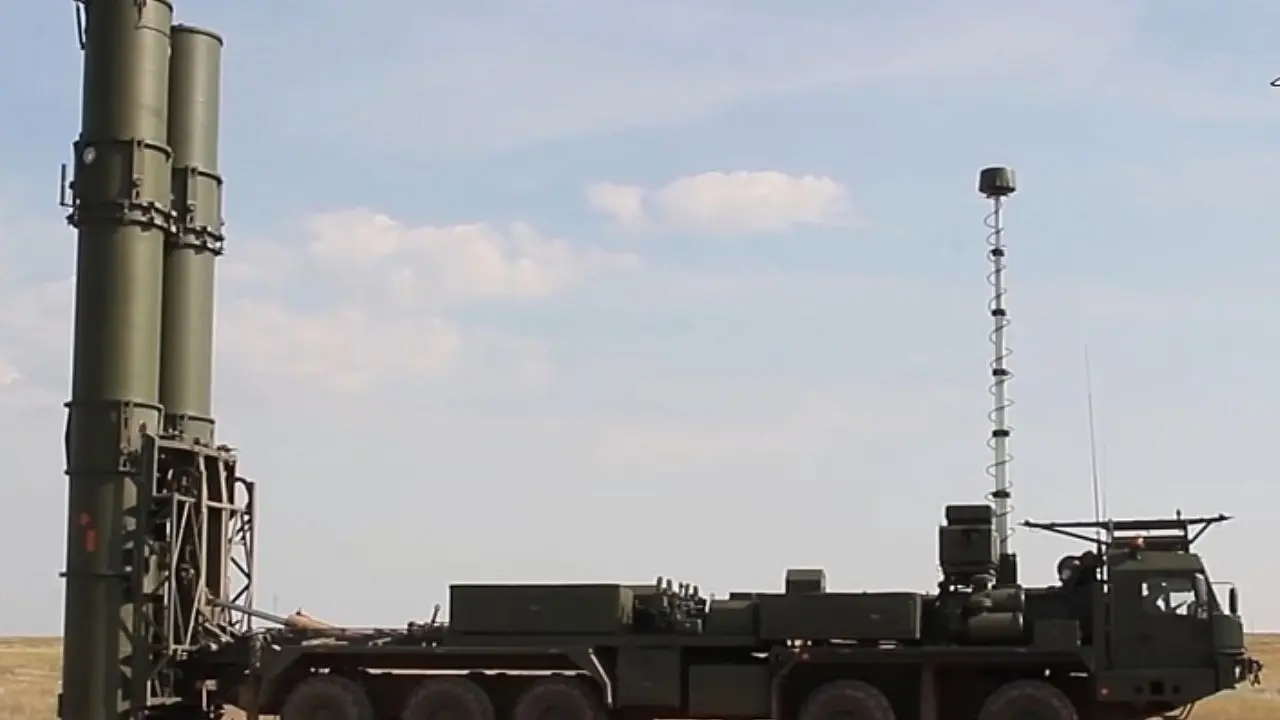
The S-400 is effective at intercepting threats up to 30 km in altitude. The S-500 extends its reach to near-space with interception capabilities up to 200 km, this further allows it to counter low Earth orbit satellites and high-trajectory ballistic missiles.
4 / 14
Hypersonic and space defence
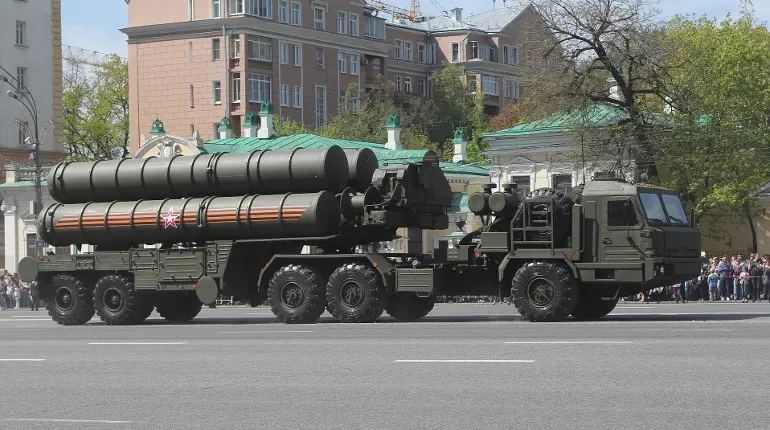
The S-400 defence system is not specifically designed for hypersonic threats or space objects. However, the S-500 is built to neutralise hypersonic missiles travelling at speeds close to Mach 20, and even space-based platforms. Hence, it marks itself as a response to newer and faster threats.

5 / 14
Missile capabilities
The S-400 uses a mix of 40N6, 48N6, and 9M96 series missiles, with speeds up to Mach 14. The next generation S-500 introduces advanced interceptors like the 77N6 series which are capable of hit-to-kill precision at greater ranges and speeds—up to Mach 20.

6 / 14
Target tracking and system speed
The S-400 has the ability to track 80 and engage 36 targets simultaneously with a response time under 10 seconds. The S-500 on the other hand, engages up to 10 targets at hypersonic speeds but with a faster response time—under four seconds.

7 / 14
Operational status and deployment
S-400 is operational in countries including India, China, and Turkey. S-500 is still being inducted by Russia and is expected to see wider deployment in coming years. India has shown interest in potential co-development.
8 / 14
S-500 vs S-400
In the wake of heightened regional tensions, especially after Operation Sindoor, missile defence has become a core concern. Post the success of Russian-made S-400 in repelling aerial threats during the operation, discussions abut next-generation systems—especially the upcoming S-500 Prometheus have started. Here is an in-depth comparison on how S-400 and the upcoming S-500 are different.
9 / 14
Range and reach
The S-400 has a maximum interception range of about 400 km and has the ability to detect threats up to 600 km away, while the S-500 air defence system pushes that envelope significantly. It can engage aerial targets up to 800 km away and ballistic missiles as far as 600 km, with detection capability stretching up to 2,000 km.
10 / 14
Altitude engagement
The S-400 is effective at intercepting threats up to 30 km in altitude. The S-500 extends its reach to near-space with interception capabilities up to 200 km, this further allows it to counter low Earth orbit satellites and high-trajectory ballistic missiles.
11 / 14
Hypersonic and space defence
The S-400 defence system is not specifically designed for hypersonic threats or space objects. However, the S-500 is built to neutralise hypersonic missiles travelling at speeds close to Mach 20, and even space-based platforms. Hence, it marks itself as a response to newer and faster threats.
12 / 14
Missile capabilities
The S-400 uses a mix of 40N6, 48N6, and 9M96 series missiles, with speeds up to Mach 14. The next generation S-500 introduces advanced interceptors like the 77N6 series which are capable of hit-to-kill precision at greater ranges and speeds—up to Mach 20.
13 / 14
Target tracking and system speed
The S-400 has the ability to track 80 and engage 36 targets simultaneously with a response time under 10 seconds. The S-500 on the other hand, engages up to 10 targets at hypersonic speeds but with a faster response time—under four seconds.
14 / 14
Operational status and deployment
S-400 is operational in countries including India, China, and Turkey. S-500 is still being inducted by Russia and is expected to see wider deployment in coming years. India has shown interest in potential co-development.
)
)
)
)
)