Operation Sindoor: 7 powerful missiles India didn’t use against Pakistan during the strike

Authored By Abhinav Yadav
Published: May 11, 2025, 08:00 IST | Updated: May 11, 2025, 08:00 IST
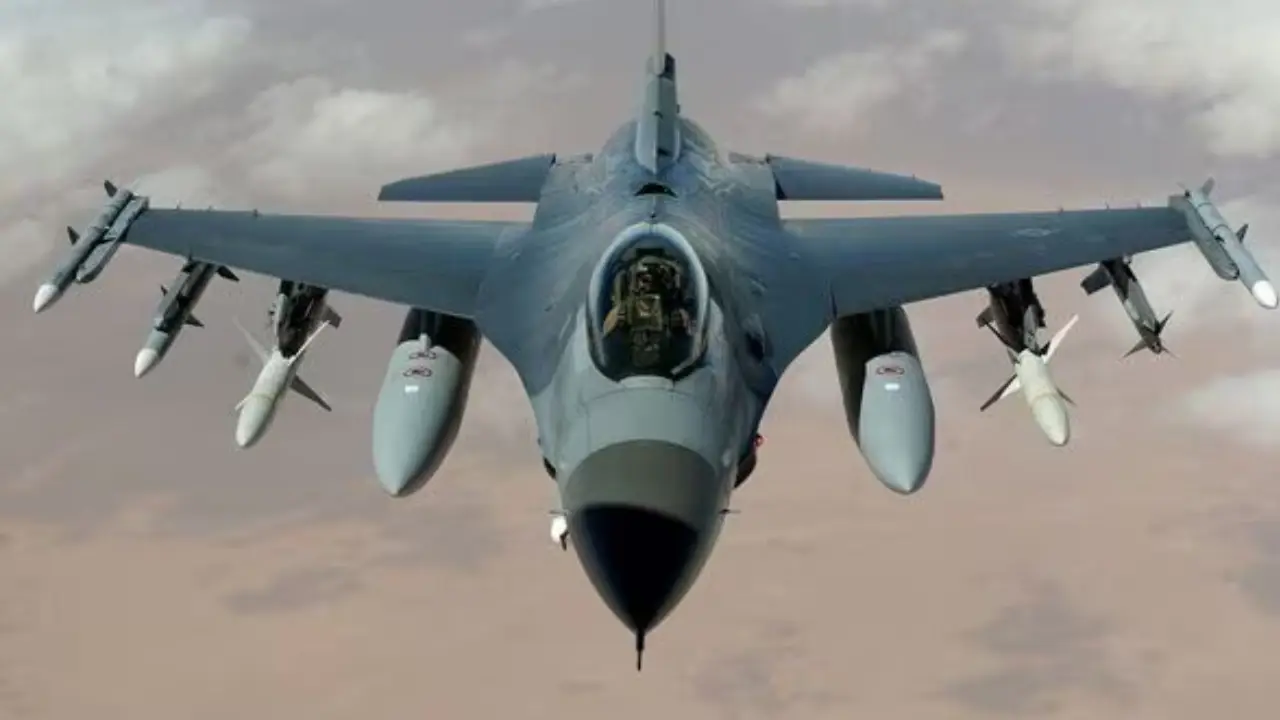
During Operation Sindoor, India struck terror camps with precision but showed restraint. Many of India’s most advanced fighter jet missiles were not used, signalling that Operation Sindoor was against terrorism, not Pakistan.
1 / 12
During Operation Sindoor, India struck terror camps with precision but showed restraint. Many of India’s most advanced fighter jet missiles were not used, signalling that Operation Sindoor was against terrorism, not Pakistan.
2 / 12
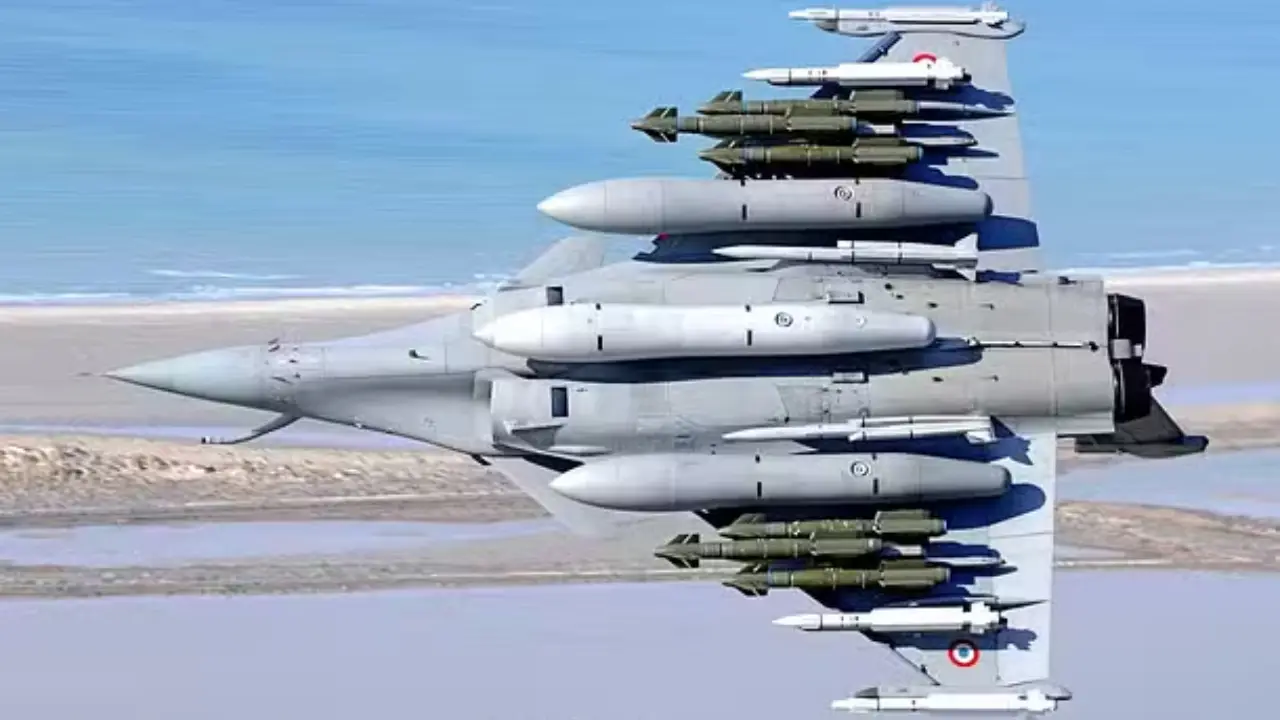
Meteor missile
The Meteor missile, used by Rafale jets, can hit targets over 150 km away. Known for its “no escape zone,” this European missile was kept in reserve, showing India’s careful approach to escalation.
3 / 12
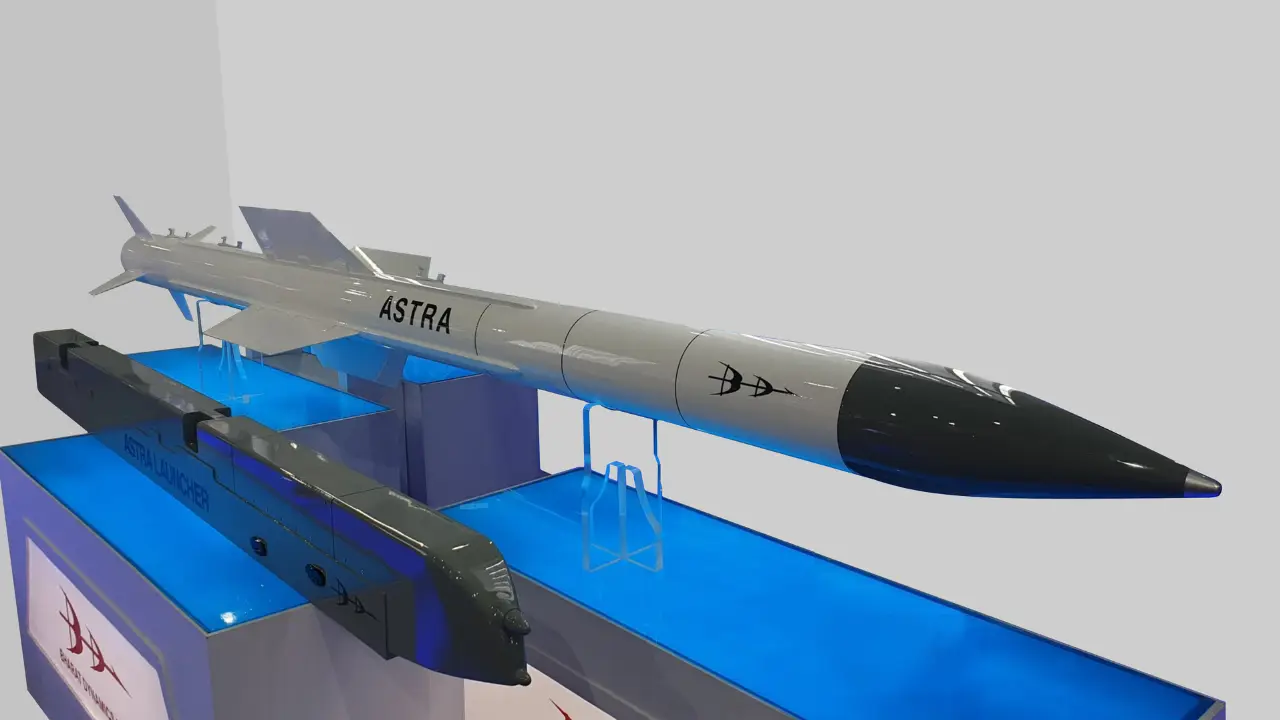
Astra
Astra is India’s own beyond-visual-range missile, capable of striking enemy aircraft at 110 km. Despite its proven power, the Indian Air Force did not deploy Astra in the recent standoff.
4 / 12
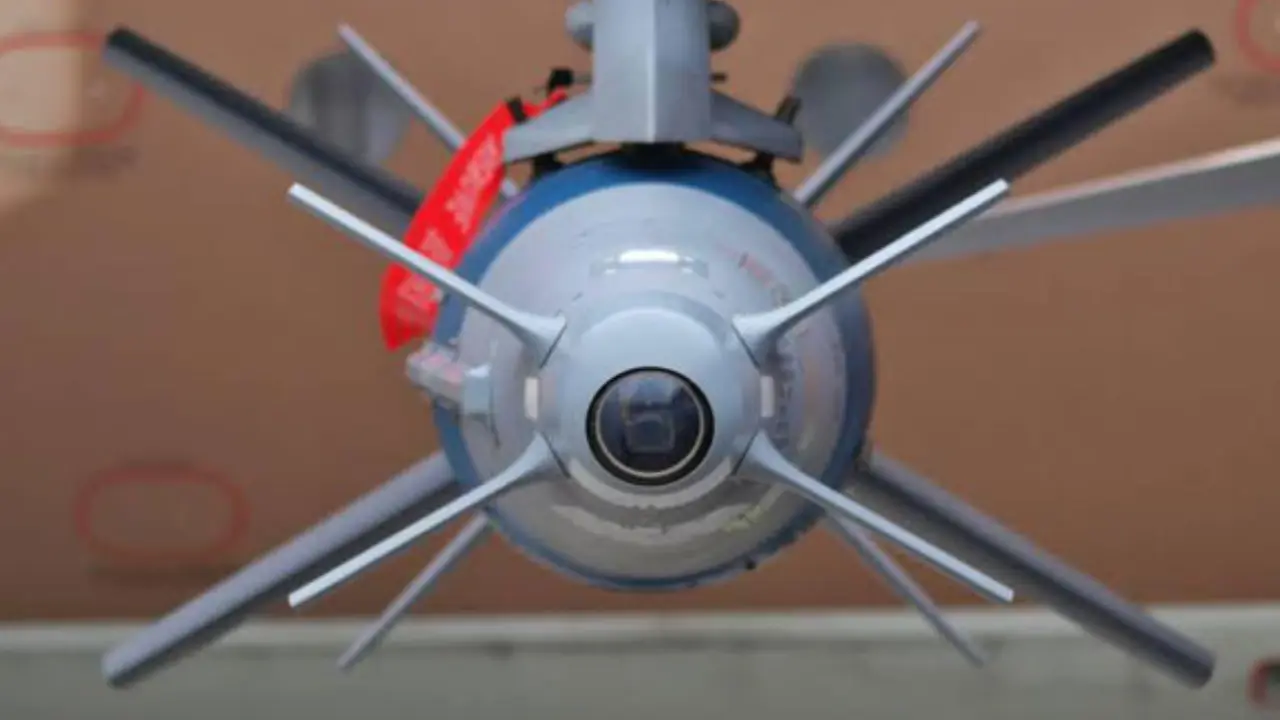
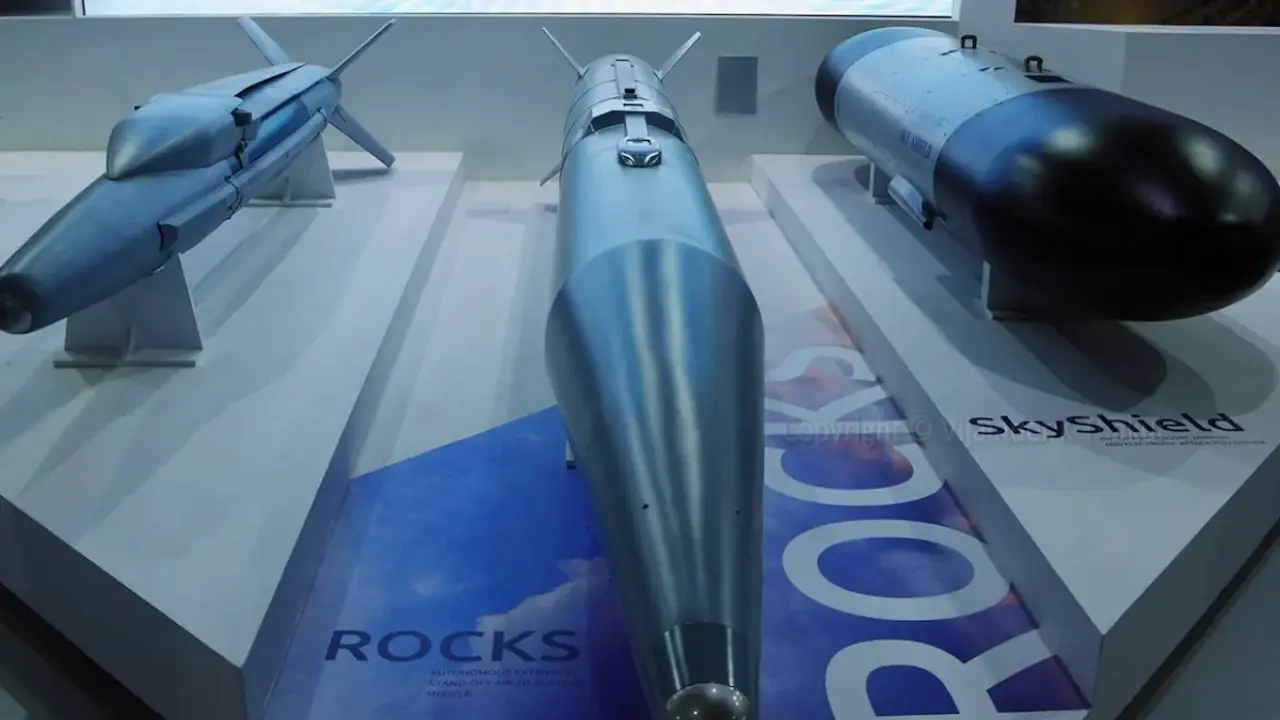
Spice 2000
Spice 2000 precision-guided bombs can destroy fortified bunkers from a safe distance. These Israeli-made bombs were not used this time, even though they played a major role in the 2019 Balakot strike.
5 / 12
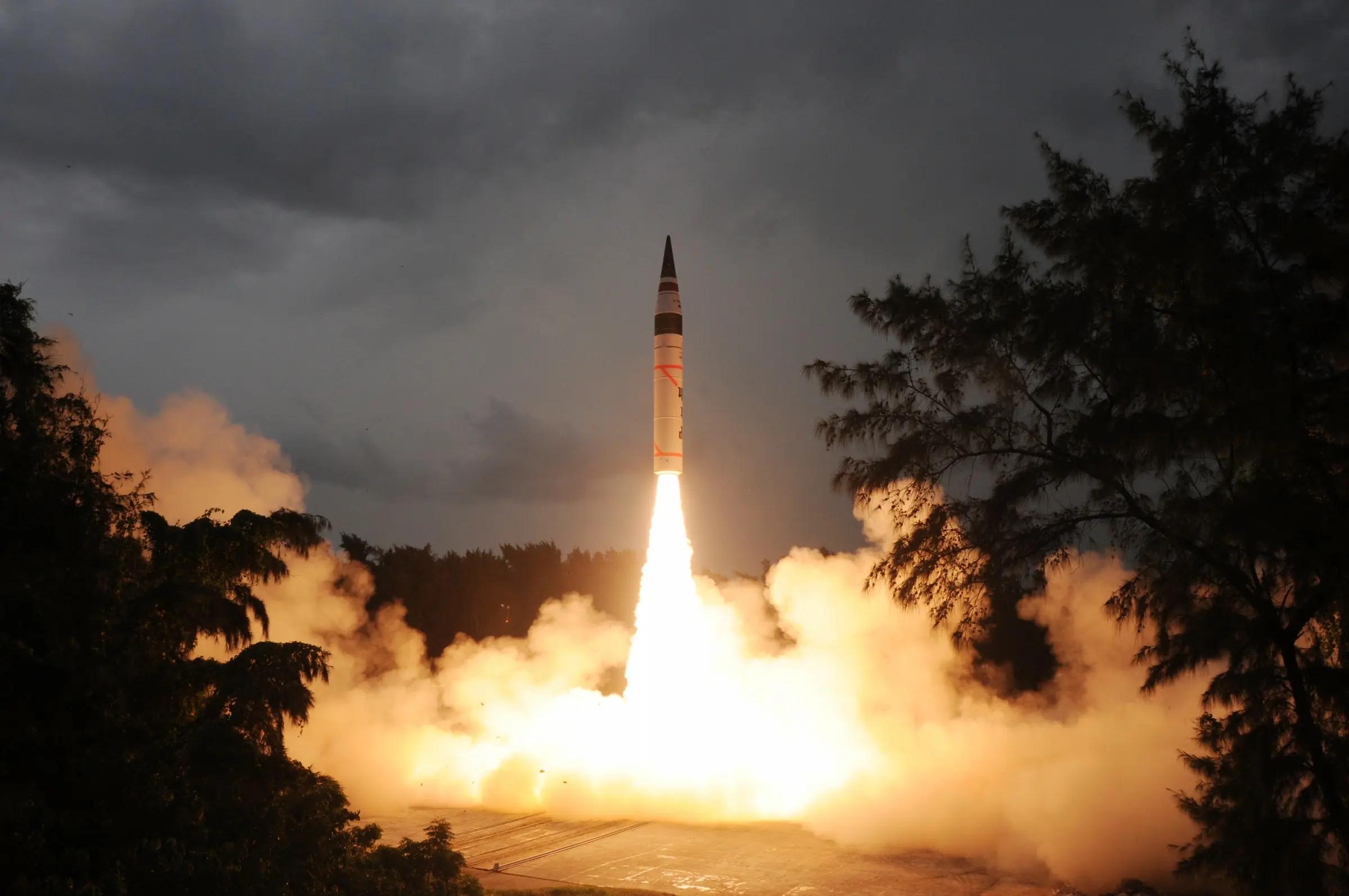
Crystal Maze
Crystal Maze, also called AGM-142, is an Israeli missile designed for deep strikes. It can target enemy bases far behind the front lines, but India chose not to use it during the latest operations.
6 / 12
Agnvi-V
India's most potent missile, Agni-V, is a land-based, nuclear-capable Intercontinental Ballistic Missile (ICBM) with MIRV capability. Developed by the Defence Research and Development Organisation (DRDO), it boasts a range exceeding 7,000 km. This three-stage, road-mobile, canister missile uses solid fuel and is one of the fastest in the world, achieving speeds of up to 29,400 km/h.
7 / 12
During Operation Sindoor, India struck terror camps with precision but showed restraint. Many of India’s most advanced fighter jet missiles were not used, signalling that Operation Sindoor was against terrorism, not Pakistan.
8 / 12
Meteor missile
The Meteor missile, used by Rafale jets, can hit targets over 150 km away. Known for its “no escape zone,” this European missile was kept in reserve, showing India’s careful approach to escalation.
9 / 12
Astra
Astra is India’s own beyond-visual-range missile, capable of striking enemy aircraft at 110 km. Despite its proven power, the Indian Air Force did not deploy Astra in the recent standoff.
10 / 12
Spice 2000
Spice 2000 precision-guided bombs can destroy fortified bunkers from a safe distance. These Israeli-made bombs were not used this time, even though they played a major role in the 2019 Balakot strike.
11 / 12
Crystal Maze
Crystal Maze, also called AGM-142, is an Israeli missile designed for deep strikes. It can target enemy bases far behind the front lines, but India chose not to use it during the latest operations.
12 / 12
Agnvi-V
India's most potent missile, Agni-V, is a land-based, nuclear-capable Intercontinental Ballistic Missile (ICBM) with MIRV capability. Developed by the Defence Research and Development Organisation (DRDO), it boasts a range exceeding 7,000 km. This three-stage, road-mobile, canister missile uses solid fuel and is one of the fastest in the world, achieving speeds of up to 29,400 km/h.
)
)
)
)
)