'Operation Lion's Roar vs Epic Fury': Why US-Israel are running two different missions to strike Iran?

Despite launching a massive, synchronized assault on Iranian soil, the United States and Israel are notably not operating under a single, unified military banner. Instead, Washington is executing "Operation Epic Fury" while Tel Aviv directs "Operation Lion's Roar."
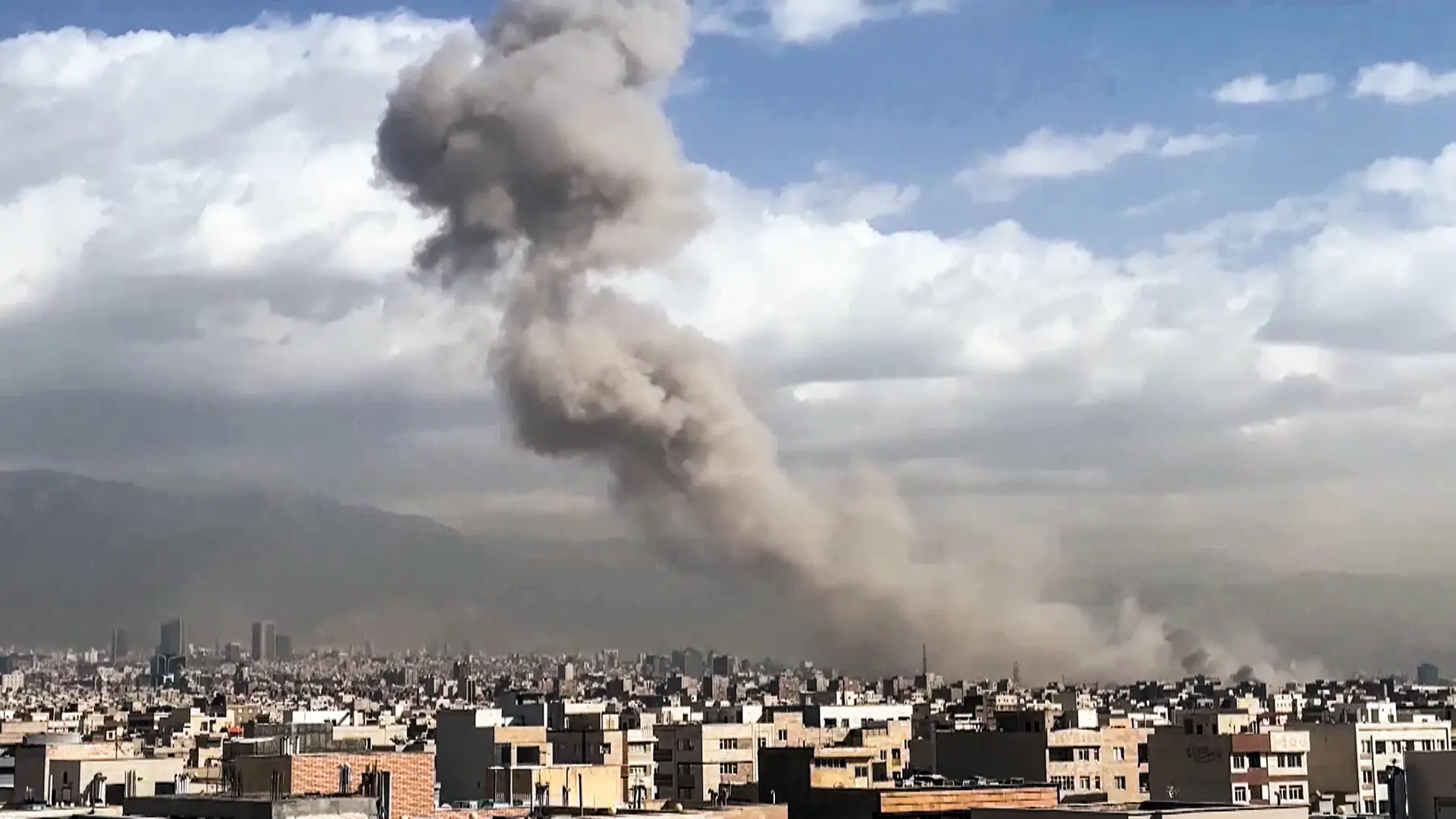
1. Diverging Strategic End-Goals
The primary reason for two separate operations is that Washington and Tel Aviv have different definitions of "victory."
Israel's Objective ('Lion's Roar'): Israel views a nuclear-armed Iran as an imminent, existential threat. The sole, uncompromising objective of the IDF's operation is the total and permanent annihilation of Iran’s nuclear program and the immediate ballistic missile threats pointing at Tel Aviv.
The US Objective ('Epic Fury'): The United States has a much broader regional agenda. Beyond neutralizing the nuclear threat, Washington is focused on re-establishing global deterrence, crippling the IRGC's ability to fund proxy militias, protecting the flow of oil through the Strait of Hormuz, and, as President Trump hinted in his public address, creating the conditions for regime collapse.
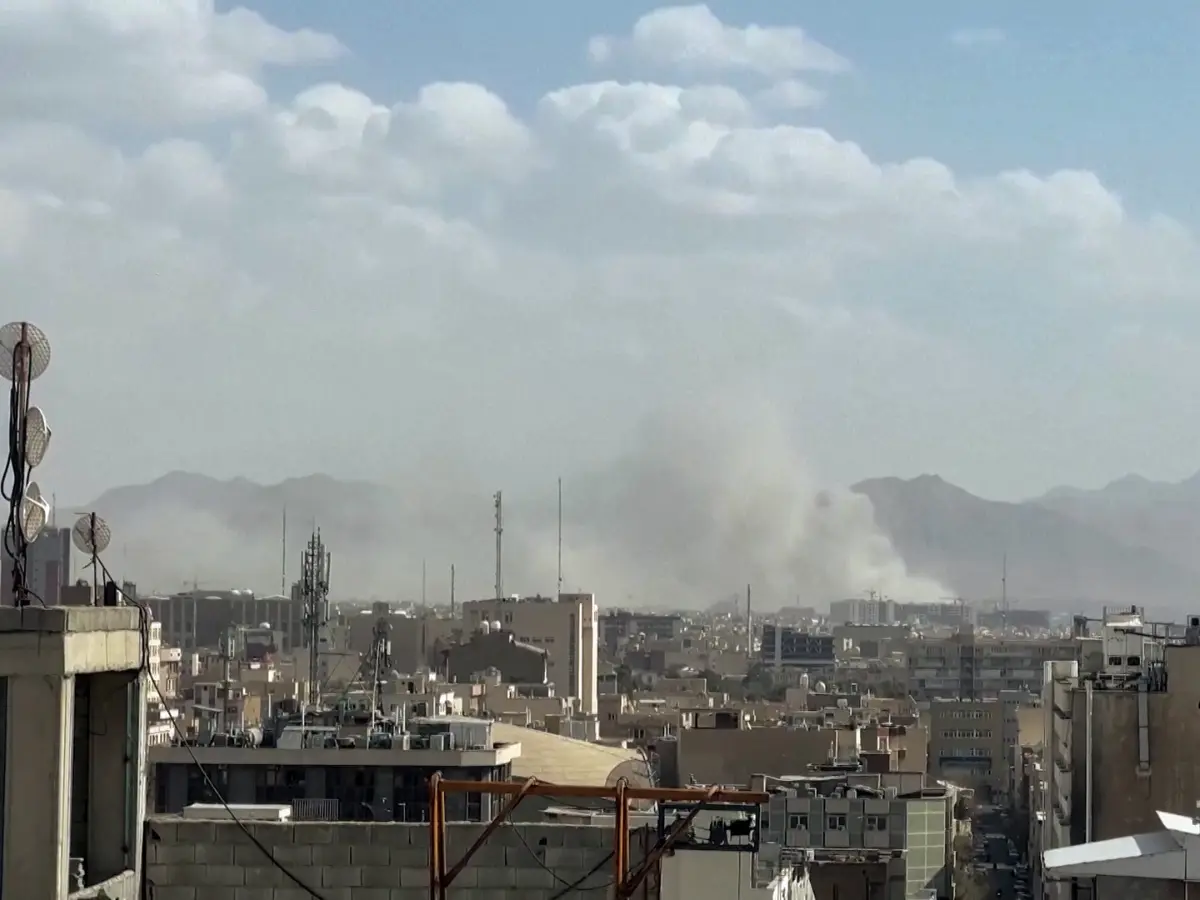
2. Differing Target Prioritization
Because their end-goals differ, their target lists are prioritized differently, requiring separate mission planning.
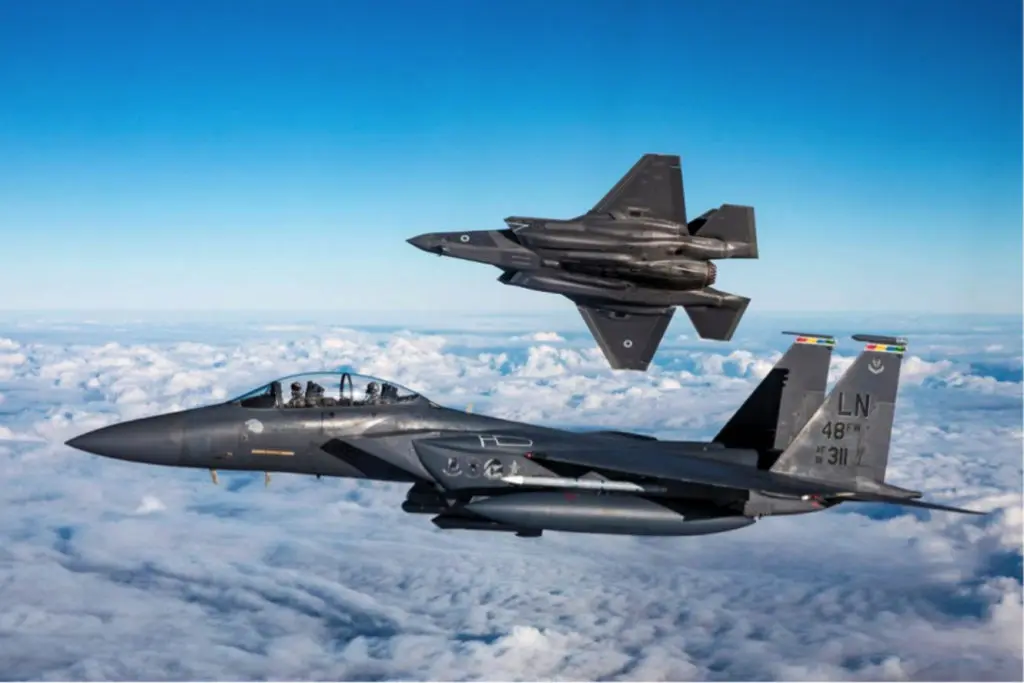
The IDF Focus: Israeli stealth fighters and bunker-busters are disproportionately focused on deep-underground enrichment sites like Fordow and Natanz, as well as missile silos tucked into the Zagros mountains.
The Pentagon Focus: The US military is handling a wider array of targets, dedicating massive naval and air assets to sweeping away Iranian early-warning radars, destroying naval bases along the Persian Gulf, and executing decapitation strikes against regime leadership compounds in downtown Tehran.
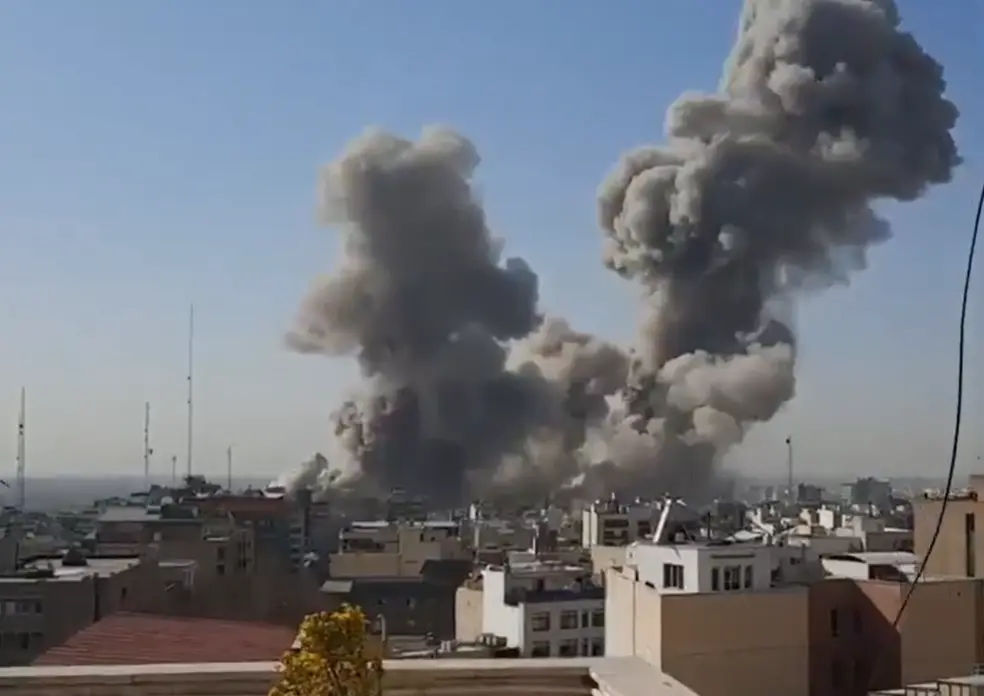
3. Separate Rules of Engagement (ROE)
The United States military operates under strict, globally scrutinised Rules of Engagement dictated by the Pentagon and international law, heavily emphasising the minimisation of civilian casualties to maintain coalition support. Israel, currently fighting a multi-front war for its own survival, operates under a different threshold of acceptable risk, particularly when striking heavily fortified targets embedded within civilian infrastructure. Running parallel operations allows both militaries to adhere to their own domestic and legal ROEs without compromising the other.
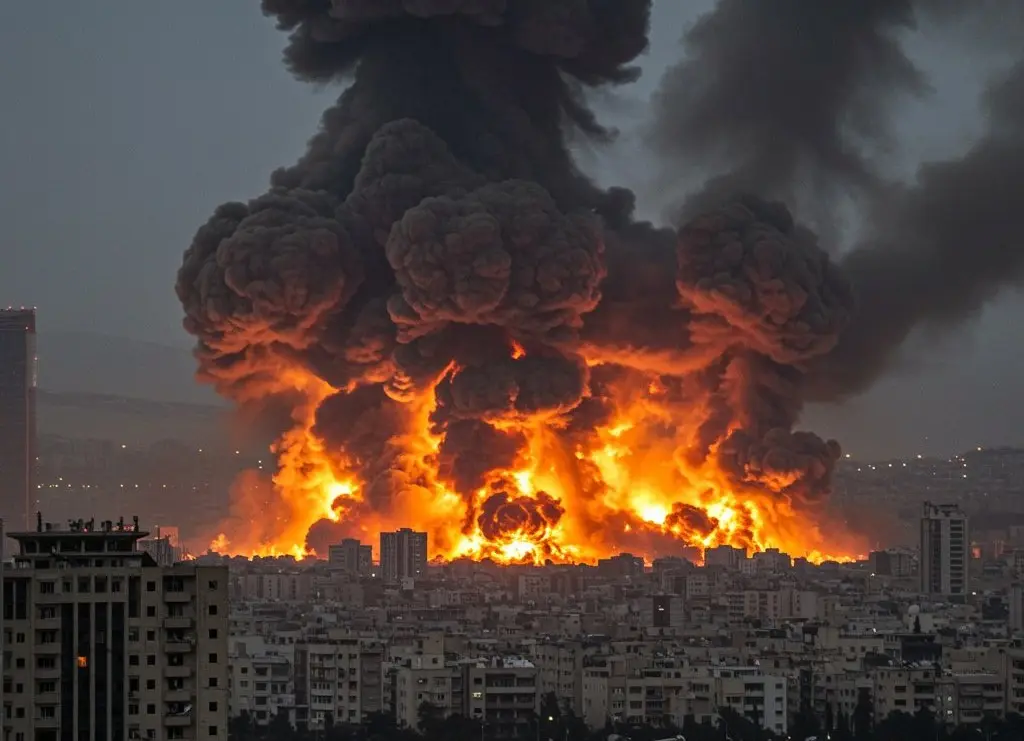
4. Domestic Politics and Legal Constraints
Both administrations face entirely different domestic pressures.
For the US, maintaining a distinct American operation ("Epic Fury") allows the administration to justify the strikes to Congress under specific War Powers resolutions, framing it as the defense of American troops stationed in the Gulf and retaliation for attacks on US logistics hubs.
For Israel, "Lion's Roar" needs to be branded as a sovereign Israeli initiative to assure its domestic population that the IDF is taking direct, independent action to secure the nation's borders, rather than relying entirely on a foreign superpower.
5. The "Day After" Exit Strategies
The split operations account for the reality that the two nations will likely exit the kinetic phase of the war at different times. Once Iran's centrifuges are confirmed destroyed and its primary missile silos are caved in, Israel’s primary mission is effectively complete. The US, however, will likely have to maintain a protracted operational presence, enforcing no-fly zones, suppressing mobile launchers, and managing the geopolitical fallout across the Arabian Peninsula for weeks or months to follow.
6. Operational Security and Intelligence Compartmentalization
Running dual command structures allows both nations to fiercely protect their most sensitive intelligence sources and methods. Israel’s targeting heavily relies on deep-cover Mossad operatives and human intelligence (HUMINT) actively on the ground inside Iran. The US, meanwhile, relies on highly classified signals intelligence (SIGINT) and space-based early warning networks. By keeping the operations distinct, neither side is forced to fully expose their localized spy networks, operational capabilities, or cyber-warfare tools to the other’s military apparatus.
7. Plausible Deniability for Arab Allies
This is perhaps the most critical geopolitical reason for the split. The US is heavily relying on the airspace, radar data, and logistical support of Arab Gulf nations like Jordan, Saudi Arabia, and the UAE. Due to severe domestic political sensitivities, these Arab governments absolutely cannot be seen actively participating in, or facilitating, a direct Israeli military offensive. By branding the wider regional campaign as the American-led "Operation Epic Fury," the US provides its Arab partners with the necessary diplomatic cover and plausible deniability to assist Washington without officially aligning with Tel Aviv's "Lion's Roar."
)
)
)
)
)