Operation Mahadev: What makes M4 rifles a threat in close-quarter mountain warfare?

In mountain warfare, every kilogram matters due to steep climbs and thin air. Weighing significantly less than battle rifles like the AK-103 or INSAS, the M4 allows soldiers and militants to carry more ammunition while maintaining agility during extended patrols and firefights.
Compact Design for Tight Spaces
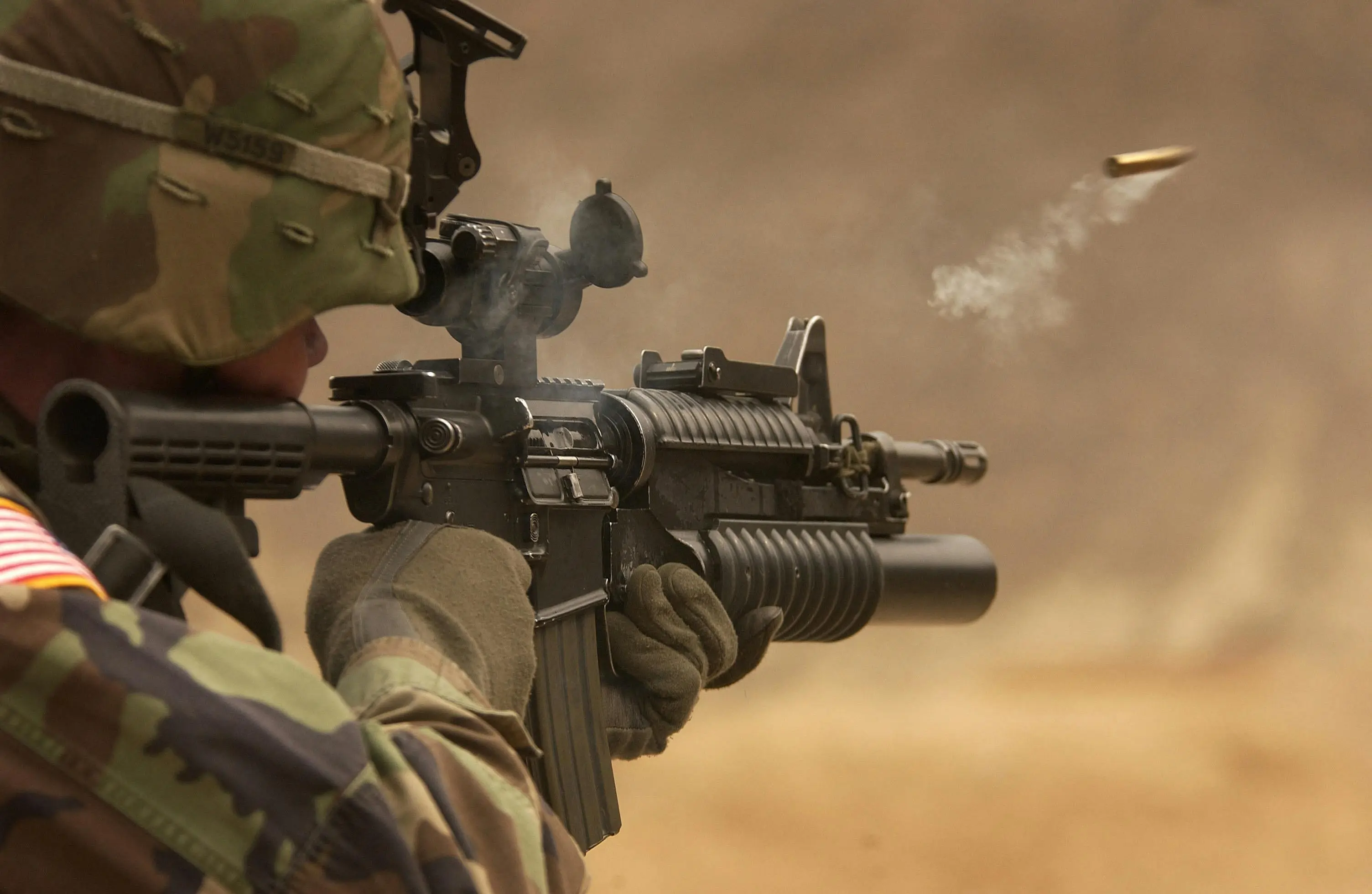
The M4 rifle’s shorter barrel and collapsible stock make it highly manoeuvrable in confined environments like bunkers, dense forests, and mountain caves. This design allows fighters to engage effectively in narrow valleys and urban-like mountain settlements, where longer rifles can be a disadvantage.
Lightweight for High Altitude Mobility
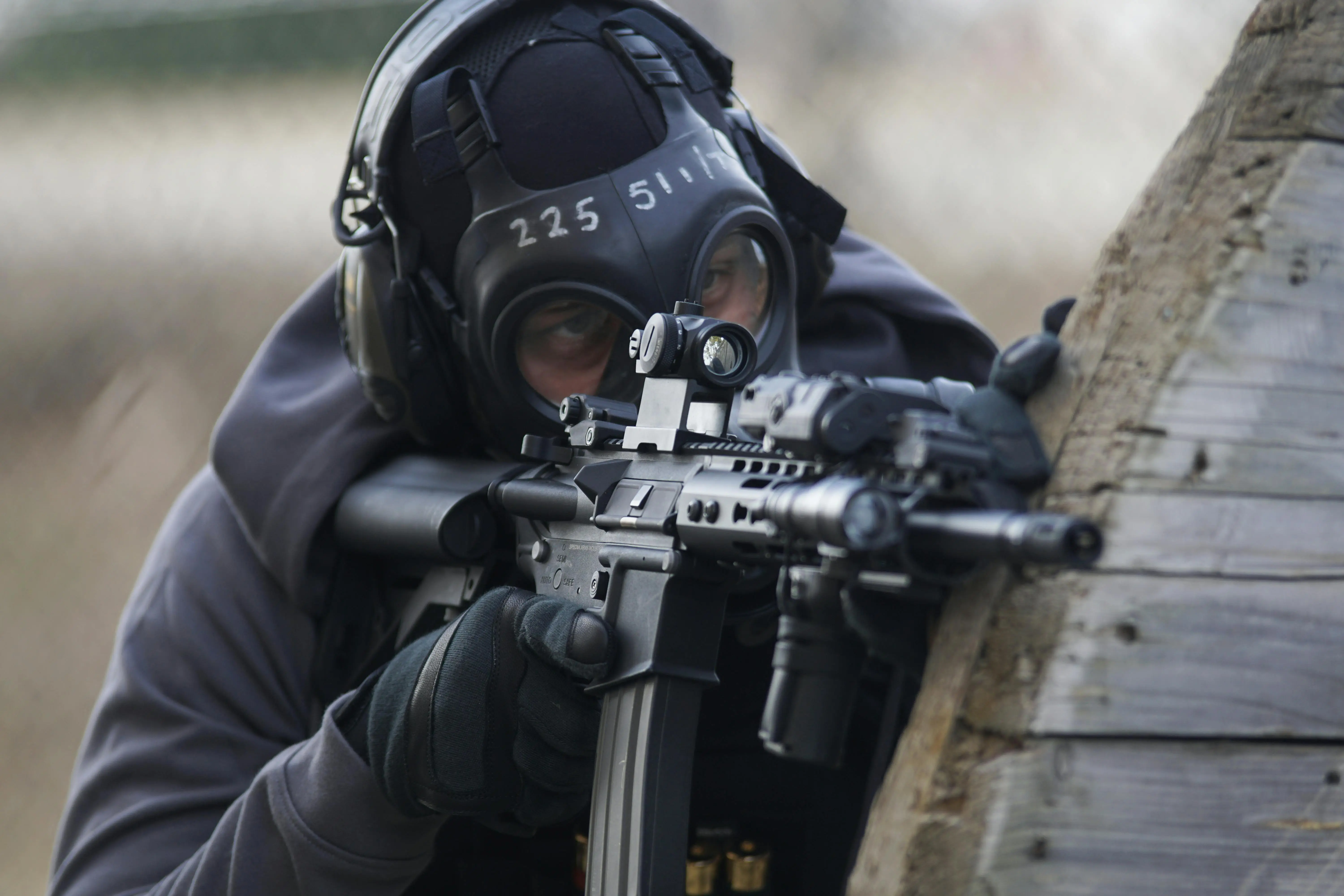
In mountain warfare, every kilogram matters due to steep climbs and thin air. Weighing significantly less than battle rifles like the AK-103 or INSAS, the M4 allows soldiers and militants to carry more ammunition while maintaining agility during extended patrols and firefights.
High Rate of Fire in Close Combat
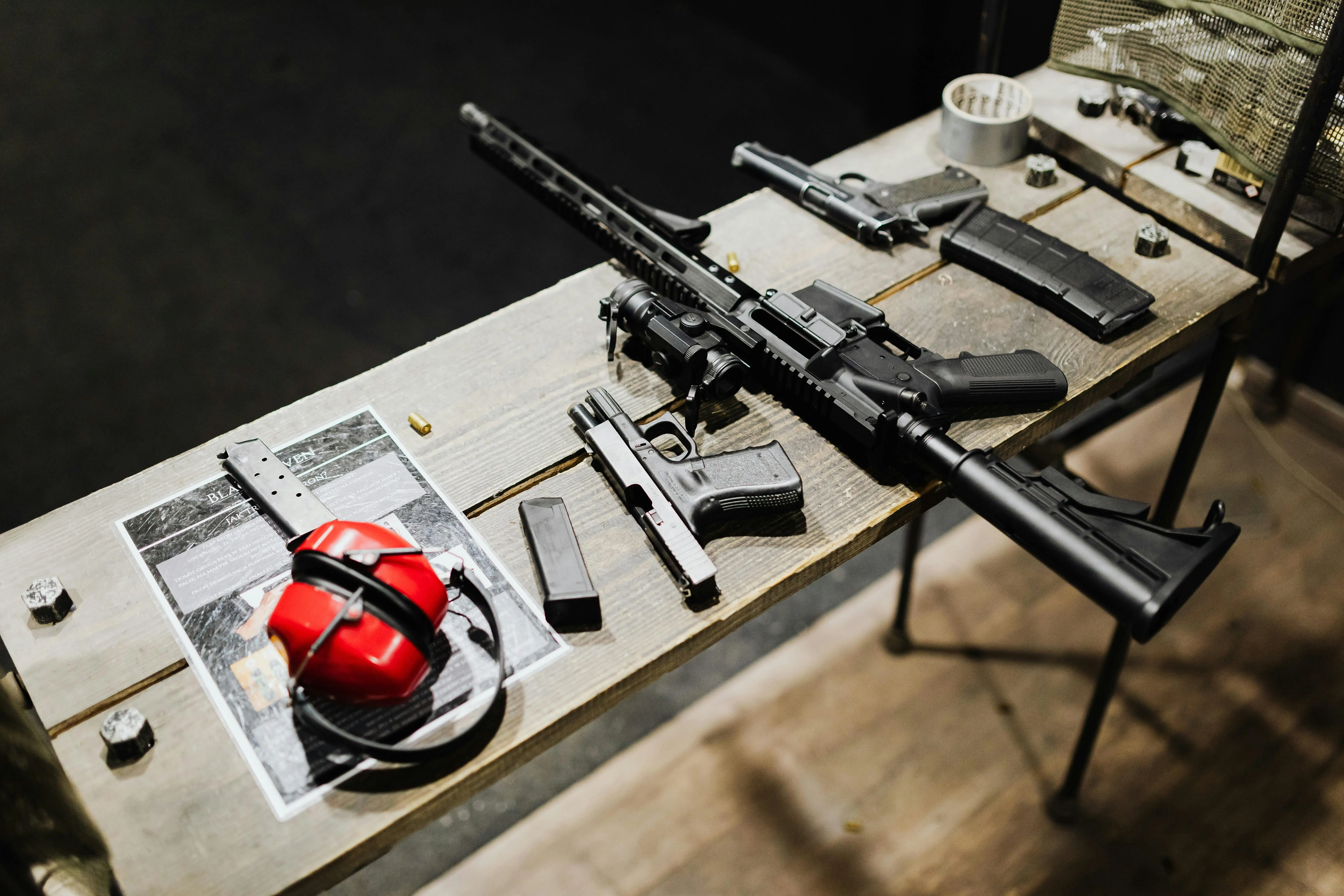
The M4’s selective fire mode, capable of semi-automatic and burst/automatic fire, makes it a deadly weapon for sudden close-quarter engagements. In the unpredictable terrain of mountains, where ambushes are common, this feature provides a critical edge.
Adaptability with Optics and Attachments
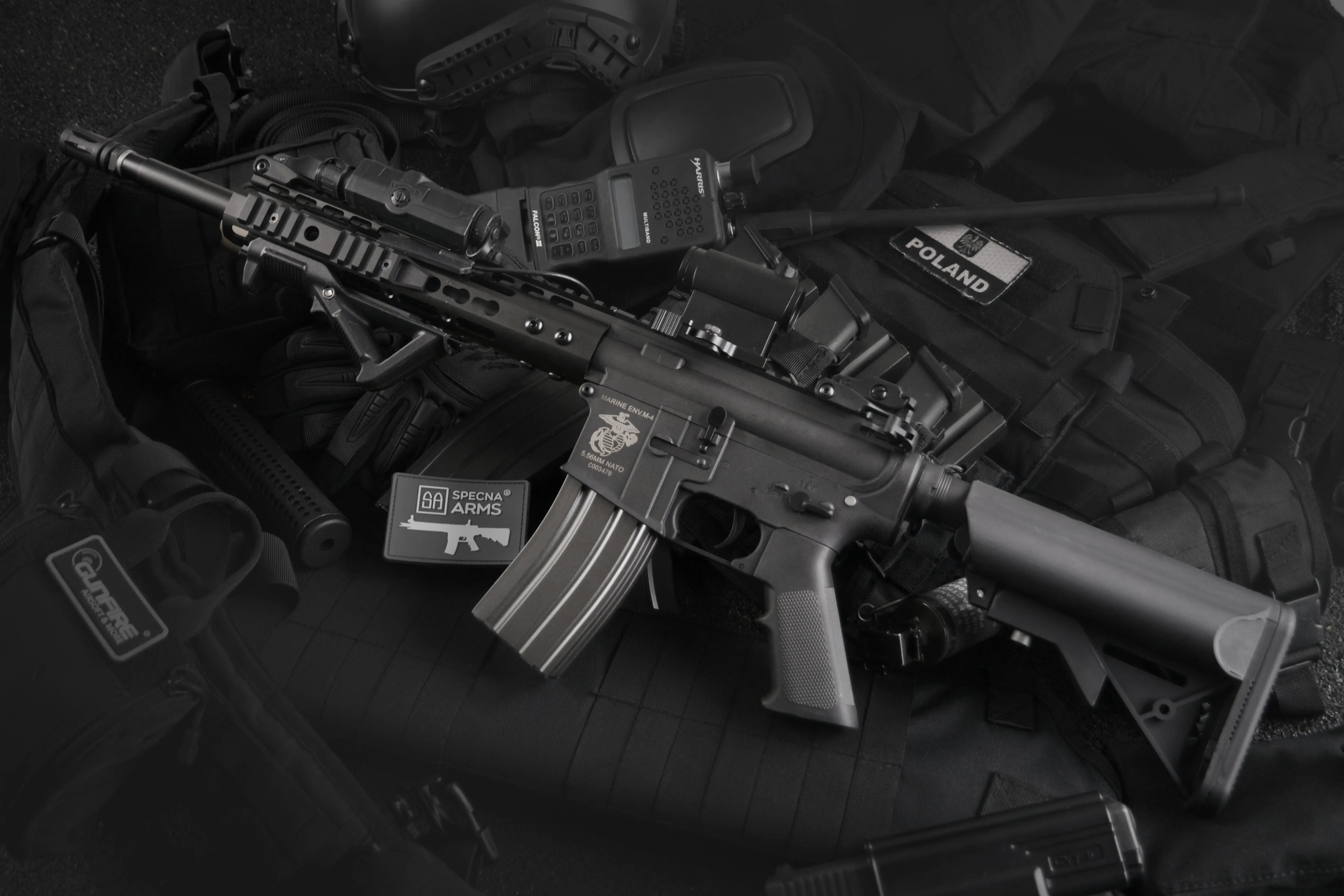
The M4 platform supports advanced optics, laser sights, and under-barrel attachments like grenade launchers. In mountain warfare, where visibility changes rapidly due to fog or terrain, these accessories enhance target acquisition and accuracy.
Effective Mid-Range Accuracy
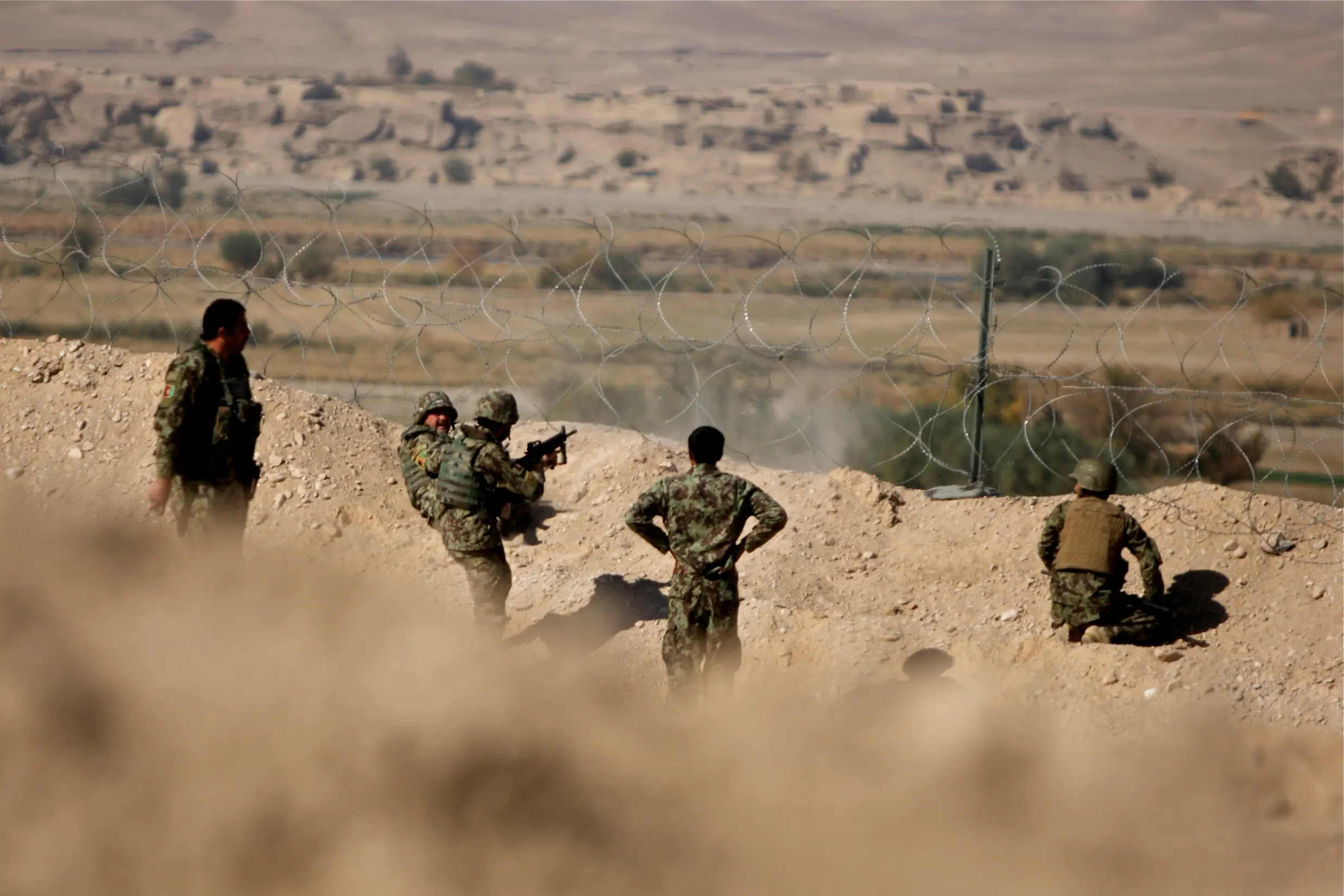
Unlike submachine guns, which are limited to very short distances, the M4 can accurately engage targets up to 500–600 metres. This is essential in mountain combat, where line-of-sight engagements often shift between short-range ambushes and medium-range firefights.

Implications for Counter-Insurgency in Kashmir
The recovery of M4 rifles from militants in Kashmir highlights their suitability for the region’s terrain. Their combination of portability, firepower, and adaptability makes them a persistent challenge for security forces conducting operations in close-quarter mountainous environments.
)
)
)
)
)