Operation Mahadev: What are the Soviet-made AK-47 rifles recovered from Pakistani terrorists neutralised by the Indian Army?

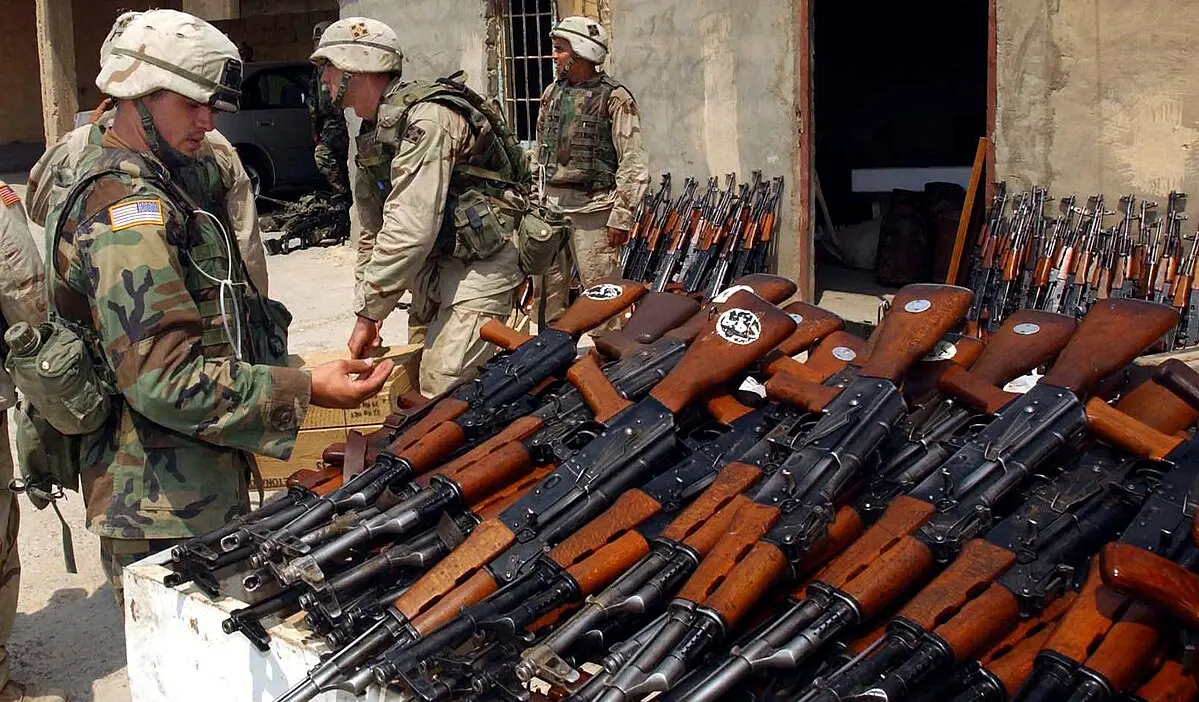
Acting on precise intelligence, forces recovered the bodies along with a cache of weapons and materials, including a Soviet-designed AK-47 rifle, a US-made carbine, seventeen rifle grenades and other assorted supplies.

The Encounter and Its Aftermath
In a significant counter-terror operation codenamed Operation Mahadev, the Indian Army neutralised three terrorists allegedly linked to the recent Pahalgam attack in Jammu & Kashmir. According to sources, among those killed in this encounter near Srinagar, was a suspected local mastermind behind militant activities in the region. Acting on precise intelligence, forces recovered the bodies along with a cache of weapons and materials, including a Soviet-designed AK-47 rifle, a US-made carbine, seventeen rifle grenades and other assorted supplies. These recoveries highlight how decades-old firearm designs continue to surface in modern terror networks. Meanwhile, a parliamentary debate on Operation Sindoor is already underway. This raises the question: what exactly are these AK-47 rifles, and why have they remained so iconic?
The AK-47: A Weapon Beyond Time
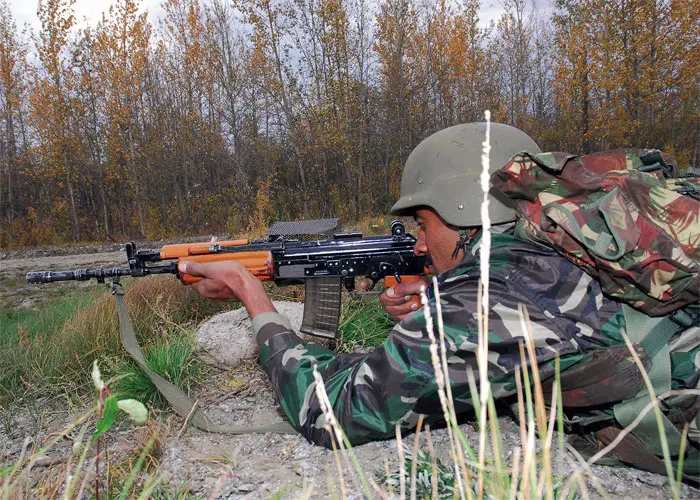
Among the items seized, the Soviet-designed AK-47 rifles stand out not just for their lethality, but for their enduring presence in conflict zones worldwide. Officially introduced in the late 1940s, the Avtomat Kalashnikova model 1947 became a symbol of guerrilla warfare, insurgency and state arsenals alike. Its reliability under harsh conditions, ease of use and relatively low manufacturing cost ensured it remained a weapon of choice well beyond the Cold War.

Features That Made the AK-47 Iconic
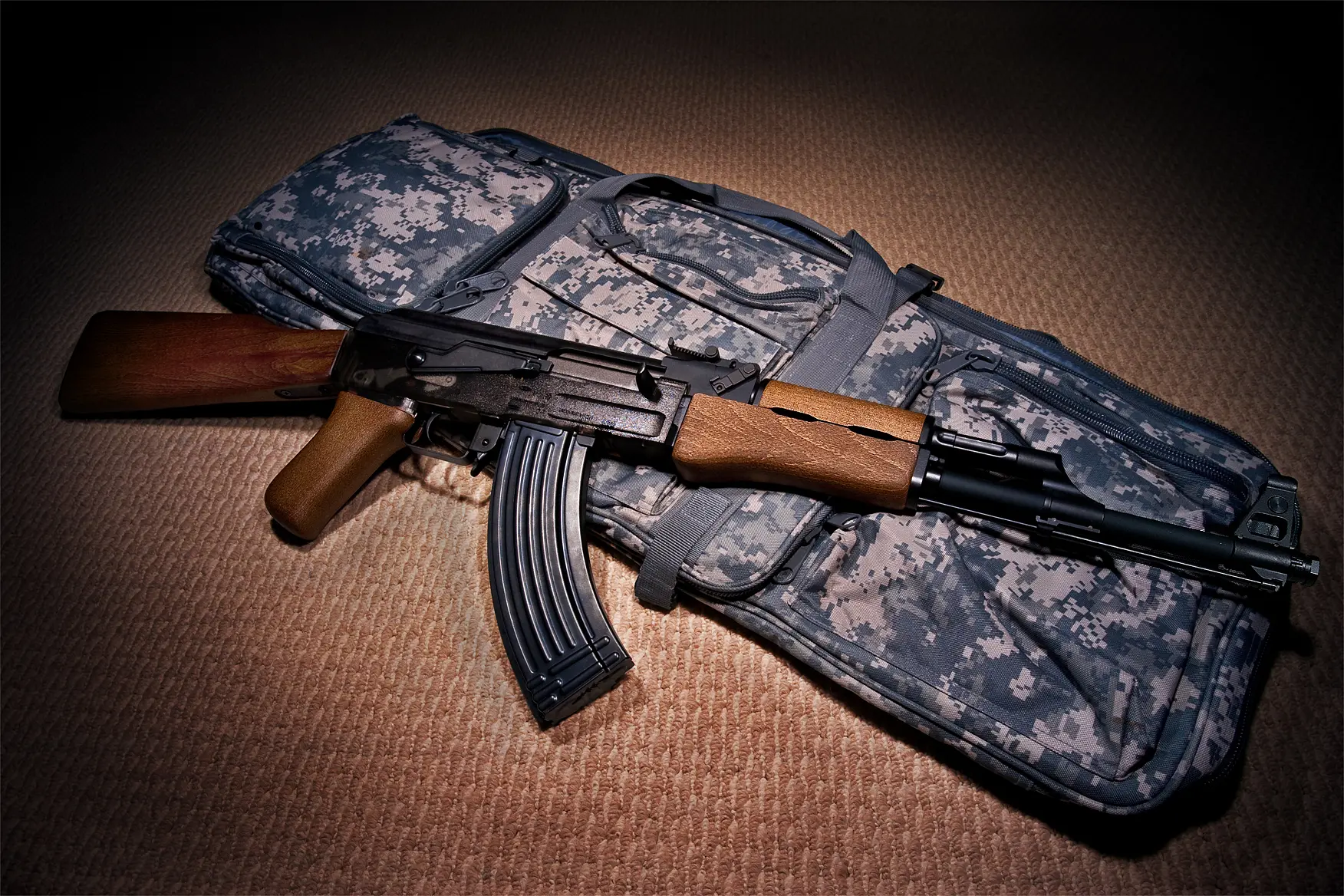
The AK-47 is renowned for its simple mechanical design, which makes it resilient to mud, sand and extreme weather. It has a cyclic rate of around 600 rounds per minute and is chambered for the 7.62×39mm cartridge, known for its stopping power at close to medium range. Over the decades, the design has evolved into numerous variants, yet the fundamental principles remain unchanged: durability, simplicity and effectiveness.
Introduction in India
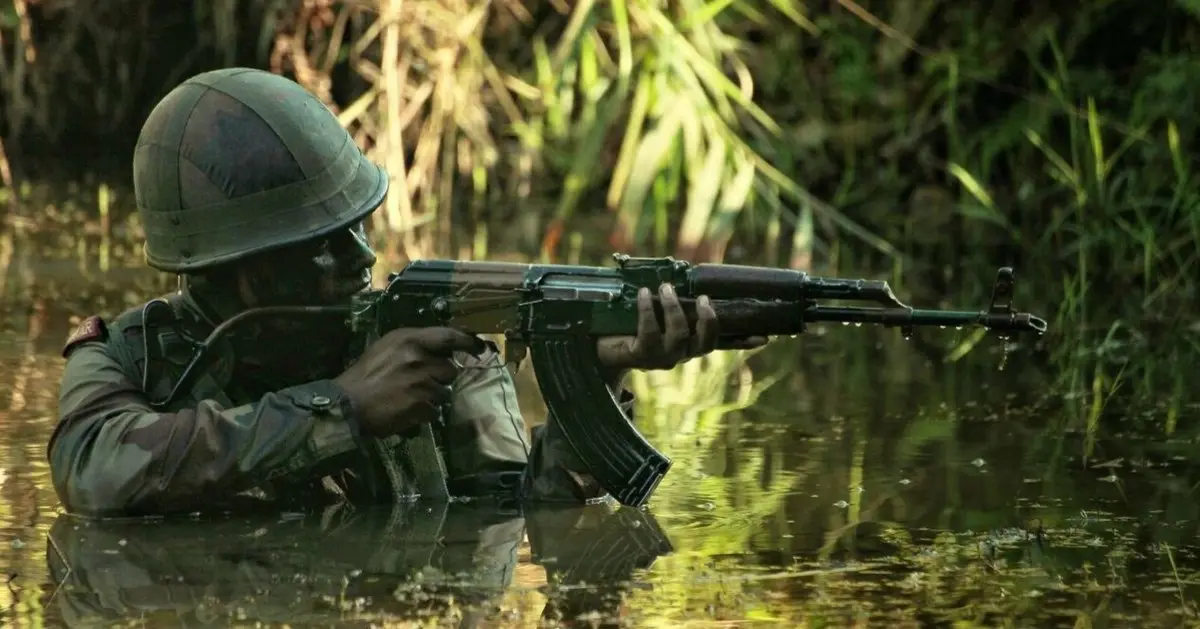
The AK-47 first surfaced in India during the late 1980s, smuggled illegally across borders to arm insurgencies in Punjab and Jammu & Kashmir. Its rugged design, simplicity and effectiveness soon made it the weapon of choice among militants in these regions. The Indian Army initially came across these rifles in the early 1990s, often seizing them from insurgents during operations in the North East and Kashmir. Impressed by their reliability, the Army went on to legally procure limited numbers from countries such as Russia and Romania to strengthen its arsenal. In a major step towards modernisation, India signed a joint venture with Russia in 2019 to manufacture the updated AK-203 rifles domestically, replacing older INSAS rifles and cementing the AK series as a staple of Indian forces.
How Terror Networks Still Rely on It
Despite the existence of more modern assault rifles, AK-47s and their derivatives continue to be smuggled and traded across conflict zones. In Kashmir, weapons of Soviet origin often arrive through complex cross-border networks, sometimes refurbished or modified. The discovery of these rifles in the hands of these Pakistani terrorists stresses on the continuing challenge security agencies face in tracing supply chains that can span continents.
A Legacy That Refuses to Fade
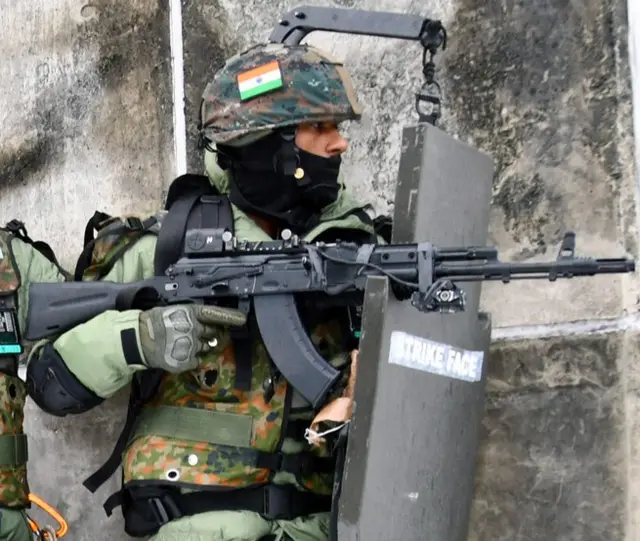
The AK-47, a product of Soviet engineering, has outlived regimes and ideologies, remaining a weapon both feared and infamous. Its recovery in Kashmir decades after its original deployment shows how a design born in the last century still shapes conflicts today.
Pahalgam and the Web of Militancy
Pahalgam, though renowned worldwide as a tourist destination, witnessed the tragic killing of 26 civilians by terrorists on 22 April 2025. According to sources, the security agencies suspect that the group targeted in Operation Mahadev, was involved in the Pahalgam terror attacks. The neutralisation of these operatives, is being seen as a major blow to networks seeking to revive militancy in Kashmir.
)
)
)
)
)