Operation Basharat al-Fath: Are US troops safe in the Middle East and how prepared are they for Iranian missile strikes?

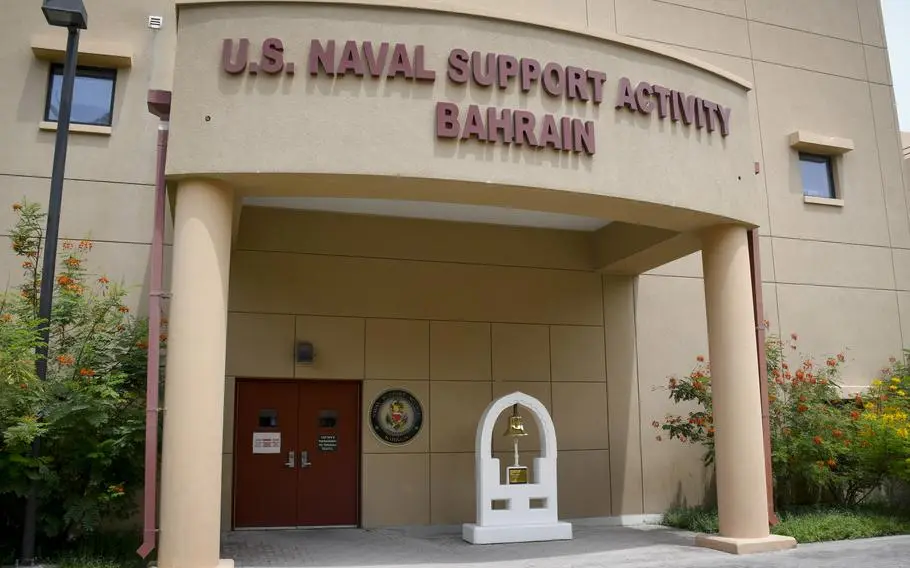
American military engineers have fortified key Middle Eastern bases over the years. Hardened aircraft shelters, reinforced barracks, and layered defences are in place, especially at large hubs like Al Udeid and Al Dhafra in the UAE.
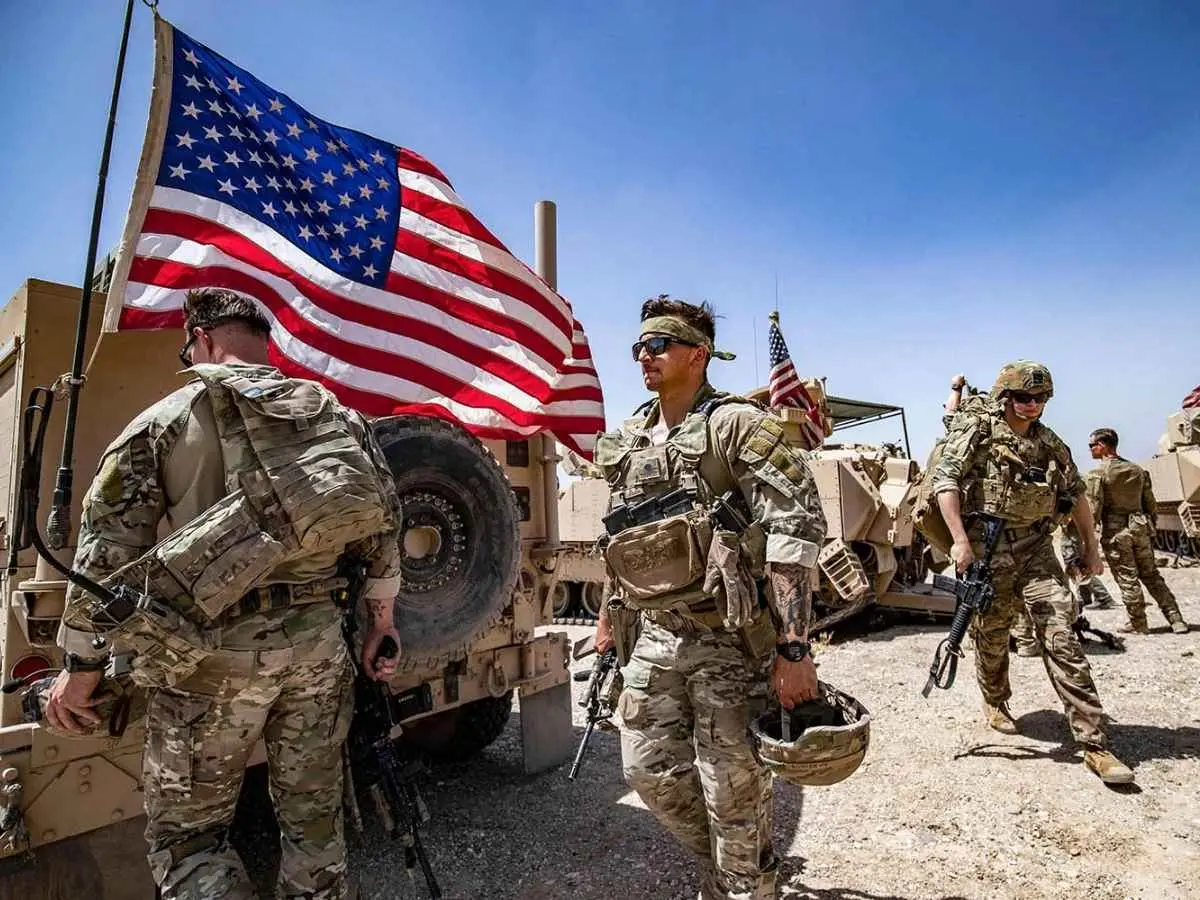
Are US troops safe in the Middle East?
As tensions escalate between the US and Iran — following the American B-2 bomber strike on Iran’s nuclear sites and Tehran’s missile retaliation — the safety of thousands of US troops stationed across the Middle East is under urgent focus. How prepared are these American bases to defend against Iranian missile threats?
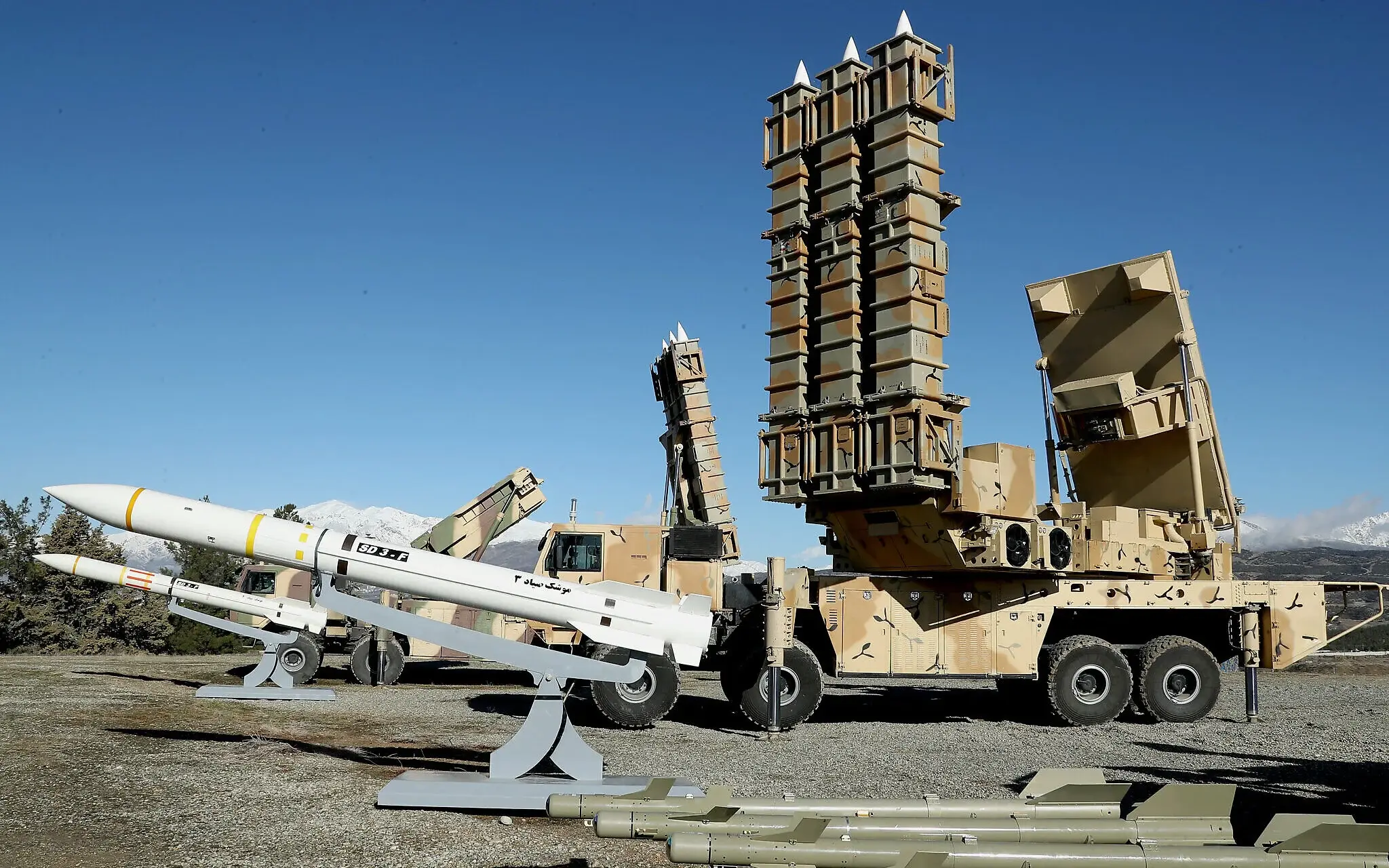
The threat: Iran’s vast missile arsenal
Iran possesses one of the largest missile stockpiles in the region. It includes short, medium, and intermediate-range ballistic missiles, as well as advanced drones. The Islamic Revolutionary Guard Corps (IRGC) has demonstrated precision targeting, as seen in past strikes on US bases in Iraq in 2020. Now, with Iran openly retaliating for the US nuclear strikes, American bases in Qatar, Bahrain, the UAE, Kuwait, and Iraq are potential targets.
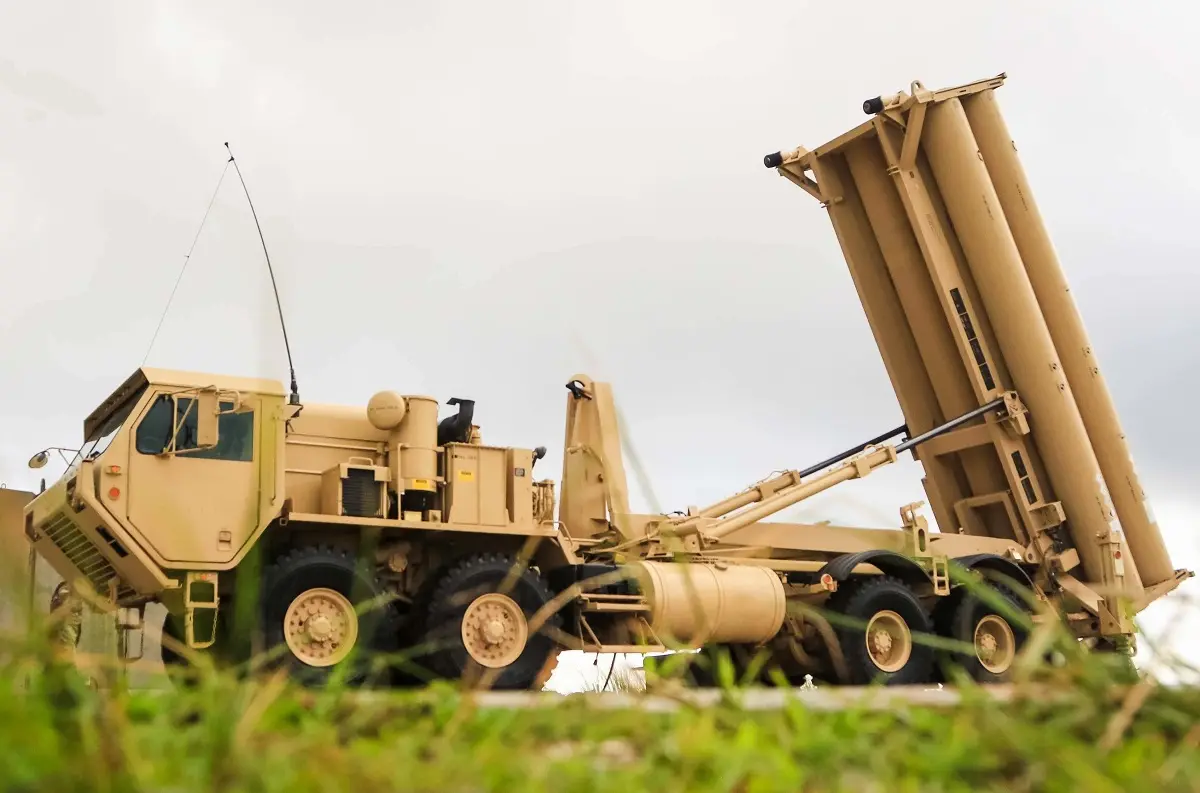
Defences: Patriot and THAAD missile systems
The US military has invested heavily in air defences in the region. Bases in Qatar, Bahrain, and the UAE are protected by Patriot missile batteries, capable of intercepting incoming ballistic missiles. Qatar’s Al Udeid Air Base also hosts Terminal High Altitude Area Defence (THAAD), designed to handle longer-range threats. However, even advanced systems face limits against mass or swarm-style attacks.
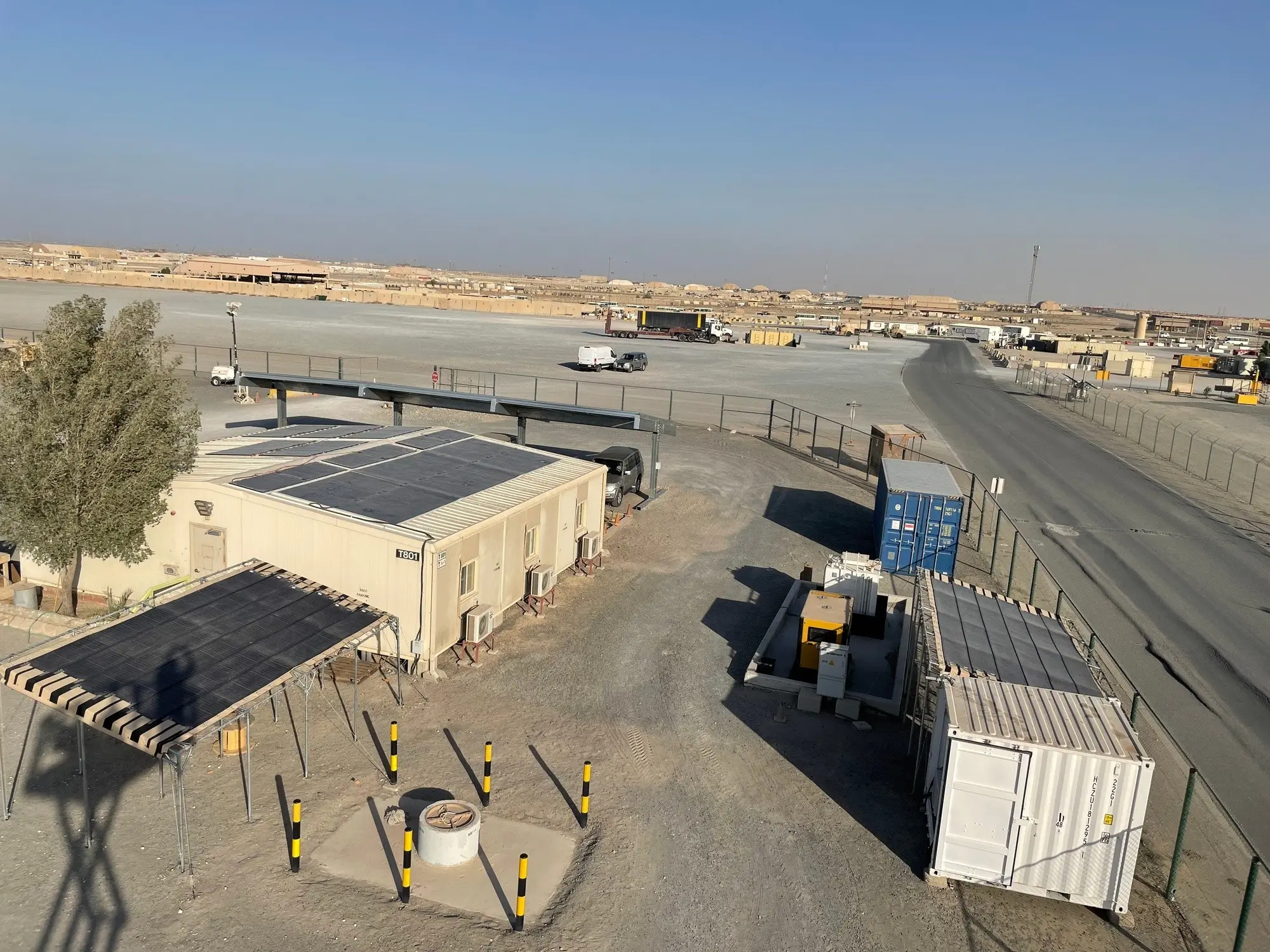
Hardening of bases
American military engineers have fortified key Middle Eastern bases over the years. Hardened aircraft shelters, reinforced barracks, and layered defences are in place, especially at large hubs like Al Udeid and Al Dhafra in the UAE. Troop drills and missile alert systems are routine, allowing rapid sheltering of personnel during missile warnings.
Intelligence and early warning systems
US bases are networked with satellite and regional radar systems that can detect Iranian launches within seconds. The US Central Command (CENTCOM) operates constant monitoring of Iranian movements via drones, spy planes, and naval assets. Early detection buys critical minutes for defensive action.
Vulnerabilities remain
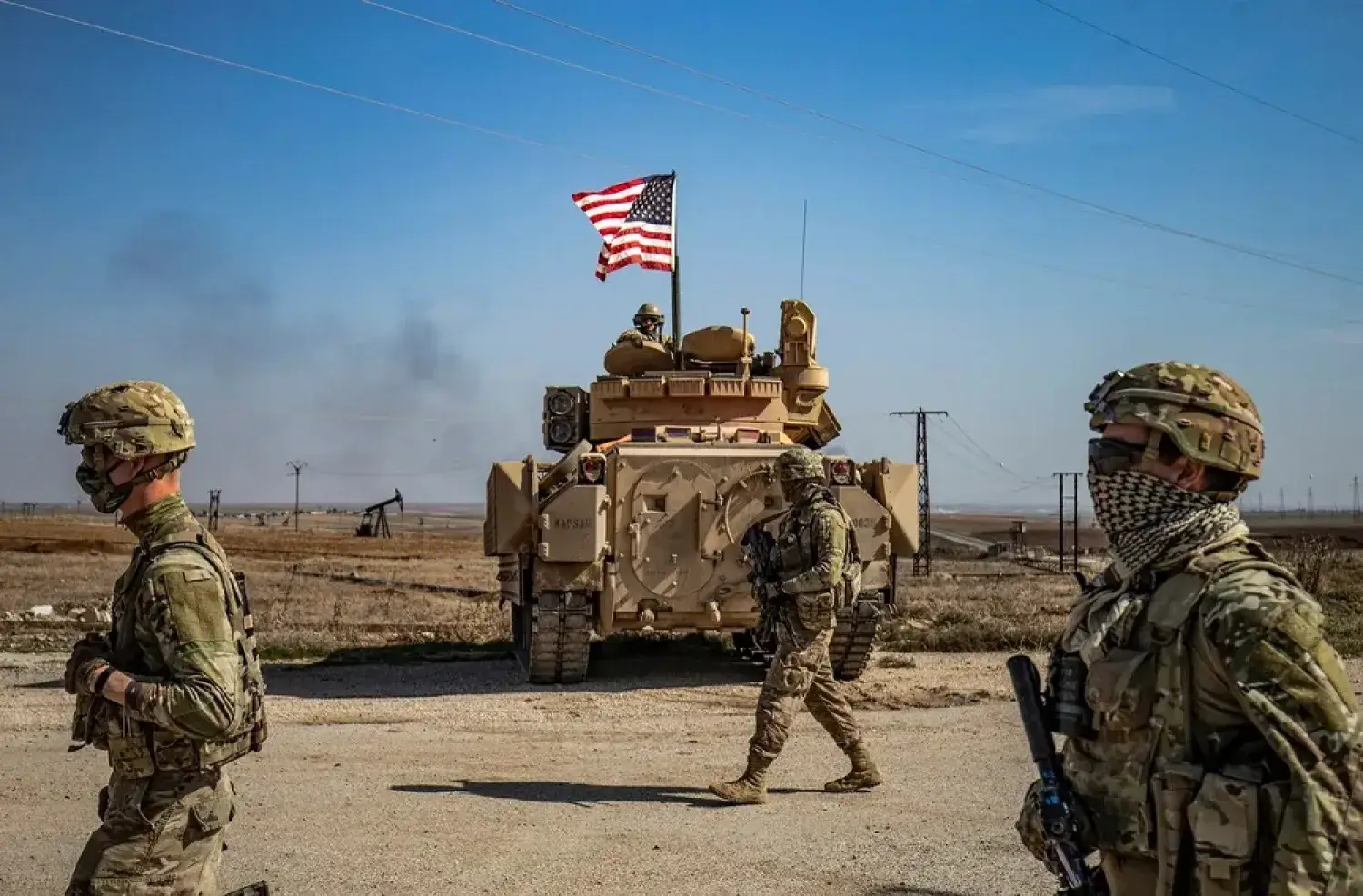
Despite these preparations, vulnerabilities remain. Iran’s ability to launch salvos of precision-guided missiles or drones could overwhelm base defences. In particular, smaller bases or logistics hubs — like those in Kuwait or Iraq — are harder to defend comprehensively. Iranian proxies also pose threats through asymmetrical attacks.
US military posture: High alert
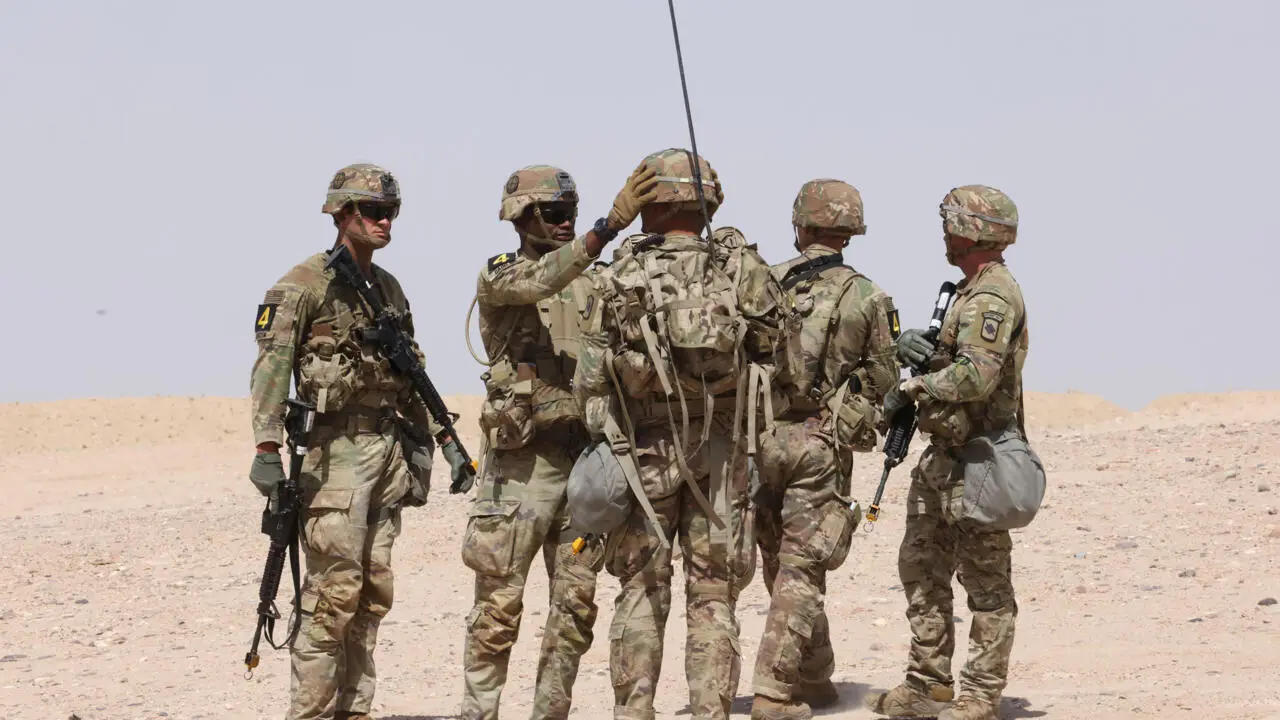
As of now, the US military has placed all Middle Eastern bases on the highest state of alert since the latest Iran strikes began. Additional fighter jets, missile interceptors, and naval assets are being moved into the Gulf region. Troop movements are under tight operational security.
)
)
)
)
)