Oops! DART got ONE thing wrong about blowing up an asteroid...and it could spell doom for Earth

The best way to counter an asteroid on a collision course with Earth is not simply to hit it, but to strike it in such a spot that it will move to a safe spot. Otherwise, it could return to take a second shot at Earth.
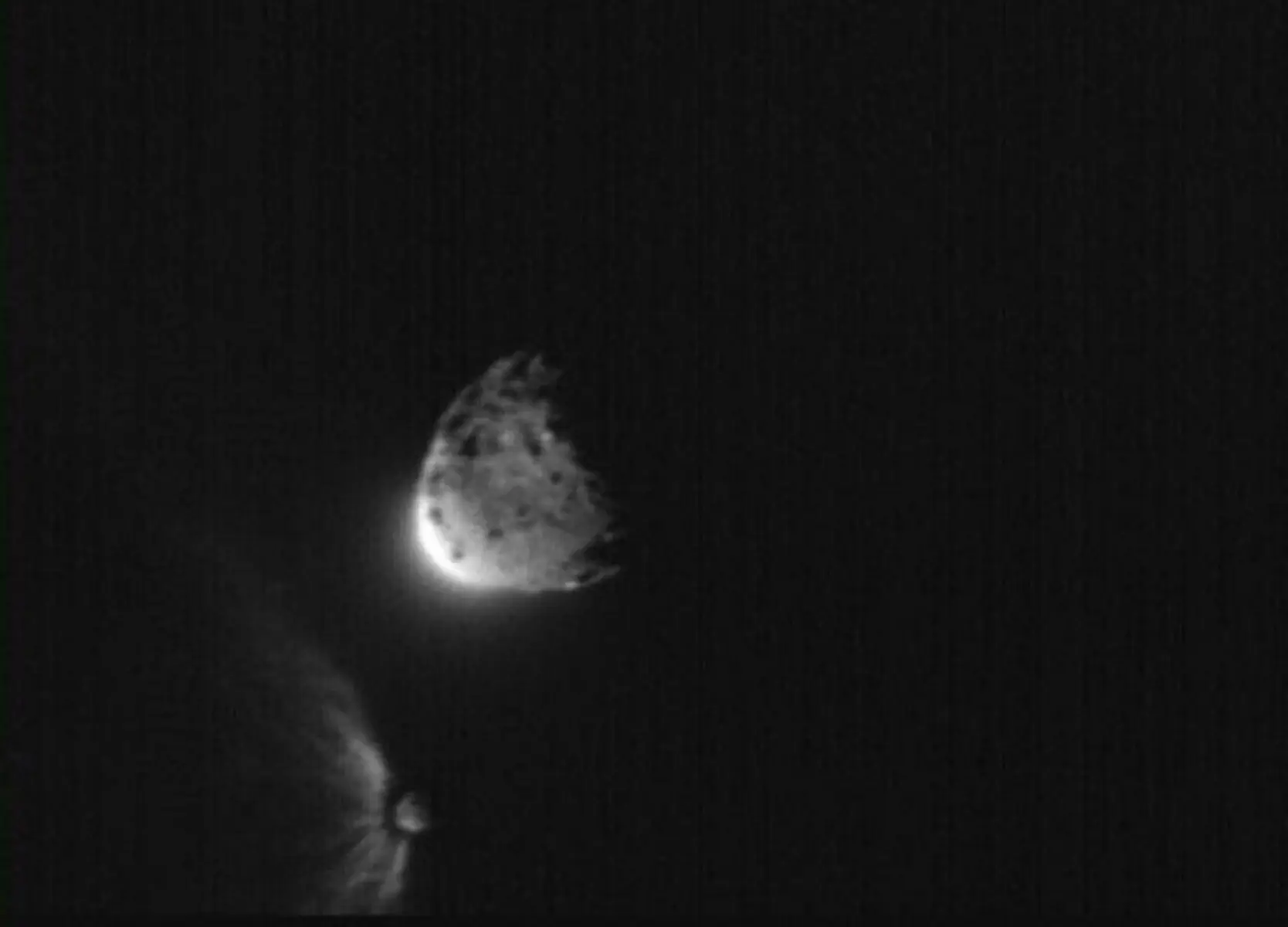
NASA's DART mission struck asteroid moonlet Dimorphos
NASA's DART mission in 2022 crashed a spacecraft into the asteroid moonlet Dimorphos, a satellite of the larger asteroid Didymos. It was seen as a huge milestone in planetary defence to save Earth from any incoming hazardous asteroids. Later analysis showed that the impact had changed the shape of Dimorphos and changed its orbit around Didymos. However, turns out it wasn't enough. A study has found that if something like this is attempted in the future, the asteroid might come back for a second shot at Earth.
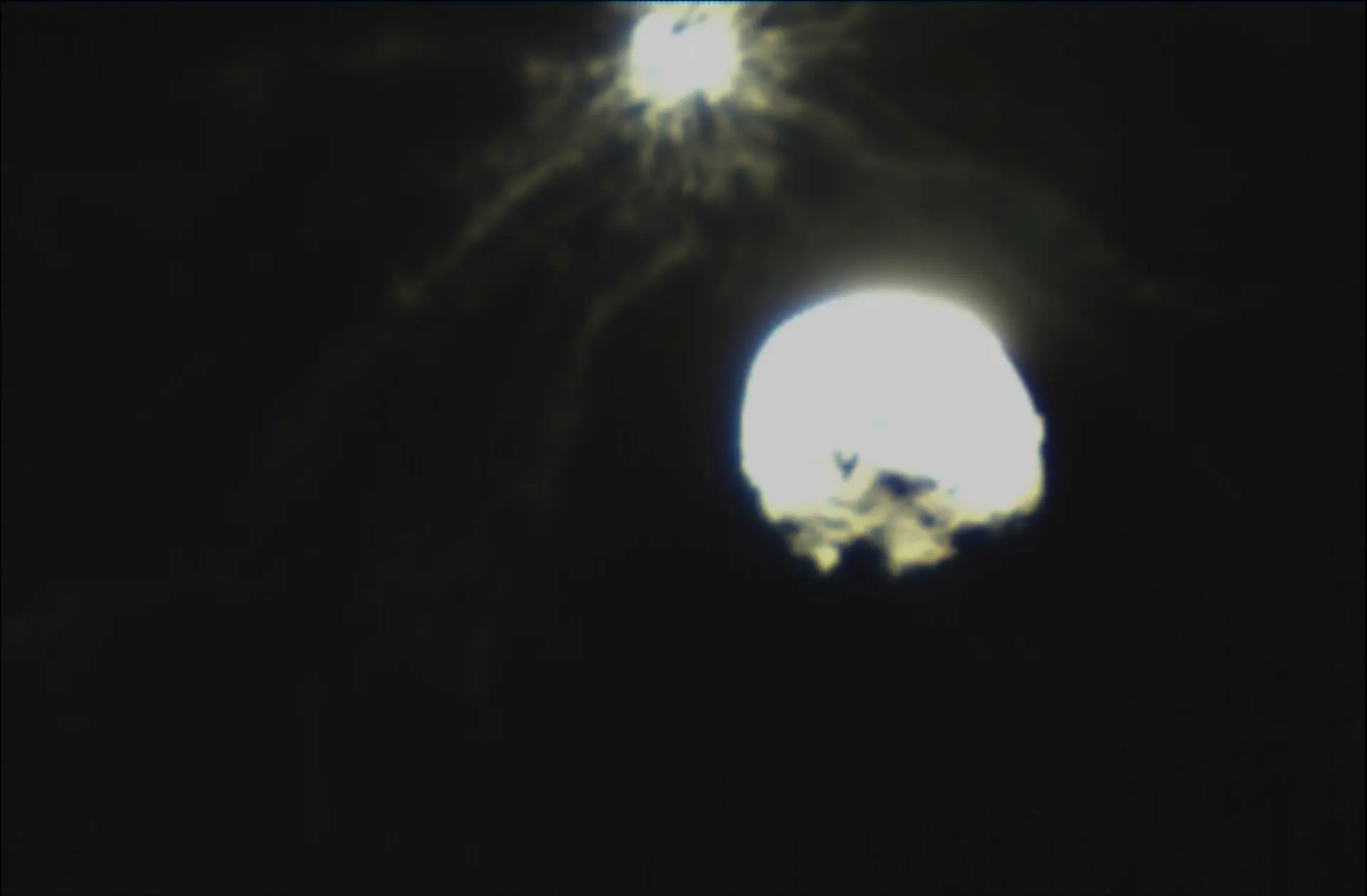
Hitting asteroid in the wrong place can send it into a gravitational keyhole
The research presented at the Europlanet Science Congress meeting held last week in Helsinki, Finland, states that deflecting the asteroid eventually returns it on a collision course with Earth. This happens because the impact risks sending the space rock through a gravitational keyhole. This is a small region of space where a planet’s gravity can alter the orbit of a passing asteroid, Gizmodo reported.
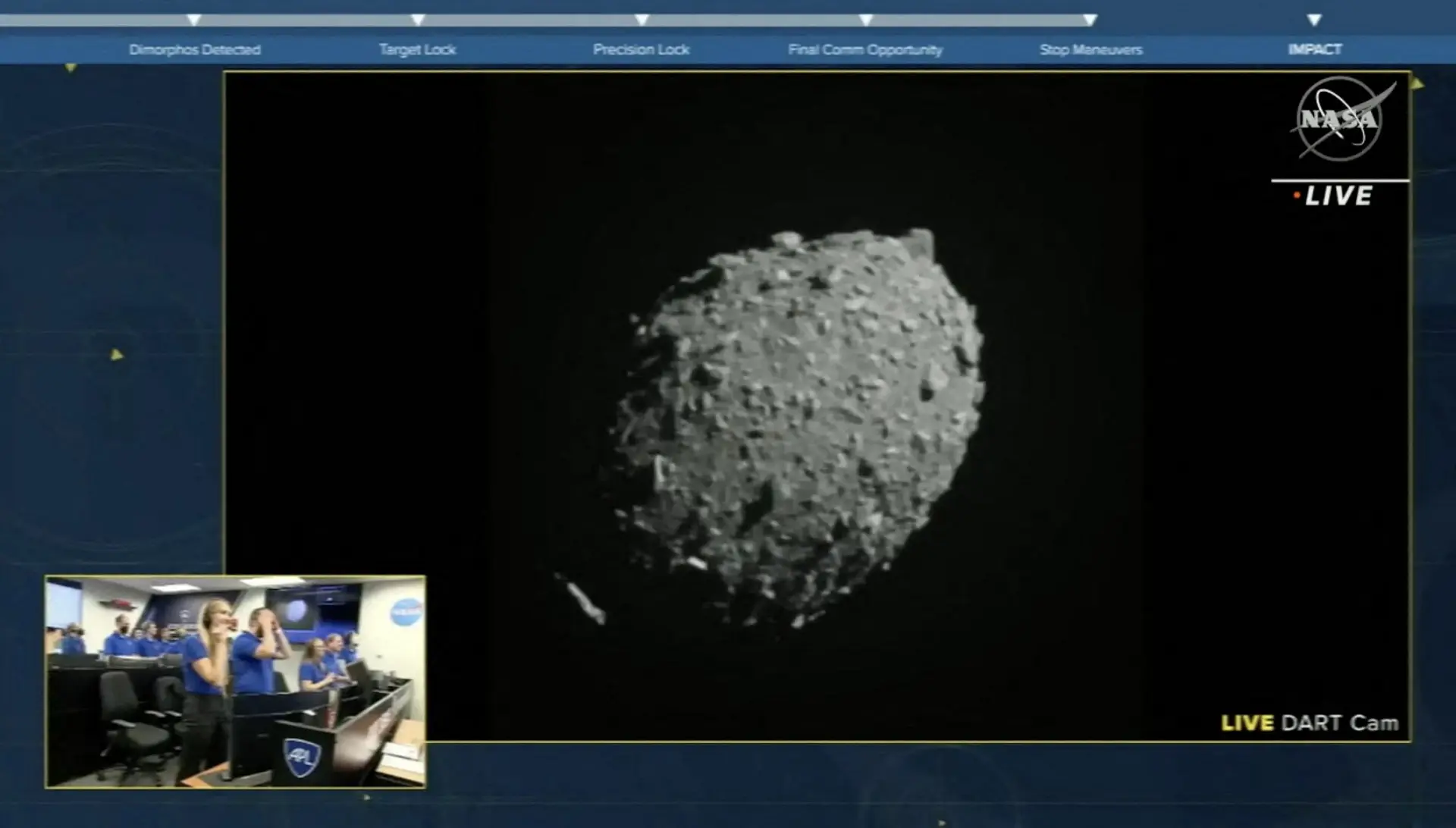
Hitting asteroid in the wrong place can set it up for a new impact risk
Rahil Makadia, a NASA research fellow at the University of Illinois at Urbana-Champaign, who presented the findings, said in a statement, “If an asteroid passed through one of these keyholes, its motion through the Solar System would steer it onto a path that causes it to hit Earth in the future." The researchers suggest calculating the trajectory of the asteroid post-impact in order to fully avert the danger. The DART mission altered the trajectory of Dimorphos by about 32 minutes.
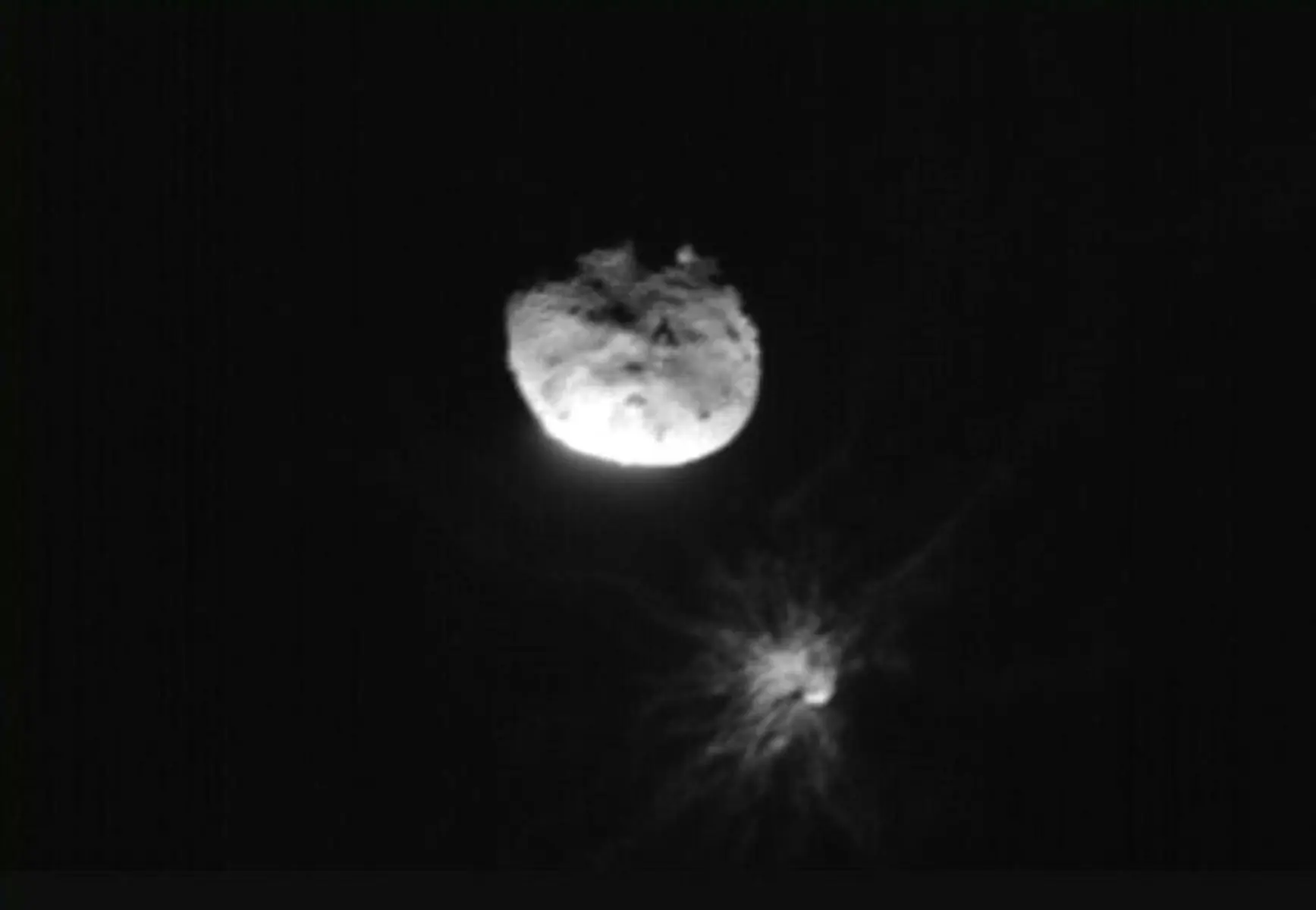
DART mission was a success but it didn't take into account the new trajectory
The mission was aimed at understanding how kinetic impact could be used to counter an asteroid that could collide with Earth. In case scientists need to take action against a space rock that could actually collide with Earth, researchers of the study suggest finding the best spot that would not only change its trajectory, but would do so to a place from where it wouldn't return to threaten our planet.
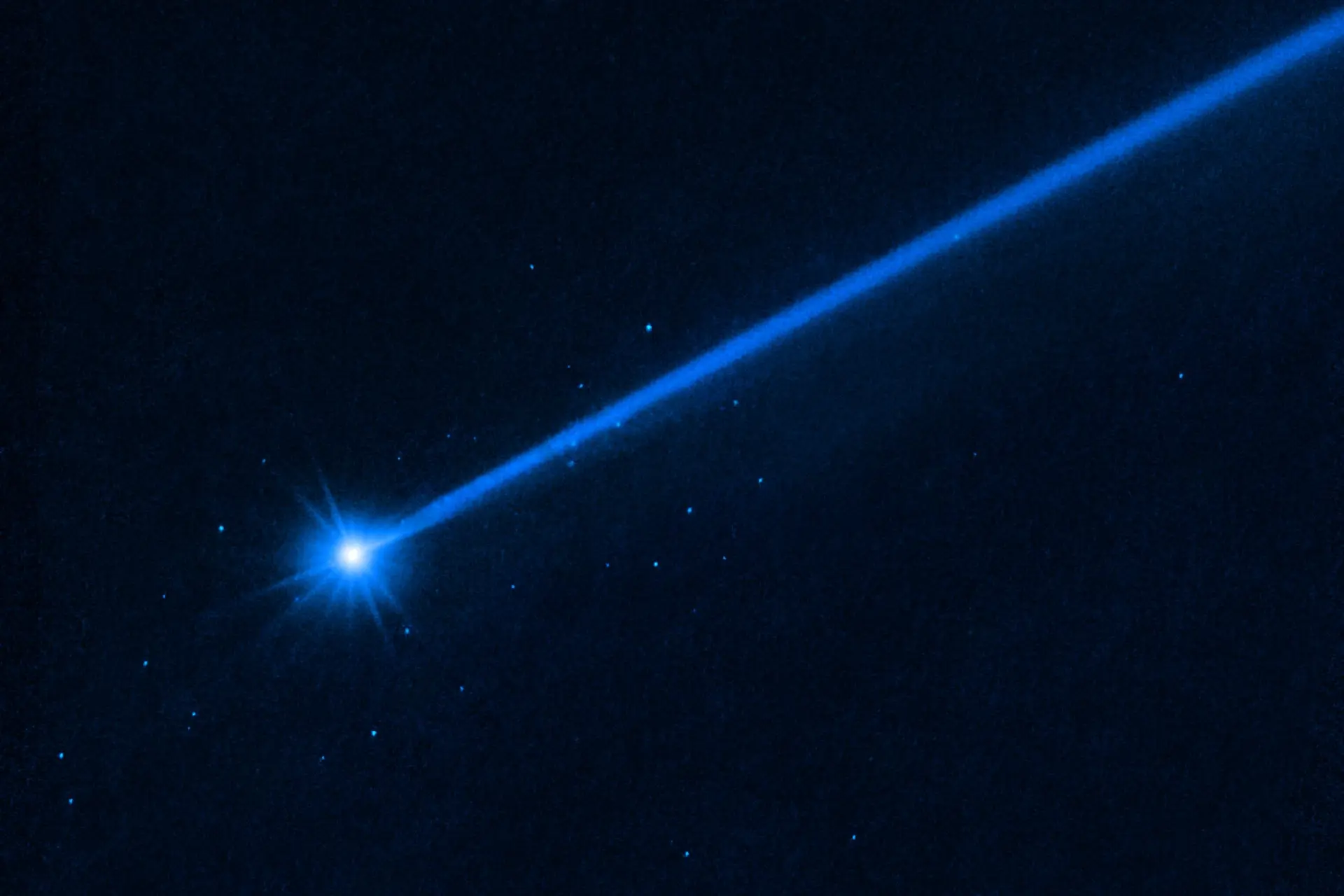
Data gathered from DART mission help researchers reach a better solution
To do this, the team gathered data from the DART mission and developed a computational technique to figure out which points on the surface of an asteroid would have the least probability of sending it into a gravitational keyhole. Gathering the object’s shape, surface, rotation, mass, and the presence of craters or hills on the surface, scientists can find the sweet spot. “With these probability maps, we can push asteroids away while preventing them from returning on an impact trajectory, protecting the Earth in the long run,” Makadia said.
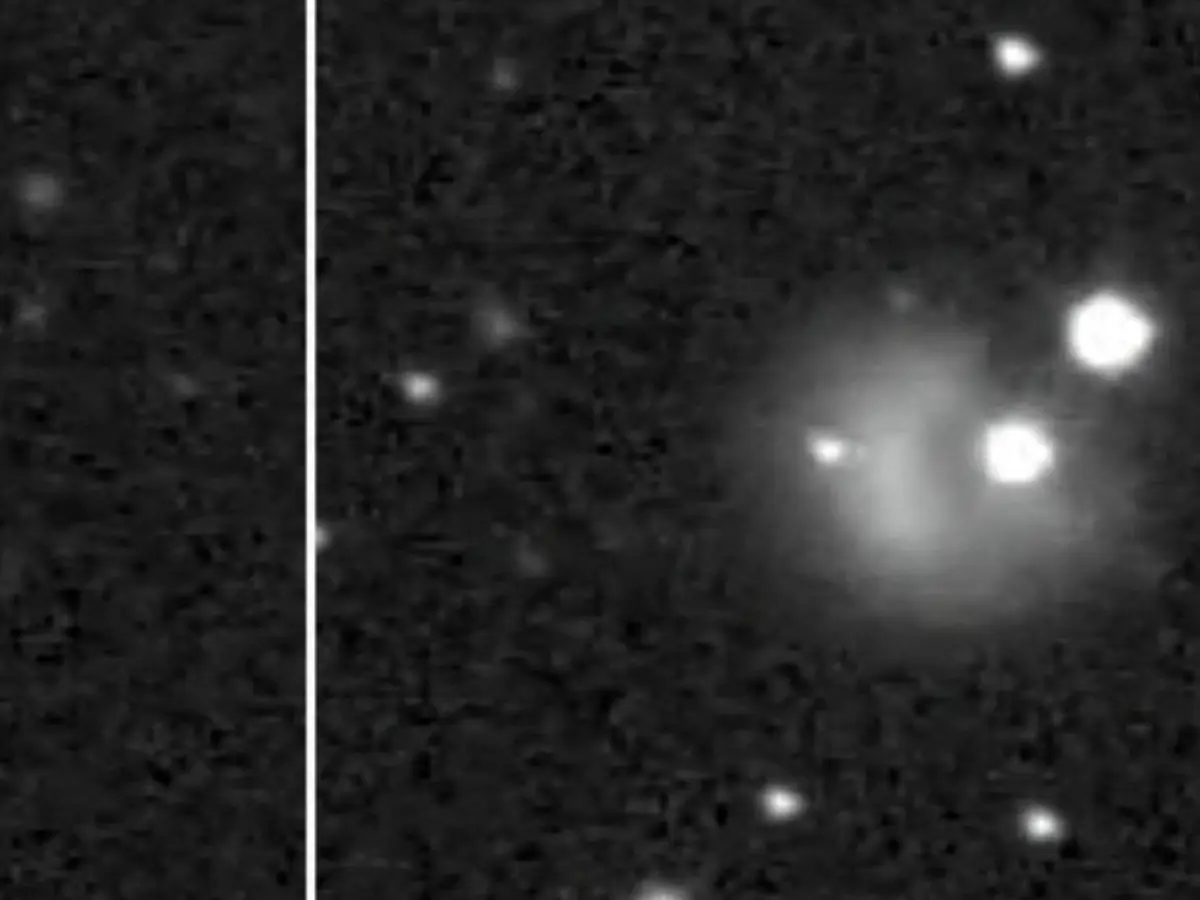
Asteroid Apophis will visit in 2029
Asteroids regularly fly by Earth, but some come dangerously close. Earth is set to have two such close calls in the near future. In 2029, asteroid Apophis will zoom past us at such a close distance that it will be visible to the naked eye. Scientists are planning to use this time to study the asteroid.
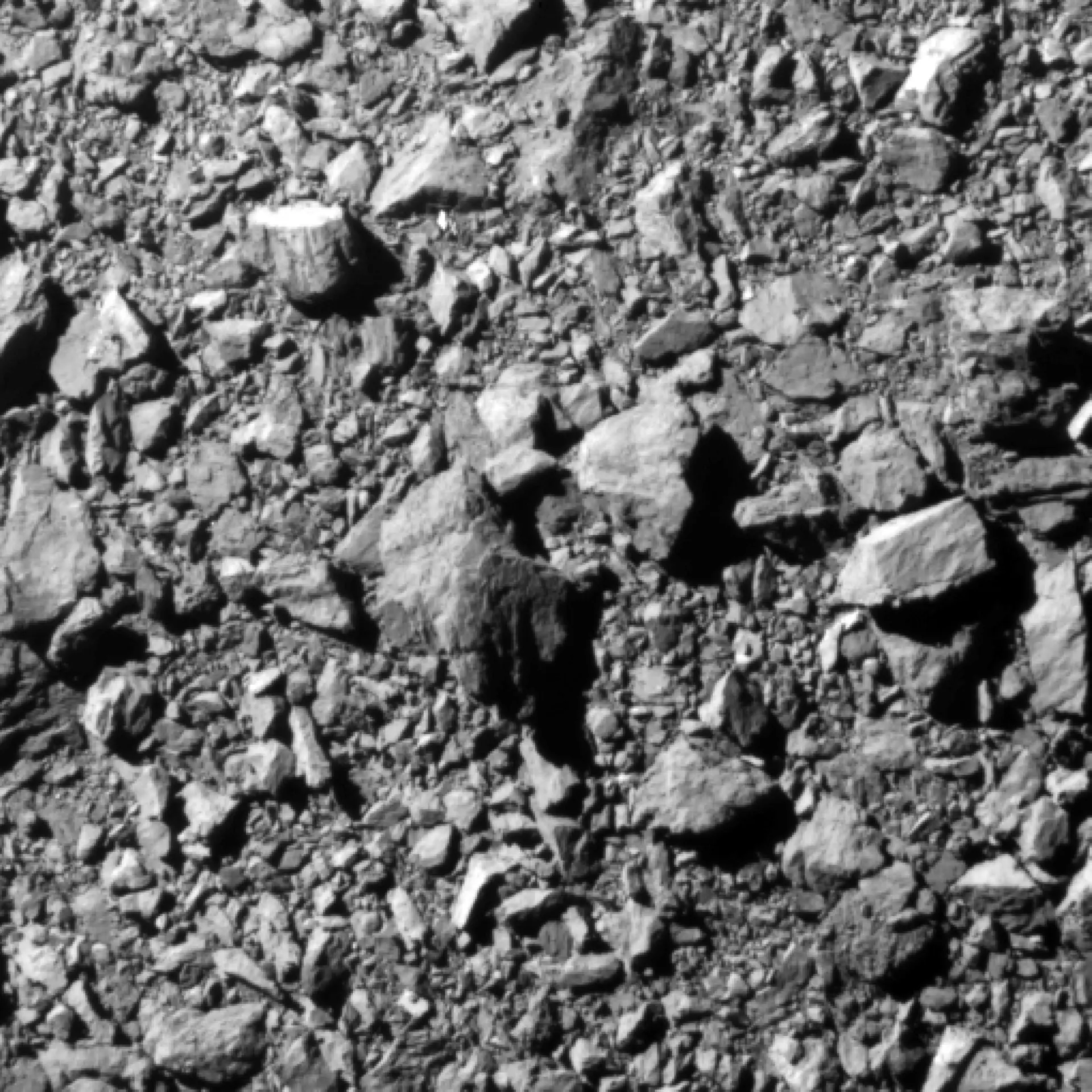
Asteroid YR4 2024 will visit in 2032
Then in 2032, another asteroid named Asteroid YR4 2024 will also come too close for comfort. Initially, it was estimated to hit Earth. However, later calculations put us in the safe zone, but the Moon is within target.
)
)
)
)
)