Only three nations fly bomber jets! What makes them so rare?

Unlike fighter-bombers or tactical strike aircraft, strategic bombers can fly thousands of kilometres, carry substantial payloads, and are built to bypass or survive heavy air defences.
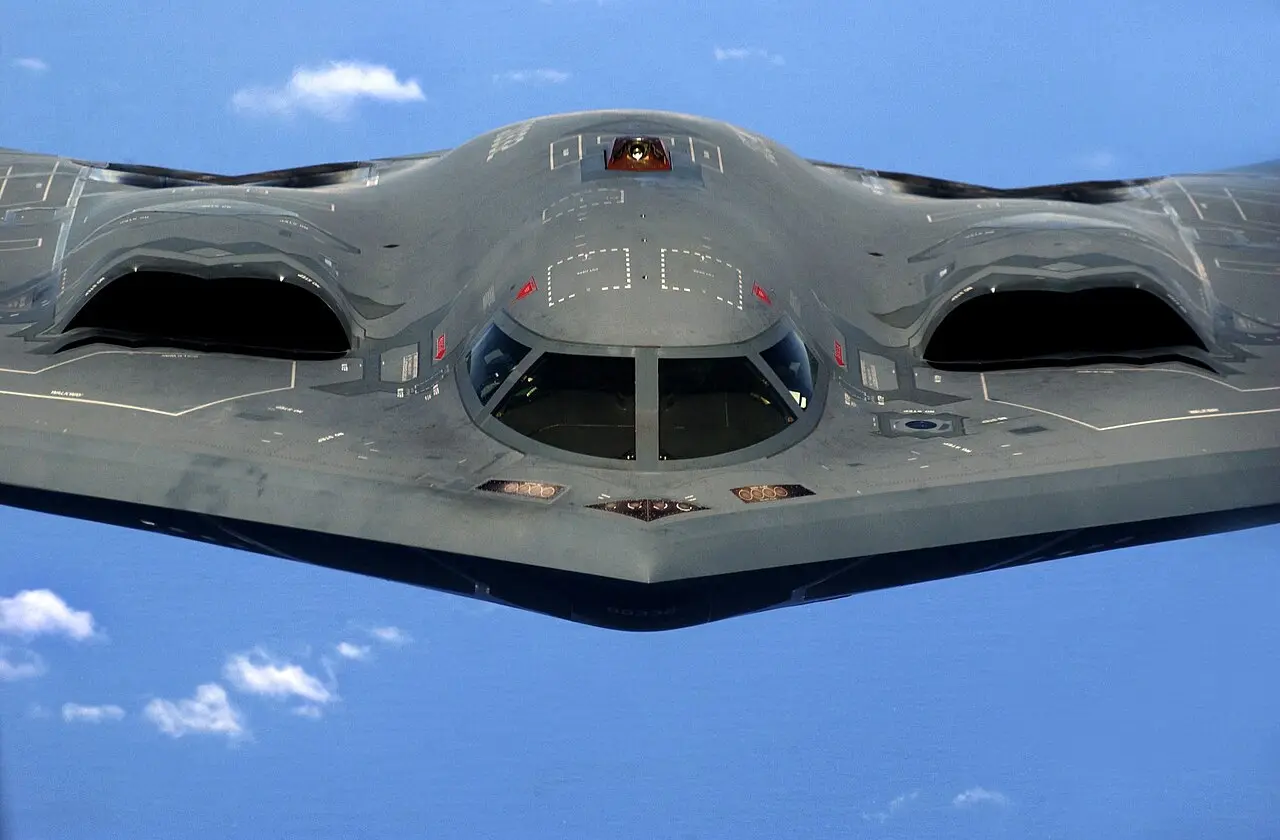
What exactly is a strategic bomber?
Strategic bombers are large, long-range military aircraft specifically designed to deliver nuclear or conventional weapons deep into enemy territory. Unlike fighter-bombers or tactical strike aircraft, strategic bombers can fly thousands of kilometres, carry substantial payloads, and are built to bypass or survive heavy air defences. Their primary purpose is deterrence, to threaten retaliation that would make a first strike by an adversary too costly to contemplate.
The exclusive club: Only three countries
Today, only the United States, Russia and China operate true strategic bombers. Each has developed fleets tailored to its defence doctrine, geography and industrial capacity. Other countries may field powerful strike aircraft, but none match the payload, range and nuclear mission profile that define a genuine strategic bomber force.
United States: The largest and most diverse fleet
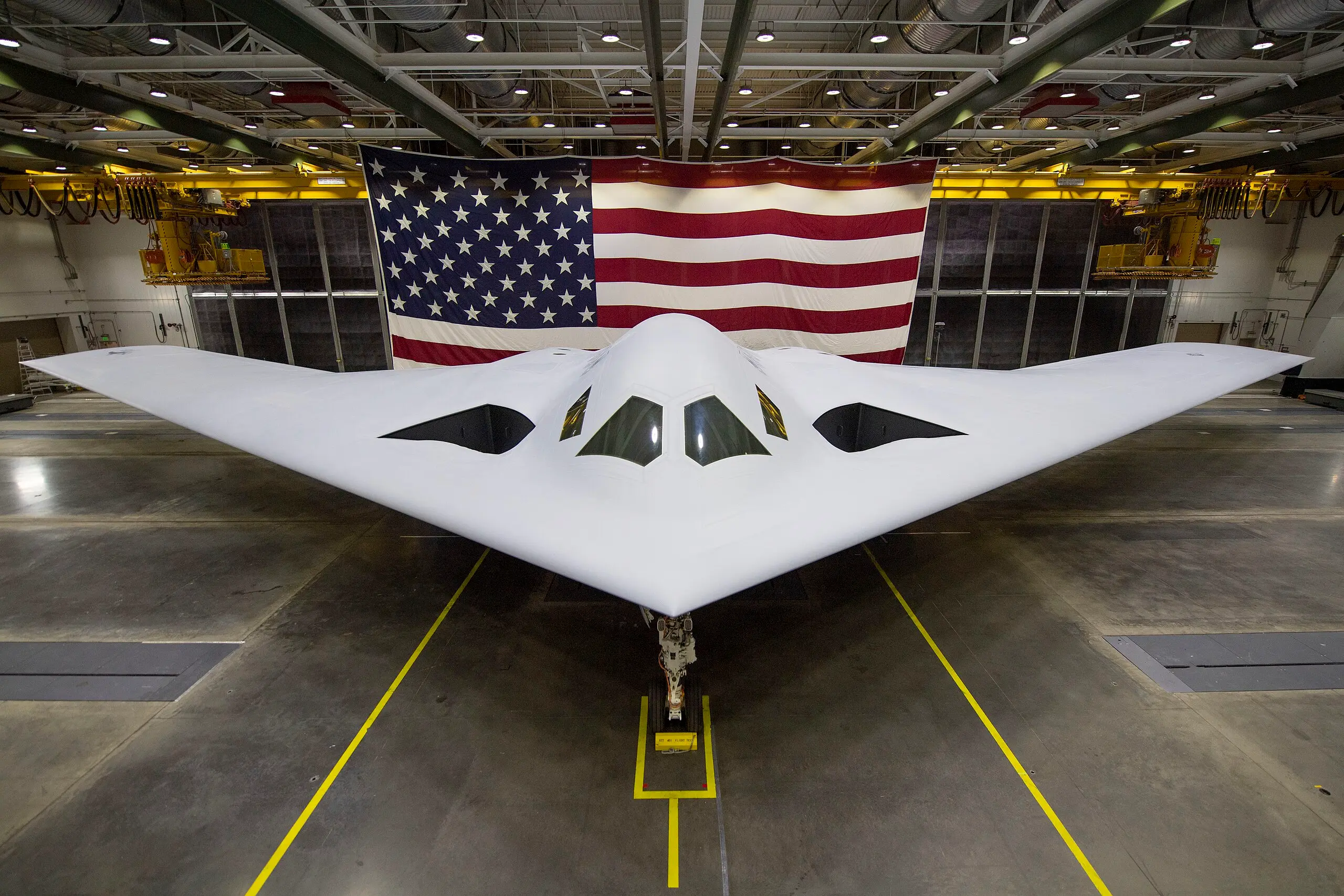
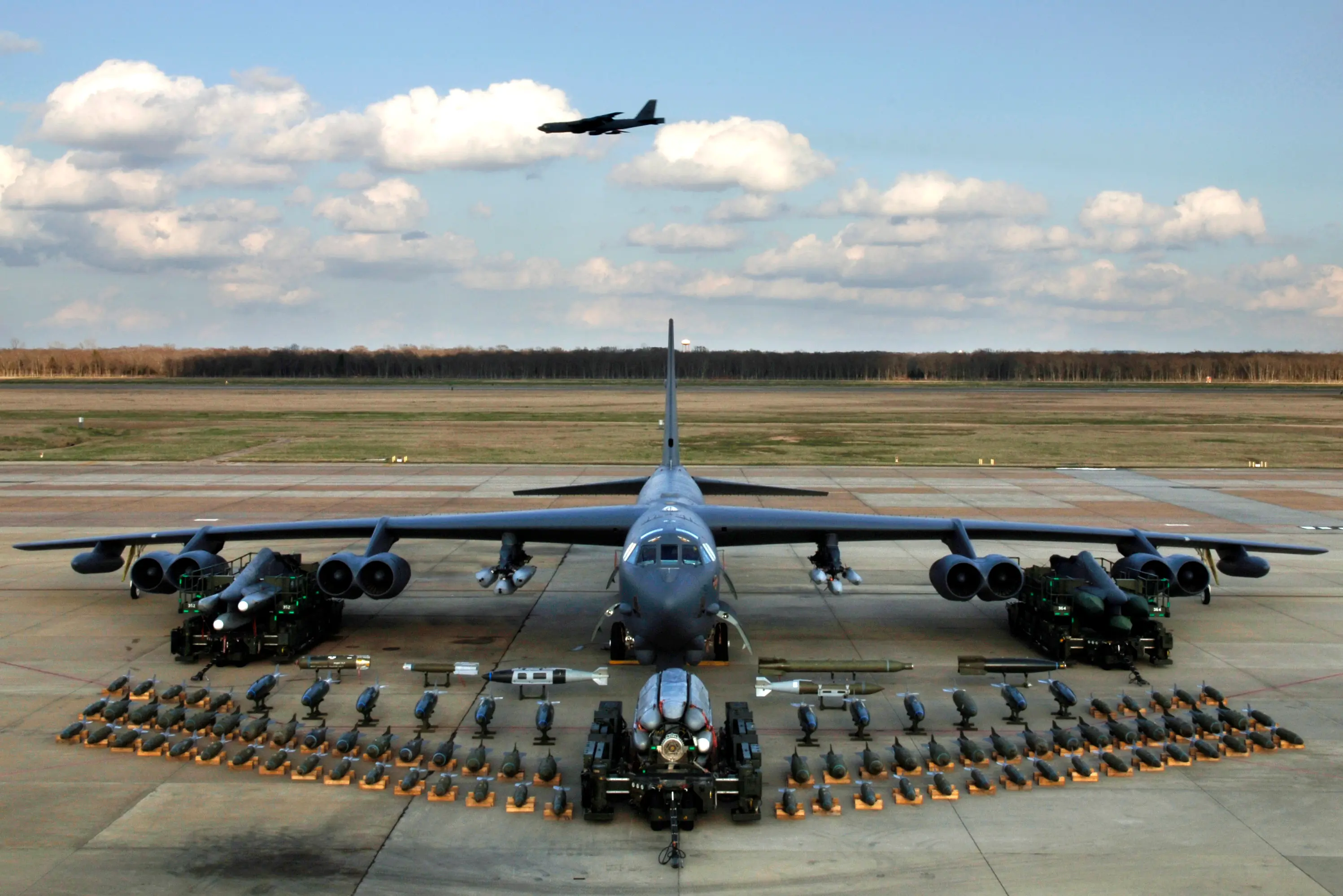
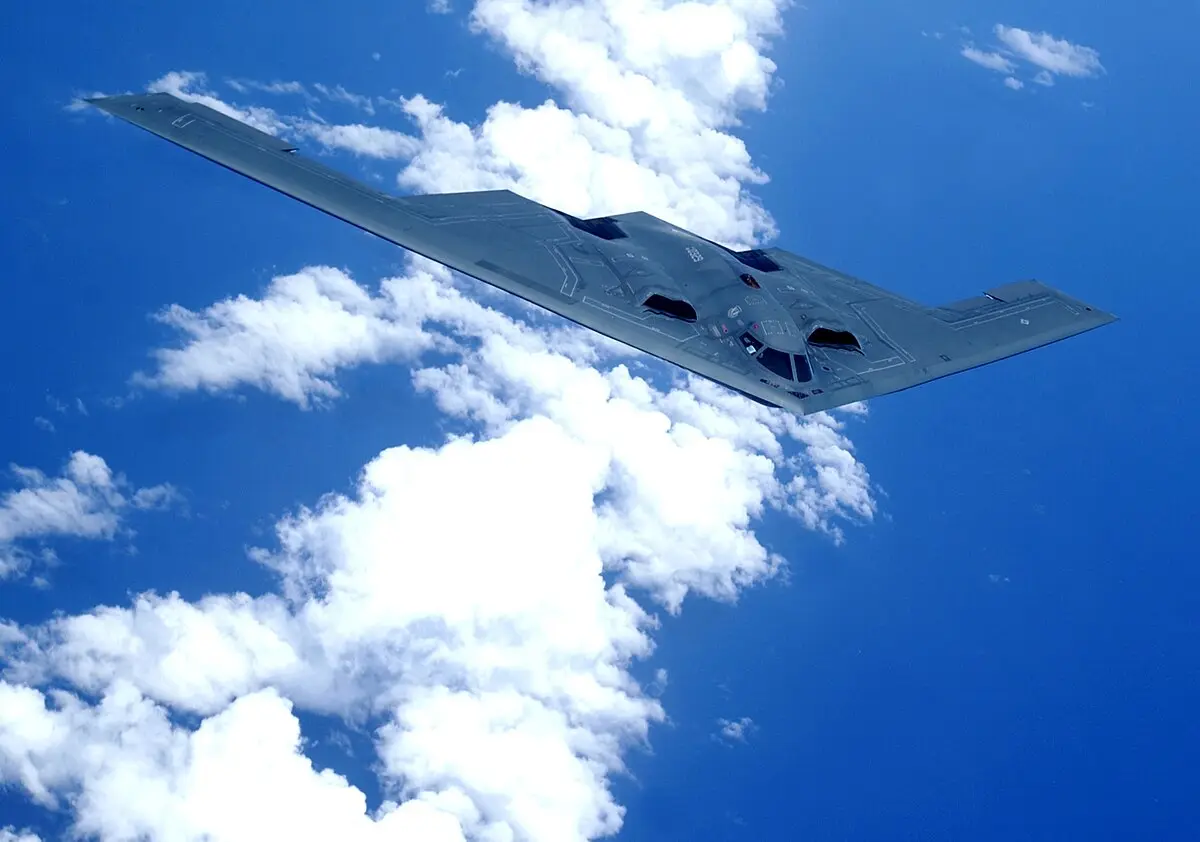
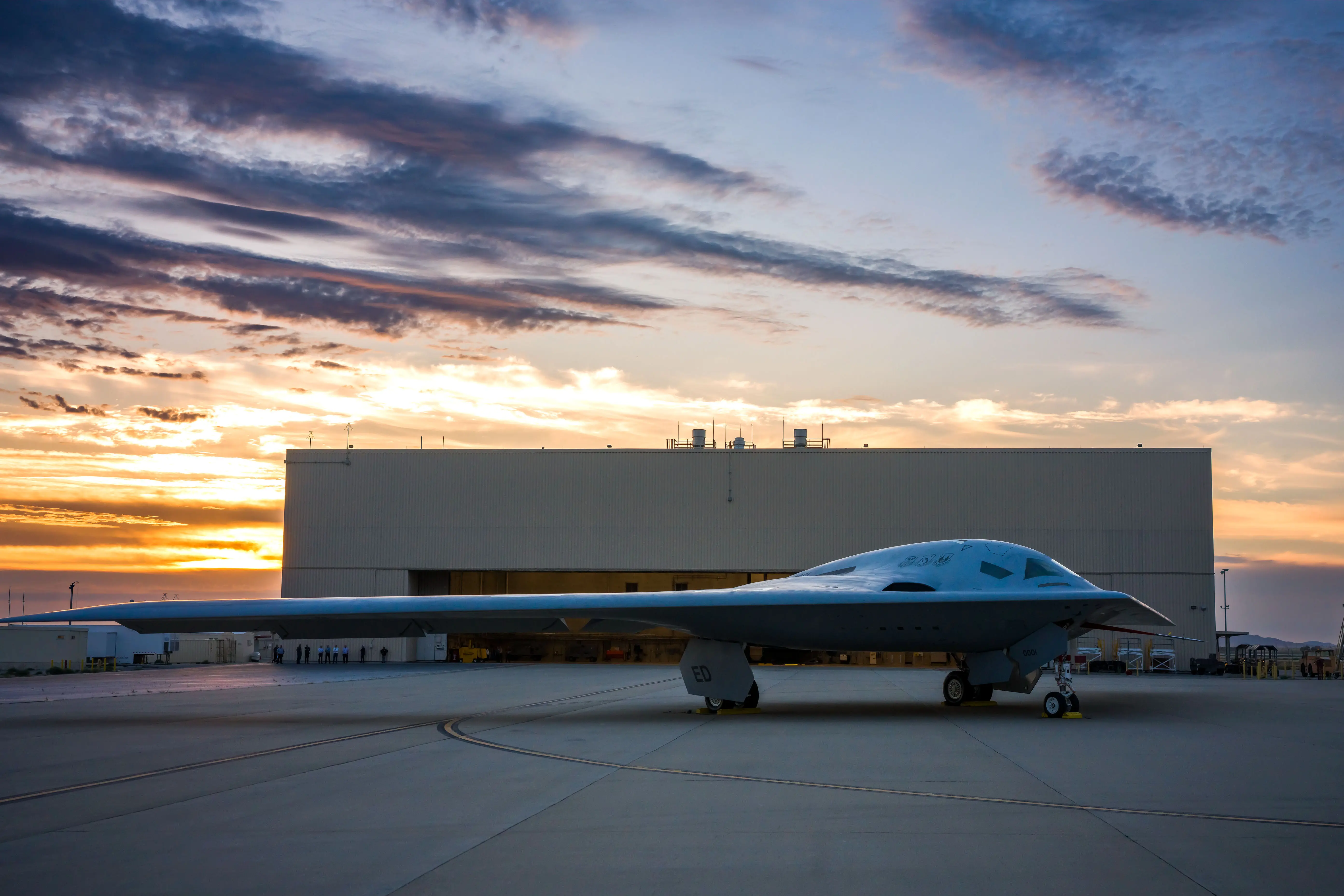
The US Air Force maintains around 66 strategic bombers. This includes the B-52H Stratofortress, an iconic eight-engine bomber introduced in the 1950s and still flying with modern cruise missiles and precision-guided bombs. There is also the B-1B Lancer, a supersonic bomber optimised for conventional strikes but originally nuclear-capable, and the B-2A Spirit, a stealth bomber able to penetrate sophisticated air defences with nuclear or conventional payloads. Looking ahead, the US is developing the B-21 Raider, a next-generation stealth bomber intended to replace older types over time.
Russia: Fewer aircraft, still formidable
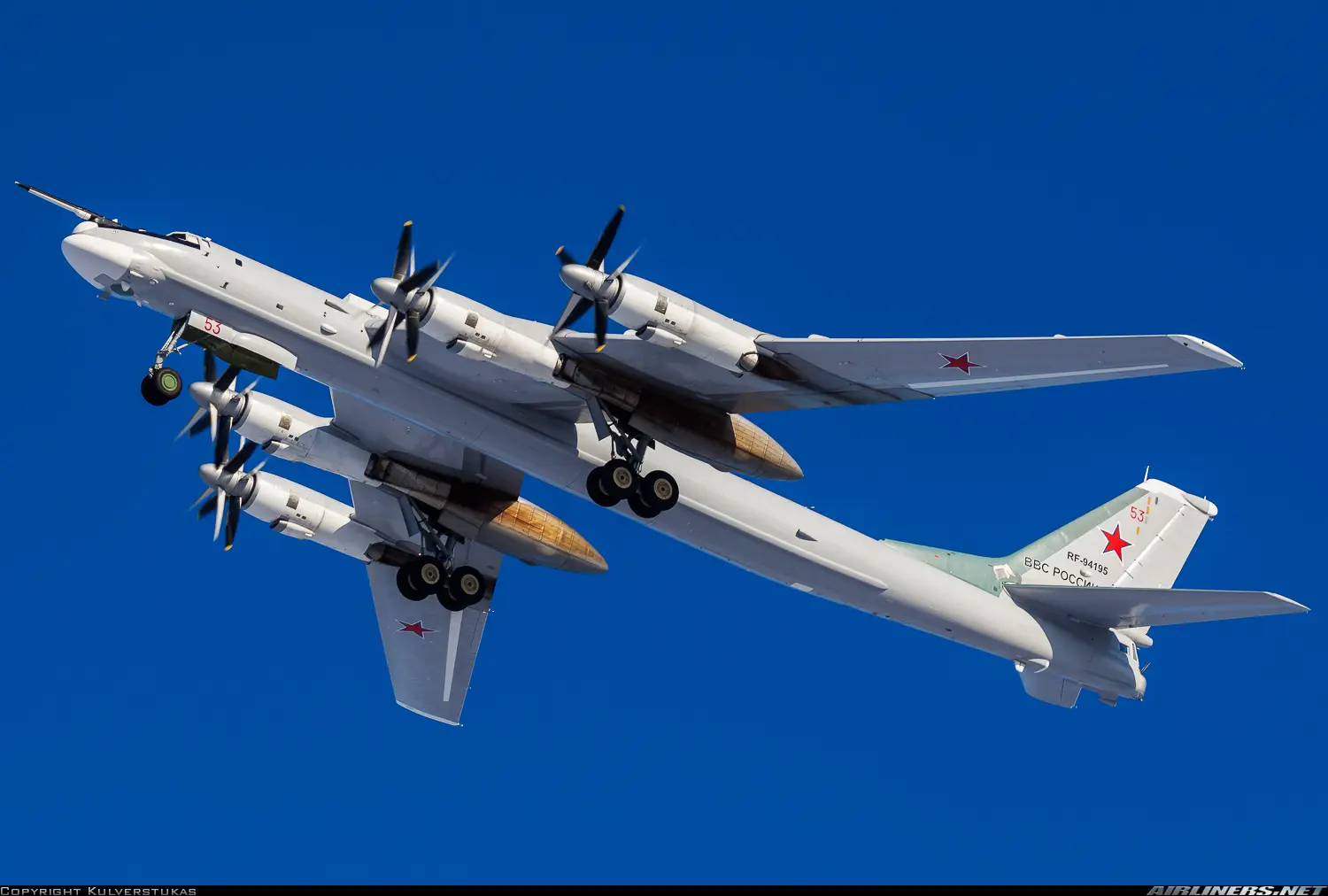
Russia fields about 60 active strategic bombers. These include the Tu-95MS Bear, a four-engine turboprop bomber capable of carrying nuclear-tipped cruise missiles; the Tu-160 Blackjack, the largest and fastest supersonic bomber in service with variable-sweep wings and nuclear capability; and the Tu-22M3 Backfire, which sometimes serves in strategic roles though it is technically a long-range bomber rather than an intercontinental type.
Russia is modernising both the Tu-95 and Tu-160 fleets and has announced plans for a new stealth bomber known as the PAK DA.
China: A growing long-range strike arm
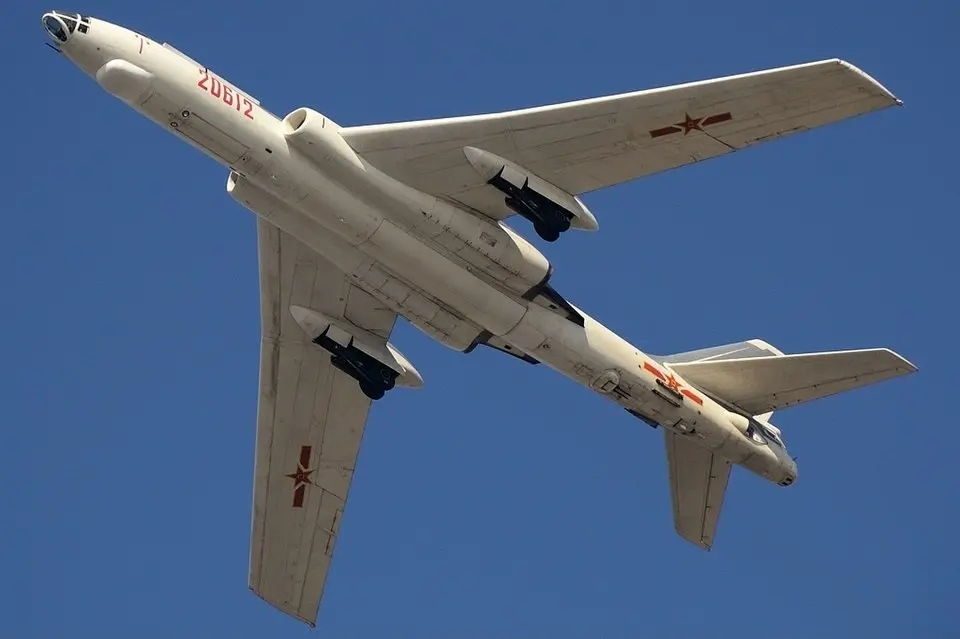
China currently operates about 20 H-6N bombers derived from the older Soviet Tu-16. While originally designed as medium bombers, the H-6K and H-6N variants can carry nuclear-capable cruise missiles, giving China a limited but expanding strategic reach. In addition, China is reportedly developing the H-20, a long-anticipated stealth bomber expected to boost its global strike capability.
Why so few countries?
Strategic bombers are among the most expensive and complex weapons systems to design, build and maintain. They also demand extensive supporting infrastructure such as aerial refuelling tankers, satellite navigation and maintenance facilities. Politically, they are tightly linked to nuclear strategy, meaning only nations willing to take on the cost and geopolitical responsibility maintain them.
Beyond symbolism: A cornerstone of deterrence
Despite enormous costs, strategic bombers remain essential to modern nuclear triads. Unlike missiles, they can be recalled after launch orders, offering flexibility in a crisis. They also serve as highly visible signals of power projection, making them as relevant today as during the Cold War.
)
)
)
)
)