Only this fighter jet can defeat an army of drones in mid-air combat! Here’s how

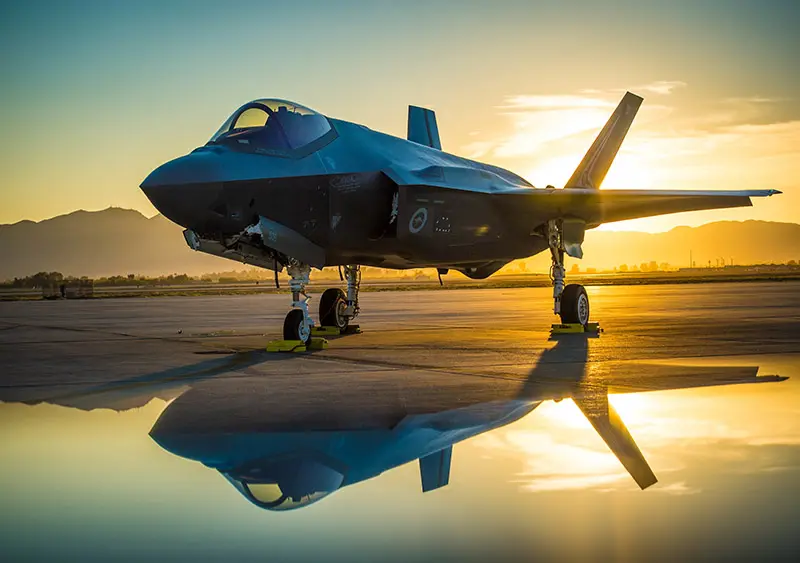
Jets like the F-35 Lightning II or India’s upcoming AMCA are being designed to detect, track, and neutralise multiple targets simultaneously. Thanks to onboard AI systems, these jets can automatically prioritise which drone poses the biggest threat and eliminate them.
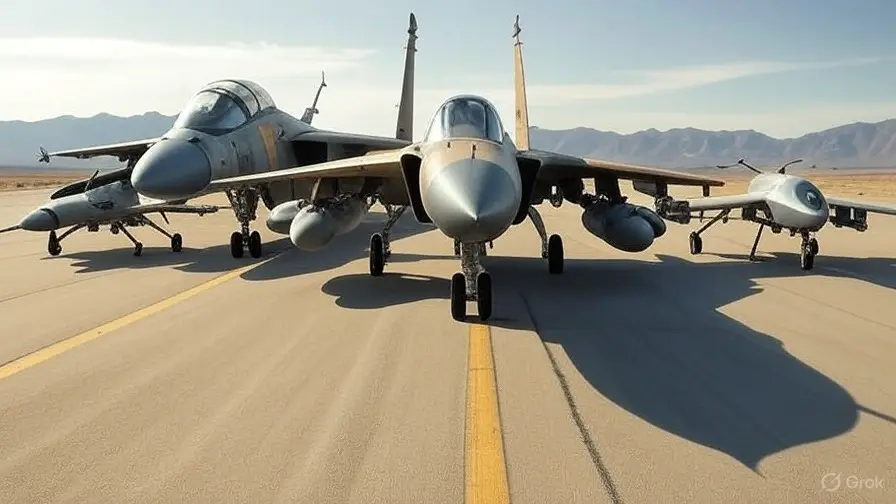
Swarm vs Speed: The Modern-Day Aerial Threat
In today’s battlespace, one of the biggest threats to fighter jets isn’t another jet, it’s an army of cheap, coordinated drones. These drone swarms can overwhelm radars, jam signals, and even carry explosives. But some next-gen fighter jets are now being equipped to counter them like never before.
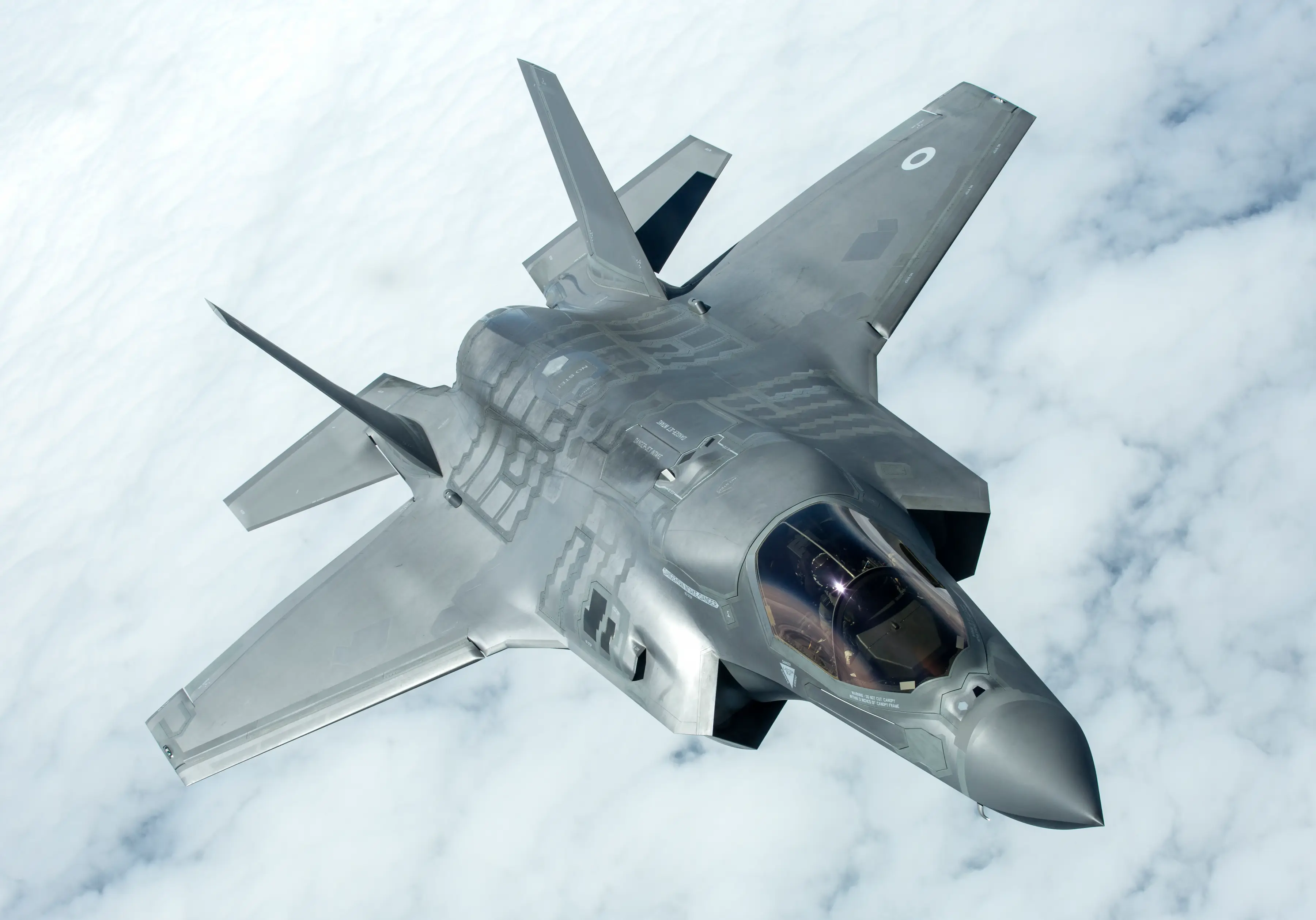
Fighter Jet vs Drones? Enter AI-Enabled Warfare
Jets like the F-35 Lightning II or India’s upcoming AMCA are being designed to detect, track, and neutralise multiple targets simultaneously. Thanks to onboard AI systems, these jets can automatically prioritise which drone poses the biggest threat and eliminate them with pinpoint missile accuracy, all in real time.
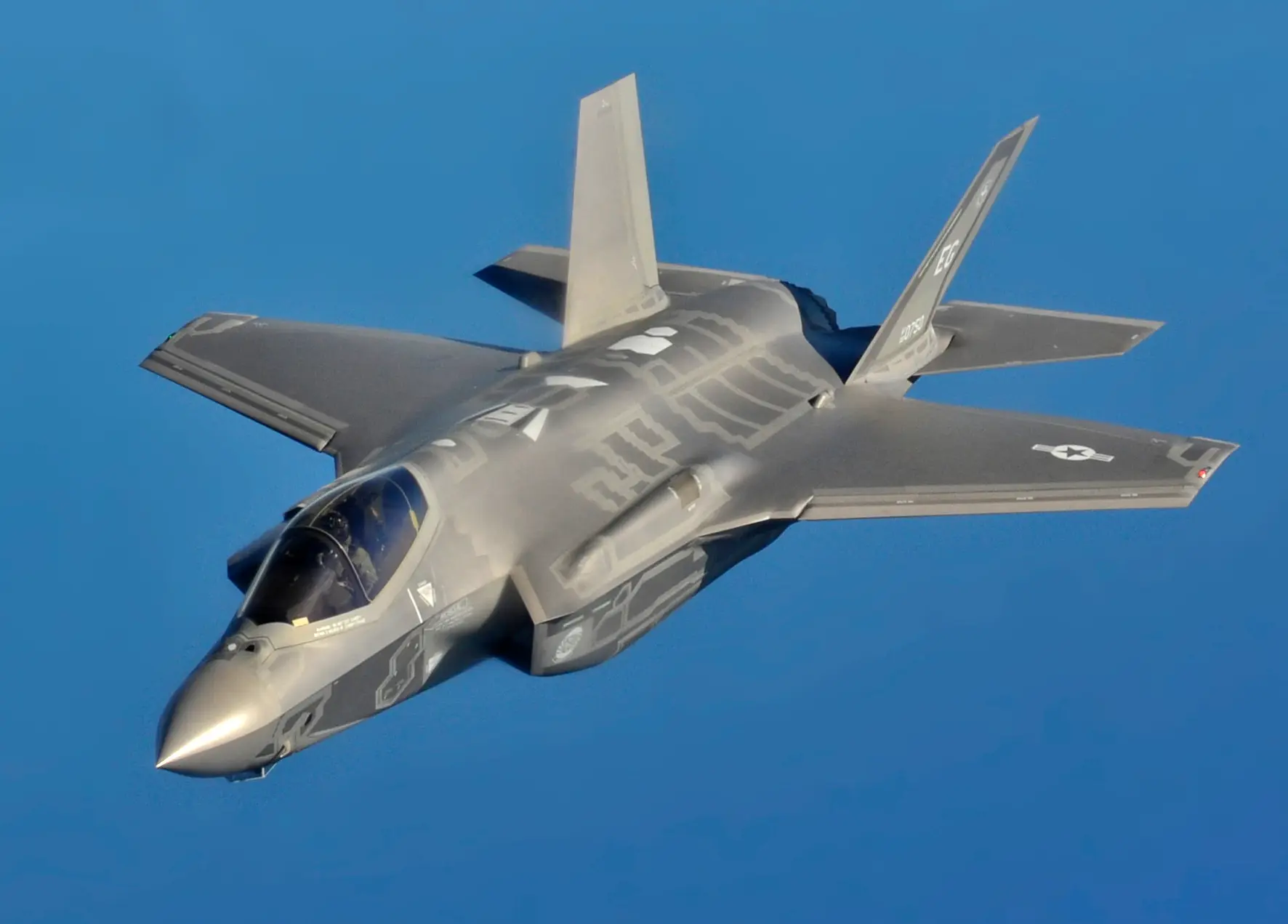
Directed Energy Weapons: No Reload Needed
Imagine shooting down drones with a laser instead of a missile. Fighter jets in development are now testing directed energy weapons, such as laser cannons or microwave blasters, to fry drone electronics mid-air. These futuristic weapons can take out entire swarms without running out of ammo.
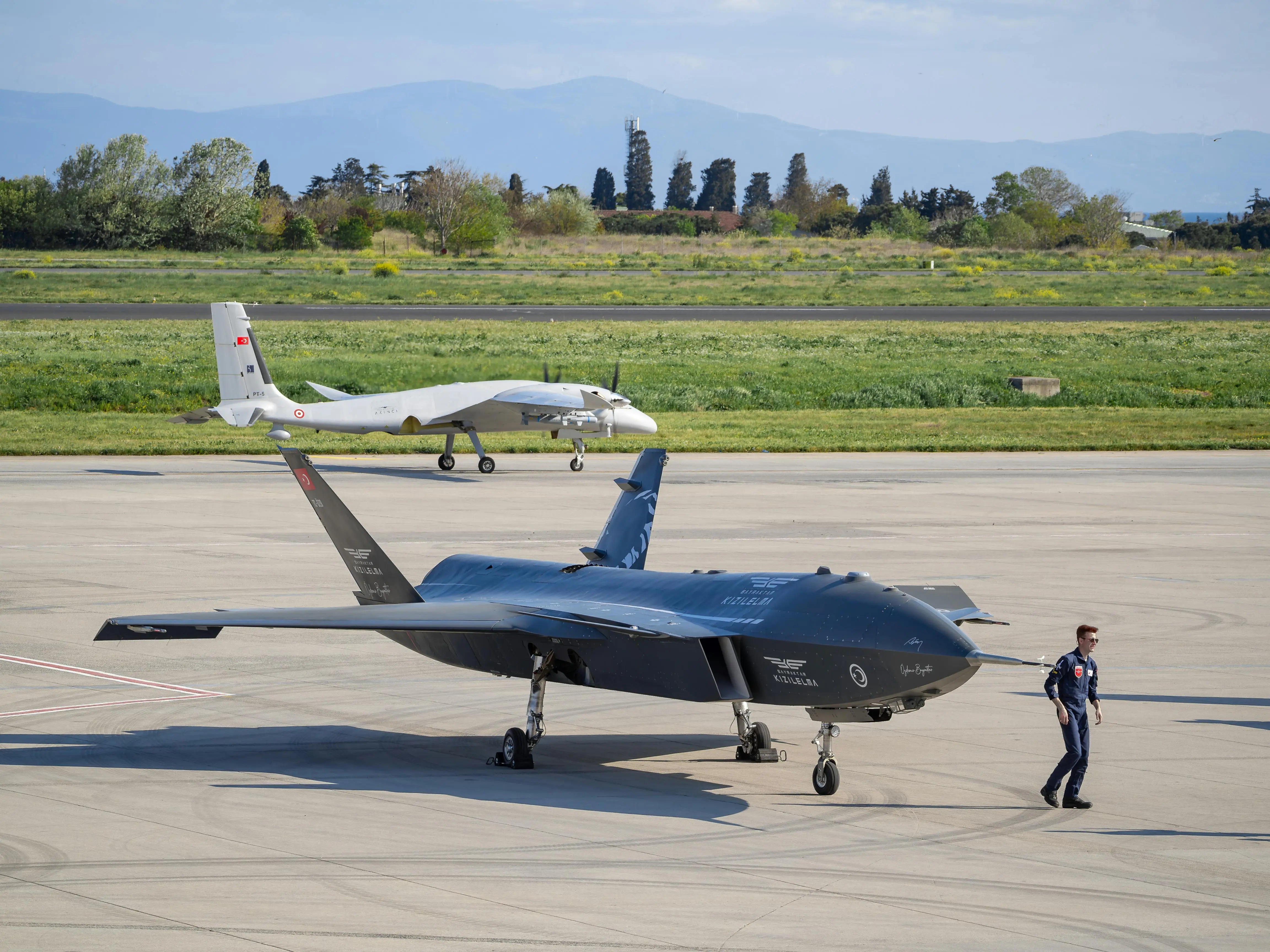
Electronic Warfare Pods: The Invisible Shield
Some jets carry electronic jamming pods that can confuse or disable drone guidance systems. These pods send out high-frequency signals that disrupt communication between swarm drones and their controllers, forcing them to crash or return to base.
Smart Missiles and Mini-Drones as Defenders
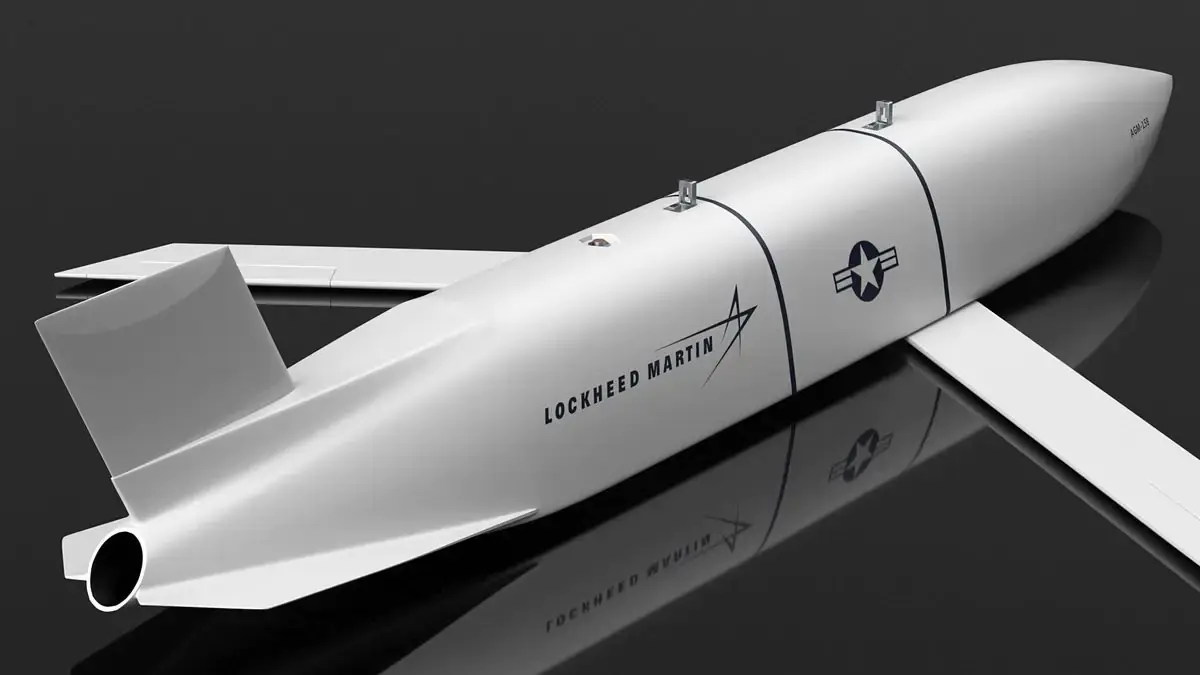
To counter swarms, some jets are being armed with smart multi-target missiles that can explode in mid-air and take out multiple drones at once. Others may even deploy micro-drones of their own, like an airborne bodyguard squad, that intercept enemy drones before they get close.
The Future: Human + AI + Machine Combat
The fighter jet of the future is not just about speed or stealth. It's a flying battle computer capable of facing hundreds of threats in one go. As drone swarms become more common in warfare, fighter jets are evolving into AI-powered command hubs that not only survive the onslaught — but dominate it.
)
)
)
)
)