'Only meant to last 5 years': 6 surprising secrets of Voyager 2 you didn’t know!

Behind the celebrated milestones lie lesser-known stories of risk, ingenuity, and discovery that defined Voyager 2’s extraordinary journey.
The Mission designed for just 5 years
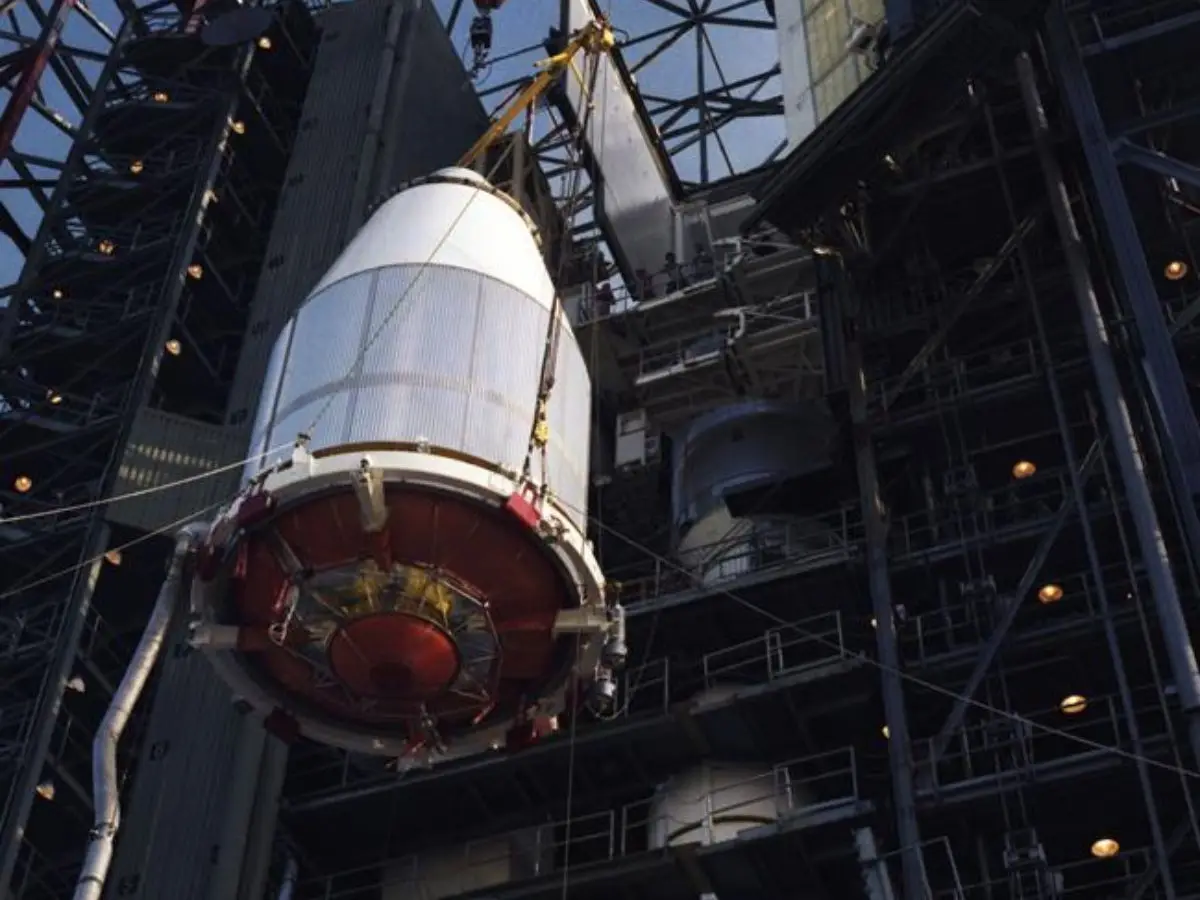
When Voyager 2 lifted off from Cape Canaveral on August 20, 1977, it was designed for a mission of just five years. Its task was ambitious enough: to explore the giant planets Jupiter and Saturn. Few could have imagined that nearly half a century later the same spacecraft would still be operating, now travelling in interstellar space and sending data from the most distant reaches ever explored by humanity. Alongside its famous twin, Voyager 1, it carried a golden record containing sounds, music, and images of Earth, intended as a greeting to any potential life beyond our solar system. Yet behind the celebrated milestones lie lesser-known stories of risk, ingenuity, and discovery that defined Voyager 2’s extraordinary journey.
The Backup That Became Irreplaceable
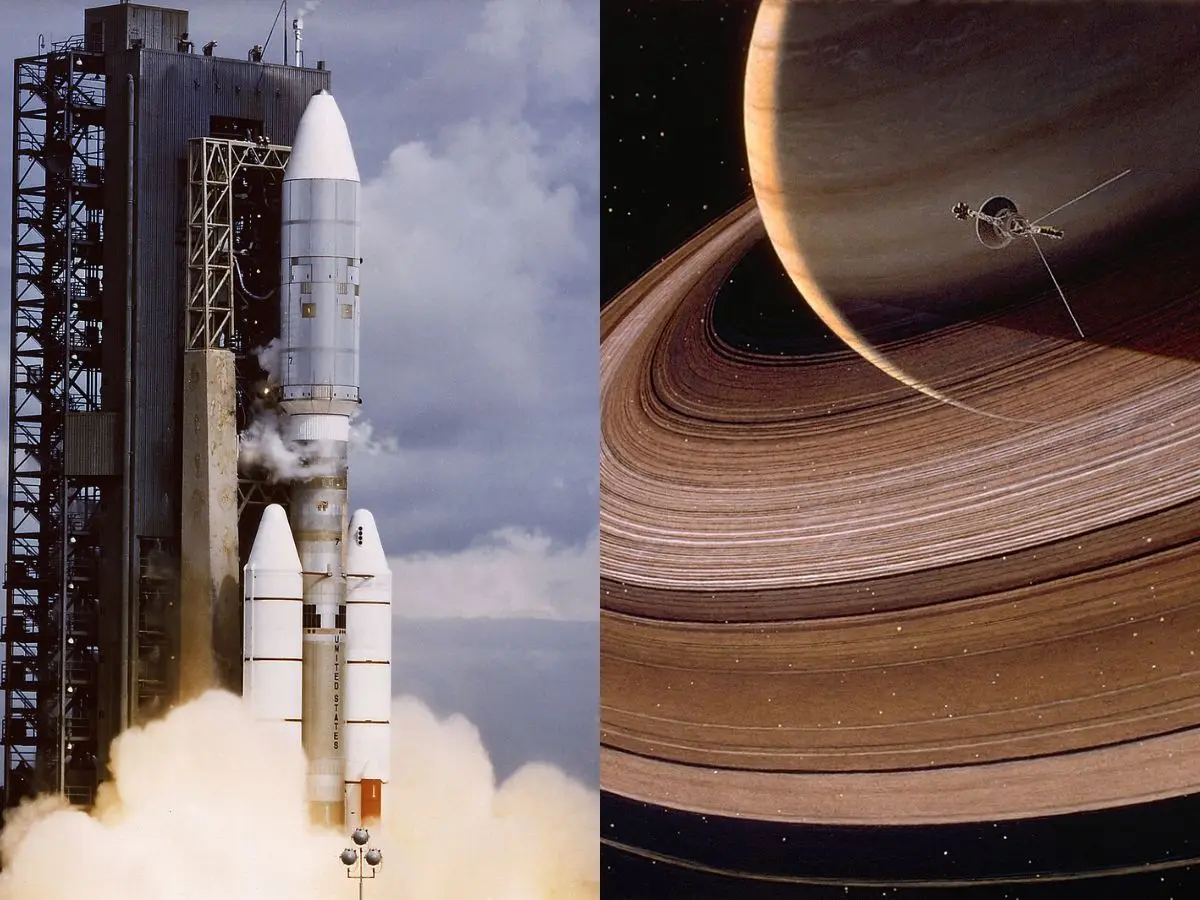
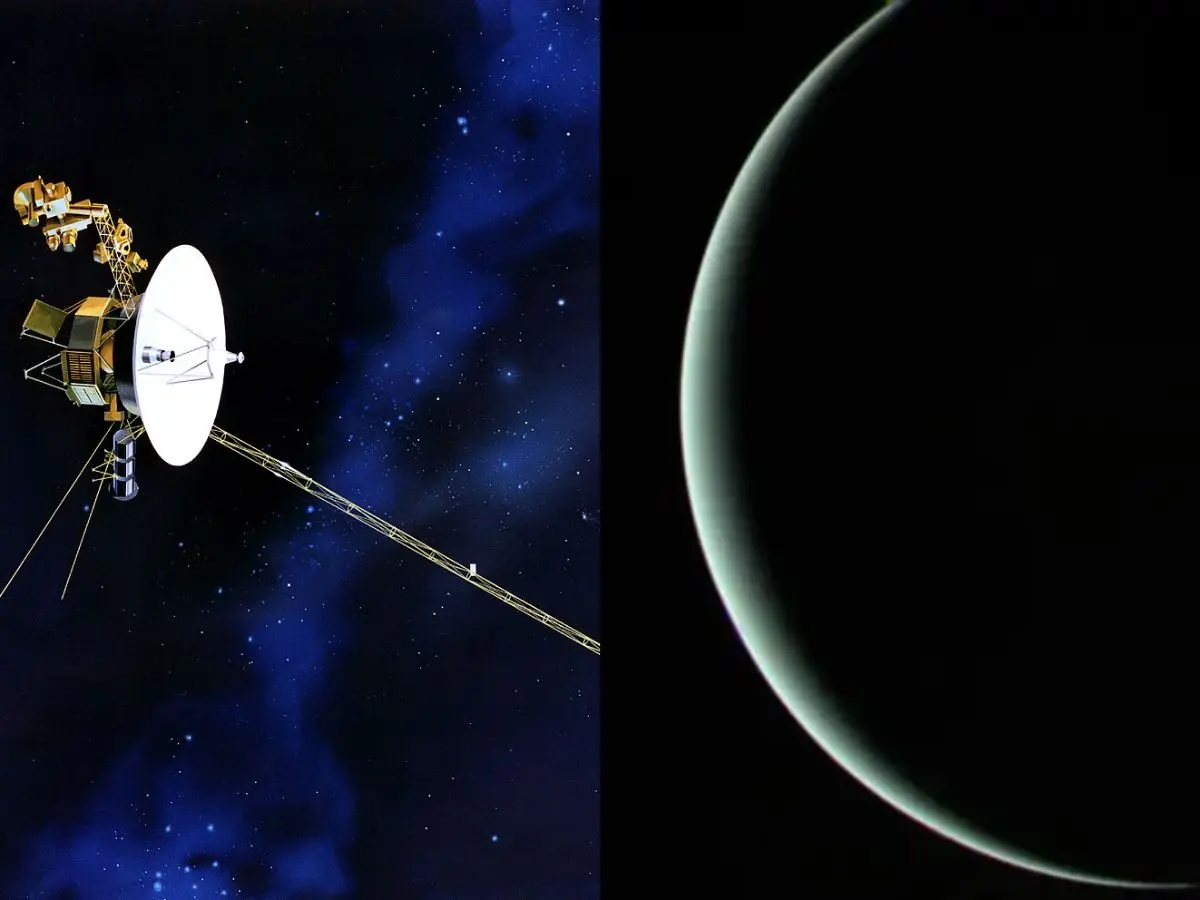
Voyager 2 was actually launched before Voyager 1, though its name suggests otherwise. At the time, it was considered the backup mission, a safeguard in case its twin failed. History, however, gave Voyager 2 a unique place in exploration. It remains the only spacecraft ever to visit all four outer planets: Jupiter, Saturn, Uranus, and Neptune. Its flybys provided the first and still only close views of the two ice giants, a feat that transformed planetary science.
Close Calls in Deep Space
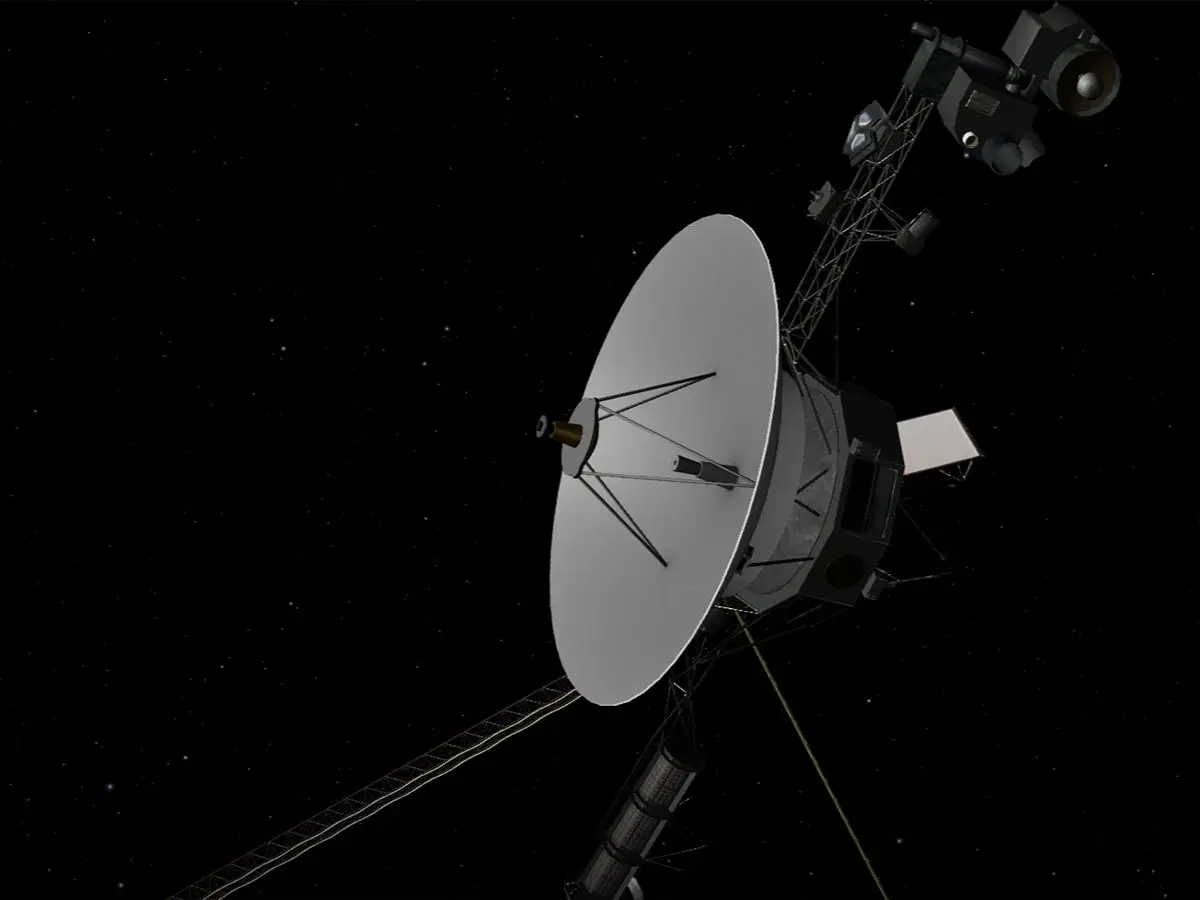
The mission was never guaranteed smooth passage. In 1979, as it travelled towards Jupiter, Voyager 2 began transmitting corrupted data. With no way to physically repair the craft, engineers on Earth had to diagnose and fix the fault remotely, working with technology that today would seem rudimentary. They succeeded, but the scare underscored how fragile the mission was and how easily it could have ended prematurely.
Discoveries That Slipped from View
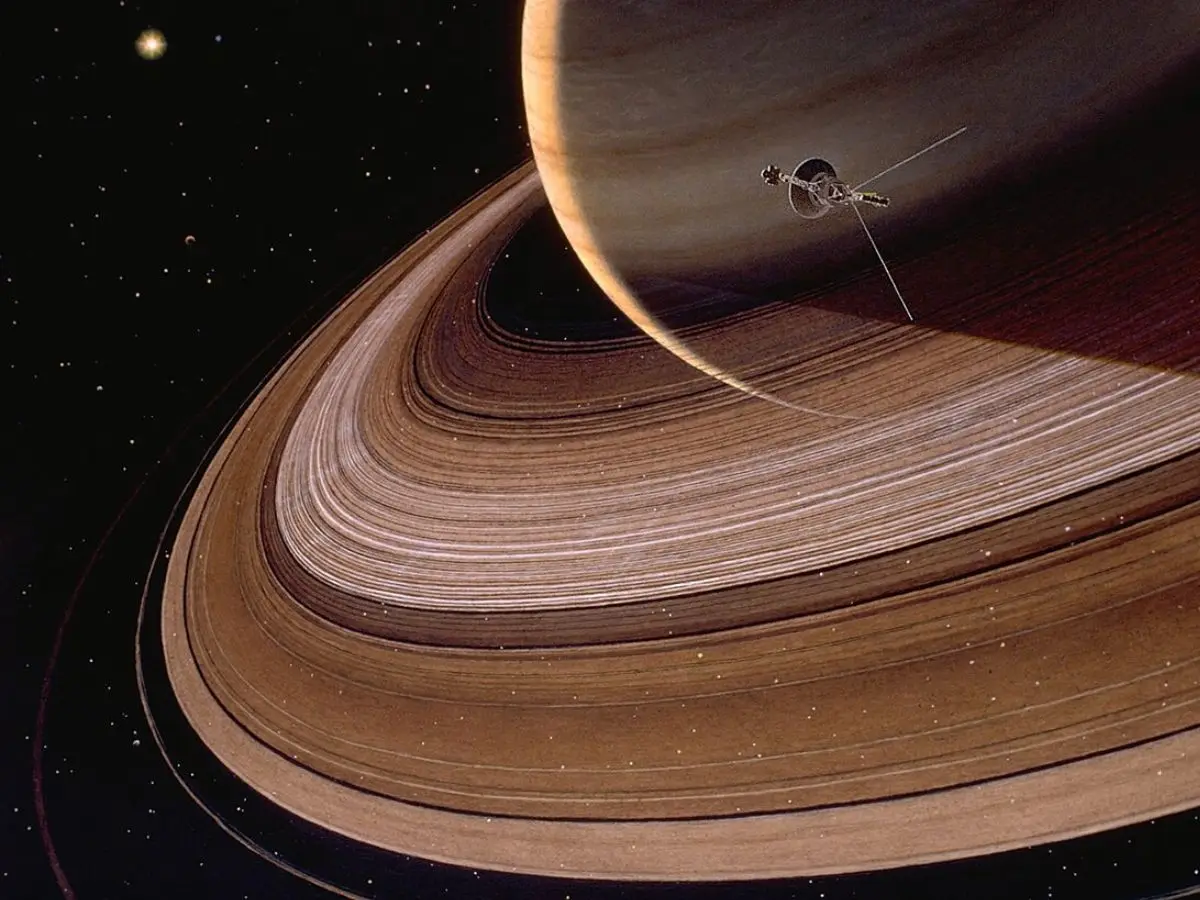
Voyager 2’s most publicised images, Jupiter’s swirling Great Red Spot and Saturn’s majestic rings, often overshadow its subtler findings. The spacecraft revealed Neptune’s ferocious winds, blowing faster than the speed of sound, and showed Uranus with a magnetic field oddly tilted from its axis of rotation. It also discovered dozens of new moons orbiting the outer planets. These findings may not have commanded global headlines, but they profoundly altered scientific understanding of planetary systems.
Survival Through Ingenuity
Technically, Voyager 2 is astonishing in its simplicity. Its computing power is less than that of a basic digital watch. For decades, its survival has depended on inventive workarounds by mission teams. Engineers have carefully rationed its declining power supply, shut down non-essential systems, and even repurposed thrusters intended for short-term use to keep its antenna aligned with Earth. Such measures have kept the spacecraft operational far beyond its intended lifespan.
Earth’s Message to the Stars
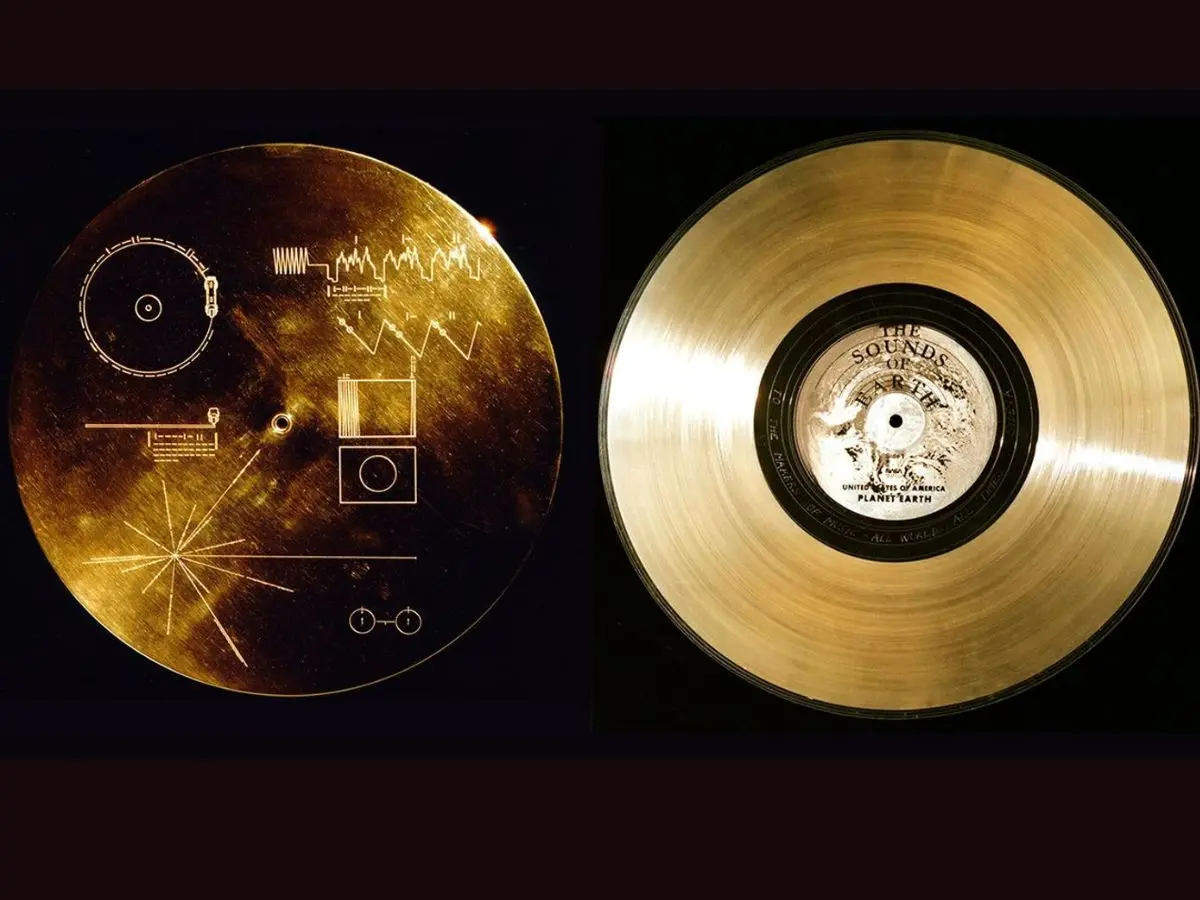
Among its instruments, Voyager 2 carries a 12-inch gold-plated copper disc known as the golden record. Encoded on it are greetings in 55 languages, music from multiple cultures, and 116 images representing life on Earth. The record was conceived as a time capsule for any intelligent beings who might encounter the spacecraft in the distant future. It remains the most audacious message humanity has ever sent into the cosmos.
Into the Silent Frontier
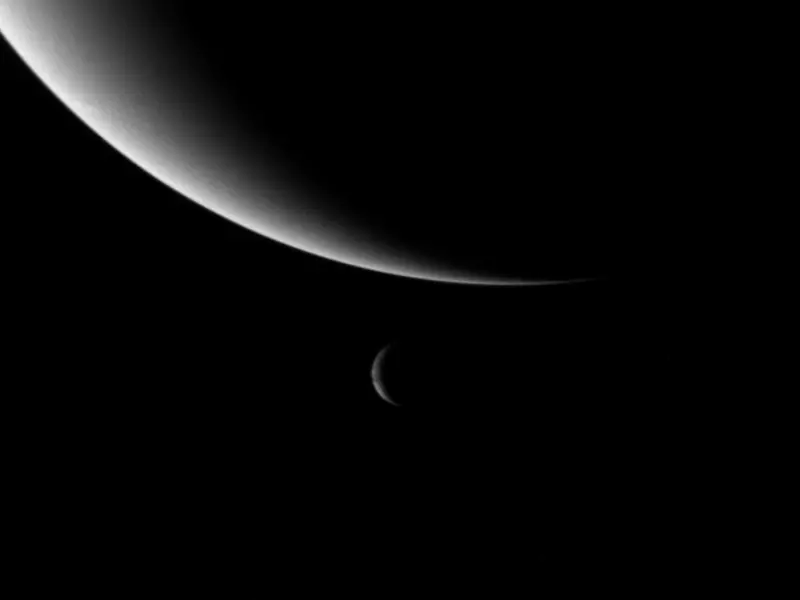
In November 2018, Voyager 2 crossed the boundary of the heliosphere, the bubble of solar influence surrounding our system, and entered interstellar space. Travelling at more than 34,000 miles per hour, it continues to transmit faint signals back to Earth, each taking over 18 hours to arrive. These are the most distant communications ever received by humanity. They carry data from an environment no human has ever experienced, ensuring Voyager 2’s place not just in scientific history but as a symbol of exploration without precedent.
)
)
)
)
)