Top 10 oldest countries in the world: Rich history with ancient heritage

The concept of a nation or country as an internationally recognised sovereign political territory is relatively modern. But in this list, we look at the historical political entity based on language, ethnicity, or civilisation that continues till today in some form.
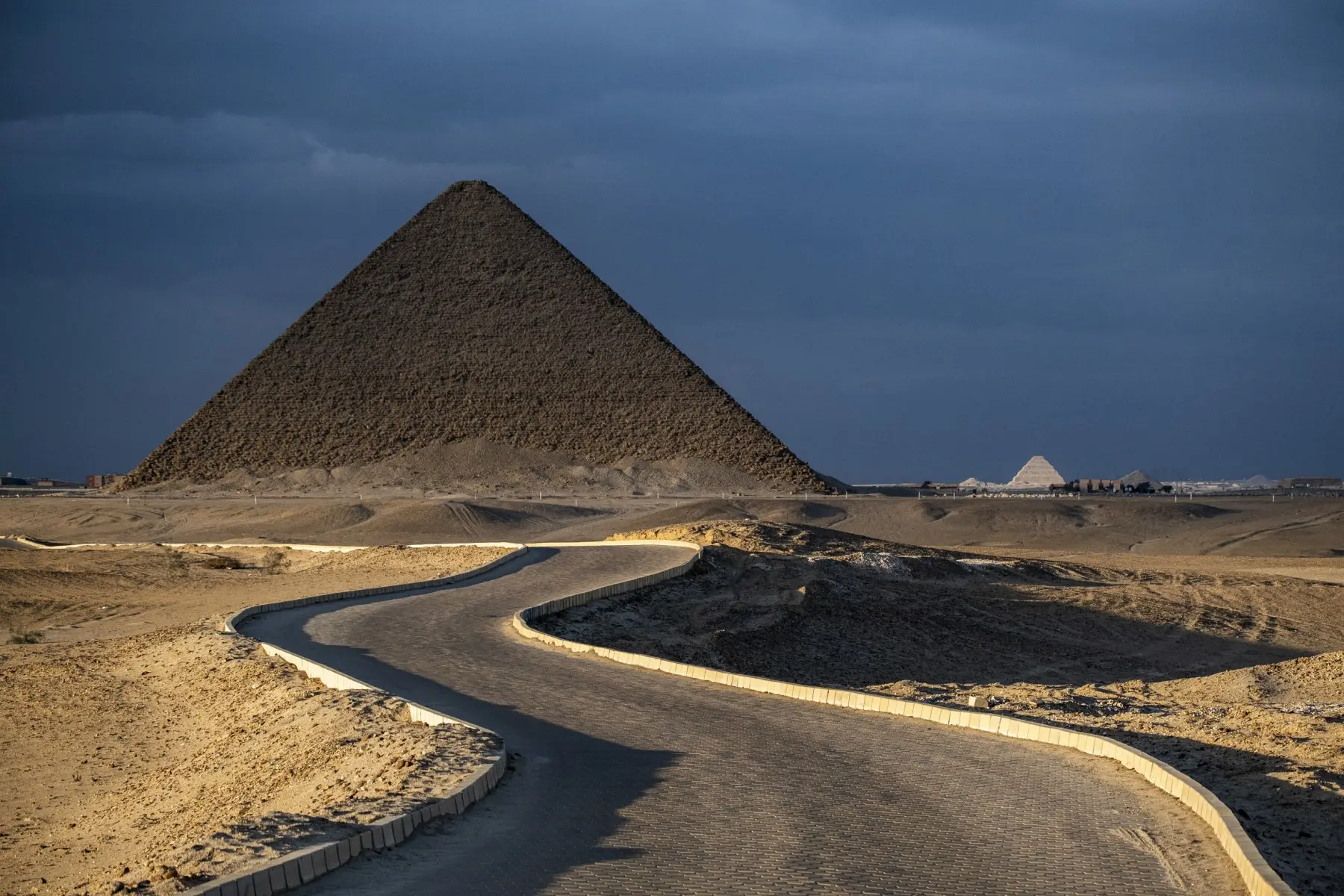
Egypt
Egypt is considered to be one of the oldest continuous civilisations in the world. Around 3100 BCE, King Narmer unified Upper and Lower Egypt, forming a unified single kingdom. They developed hieroglyphs, pyramids and ancient religious traditions that are still available today.
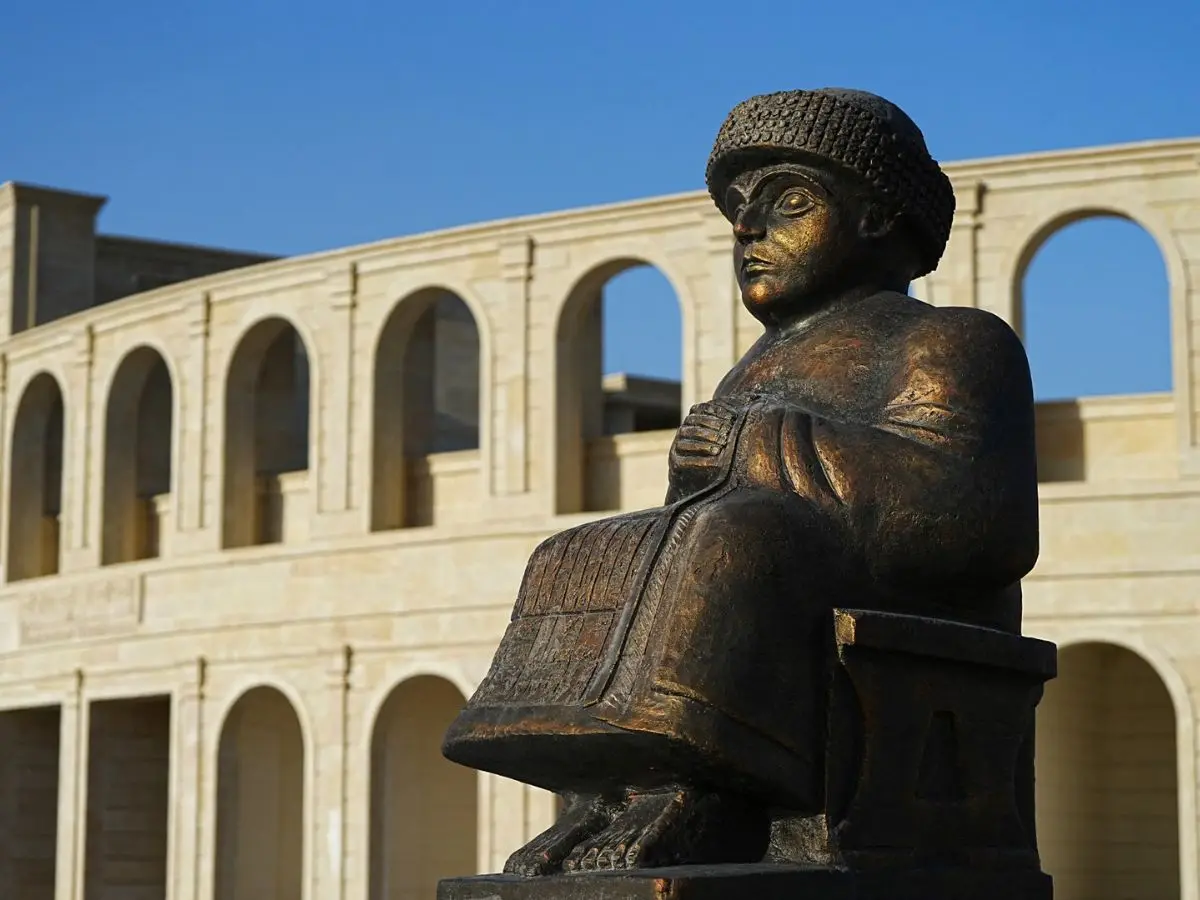
Mesopotemia/Iraq (3100 BCE, Sumer, Akkad, Assyria, Babylon)
The oldest civilisation on Earth was born in Mesopotamia, also known as the ‘cradle of civilisation,’ which started near the Euphrates and Tigris rivers. Sumerian civilisation, whose traces can be found in modern-day Iraq and Syria, was the oldest. They developed the world's first cities. Iraq still has cultural, societal and geographical links. The Sumerians were the first to invent the plough, wheel, and some form of writing. The Indigenous Iraqi Marsh Arabs still show the ancient lifestyle and traditions, architecture and farming practices of the Sumerians.
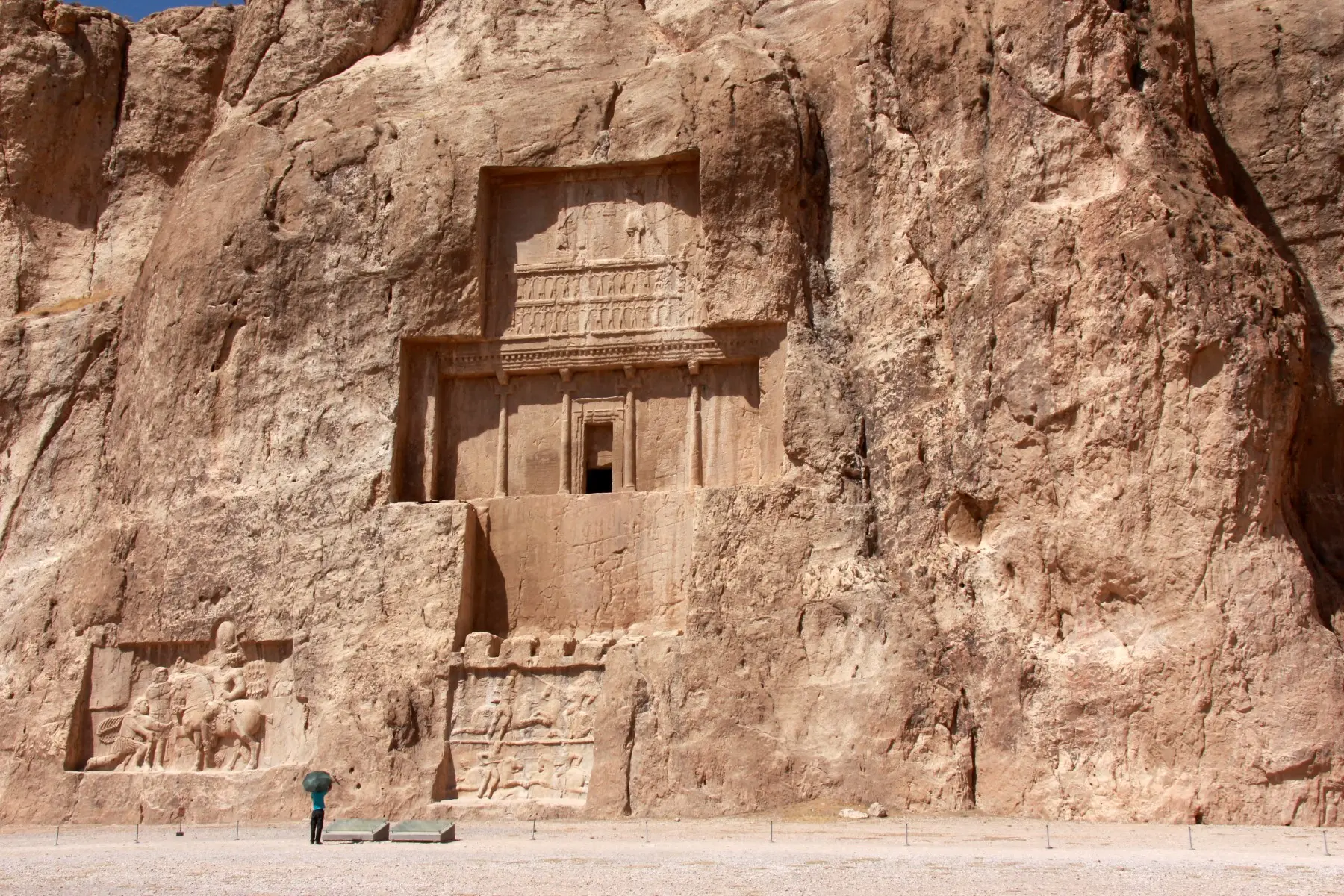
Iran (Elamite/ Persian)
Iran's history can be traced back to the Elamite kingdom and the Persian Kingdom. The Elamite was a civilisation that started approximately around 3000 BCE. This is followed by the Achaemenid, Parthian, and Sasanian Empires. It later spread the Persian culture across Asia. They have made a significant contribution in science, architecture and religion, including Zoroastrianism. Despite several invasions, Iran still bears the cultural identity of their past.
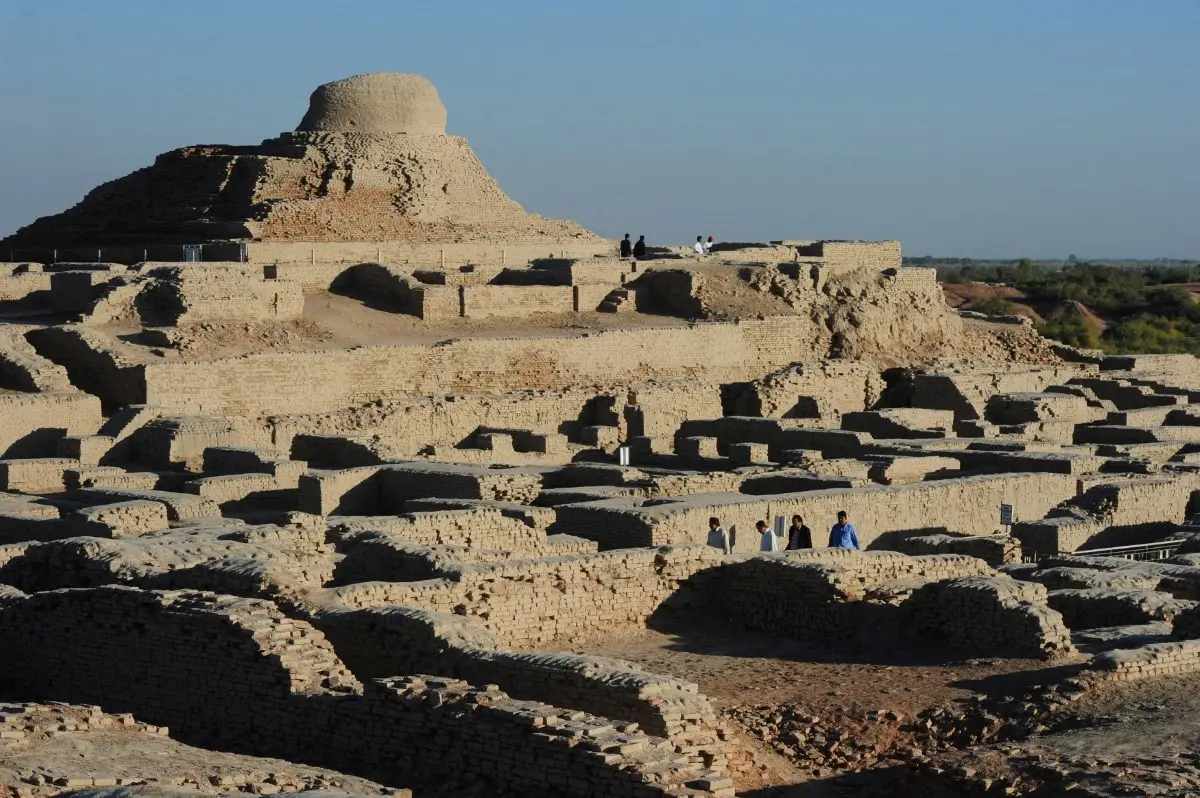
Indus valley/ India, Pakistan (2500 BCE)
The Indus Valley civilisation, which flourished around 2500 BCE, was part of ancient India and of Pakistan. While many historians argue it is as old as the Mesopotamian civilisation. The ruins of the civilisations in Harappa and Mohenjo-daro show advanced cities with sophisticated water systems and waste management systems that can rival those of modern times. There had been continuity in religion and culture between Pakistan and modern-day India.

China (1600 BCE)
China's civilisation can be dated back to 1600 BCE, historically during the time of the Shang Dynasty. But there are semi-legends, myths around the Xia dynasty, 2060 BCE. Ancient China had pioneered in Silk Production, bronze casting and written script.
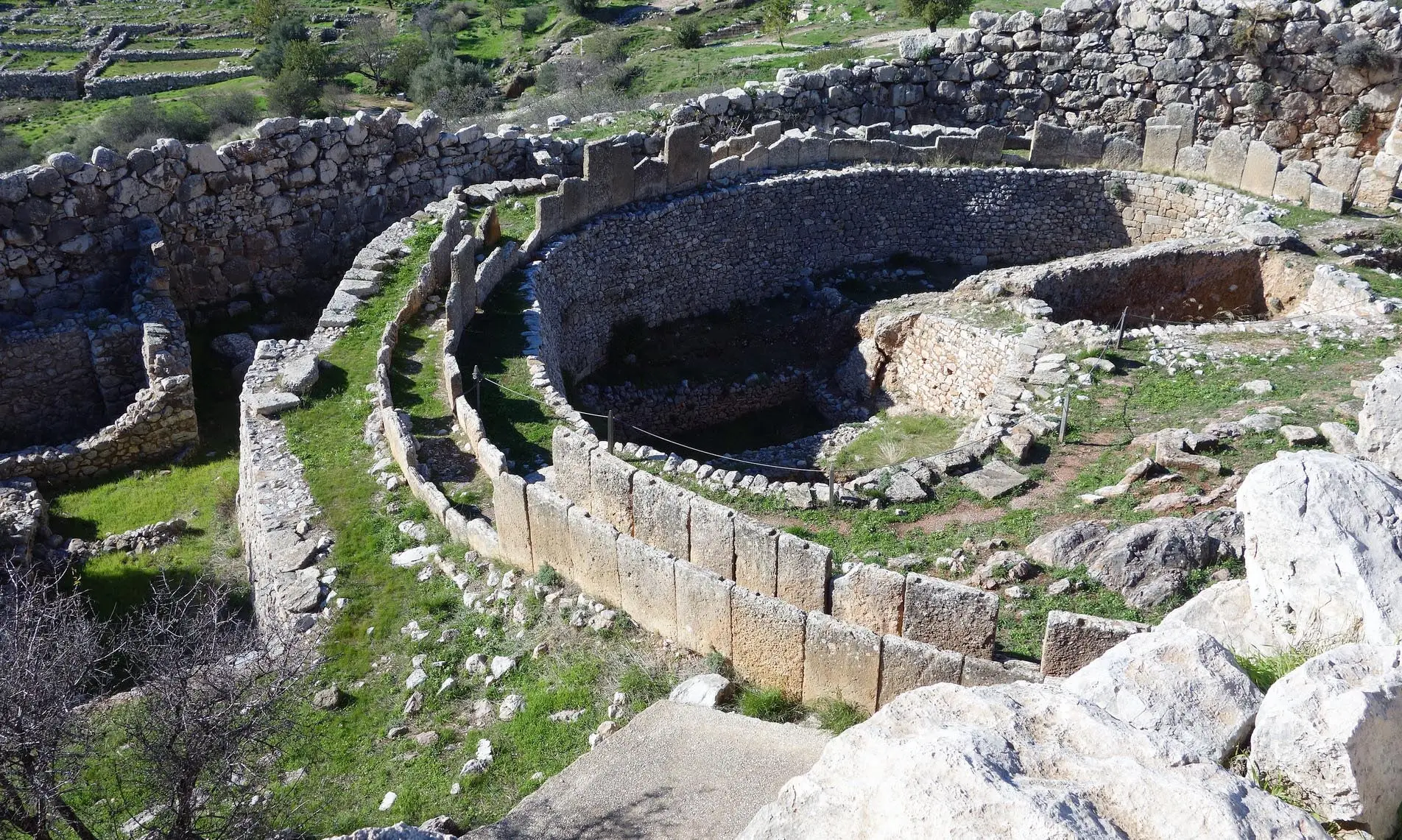
Greece (1600 BCE)
Greek history can be traced back to ancient times of Mycenae, where the mythical King Agamemnon ruled, and inspired Homeric epics. Greeks have contributed to science, politics, philosophy, and democracy. Greek culture influenced Rome and the Renaissance in Europe, and it shaped the modern West.
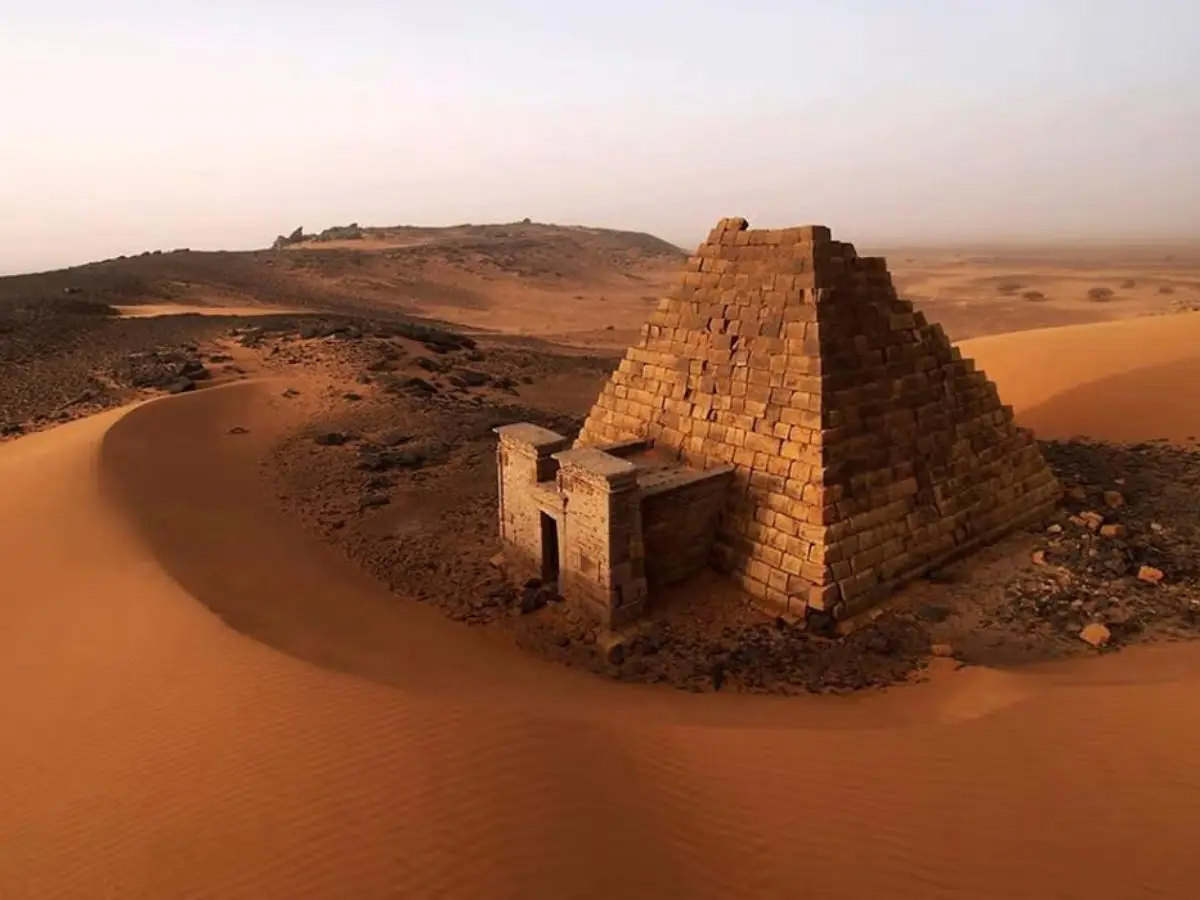
Sudan (1070 BCE)
The lost kingdom of Kush is the southern part of Egypt and modern-day Sudan. It rose around 1070 BC during the fall of Egypt and ruled Egypt as the 25th dynasty. They were also renowned for building pyramids, closely resembling the Egyptian style.
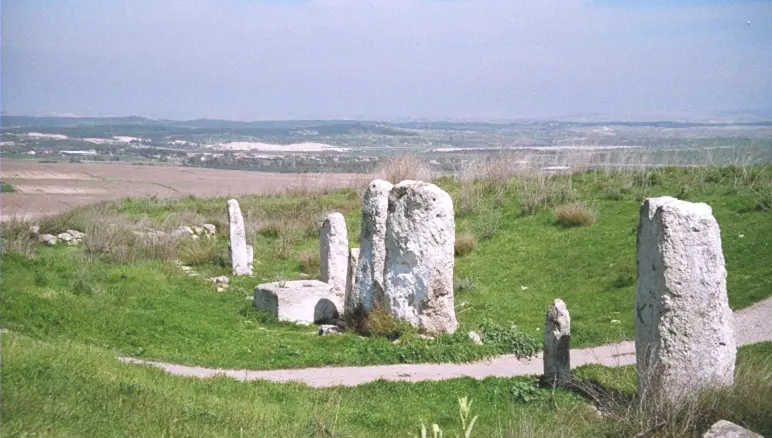
Israel (1050 BCE)
The early Israeli Kingdom of Saul, David, and Solomon emerged during the 1050s. However, the specific details of the Kingdom have a semi-mythical status, as most of the descriptions are from the Old Testament of the Bible. However, archaeologists are trying to validate the claims, and this is the root cause of the West Asian conflict between Israel and Palestine.
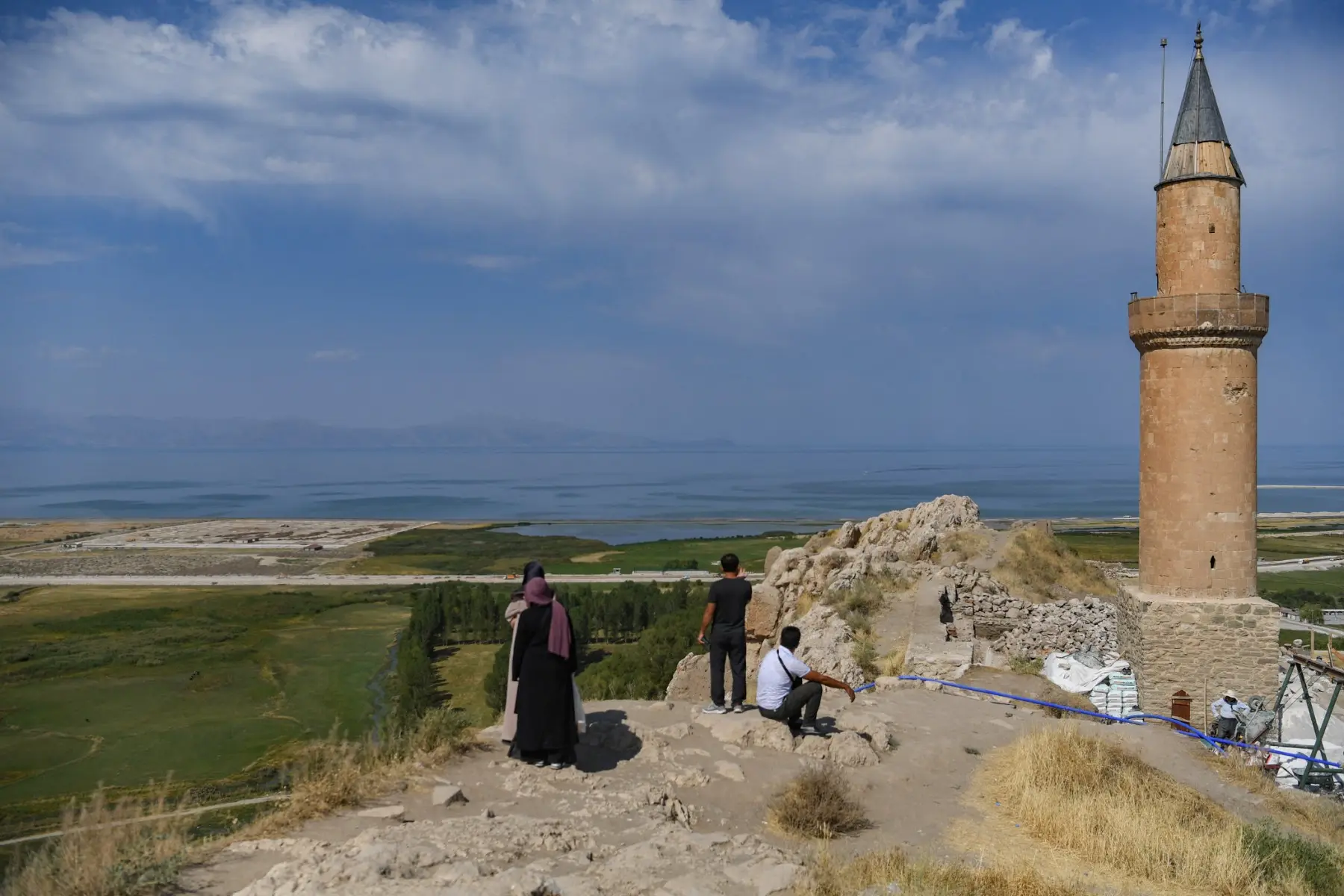
Armenia (860 BCE)
Armenian roots can be traced to the Kingdom of Urartu in 860 BCE. Over the years, Armenians have absorbed pressure from the Byzantine Empire, Persia, and the Turks, but managed to preserve their cultural and political identity.
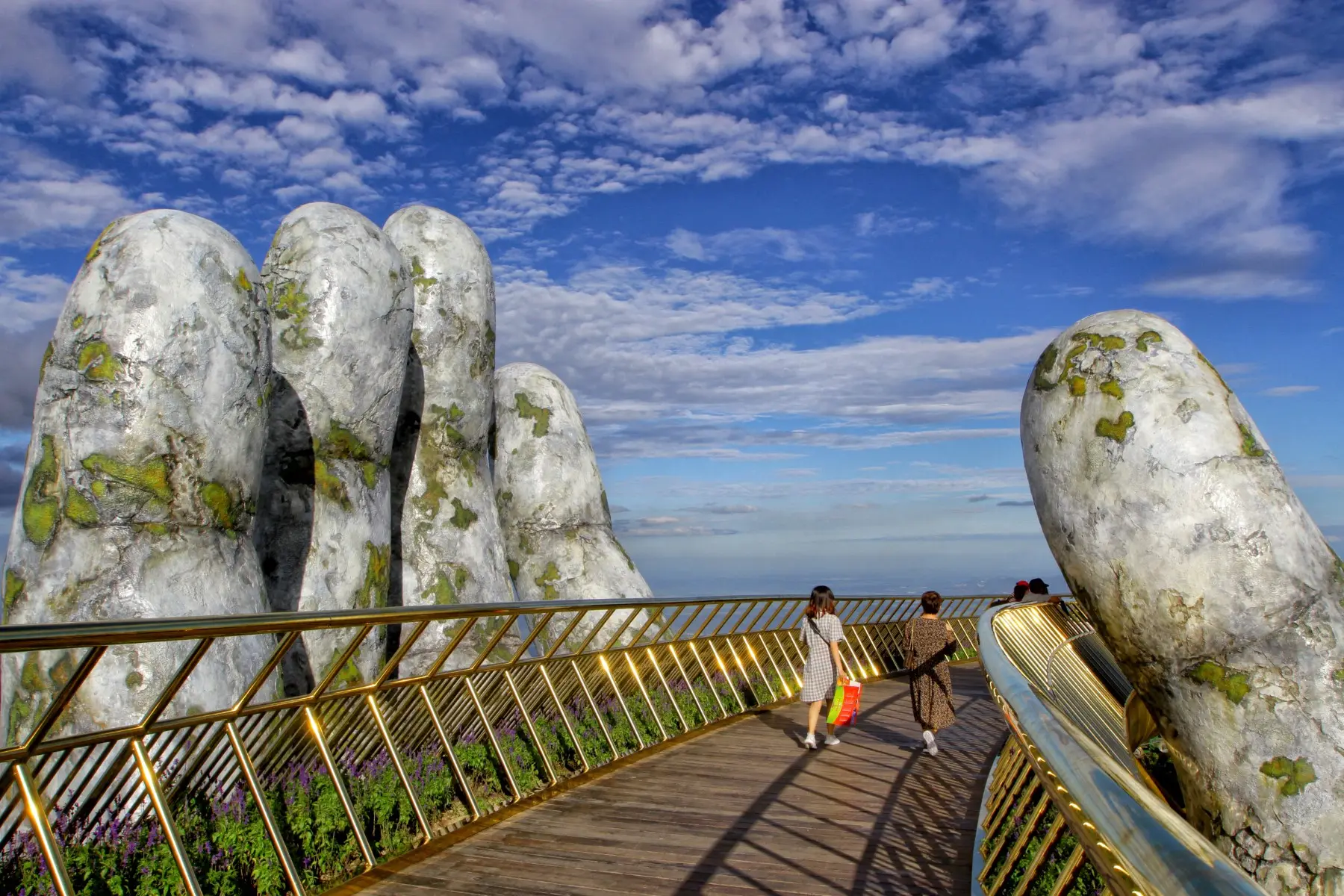
Vietnam
Vietnamese tradition holds that the nation began with the Hùng Kings in 2879 BCE, though historical evidence places its early kingdoms closer to the 1st millennium BCE.
)
)
)
)
)