Old Dominion University: Why was ISIS plotter released on probation under Biden admin and which lawyer helped him?

How does an ISIS sympathizer earn "Good Conduct" release? By playing the part of a reformed man. During his sentencing, Jalloh actively convinced the court that he was deradicalised.
1. The Attack at Old Dominion University
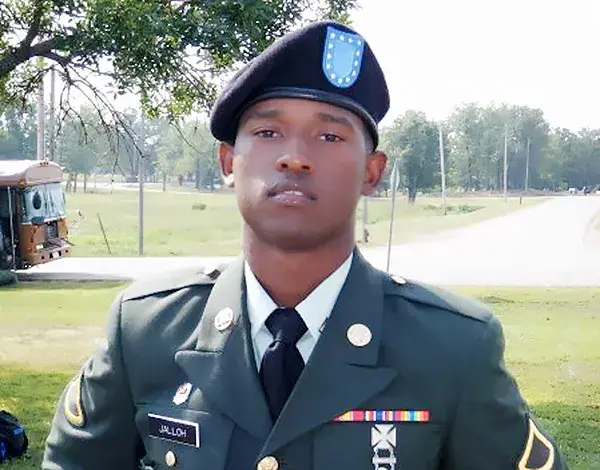
On Thursday morning, 36-year-old Mohamed Bailor Jalloh, a naturalised US citizen from Sierra Leone and former Virginia Army National Guard member, walked into Constant Hall at Old Dominion University. After confirming he was in an ROTC classroom, Jalloh shouted "Allahu Akbar" and opened fire, killing retired Army officer Lt. Col. Brandon Shah and injuring two others. The FBI confirmed the attack only ended when brave ROTC students rushed Jalloh, subduing and ultimately killing him with a knife. The FBI is officially investigating the shooting as an act of terrorism.

2. The 2016 ISIS Conviction
The core outrage surrounding this attack is Jalloh's criminal history. In 2016, Jalloh was arrested in an FBI sting operation. After leaving the military, he became radicalized by Al-Qaeda cleric Anwar al-Awlaki, traveled to Africa to meet with ISIL members, and attempted to buy an assault rifle in Virginia to carry out an ISIS-inspired massacre similar to the 2009 Fort Hood shooting. He pleaded guilty to attempting to provide material support to a designated terrorist organisation and was sentenced in 2017 to 11 years in federal prison, followed by five years of supervised release.

3. Why Was He Released Early on Probation?
Jalloh was released from federal custody in December 2024, roughly 15 months before the ODU attack. While the Department of Justice has not issued a specific public statement explaining the exact administrative reason his release was moved up, the mechanics of the federal prison system provide the answer. Federal inmates routinely receive sentence reductions for time served prior to sentencing and "Good Conduct Time" (which can shave up to 15% off a sentence under federal law). Having been in custody since his arrest in July 2016, his release in late 2024 aligns with the standard early-release mathematics for federal prisoners.

4. The 'Reformed' Facade
How does an ISIS sympathizer earn "Good Conduct" release? By playing the part of a reformed man. During his sentencing, Jalloh actively convinced the court that he was deradicalized. According to court records, he renounced ISIS before the judge, stating: "I'm very, very sorry for what I have done. I did not intend to cause any harm to anyone. And I want to say, every time I see any atrocities that ISIS commits, I am disgusted by it because I know this is not what I want to be a part of."
5. The Defence Attorney: Ashraf Nubani
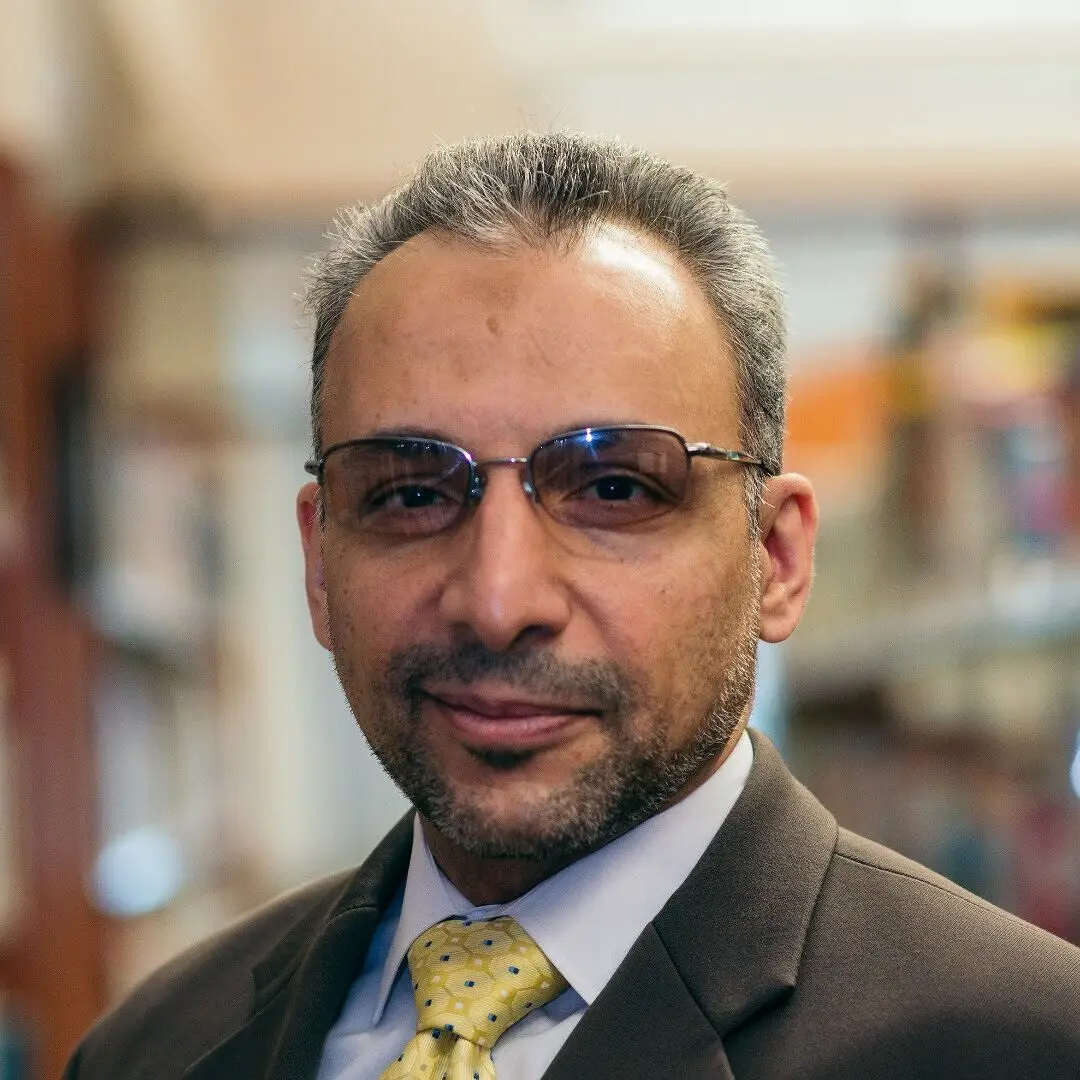
The lawyer who fought for Jalloh during his 2016 terrorism case was Virginia-based attorney Ashraf Nubani. Following the horrific events at ODU, Nubani issued a public statement distancing himself from his former client. Nubani clarified that he had no recent contact with Jalloh and stated: "Any loss of life is tragic, and violence against innocent people is completely contrary to Islamic teachings and basic human morality."

6. The Failure of 'Supervised Release'
Jalloh was not entirely free; he was on "supervised release," the federal equivalent of probation. This means he was supposed to be actively monitored by federal probation officers. The fact that a known ISIS sympathiser, who previously praised the killing of US service members, was able to procure a weapon, bypass surveillance, and walk into a university military training class while under federal watch is sparking intense outrage and demands for immediate systemic reform.
7. The Political and Legal Fallout
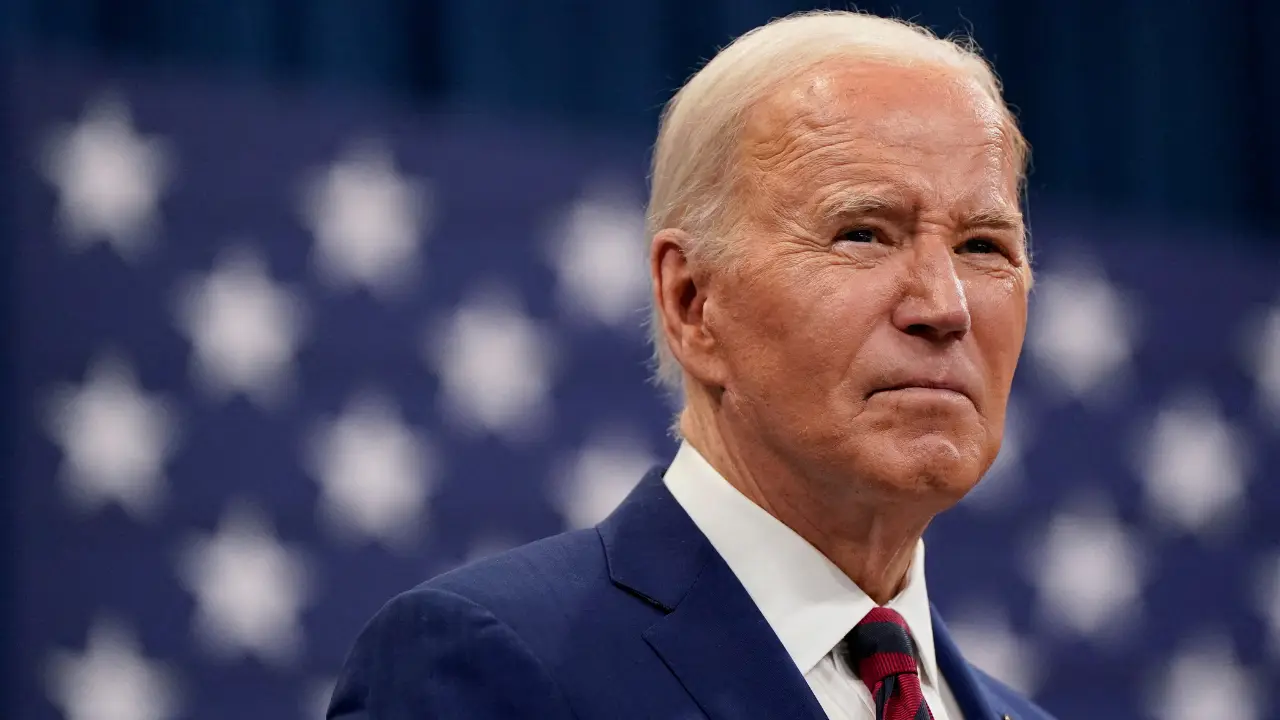
The ODU attack has triggered a massive debate in Washington regarding how individuals with terrorism convictions are handled post-incarceration. Lawmakers are demanding answers from the FBI's Joint Terrorism Task Force and the DOJ. The attack raises terrifying questions about the loopholes in the justice system that prioritise "good behaviour" math over national security, proving that ideological radicalisation cannot always be cured by a prison sentence.
)
)
)
)
)