Oil price shocks: When was the crude oil price highest in history?

Oil prices hit $116 amid the 2026 Iran conflict. A look at historic oil shocks from the 1973 embargo to the COVID crash and Ukraine war surge.
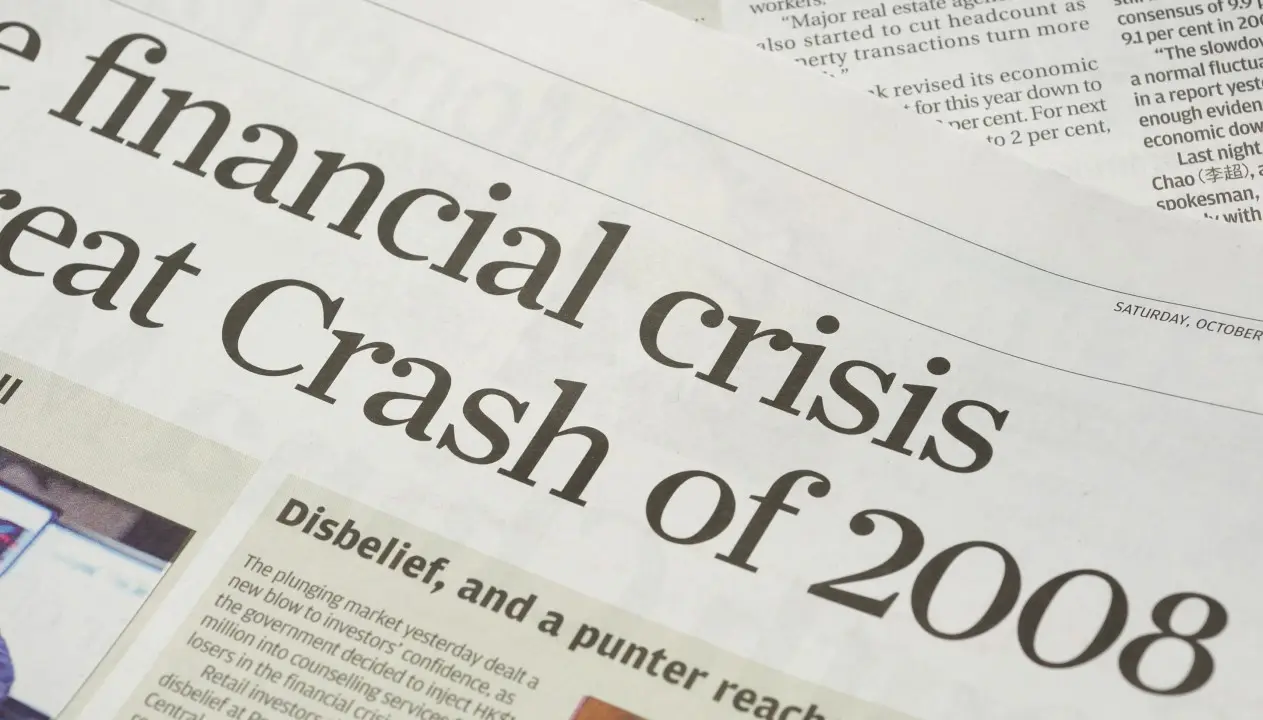
2008, The Great Recession- $147
One of the most severe financial market crises was driven by the US housing bubble and speculative trading. In 2008 the US housing market went from boom to bust. According to a 2011 Financial Crisis Inquiry Commission report, the massive deregulation, low interest rates, and lax lending standards led to banks giving mortgages to people and businesses with high credit risks. Rapid buying and selling for profit created artificial and rapid price appreciation. This speculative investment led to a boom in the commodity market, and oil prices went as high as $147 per barrel, then plummeted by over 70 per cent to around $40 per barrel.

1973, The Oil Shock- $11
During the Yom Kippur War of 1973, due to the Western support of Israel, OPEC nations imposed a total embargo of oil trade. According to Investopedia, the oil prices soared from $3 per barrel to $11 per barrel, approximately 266 per cent increase, and in some cases it went as high as $17 per barrel. If adjusted for inflation, $11 in 1973 is equivalent in purchasing power to about $80.58 today.
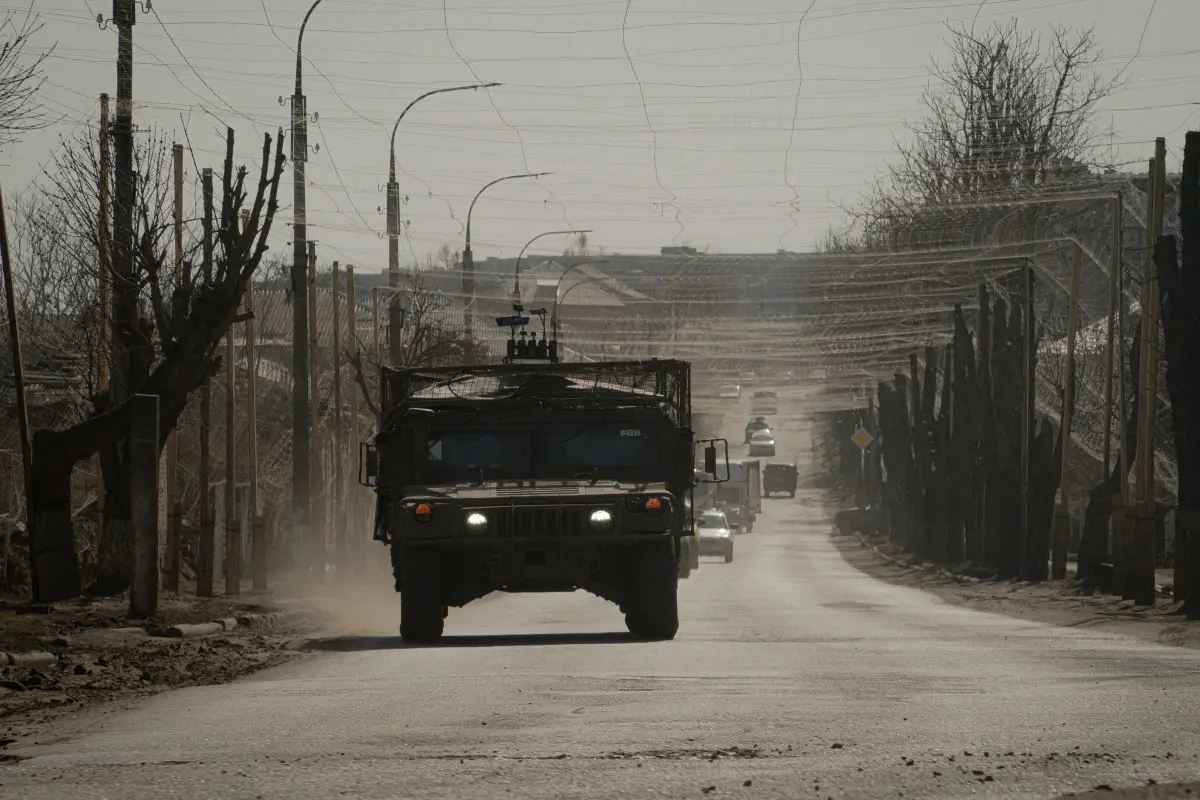
2022, Post- Pandemic Russian Invasion of Ukraine- $139
The COVID-19 Pandemic and subsequent lockdown pushed the oil prices to historic lows. In April 2020, WTI futures were pushed into negative territory, -$37.63 per barrel. The prices recovered, as the economy opened, in 2021, Brent Crude averaged $71 per barrel highest in 3 years. In 2022, the prices sharply rose following the Russian invasion of Ukraine. Brent Crude reached $139.13 per barrel, and WTI Crude reached $130.50 per barrel, the highest in four decades.
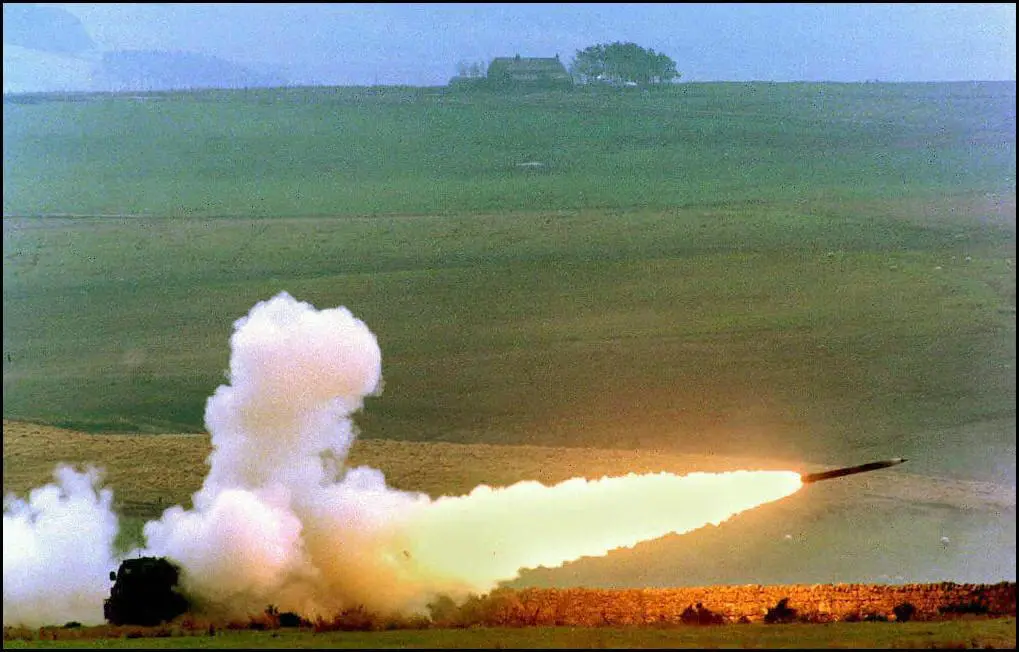
1991, The Gulf War- $36
Oil Prices surged during the Gulf War after Iraq's invasion of Kuwait disrupted the energy supply. Prices reach $36 per barrel from $17 per barrel. Though this was less severe and lasted for a shorter duration. The price normalised once the US-led coalition secured energy supplies.
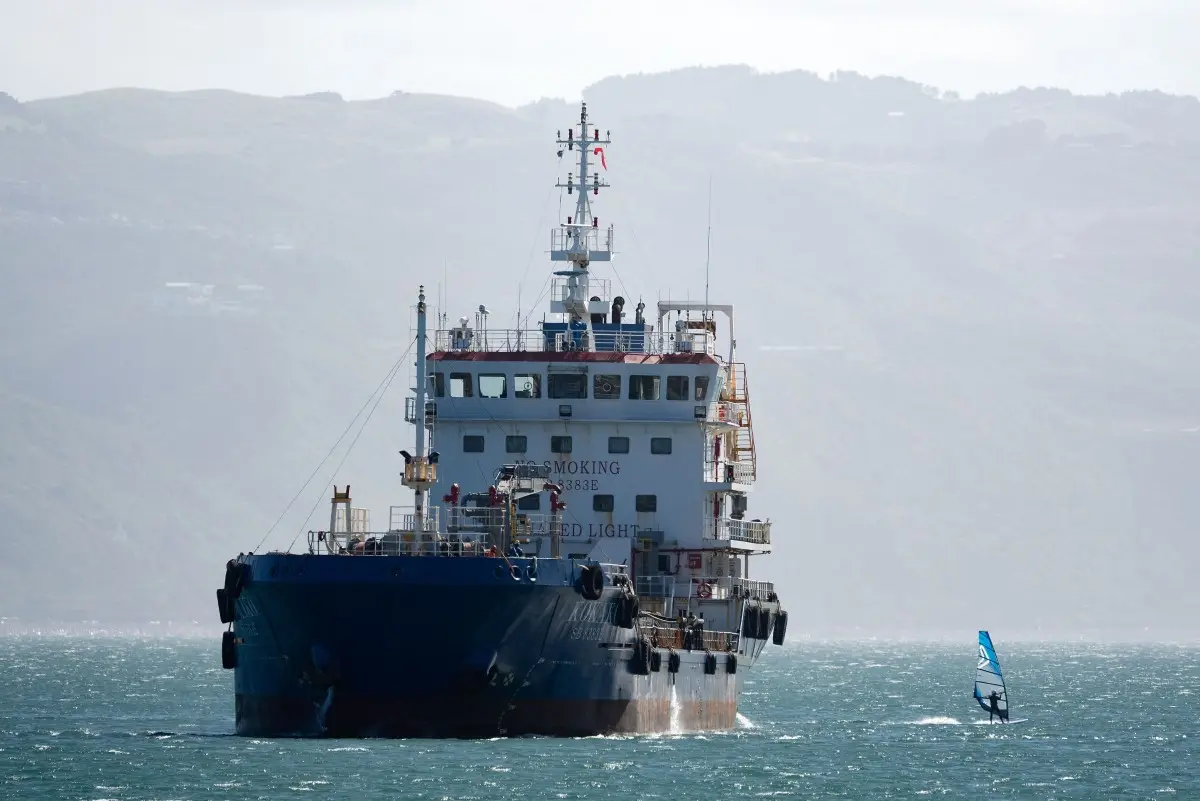
2026, Iran war- $116
The 2026 US-Israel joint military operation on Iran, the following retaliation and the closure of the Strait of Hormuz led to panic in the market. Attacks on major energy hubs, including Qatar's Ras Laffan LNG facility and Saudi Arabia's Ras Tanura refinery, have suspended roughly one-fifth of global supply. The Brent Crude before the US-Israel strike was trading as low as $70; now it has reached at $116 on March 19, 2026.
)
)
)
)
)