‘Oil change impact’: Can delaying your regular service lower your fuel mileage?

Delaying routine oil changes thickens engine oil, creating friction that lowers fuel efficiency. Fresh oil restores mileage, preventing extra petrol costs and severe mechanical damage.
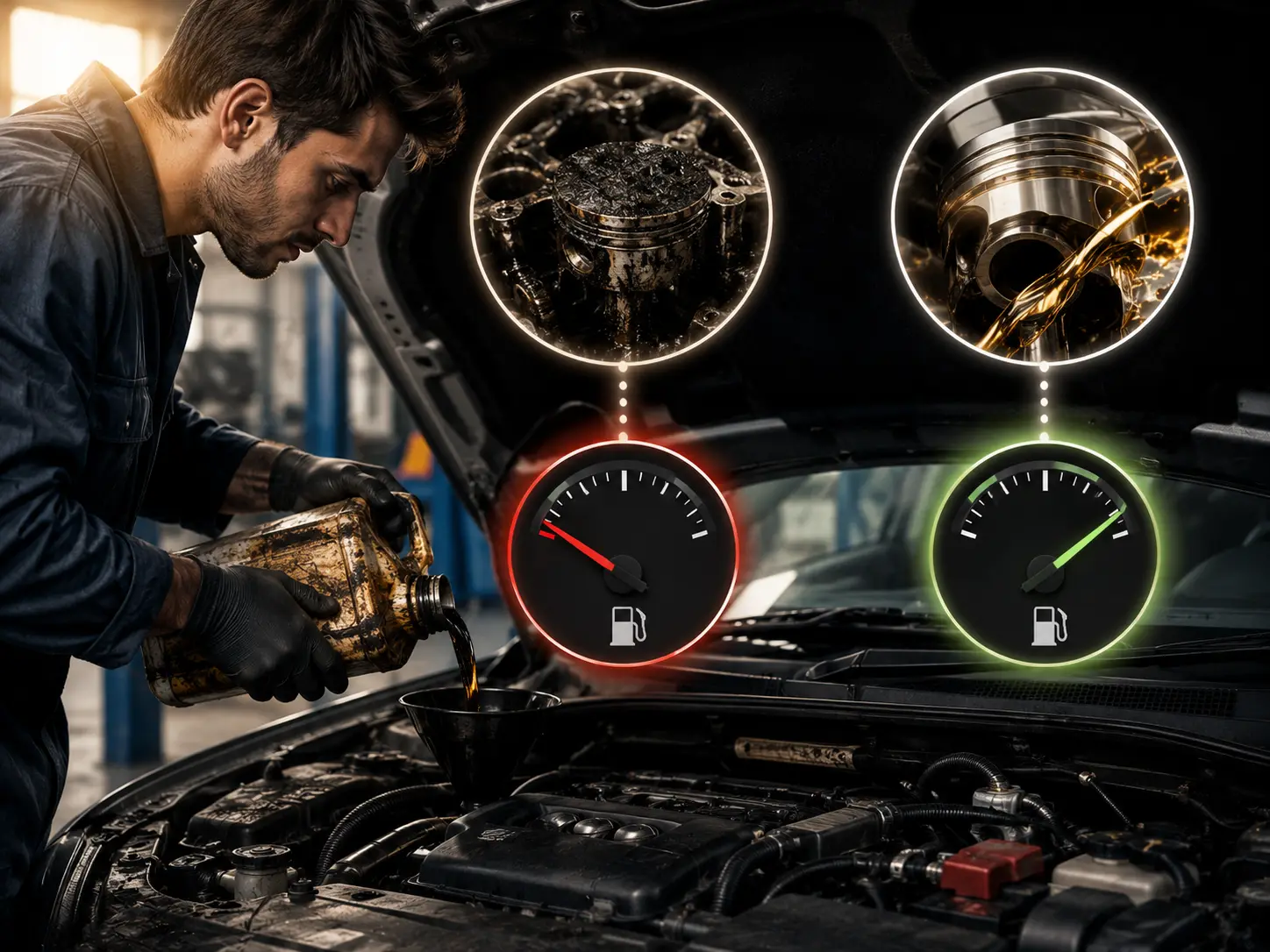
10,000 Kilometre Oil Limit
Modern car engines typically need fresh oil every 10,000 kilometres to maintain peak efficiency. When oil ages beyond this limit, it thickens into sludge, forcing the engine to burn more fuel to operate properly.

2 Per Cent Mileage Drop
Driving with degraded engine oil can decrease your overall fuel economy by up to 2 per cent. The thick sludge creates internal friction, meaning the engine requires extra petrol to push the pistons and run smoothly.

Rs 5,000 Yearly Fuel Loss
A slight drop in fuel efficiency can easily cost a daily commuter over Rs 5,000 extra in petrol annually. Paying for a timely oil service prevents this gradual and hidden financial loss at the fuel pump.
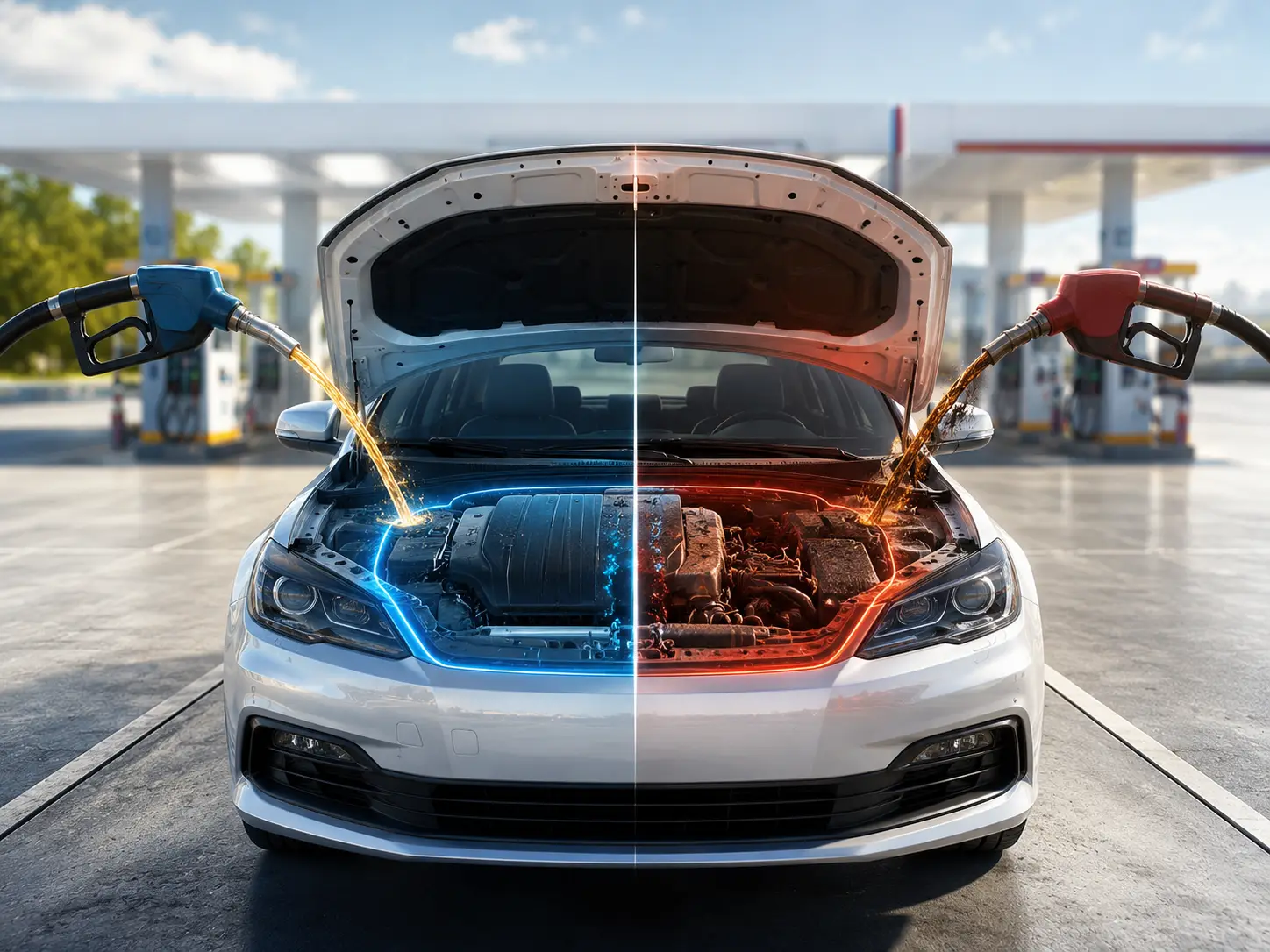
100 Degrees Operating Heat
Engine oil degrades rapidly when operating near its standard 100 degrees Celsius running temperature over many months. Fresh oil dissipates this intense heat effectively, preventing the engine from running too hot and wasting petrol.

100 Per Cent Friction
As aging oil loses its chemical additives, the crucial barrier between moving metal parts completely breaks down. This severe internal friction forces the engine to burn extra petrol just to turn, eventually leading to catastrophic mechanical failure.
)
)

)
)