Observable universe is 93 billion light years wide but what’s beyond it? Here’s what we can’t see...

Astronomers call this the observable universe, and its scale and limits reveal both the progress of science and the mysteries still unresolved.
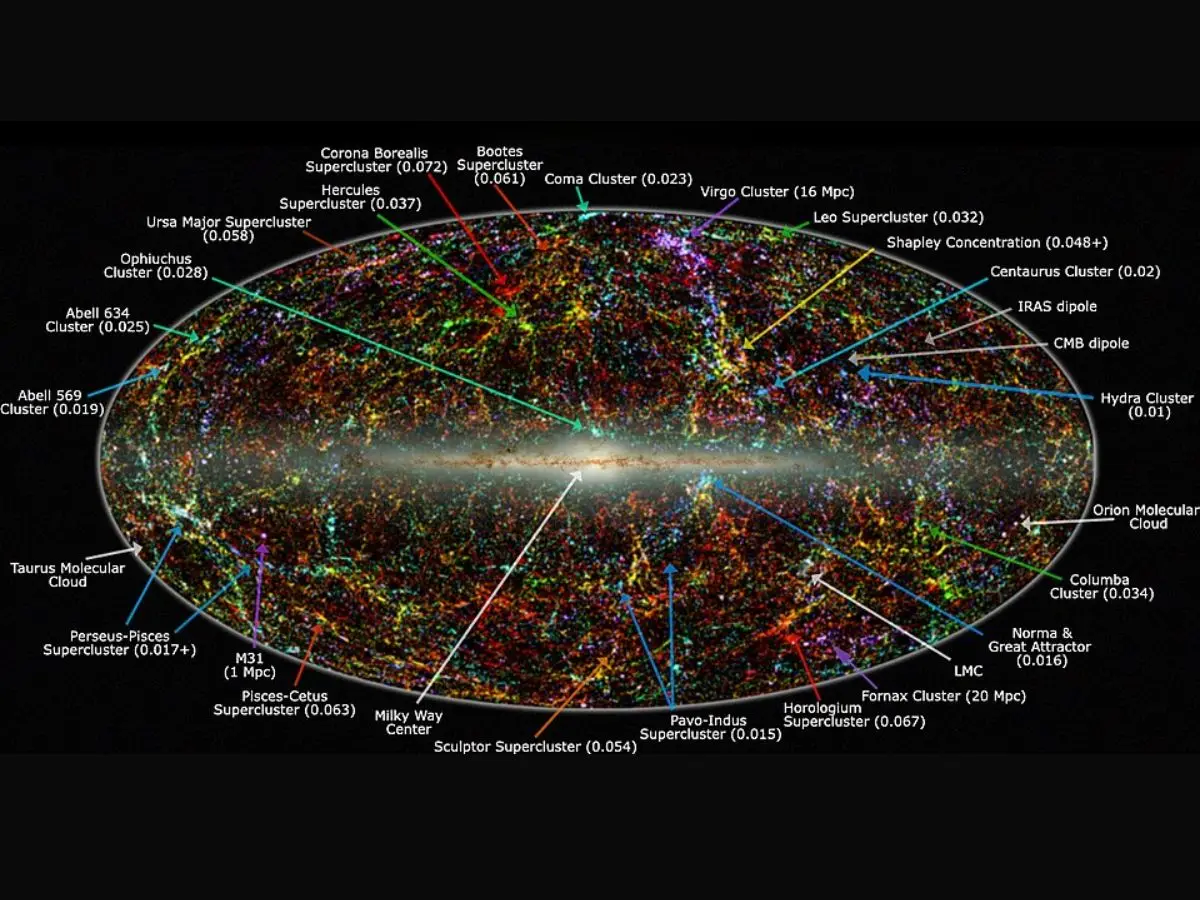
What is the Observable Universe
The Universe is vast beyond comprehension, and even the part we can see represents only a fraction of the whole. Astronomers call this the observable universe, and its scale and limits reveal both the progress of science and the mysteries still unresolved. Understanding what we can observe and what may lie beyond is one of the most intriguing challenges in modern cosmology.
How Far Can We See?
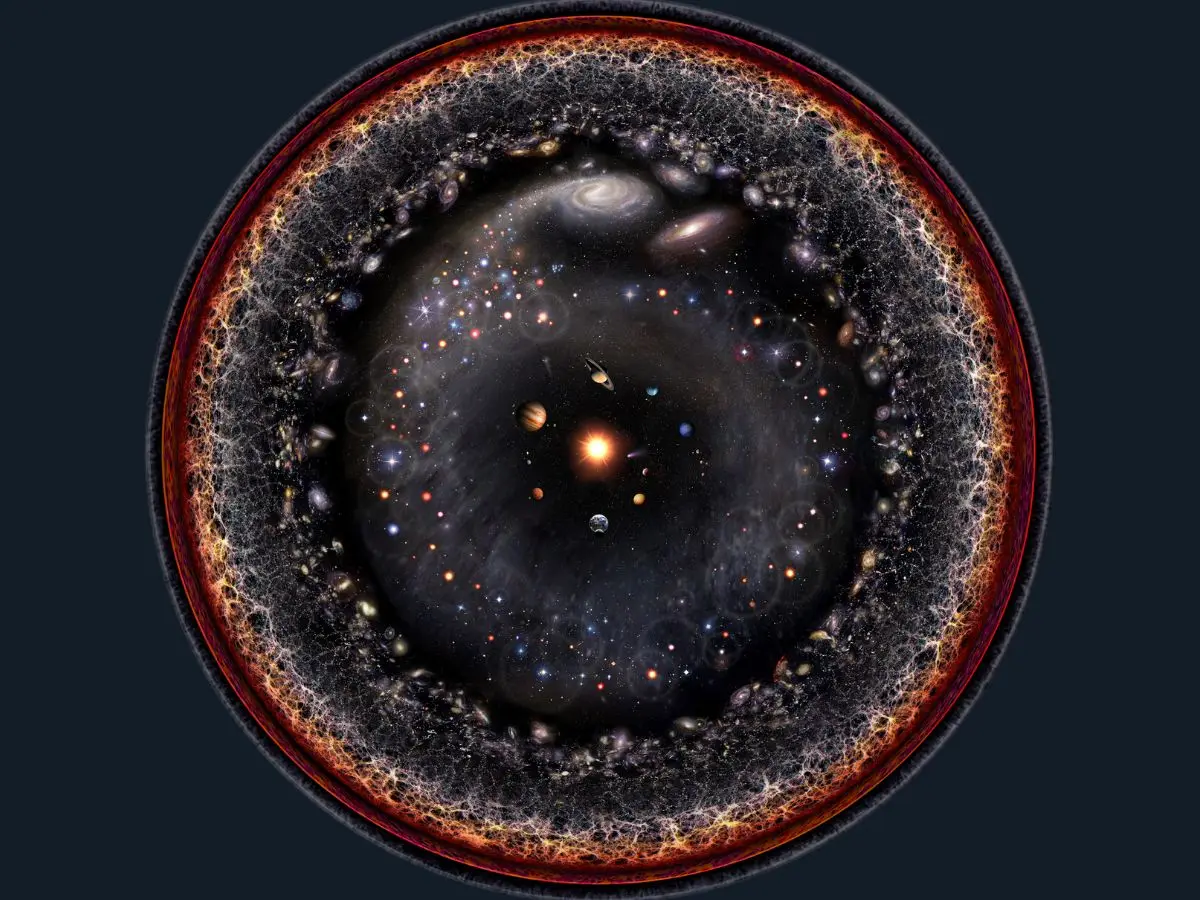
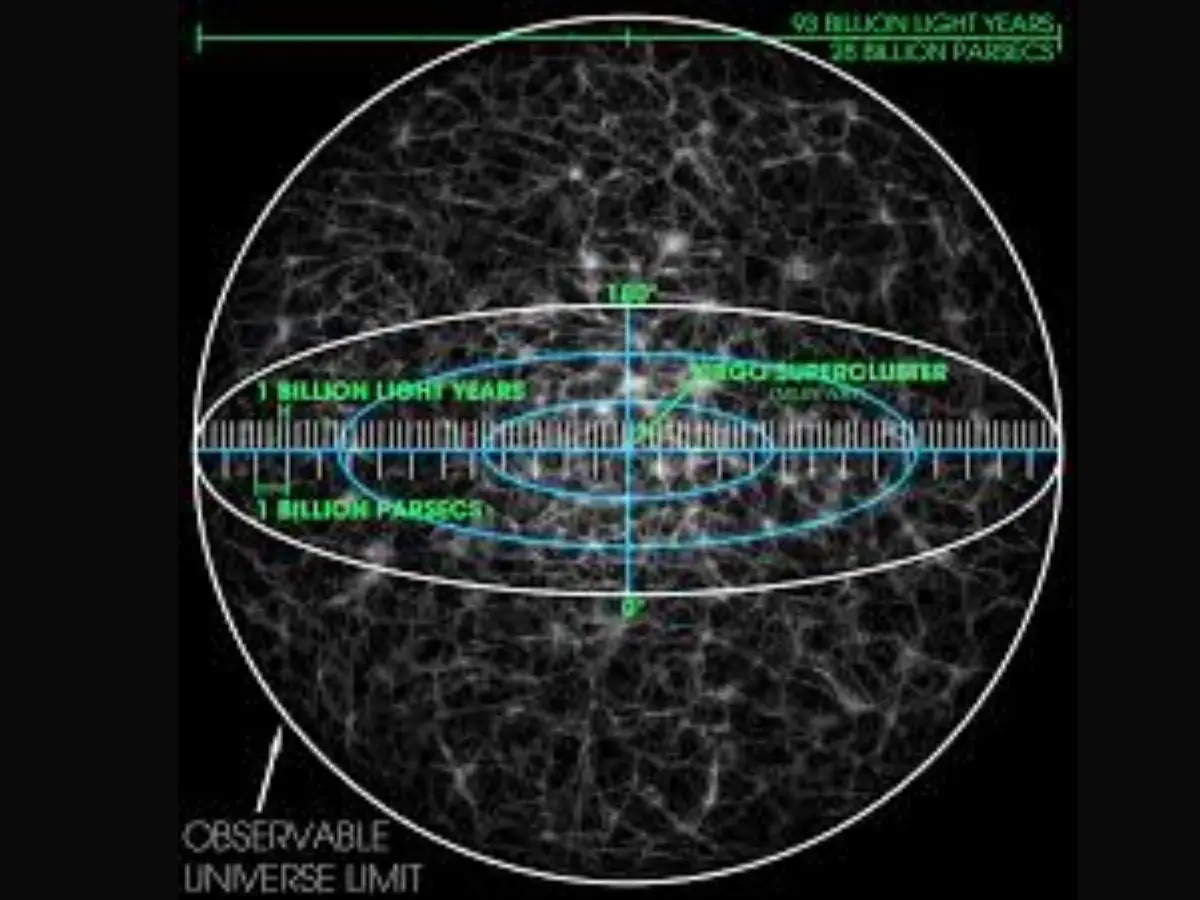
The observable universe is the portion of the cosmos from which light has had time to reach us since the Big Bang, 13.82 billion years ago. Because space itself has been expanding during that time, the limit of what we can detect is much further than 13.8 billion light years. In fact, the edge of the observable universe is calculated to be about 46.5 billion light years away in every direction. Altogether, this gives a visible sphere roughly 93 billion light years across.
The Cosmic Microwave Background
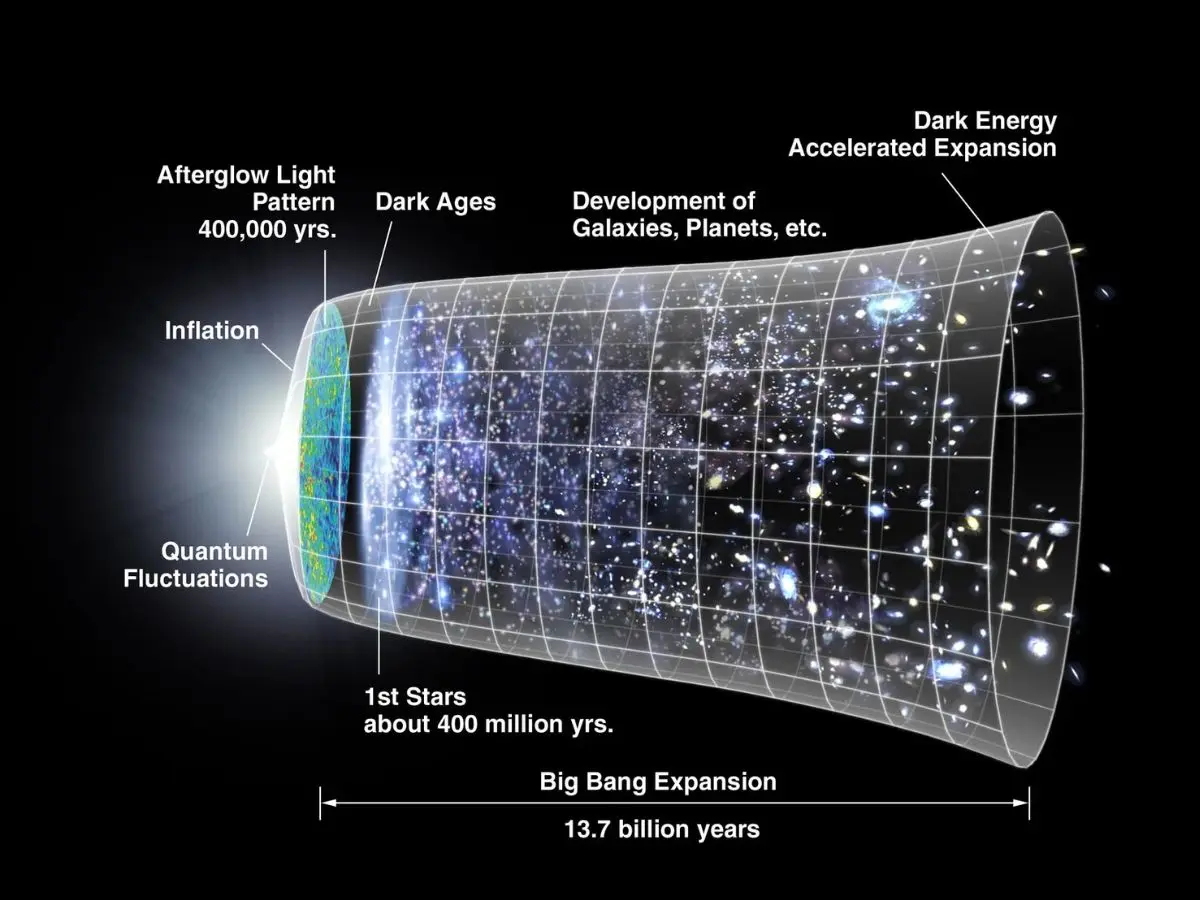
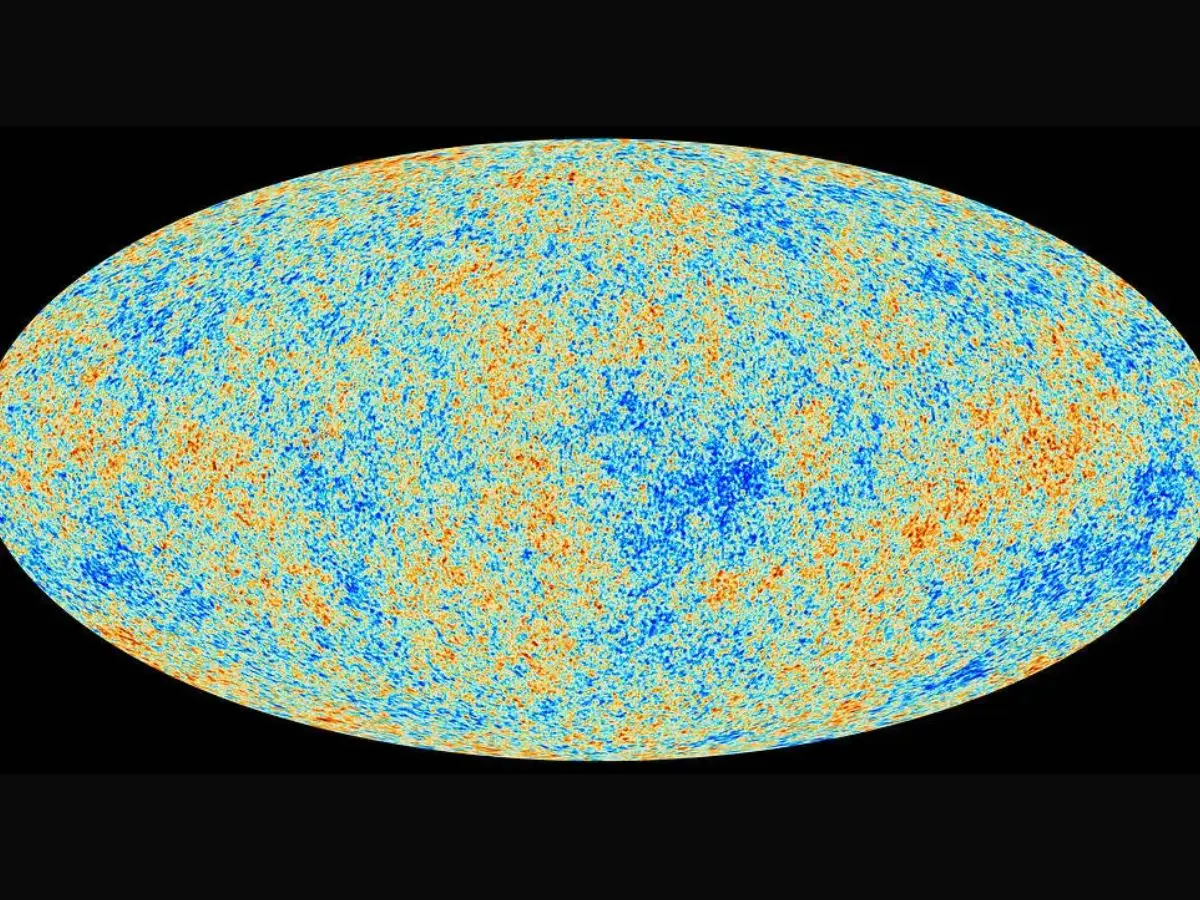
One of the most important pieces of evidence for this limit is the cosmic microwave background radiation, faint heat left over from the Big Bang. It is seen everywhere in the sky at a temperature of just 2.7 degrees above absolute zero. This radiation comes from a time when the Universe was only 3,80,000 years old, and it marks the furthest point in time and space that light can reach us. Beyond this surface, the Universe was opaque to radiation, so the microwave background represents the horizon of observation.
Why the Universe Looks the Same Everywhere
The cosmic microwave background is strikingly uniform, with tiny fluctuations that became the seeds of today’s galaxies. Yet the fact that opposite sides of the sky share almost identical temperatures is puzzling. There has not been enough time since the Big Bang for light or heat to travel between those regions. To resolve this paradox, scientists propose that the early Universe underwent an ultra-rapid burst of expansion, called inflation, which smoothed out conditions across space before it grew to its current size.
What Lies Beyond the Observable Universe?
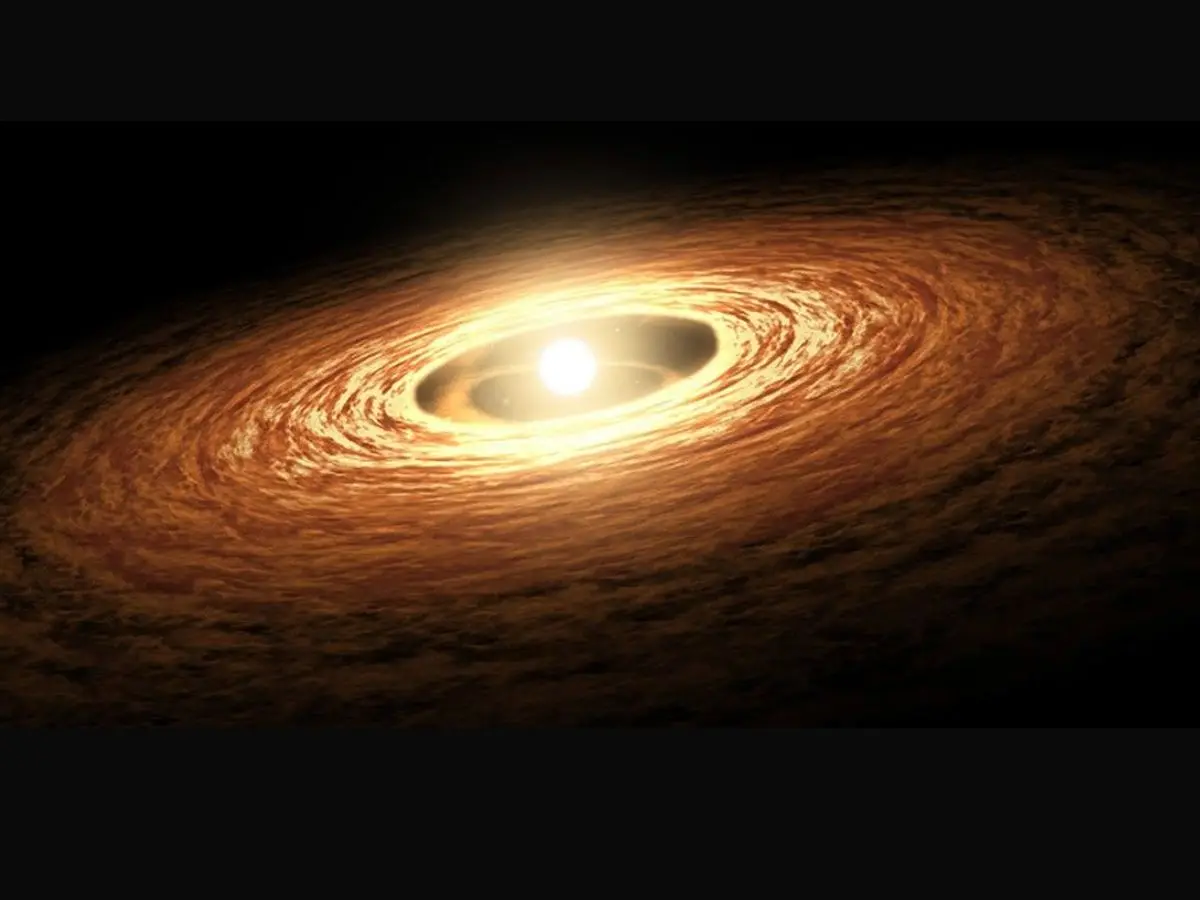
The observable universe is limited not by any physical edge but by the speed of light and the age of the cosmos. Beyond the 46.5-billion-light-year horizon, the Universe almost certainly continues. Current theories suggest it may be vastly larger than what we can see, and possibly infinite. If inflation theory is correct, the cosmos could extend far beyond our horizon, perhaps into realms forever inaccessible to observation.
Is the Universe Infinite?
The question of whether the Universe has an end remains unanswered. Observations of the cosmic microwave background show that space is remarkably flat, which is consistent with an infinite cosmos. Yet infinity is hard to reconcile with physics, and some scientists favour models where the Universe, though unimaginably large, is still finite. Other possibilities include a multiverse, in which our observable universe is just one bubble in a far greater cosmic sea.
The Greatest Cosmic Mystery
The observable universe is a well-defined sphere shaped by the laws of light and time, but what lies beyond it remains one of science’s deepest mysteries. We may never see further, yet the clues within the observable realm, dark matter, dark energy, cosmic expansion and the relic radiation of the Big Bang, suggest that the true scale of reality is stranger and more immense than we can fully imagine.
)
)
)
)
)