‘Nvidia vs traditional chipmakers’: How Nvidia is winning the race that traditional chipmakers started

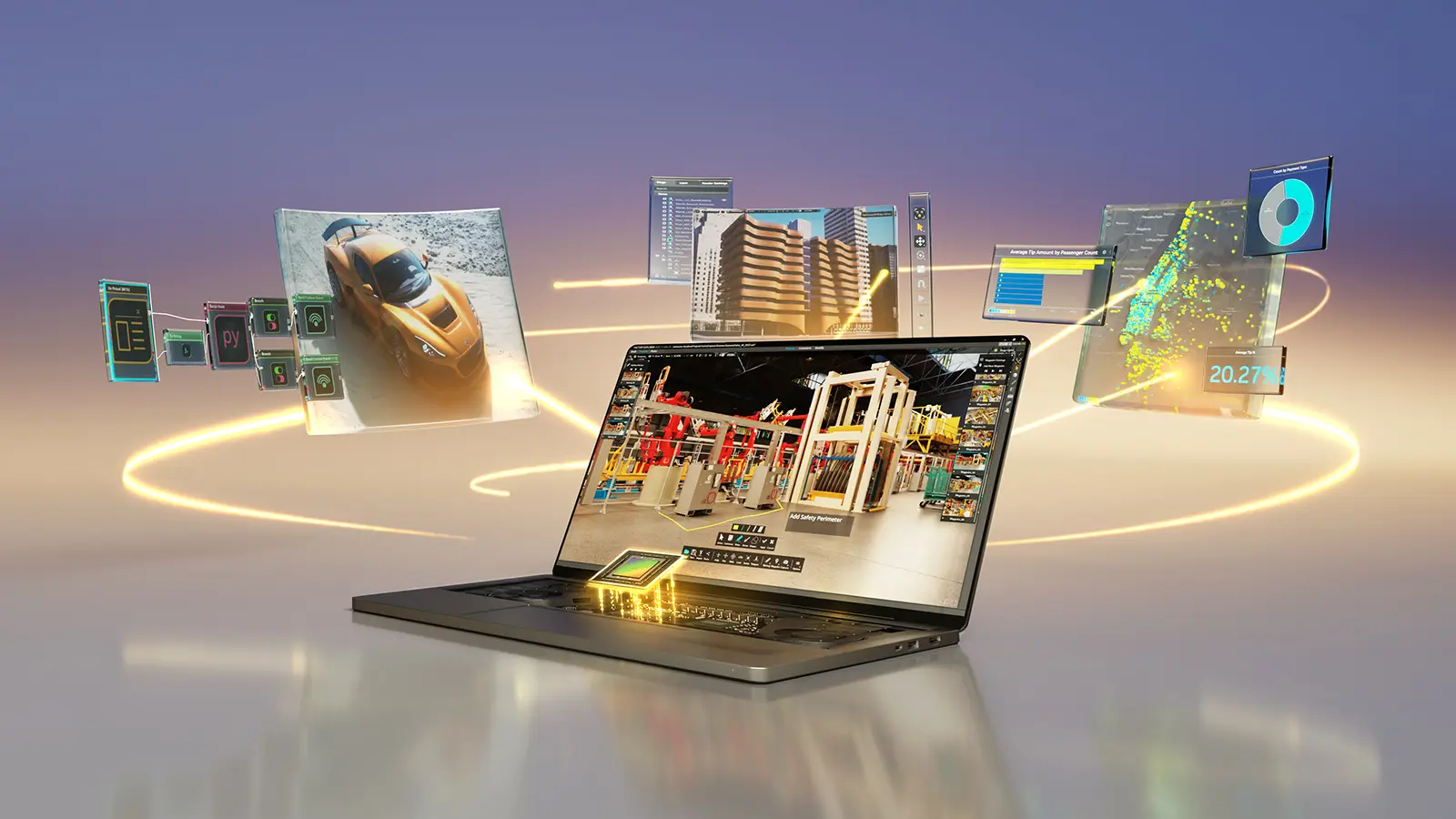
Nvidia is overtaking traditional chipmakers by powering the Microsoft Surface Laptop Ultra with its RTX Spark superchip. Featuring up to 128GB of unified memory and 1 petaflop of AI compute, the chip allows users to run massive 120-billion parameter models locally.
Reinventing the traditional PC
Nvidia and Microsoft have collaborated to reinvent the personal computer for the age of artificial intelligence. They recently unveiled the Surface Laptop Ultra, a flagship device engineered from the silicon up to handle heavy creative and developer workloads.
The RTX Spark superchip
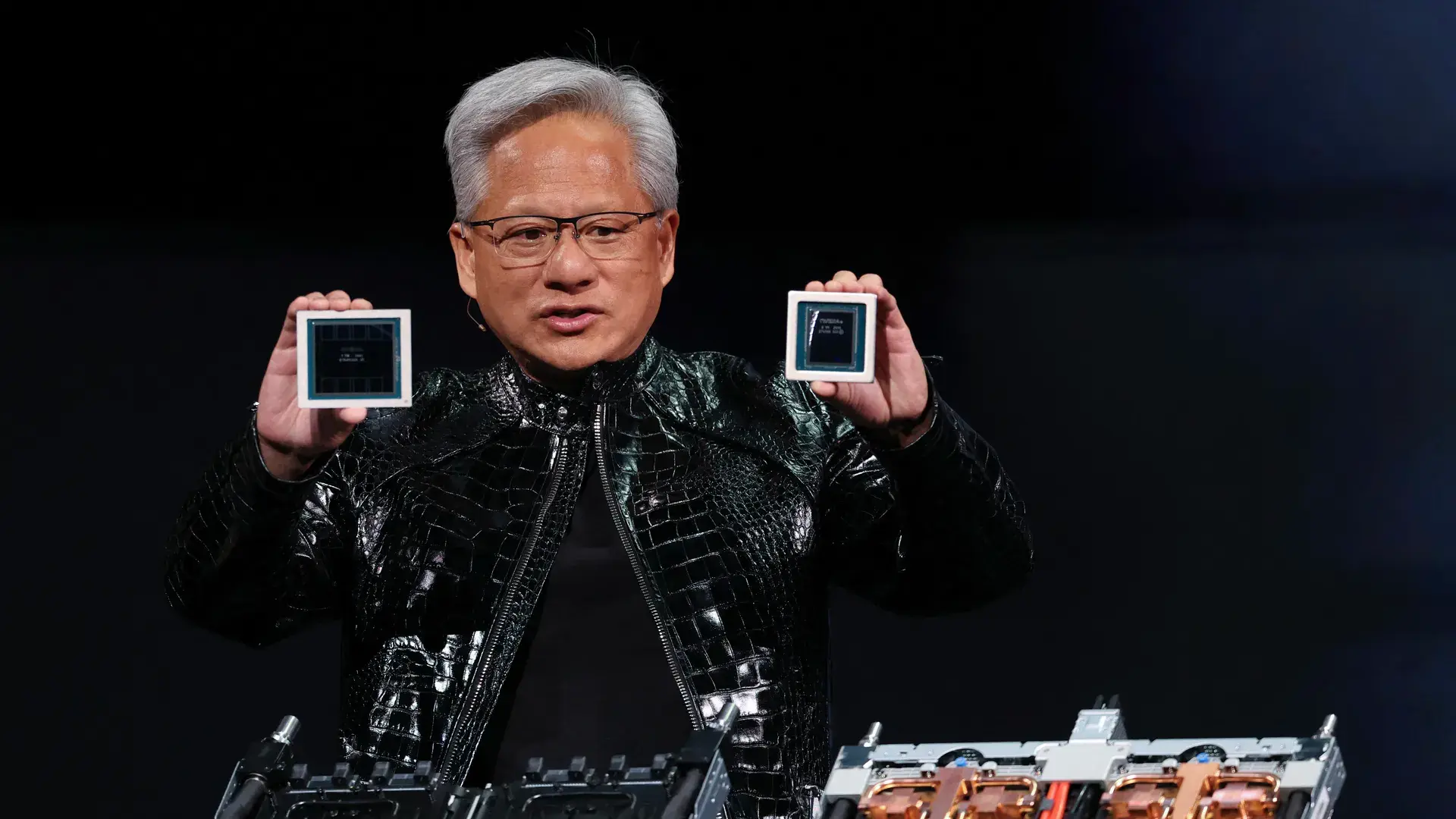
At the core of Nvidia's strategy is the new RTX Spark superchip. This innovative hardware combines a 20-core Grace CPU with a Blackwell RTX GPU featuring 6,144 CUDA cores, delivering immense processing power.
Massive unified memory
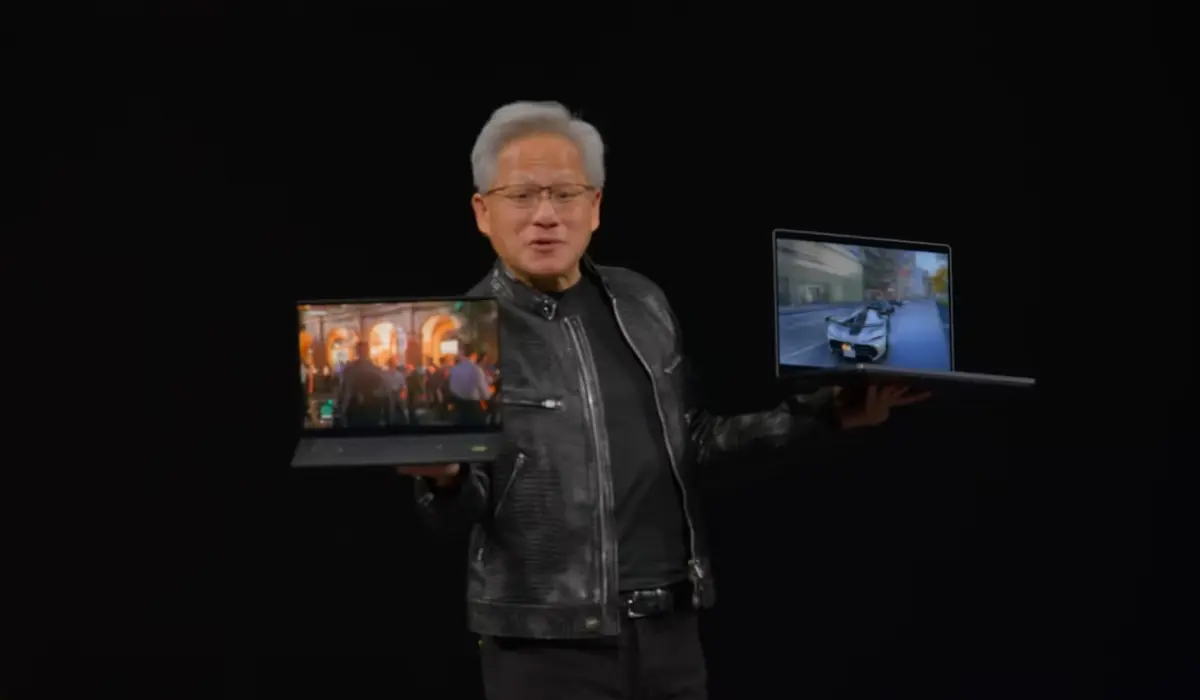
Nvidia's architecture enables the Surface Laptop Ultra to offer up to 128GB of unified memory. This system dynamically allocates RAM between the CPU and GPU, allowing simultaneous 3D rendering and AI creation.
Unprecedented AI compute
While traditional chips struggle with heavy AI tasks, Nvidia's superchip provides 1 petaflop of AI compute performance. This allows users to run massive artificial intelligence models with up to 120 billion parameters completely locally.
Outperforming older architectures
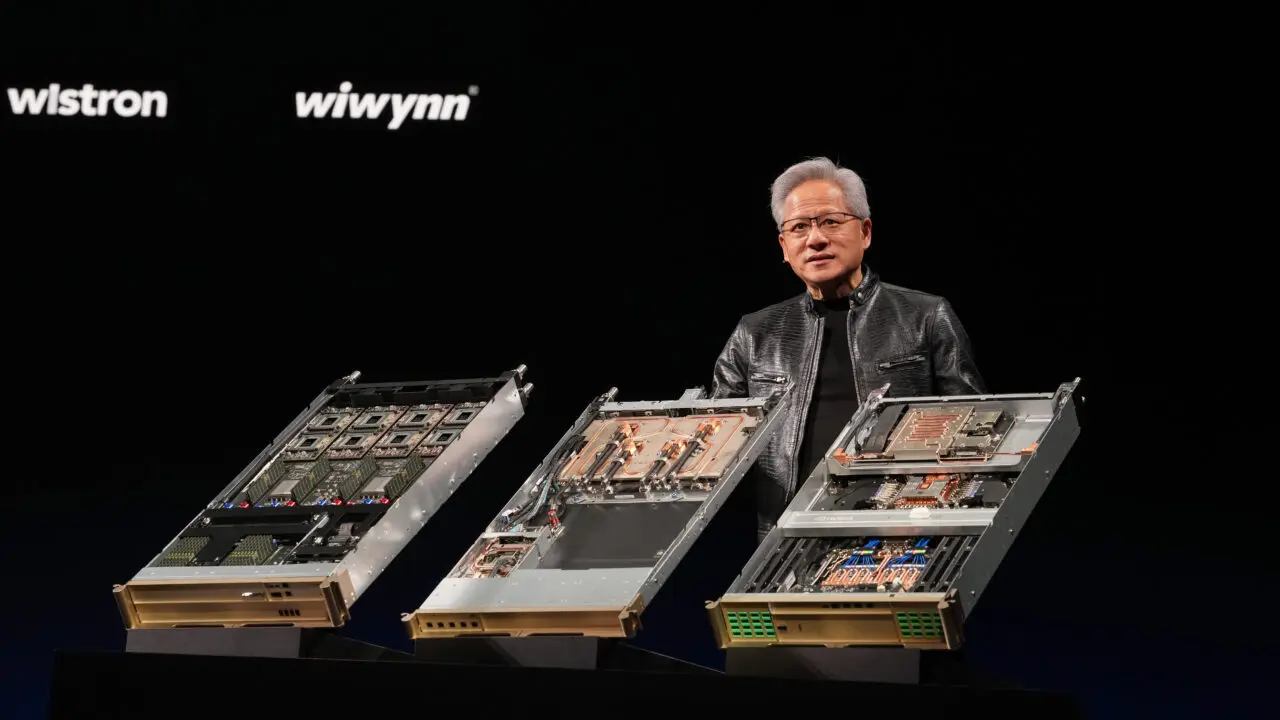
Nvidia's RTX Spark is a major attempt to compete with the latest chips from companies like AMD and Qualcomm. Microsoft chose this Nvidia silicon over its previous Qualcomm Snapdragon X Arm processors for its new ultra-tier consumer laptop.
High efficiency and battery life
To maintain power efficiency, Nvidia collaborated with MediaTek on the custom Arm-based CPU design. This ensures that RTX Spark-powered laptops remain slim and deliver all-day battery life despite their desktop-class performance.
Empowering personal AI agents
Nvidia's technology transforms the PC from a simple tool into an intelligent teammate. The hardware supports local AI agents through Nvidia OpenShell, enabling users to edit 12K video, generate 4K AI videos, and play AAA games.
)
)
)
)
)