Nude photos to dress blow-up: 5 explosive controversies that defined Marilyn Monroe

Call her a sex symbol or a cultural disruptor, but Marilyn Monroe was one of the most well-known faces of the 20th century. As the world celebrates her 100th birth anniversary, here’s a look at the controversies that dominated her life and even death.
The 1949 Nude Calendar Scandal
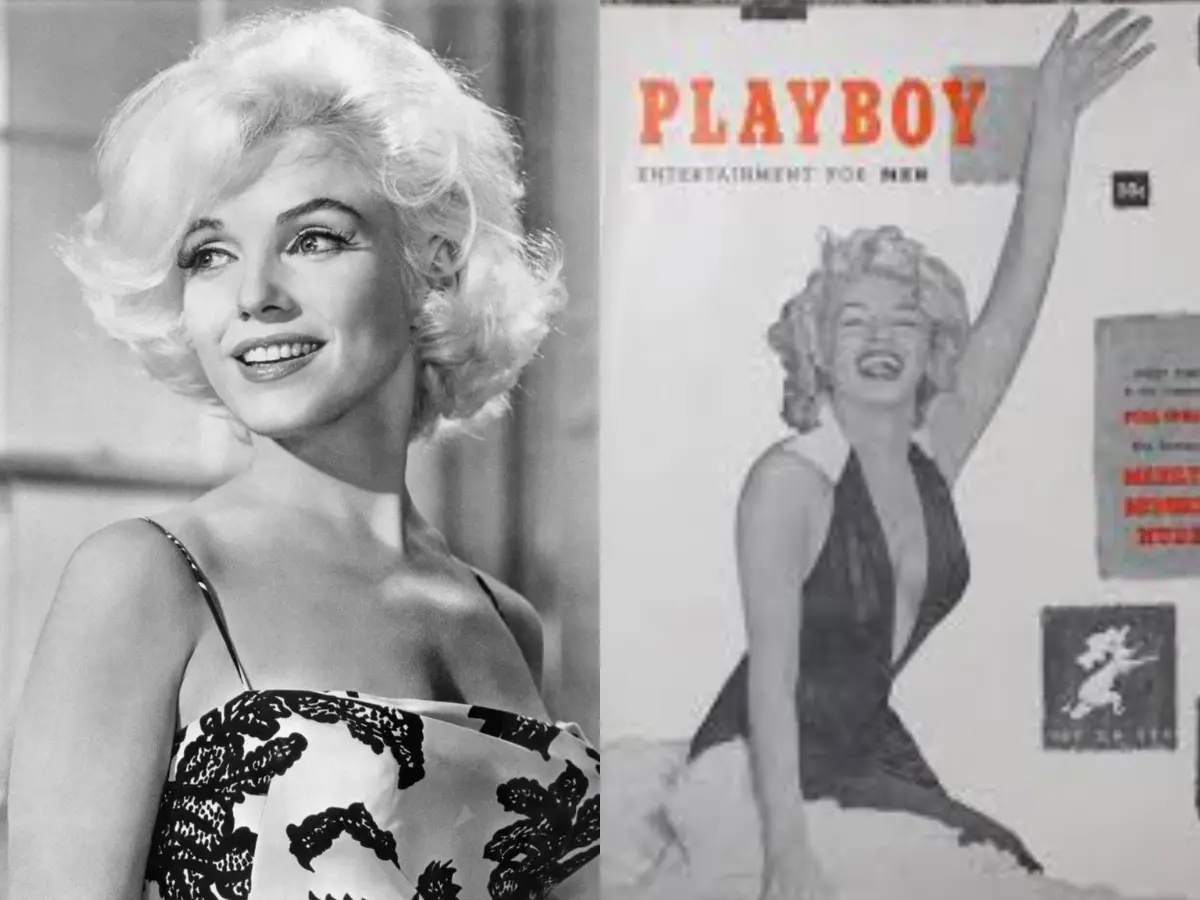
In 1952, just as her Hollywood career was taking off, nude photos of Marilyn Monroe were leaked and published in a calendar. Monroe had posed for the photos during her struggling period for a photographer and was paid USD 50.
As the photos leaked, studio executives at 20th Century Fox panicked, fearing the scandal would ruin her career and their investments. They pressured her to deny that it was her. However, Monroe chose absolute transparency and admitted it was her, explaining she did it out of sheer financial desperation to pay her rent. The public responded with immense empathy, and the honesty actually catapulted her to stardom, even landing her on the cover of the inaugural issue of Playboy in 1953.
The Seven-Year Itch Dress Blow-Up and Divorce
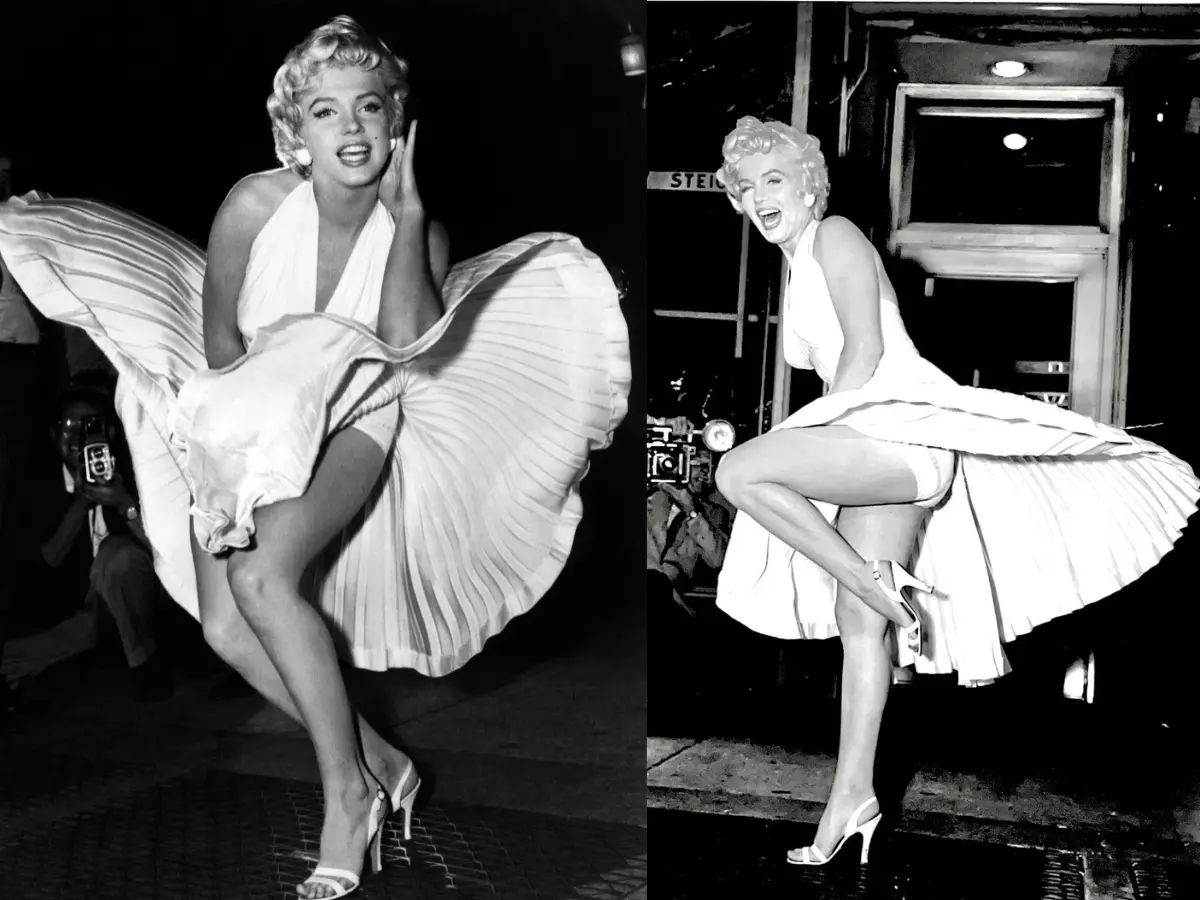
In September 1954, Monroe filmed the iconic subway grate scene for The Seven Year Itch in New York City, where a gust of wind from the subway famously blew up her white halter dress. The shoot was staged as a massive publicity stunt in front of thousands of fans and media spectators. Her second husband, baseball legend Joe DiMaggio, was present on set and grew absolutely furious watching the crowd gawk at his wife.
The incident caused a massive, public screaming match between the couple at their hotel later that night. The marriage, which was already strained by DiMaggio's discomfort with Monroe’s sex-symbol status and her popularity, imploded completely. Monroe filed for divorce just weeks later.
Going to War with 20th Century Fox
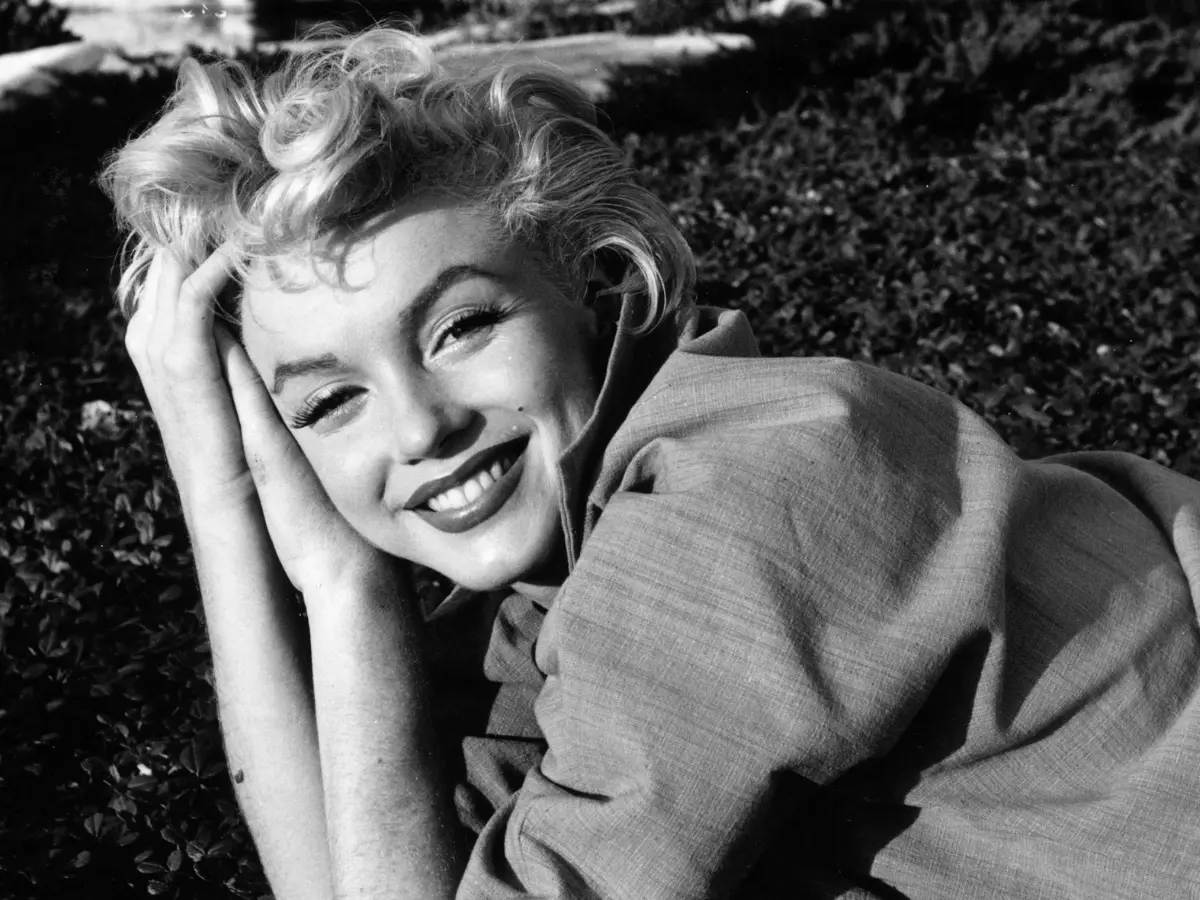
At the height of her commercial success in 1954, Monroe went on strike against her studio, 20th Century Fox. Despite being the studio's biggest box-office draw, her restrictive contract meant she was paid significantly less than her male co-stars (like Humphrey Bogart) and had absolutely no say over her scripts or directors. Her appeal to do more serious roles was also frequently dismissed by studio bosses. Monroe walked out on Hollywood, relocated to New York to study method acting at the Actors Studio, and boldly formed her own independent production company, Marilyn Monroe Productions (MMP). It was a historic move that shook the studio system. Fox eventually surrendered, granting her a much higher salary, a bonus, and the right to approve her own directors.
The ‘Happy Birthday, Mr. President’ Performance
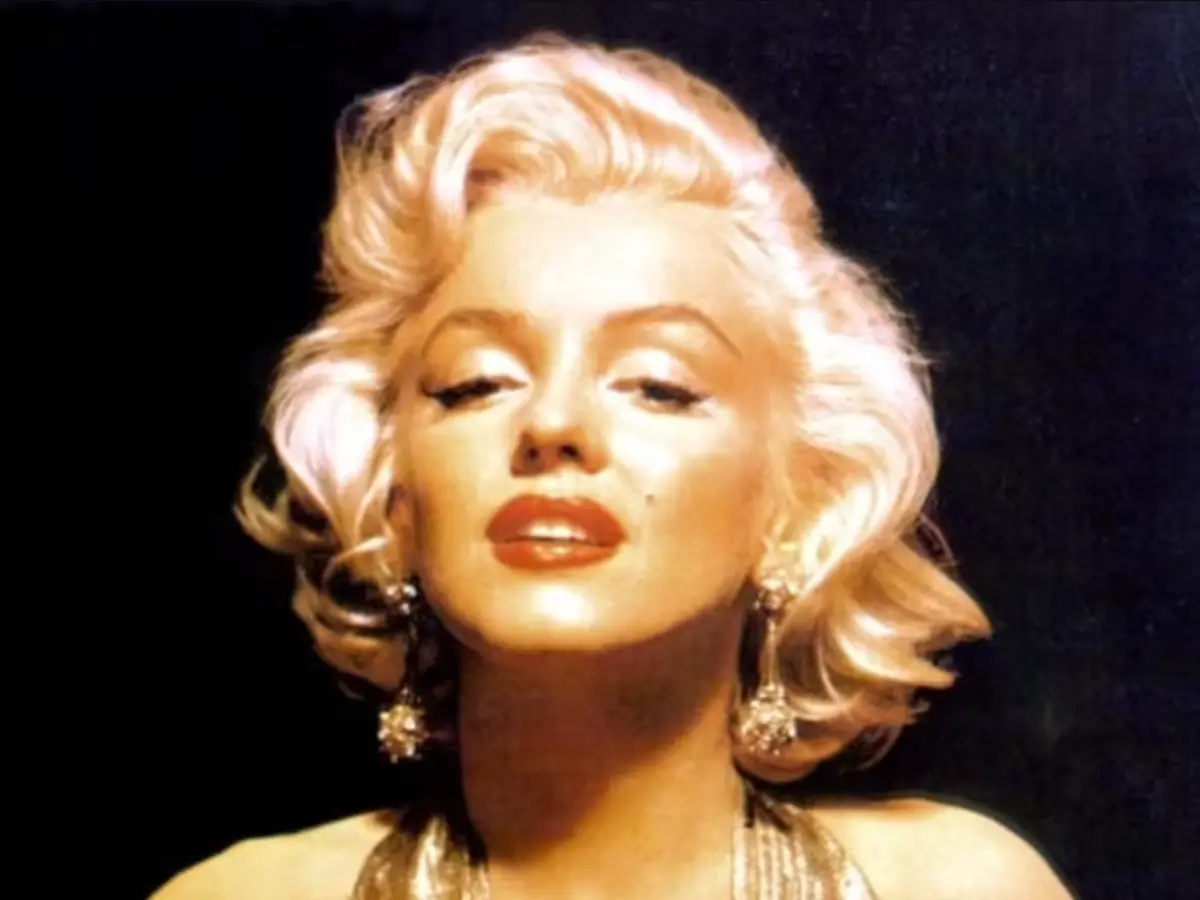
On May 19, 1962, Monroe made an appearance at a Madison Square Garden fundraiser for President John F Kennedy’s 45th birthday. Monroe appeared on the stage in a sheer, flesh-colored dress encrusted with 2,500 rhinestones and sang a famously breathless, deeply intimate rendition of “Happy Birthday."
The overtly seductive performance essentially added fuel to the fire regarding intense media rumours that Monroe was having extra-marital affairs with JFK, his brother Robert F Kennedy, or both. The performance further complicated her standing with the political elite and the Hollywood establishment.
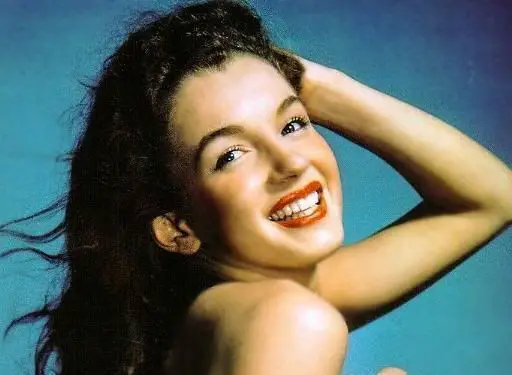
Marilyn Monroe’s Tragic Death and Endless Conspiracy Theories
On August 5, 1962, 36-year-old Monroe was found dead in her Brentwood home. The official coroner's report ruled her death a "probable suicide" due to an overdose. But the death was shrouded with conspiracy and highly chaotic handling of the crime scene—including delayed reporting by her doctors, missing phone logs, and inconsistent timelines from her housekeeper—sparked decades of intense scepticism.
)
)
)
)
)