Not the US or Russia! This country has the world’s leading hypersonic missile arsenal, says report

China has the world’s leading hypersonic missile arsenal and continued to advance the development of conventional and nuclear-armed hypersonic missile technologies during the past year, says US Department of Defense’s Annual Report to Congress.

China leads?
China has rapidly built one of the world’s most extensive hypersonic missile arsenals, with sustained advances in both conventional and nuclear‑armed hypersonic weapon technologies over the past two decades, according to the US Department of Defense’s Annual Report to Congress on Military and Security Developments Involving the People’s Republic of China, released in December 2025. Beijing fields a wider family of missiles capable of maneuvering at speeds above Mach 5 and is recognised by US defence officials as having the world’s leading hypersonic arsenal, ahead of other major powers in infrastructure and numbers of deployments.
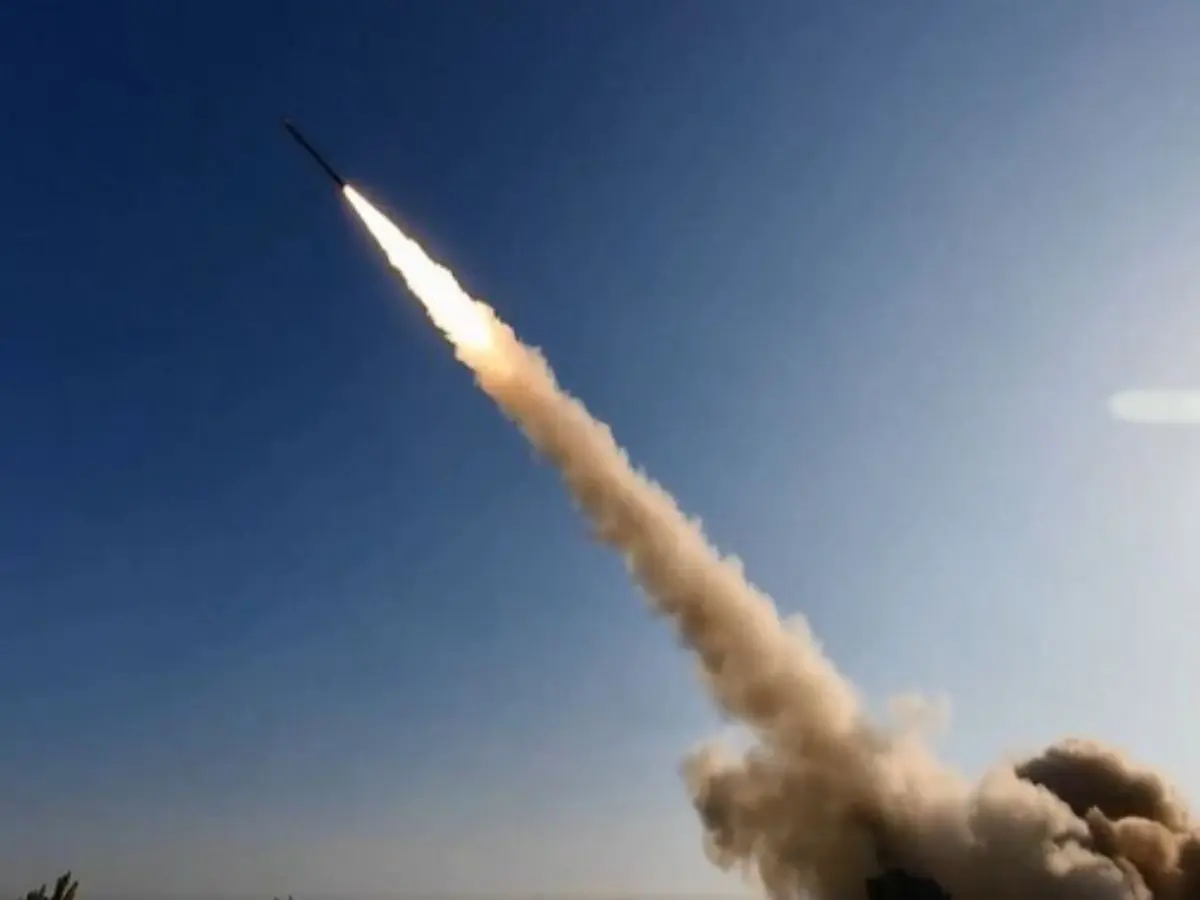
Range of Hypersonic and Advanced Missiles
Chinese defence industries produce a comprehensive suite of missiles, ballistic, cruise, air‑to‑air, air‑to‑surface, surface‑to‑air, and hypersonic systems. The hypersonic category includes systems with manoeuvrable glide vehicles and air‑breathing scramjet engines that allow sustained high‑speed flight and unpredictable paths that complicate interception.
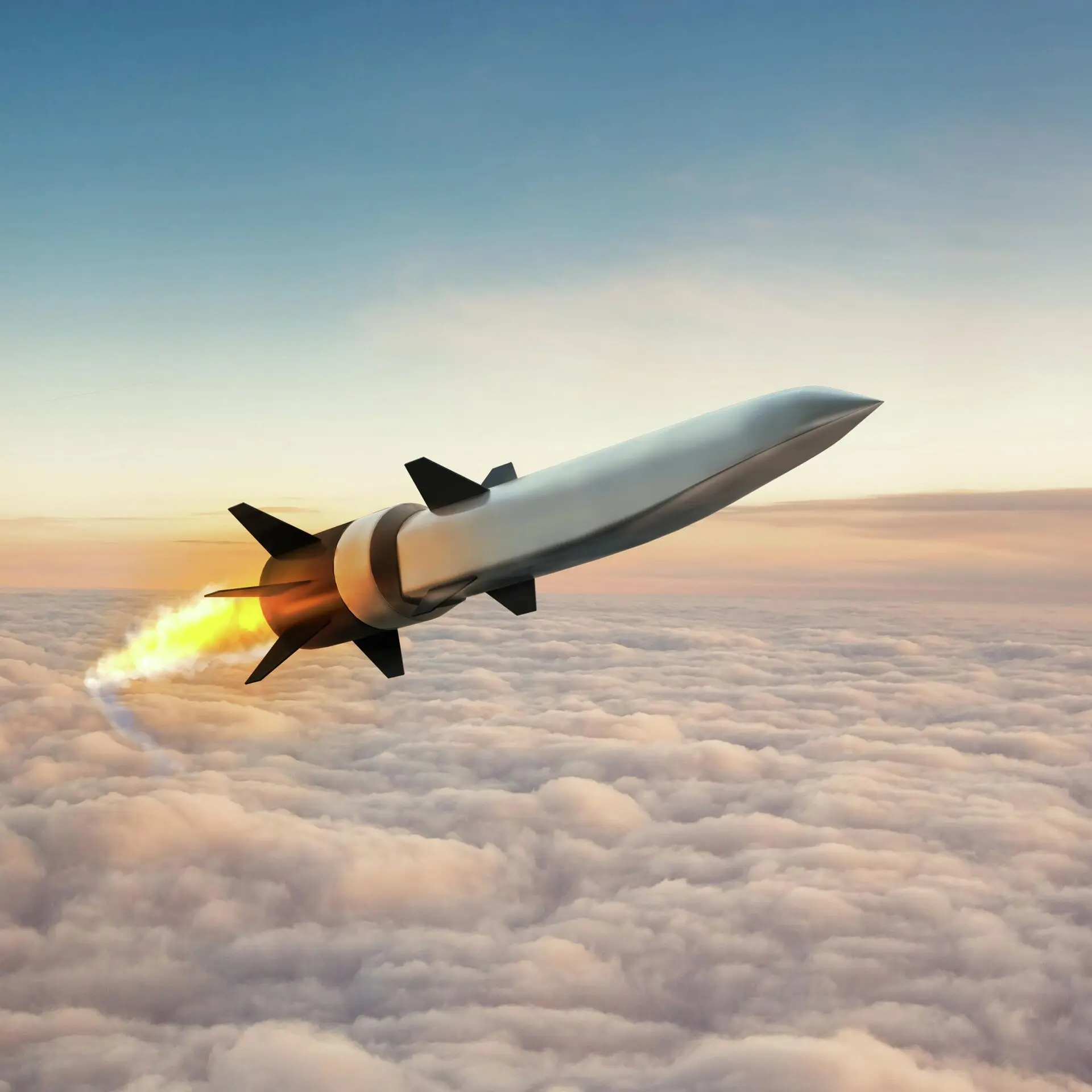
What are hypersonic missiles?
The term is typically used to describe missiles that travel within the Earth’s atmosphere for sustained periods at speeds greater than five times the speed of sound, whilst being able to make significant manoeuvres that change the missile’s direction.
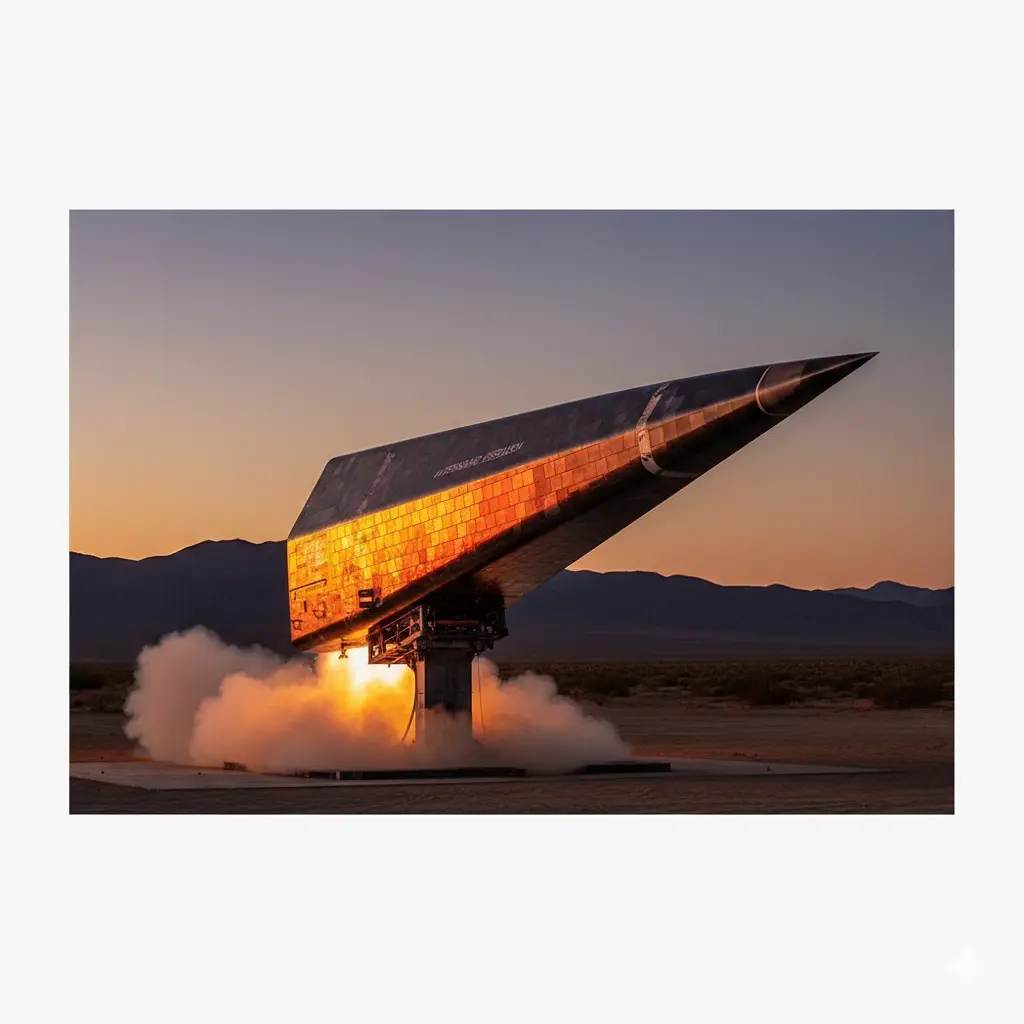
Range of Hypersonic and Advanced Missiles
Chinese defence industries produce a comprehensive suite of missiles, ballistic, cruise, air‑to‑air, air‑to‑surface, surface‑to‑air, and hypersonic systems. The hypersonic category includes systems with manoeuvrable glide vehicles and air‑breathing scramjet engines that allow sustained high‑speed flight and unpredictable paths that complicate interception.
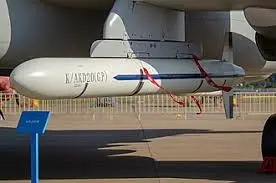
Key Hypersonic and Long‑Range Systems
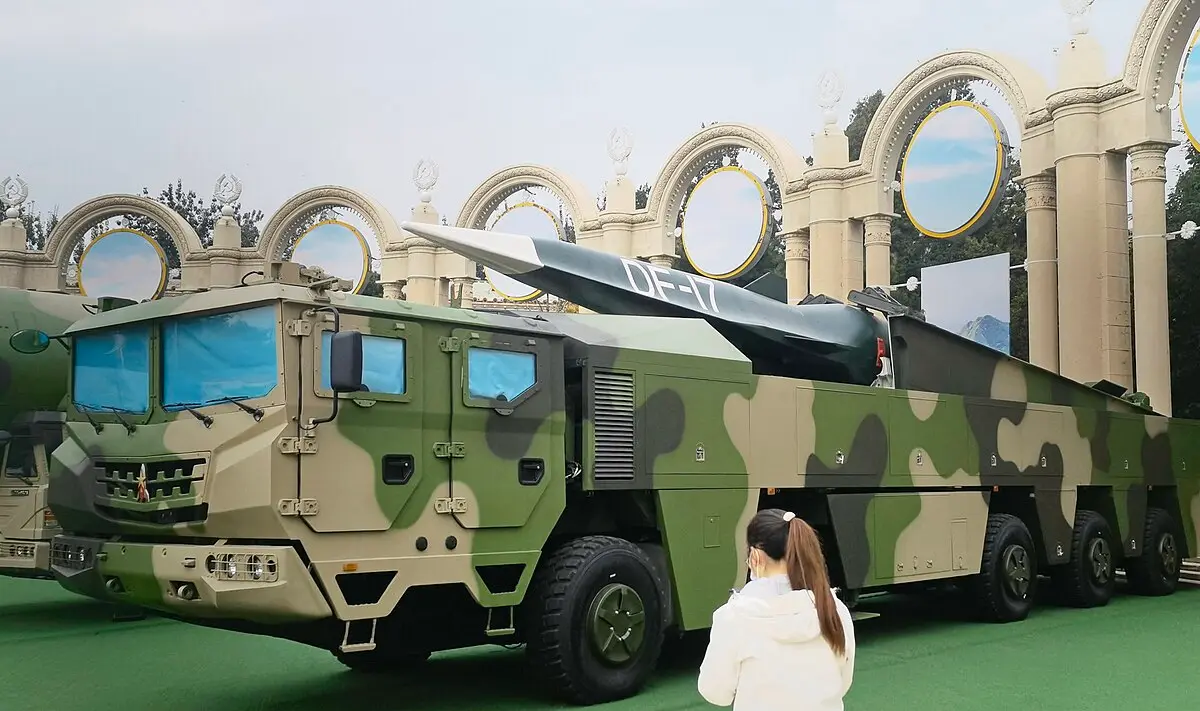
Recent Chinese missile developments displayed publicly include the YJ‑21 hypersonic anti‑ship ballistic missile, which China revealed in an air‑launched variant and at export shows, and new hypersonic anti‑ship weapons such as the YJ‑17 and YJ‑20, observed at military celebrations in 2025, says the report. Additionally, hypersonic cruise systems like the YJ‑19 and CJ‑1000 reflect growing focus on sustained high‑speed flight and multi‑domain strike capabilities.
Driving Forces Behind Hypersonic Development
The People’s Liberation Army Rocket Force (PLARF) manages multiple of ballistic missiles, including intercontinental systems that may carry hypersonic glide vehicles. The report highlights that the PLA’s modernisation is propelled by China’s defense spending and technological development. Since Xi Jinping became General Secretary of the Chinese Communist Party, official defence budgets roughly doubled, enabling sustained investment in advanced weapon systems, including hypersonic research, missile propulsion, guidance systems and global strike capabilities.
Global Context and Competition
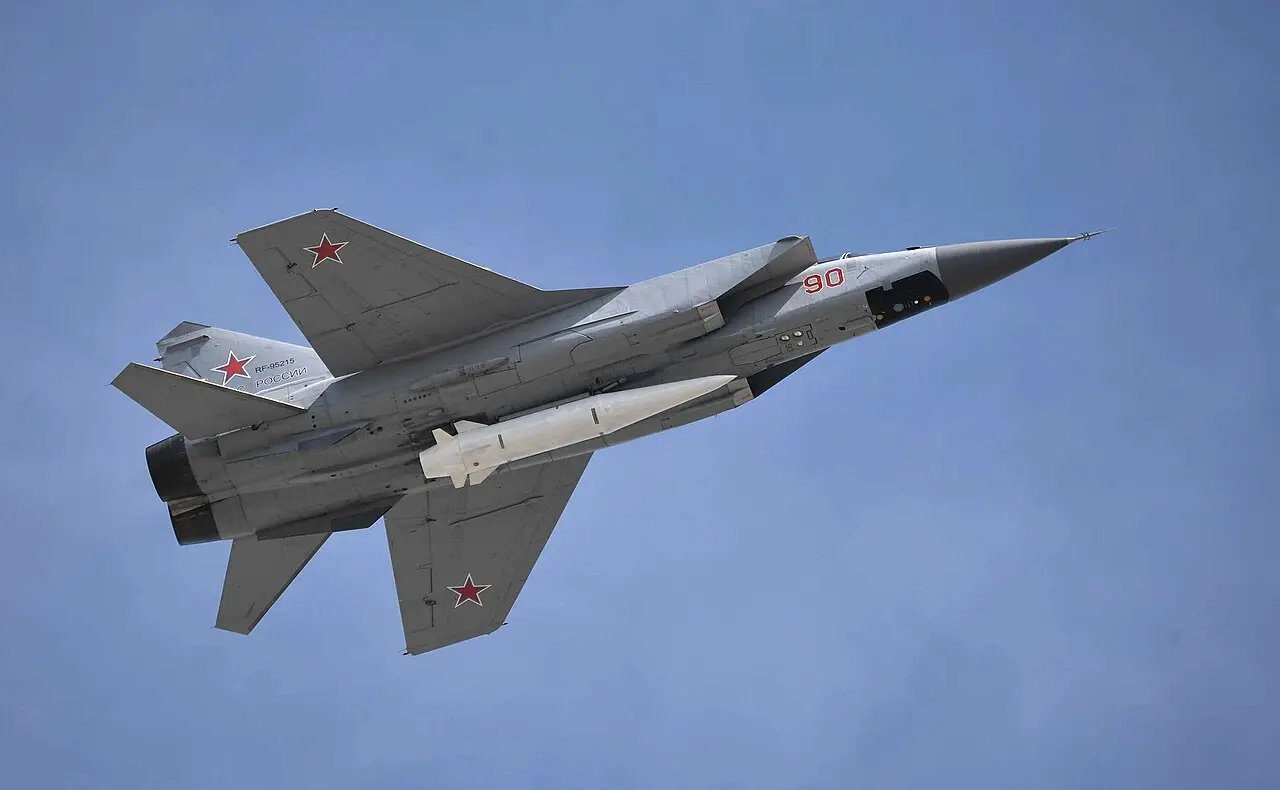
Although recent US defence assessments describe China as possessing the world’s leading hypersonic missile arsenal, this view is not uncontested. In December 2021, Russian President Vladimir Putin publicly stated that Russia led the world in hypersonic missile technology, citing operational systems such as the Avangard hypersonic glide vehicle, Kinzhal air-launched missile and Zircon hypersonic cruise missile. Other assessments, including World Population Review, also list Russia as having a higher number of hypersonic missile models, followed closely by China. Analysts note that leadership depends on criteria such as deployment scale, variety of systems and supporting infrastructure, rather than claims alone.
)
)
)
)
)