Not just West Asia: US' oldest nuclear-powered warship USS Nimitz is heading to South America - Here's why

The USS Nimitz, the oldest active aircraft carrier of US Navy, has begun its final South America deployment before decommissioning. Leading Carrier Strike Group 11, it may join multinational drills while showcasing decades of naval power.
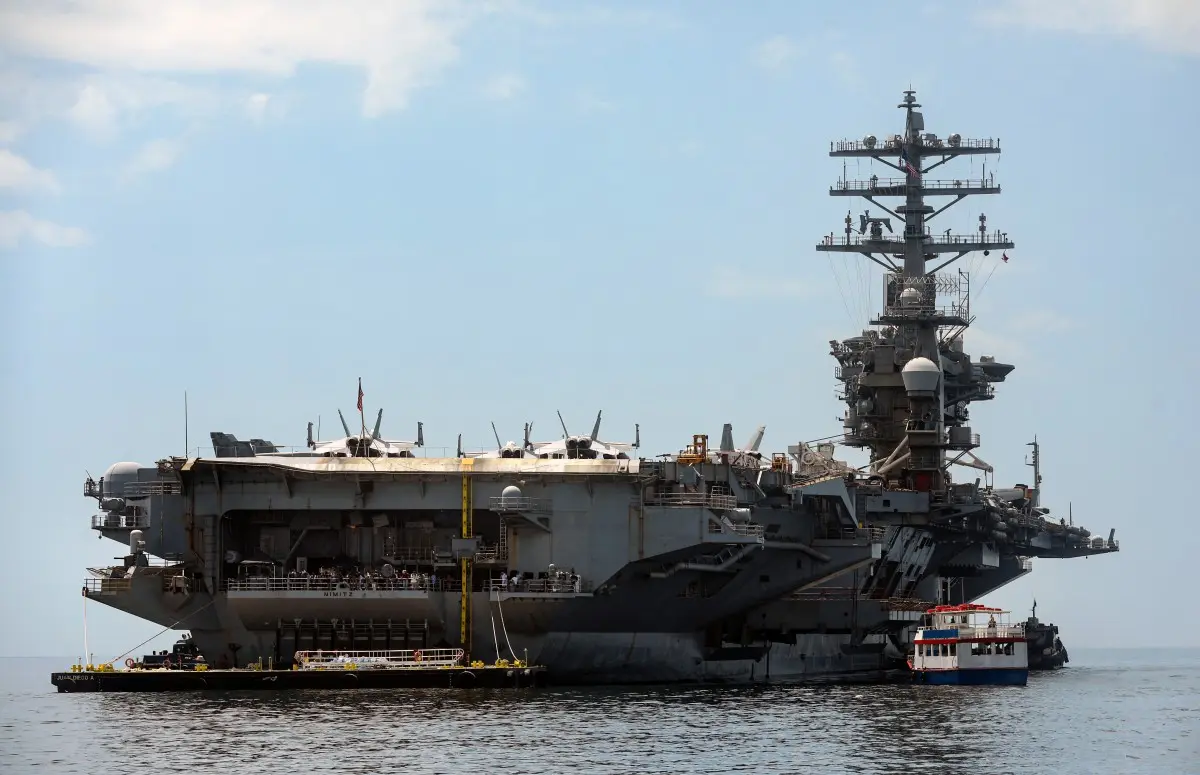
The USS Nimitz
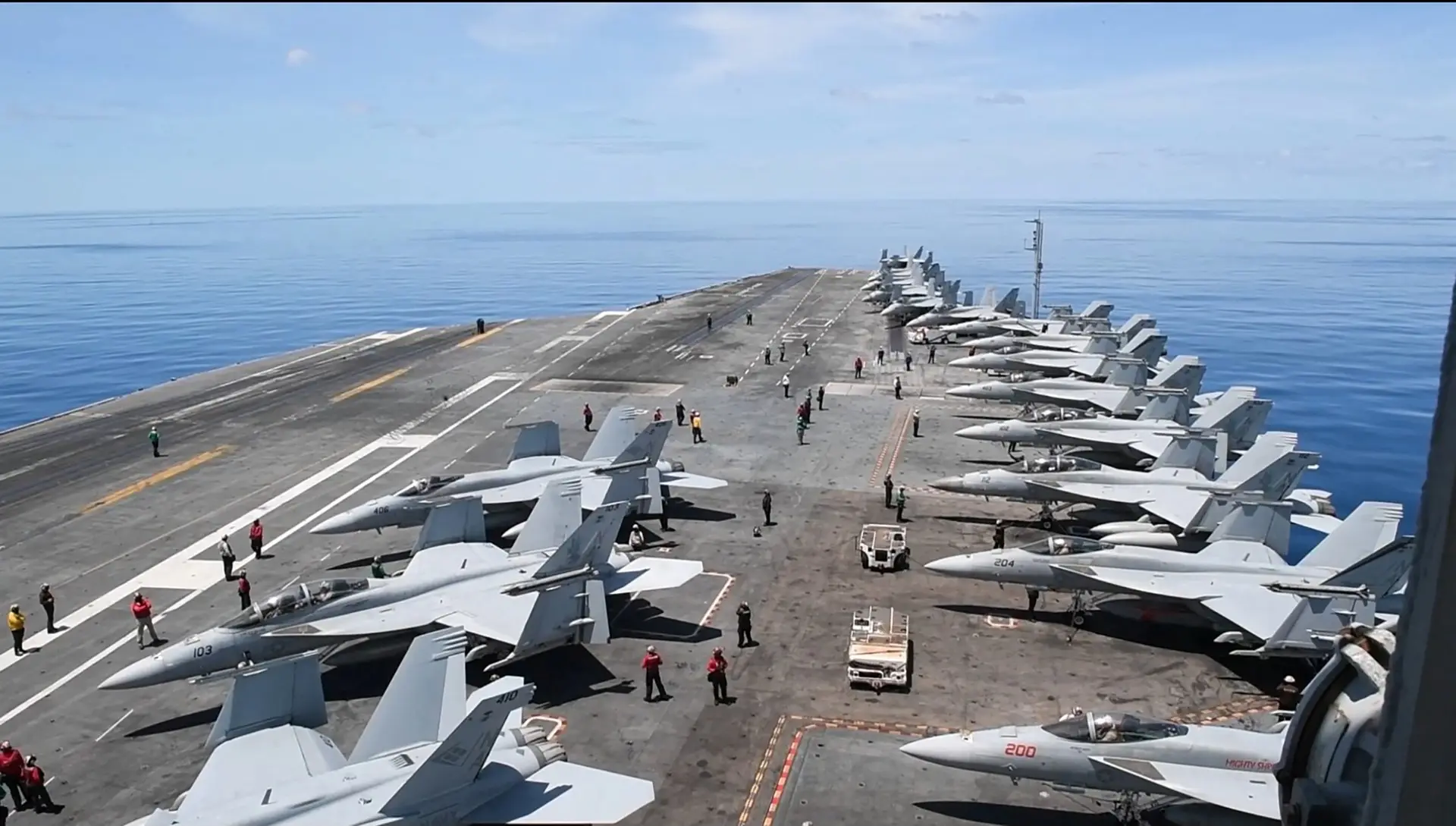
The US Navy’s oldest active nuclear-powered aircraft carrier, the USS Nimitz, has left the Naval Base Kitsap-Bremerton in Washington for a final deployment around South America. The 97,000-ton warship was commissioned in 1975 and is currently in the process of reaching the East Coast, where it will begin the multi-year process of decommissioning after nearly 50 years of service.
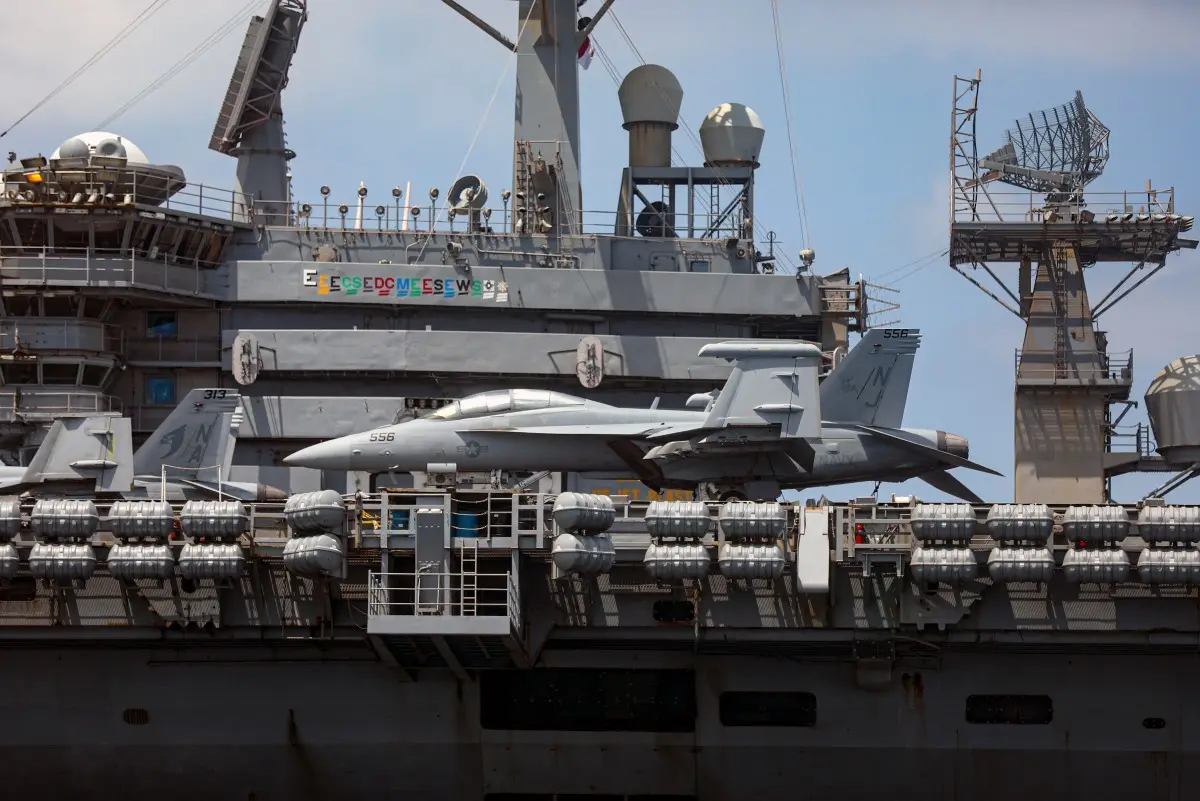
Third Year of US Carrier Presence
The deployment route moves the carrier away from its usual Pacific zone into waters overseen by US Southern Command. According to Zona Militar, this marks the third straight year of significant US carrier activity in the region, with officials already coordinating possible joint exercises with regional navies as the strike group passes through South American waters.
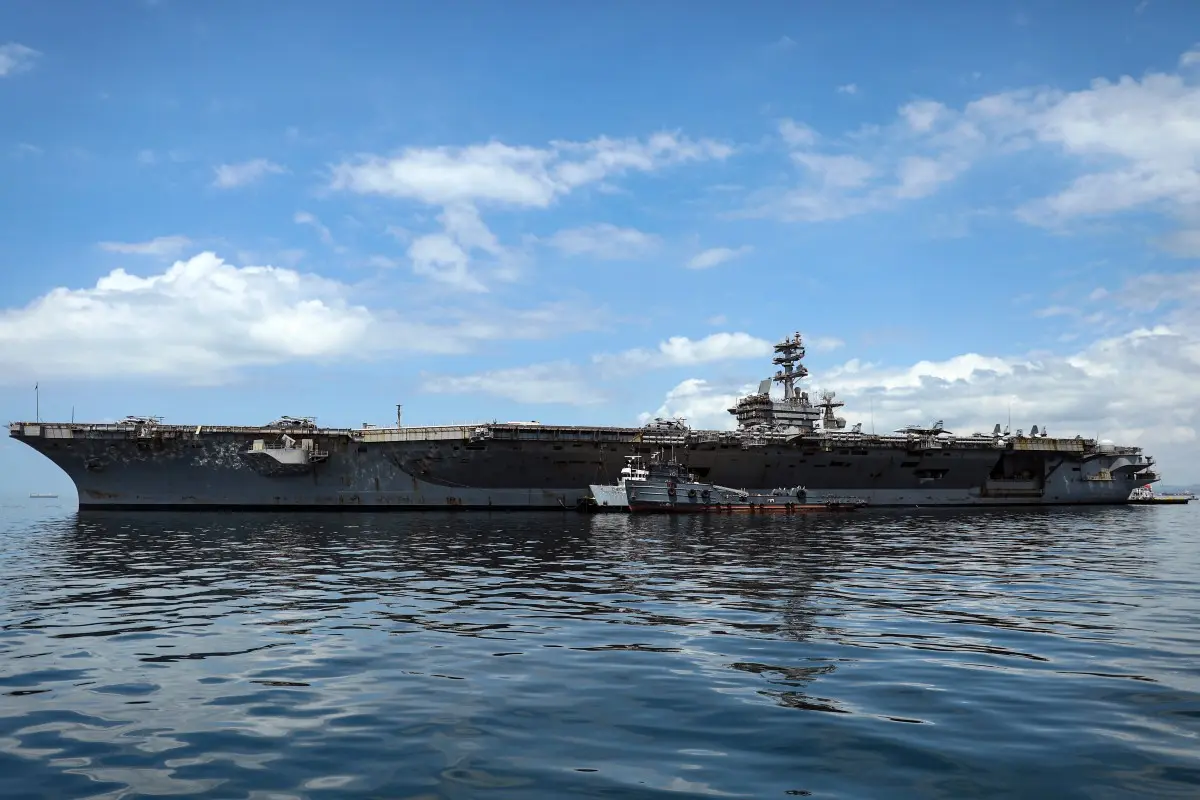
Carrier Strike Group 11
The Nimitz acts as the lead vessel of Carrier Strike Group 11, accompanied by guided-missile destroyers that handle missile defence, escort roles, and anti-submarine operations. These warships form a security ring around the carrier during flight missions, allowing it to operate safely even in complex maritime conditions.
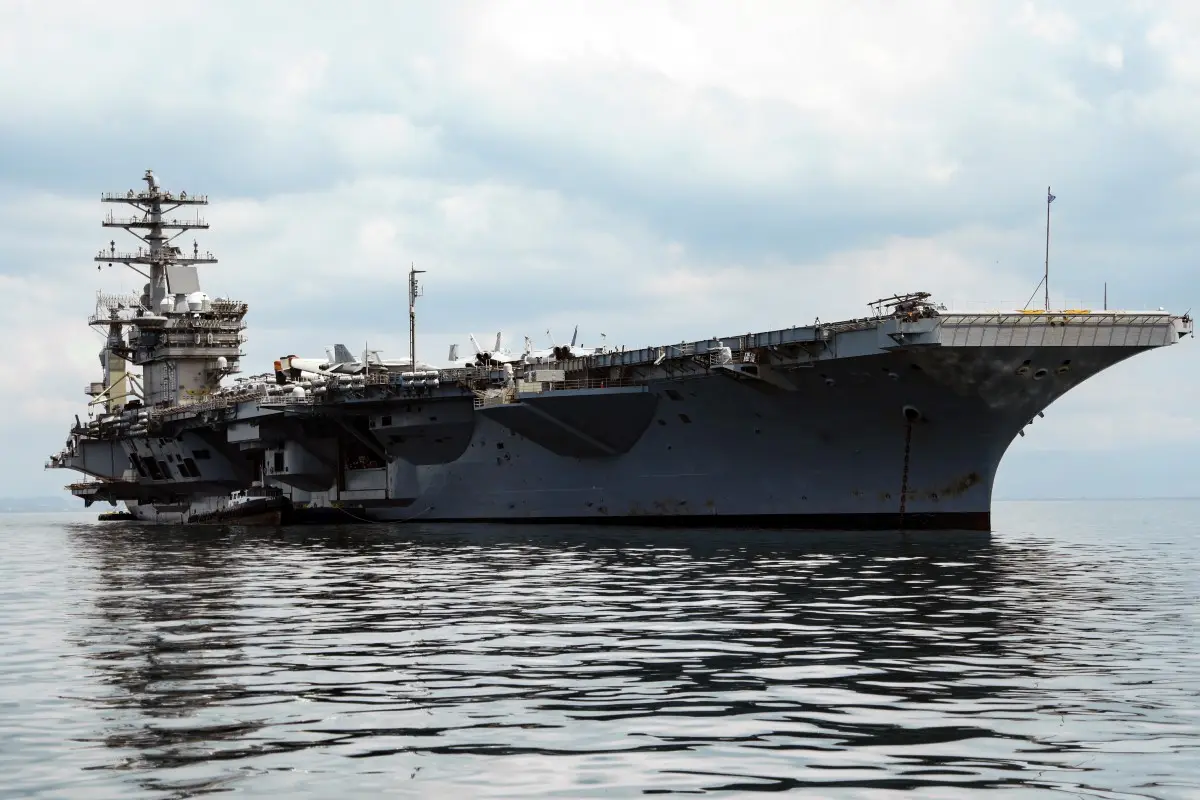
Exercises along the South American coast
Experts believe the carrier’s journey may include joint activities with regional navies, possibly taking part in UNITAS, the world’s longest-running multinational naval exercise. These operations involve coordinated drills with ships and aircraft from across the Americas, focusing on areas such as electronic warfare, anti-submarine missions, and search-and-rescue. Similar exercises were conducted during earlier Southern Seas deployments, where partner nation officers were invited onboard to observe flight and command operations.
Logistics of a nuclear-powered mission
Powered by two A4W nuclear reactors, the carrier can operate for long periods without refuelling. However, the strike group still depends on routine supplies like aviation fuel, spare parts, and food. These are delivered by Military Sealift Command vessels through replenishment-at-sea operations, where ships sail alongside and transfer supplies via hoses and cables.
)
)
)
)
)