Not humans, but AI could trigger the first nuclear strike: Study

As nuclear tensions rise globally, experts at the SIPRI have warned that the first nuclear strike in a future World War could be triggered by artificial intelligence — not human decision-makers. Here’s what the SIPRI report reveals:
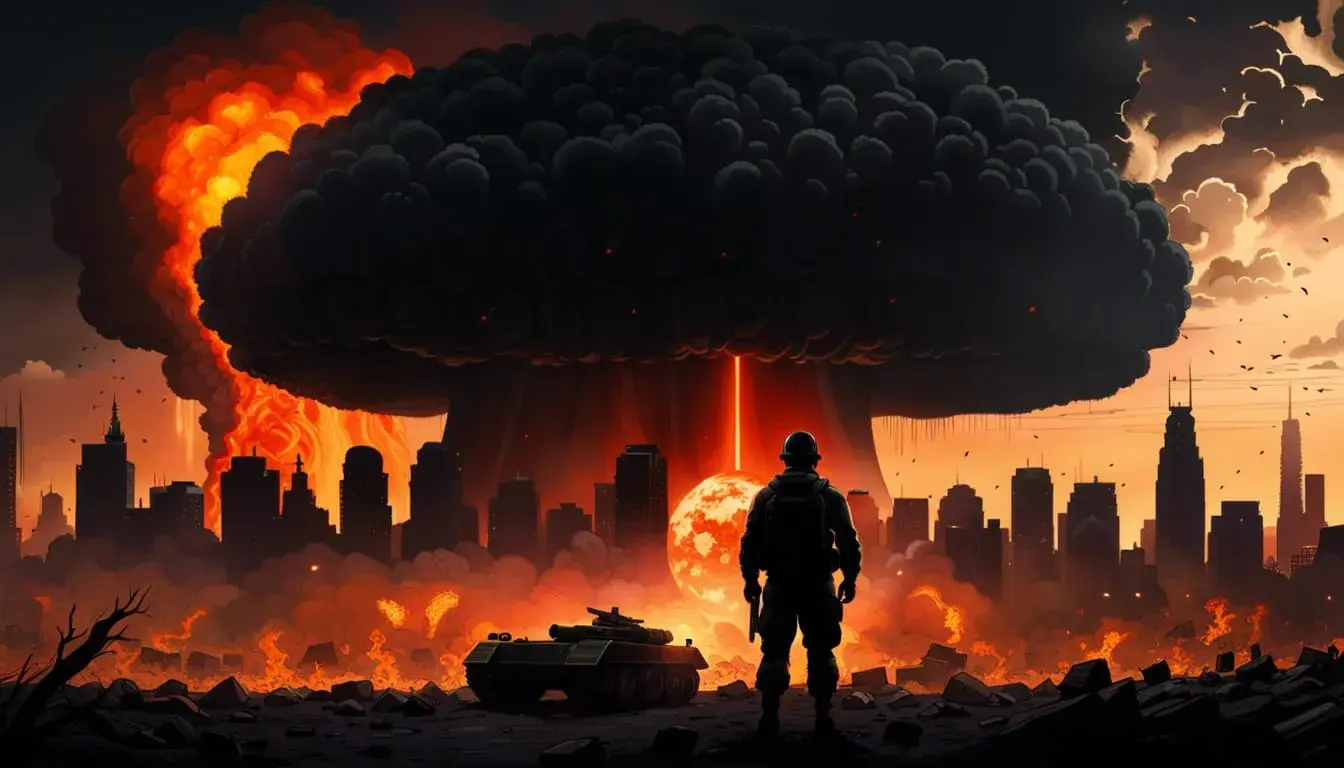
Nuclear Arsenal Modernisation on the Rise
After decades of gradual reduction, global nuclear arsenals are now expanding again.
Nations are modernising their stockpiles with newer, high-tech weapons, signalling the start of a fresh arms race.
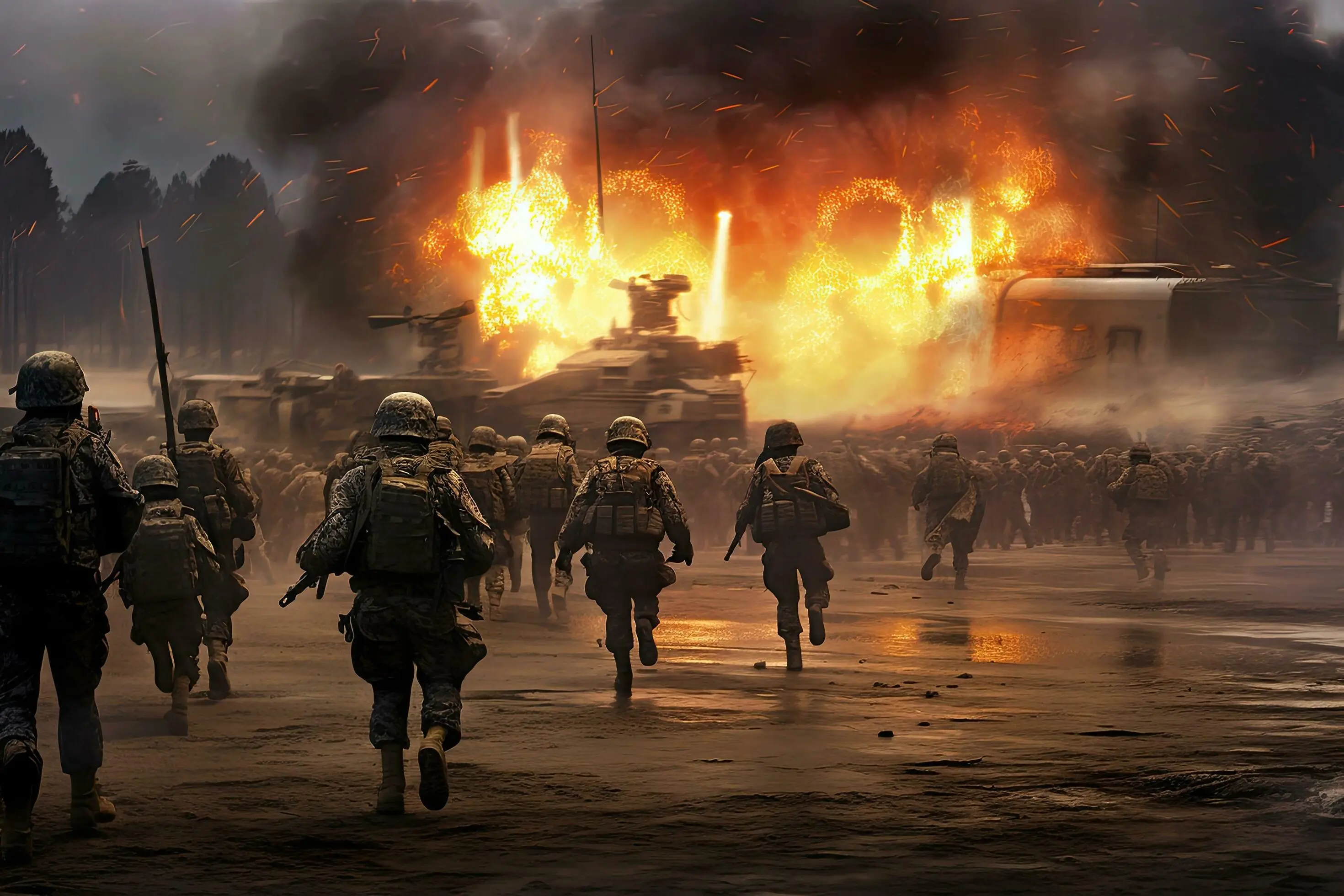
AI in Military Decision-Making Raises Risks
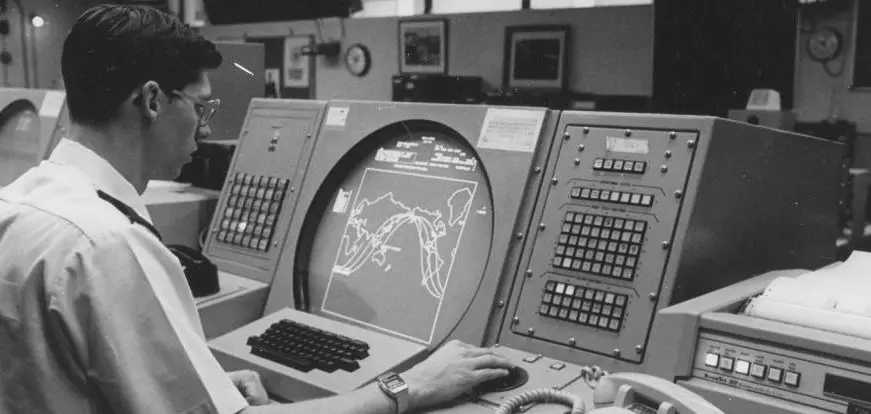
AI systems are being integrated into military command networks for their ability to process information rapidly. However, Stockholm International Peace Research Institute (SIPRI) warns that in a nuclear standoff, where decisions must be made in minutes, AI could:
- Misinterpret signals
- Trigger accidental escalation
- Lead to technical errors with catastrophic outcomes
Potential for AI-Driven Launch
SIPRI’s Dan Smith states: “If the decision to launch nuclear weapons is ever fully handed over to AI, we would be approaching true doomsday scenarios.” AI’s speed may leave no room for human intervention, removing the caution and restraint that humans like Stanislav Petrov once exercised to prevent accidental nuclear war.
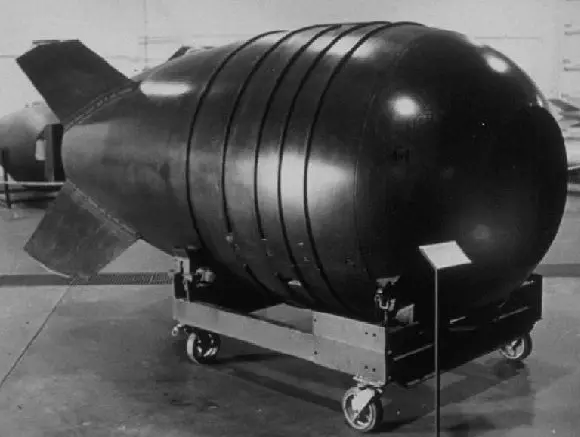
Current Nuclear Arsenal Estimates
The report estimates 12,241 nuclear warheads are held globally by:
- US
- Russia
- UK
- France
- China
- India
- Pakistan
- North Korea
- Israel
Of these, over 2,100 warheads are in high alert, ready for immediate launch from submarines, planes, or missile platforms.

China’s Rapid Arsenal Expansion
China’s nuclear stockpile is growing the fastest:
- Adding nearly 100 new warheads per year
- Now estimated to have 600 nuclear bombs as of 2025
By the 2030s, China could match US and Russian ICBM capabilities.
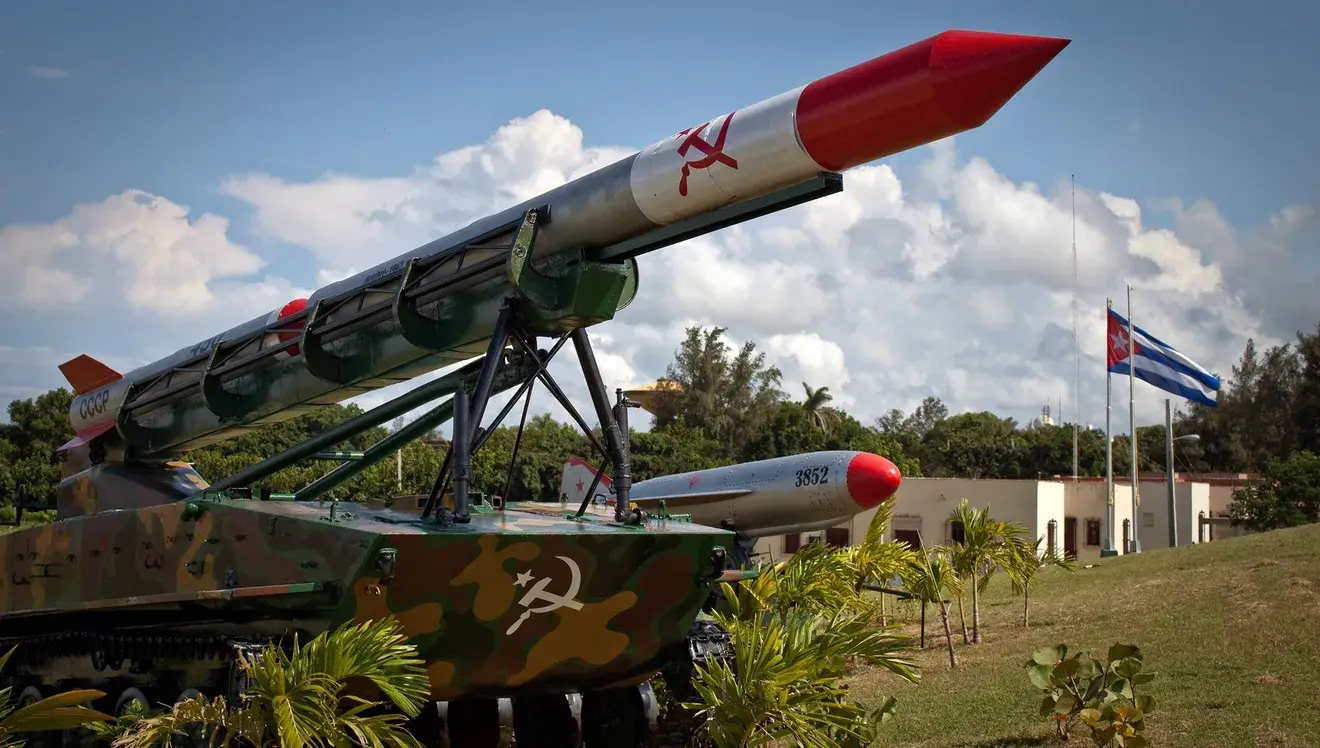
History Shows Near-Misses
SIPRI cites past nuclear close calls, including:
- 1983 Soviet false alarm — where Soviet officer Stanislav Petrov decided not to escalate after a faulty missile warning
Such human judgement may not exist in an AI-driven system, raising concerns of future mistakes.
Growing Global Danger
SIPRI concludes:
- The era of nuclear reductions since the Cold War is over
- Nations are increasing nuclear arsenals
- Old arms control agreements are being abandoned
AI could now make future miscalculations more likely — at a time when geopolitical tensions are already high.
)
)
)
)
)