'Not gonna lie': Why Gen Z is nothing like millennials and what generation Alpha will do next

A Stanford Report published in 2022 claimed that Gen Z are misunderstood. “Contrary to stereotypes of being ‘lazy’ or ‘coddled’, Gen Z is entrepreneurial and adaptive”, said the study.
Defining Gen Z
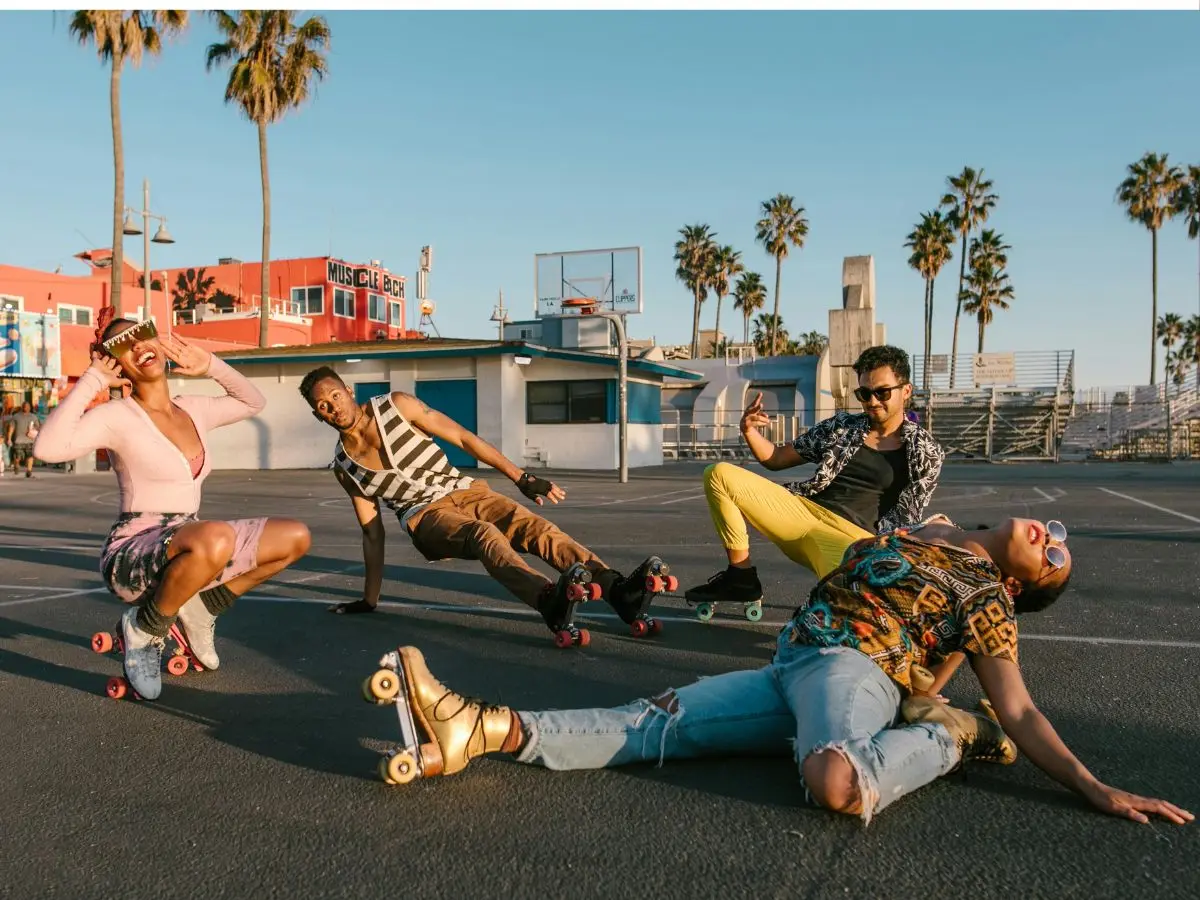
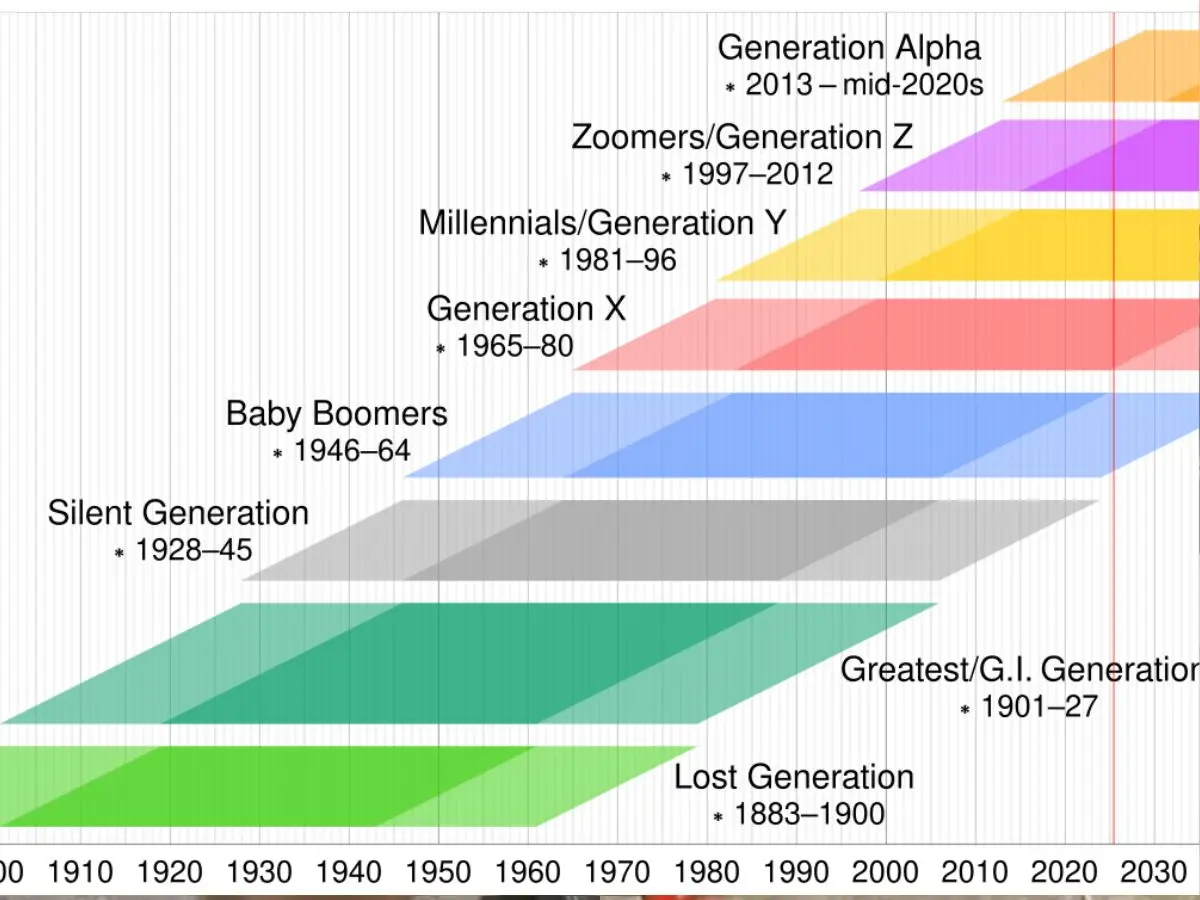
Generation Z, commonly referred to as Gen Z, comprises individuals born approximately between 1997 and 2012. They are the first generation to grow up with the internet, smartphones, and social media as integral parts of daily life. This digital immersion has significantly influenced their communication styles, learning preferences, and social interactions. A Stanford Report published in 2022 claimed that Gen Z are misunderstood. “Contrary to stereotypes of being ‘lazy’ or ‘coddled’, Gen Z is entrepreneurial and adaptive”, said the study.
Distinct from Millennials
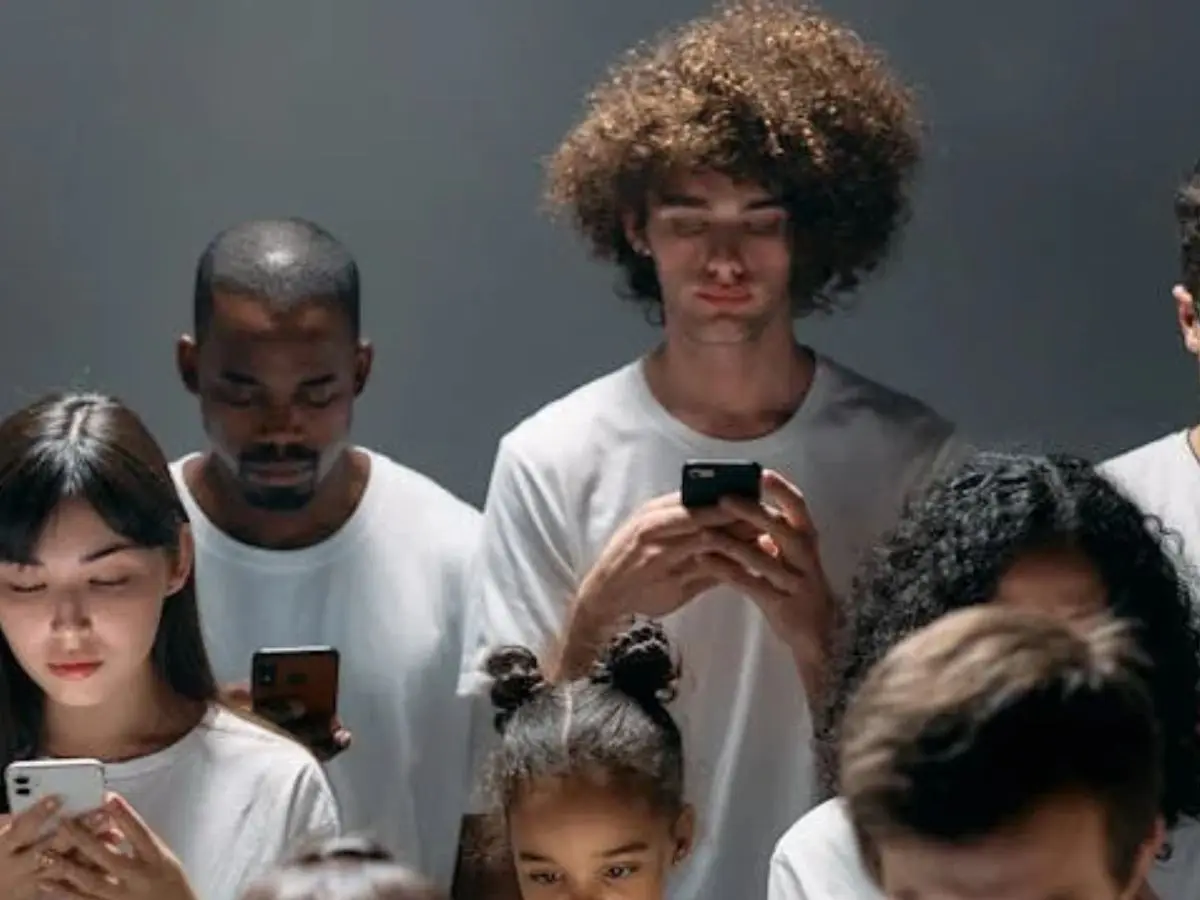
While Millennials (born between 1981 and 1996) witnessed the rise of the internet and social media, Gen Z has been immersed in these technologies from a young age. This exposure has led to differences in behavior and attitudes:
Communication: Gen Z prefers platforms like Snapchat, TikTok, and WhatsApp, favoring short-form content and instant messaging over traditional email or phone calls.
Values: Gen Z tends to be more pragmatic and financially cautious, possibly due to growing up during economic uncertainties such as the 2008 financial crisis and the COVID-19 pandemic.
Work Preferences: They often seek flexibility and work-life balance, valuing employers who offer remote work options and align with their personal values.
Generation Alpha: The Successors
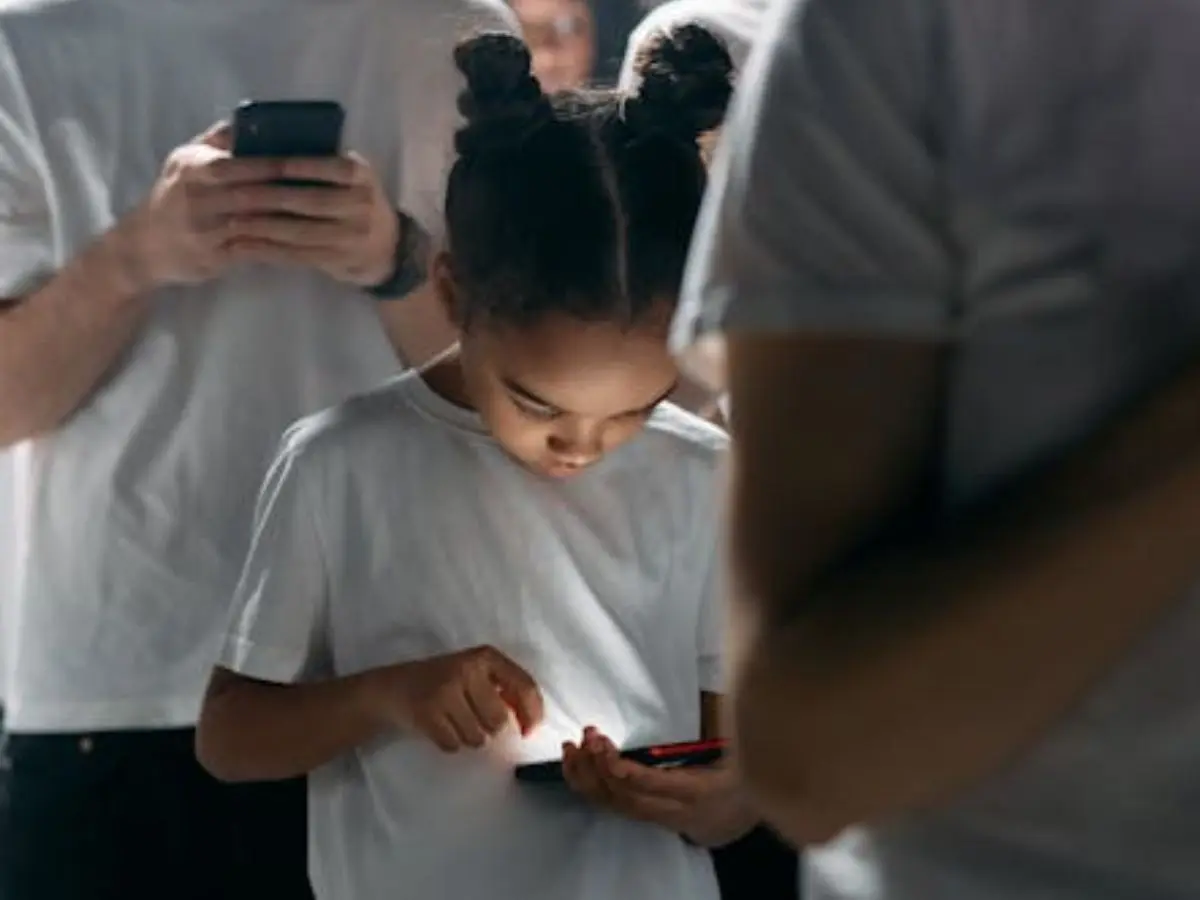
Following Gen Z is Generation Alpha, typically defined as those born from 2013 onwards. This generation is characterized by:
Technological Integration: They are growing up in an environment where artificial intelligence, smart devices, and digital learning tools are commonplace.
Education: With the prevalence of online learning platforms, Generation Alpha is experiencing education that is more personalized and technology-driven.
Social Awareness: Raised in a more diverse and interconnected world, they are expected to be more globally aware and inclusive.
Shared Traits Across Generations
Despite their differences, Gen Z and Millennials share certain characteristics:
Digital Natives: Both generations are adept at using technology and the internet for communication, entertainment, and information.
Social Consciousness: They are more likely to engage in social and political issues, advocating for causes such as climate change, equality, and mental health awareness.
Entrepreneurial Spirit: Many individuals from both generations are inclined towards entrepreneurship, utilizing digital platforms to start businesses or side hustles.

Gen Z Slangs and Shortforms
Gen Z has created a unique online language that often confounds older generations. Terms like sus (suspicious), cap/no cap (lie/truth), slaps (something excellent), and drip (stylish fashion) dominate social media and daily conversations. Beyond slang, their habits often appear unusual or even frivolous to outsiders. Many engage in viral challenges, terrace stunts, and TikTok trends. While these behaviours may seem trivial, they reflect creativity, social engagement, and a comfort with performing in digital spaces, which has become a defining feature of Gen Z culture.

Challenges Faced by Gen Z
Gen Z faces unique challenges, including:
Mental Health: The constant connectivity and exposure to social media can lead to issues like anxiety and depression.
Economic Pressures: Rising education costs and housing prices contribute to financial stress and delayed life milestones.
Job Market Uncertainty: The rapidly changing job landscape requires adaptability and continuous learning to stay competitive.

Looking Ahead
As Generation Alpha grows, they will undoubtedly bring new perspectives and innovations. Their upbringing in a highly digital and interconnected world will shape their behaviors and values, potentially leading to further shifts in societal norms and expectations.
)
)
)
)
)