‘Not dead worlds’: How Voyager 2’s discoveries at Uranus and Neptune changed planetary science forever

While both Voyagers visited Jupiter and Saturn, only Voyager 2 continued onwards to Uranus and Neptune, making it the sole spacecraft ever to study the ice giants up close.
A Singular Mission to the Ice Giants
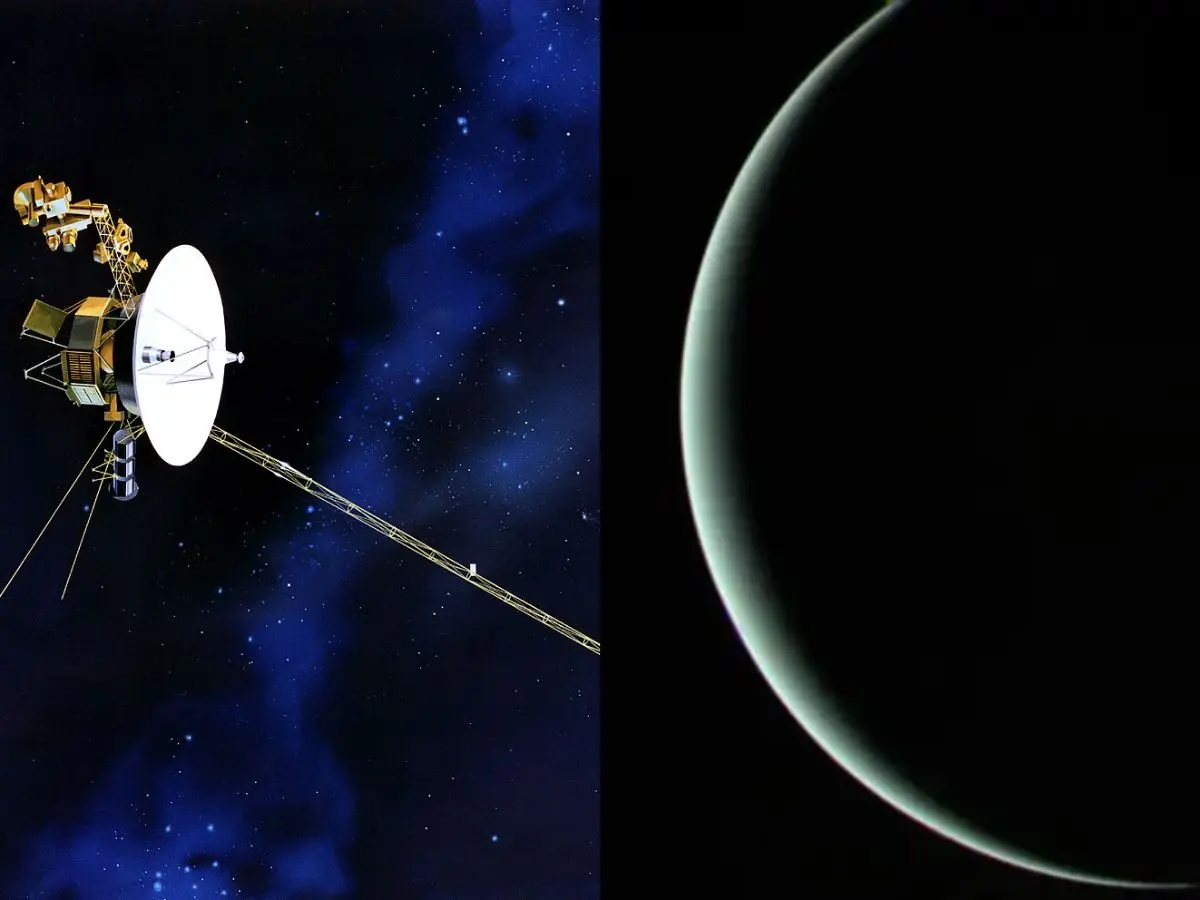
Launched on August 20, 1977, NASA’s Voyager 2 was part of the ambitious Voyager programme, designed to explore the outer planets using a rare planetary alignment. While both Voyagers visited Jupiter and Saturn, only Voyager 2 continued onwards to Uranus and Neptune, making it the sole spacecraft ever to study the ice giants up close. Its journey offered humanity the first, and still only, direct observations of these remote worlds.
The Uranus Encounter
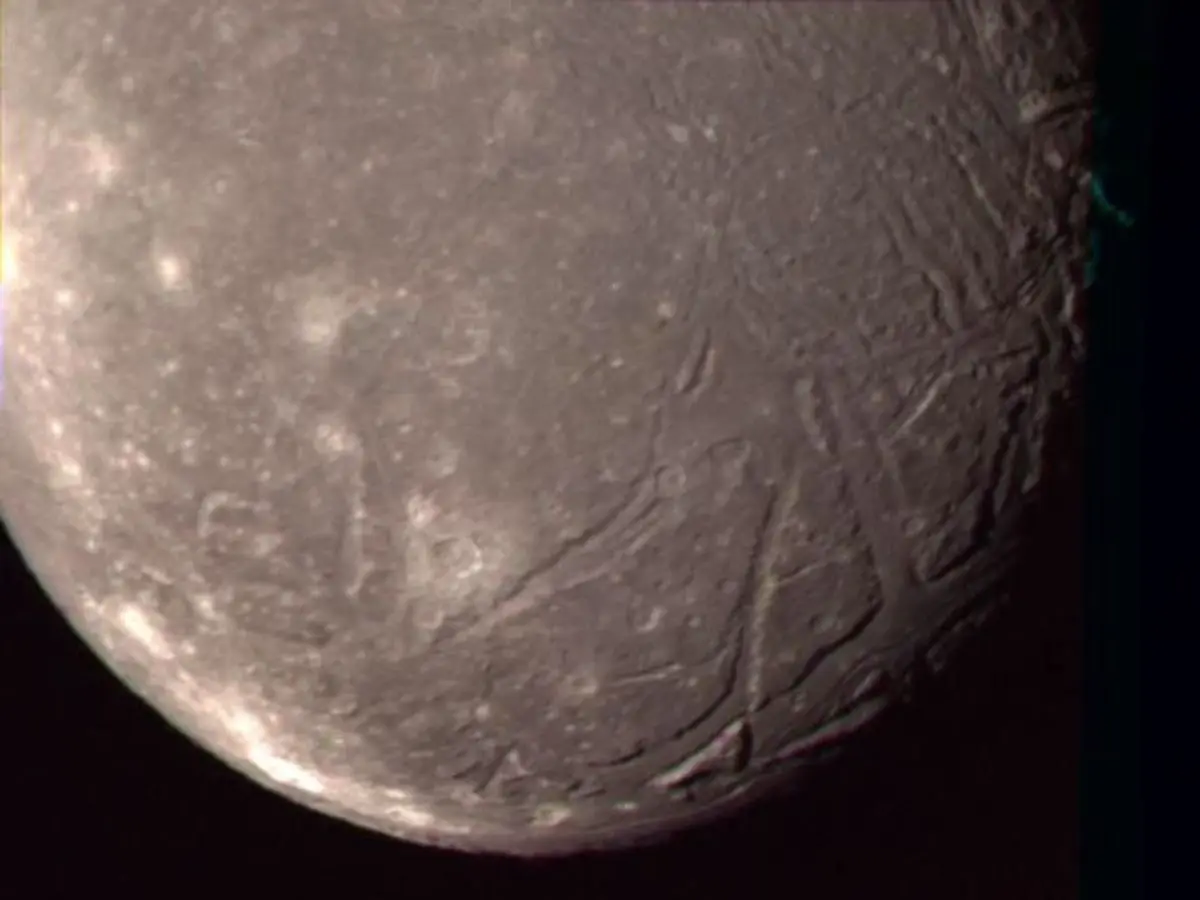
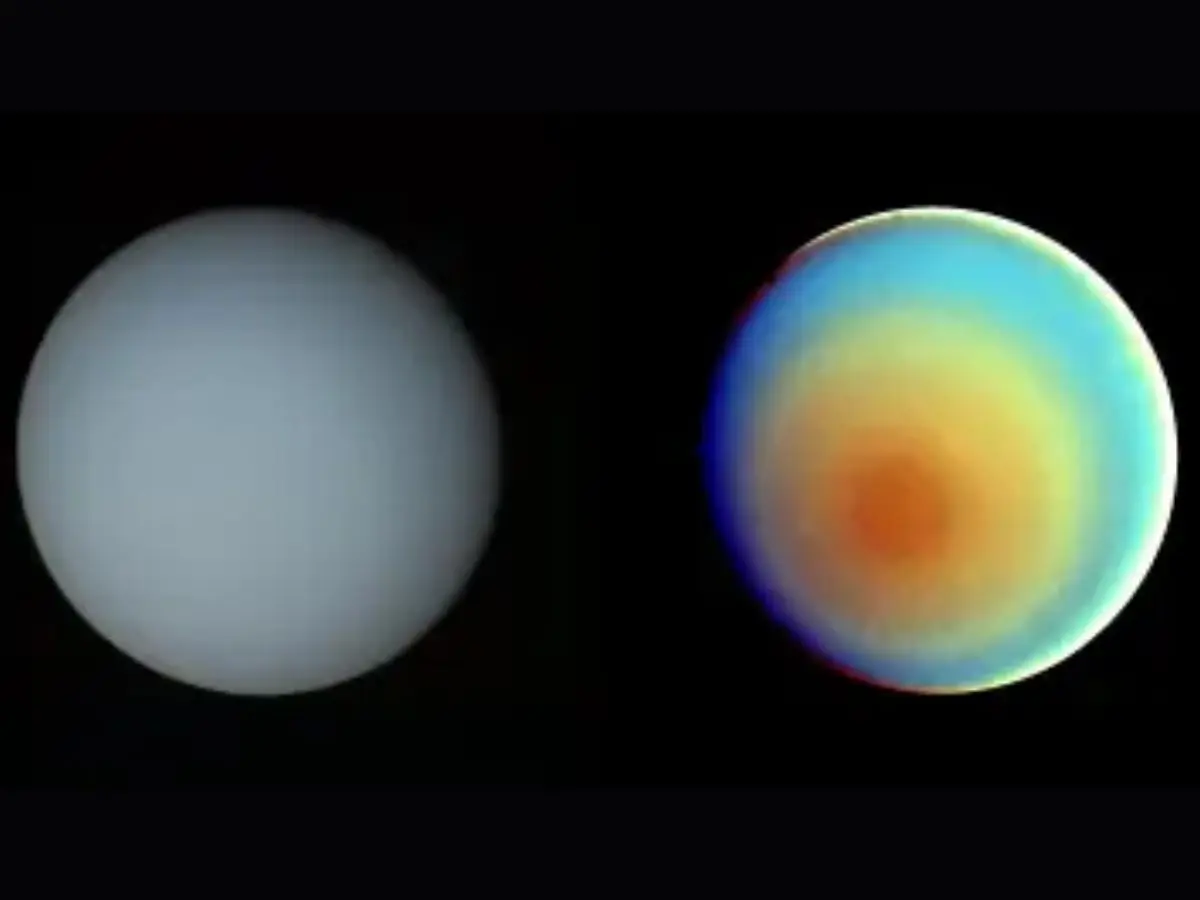
On January 24, 1986, Voyager 2 swept past Uranus at a distance of 81,500 kilometres. The encounter transformed understanding of the planet. Voyager 2 discovered that Uranus has a faint system of rings and at least 11 previously unknown moons, adding to the five already identified. Its instruments measured Uranus’s magnetic field and found it to be tilted at a bizarre angle of nearly 60 degrees relative to its axis of rotation, unlike any other planet. This irregularity suggested a complex and offset magnetic dynamo deep within the planet, raising new questions about planetary interiors.
Unveiling Uranus’s Moons
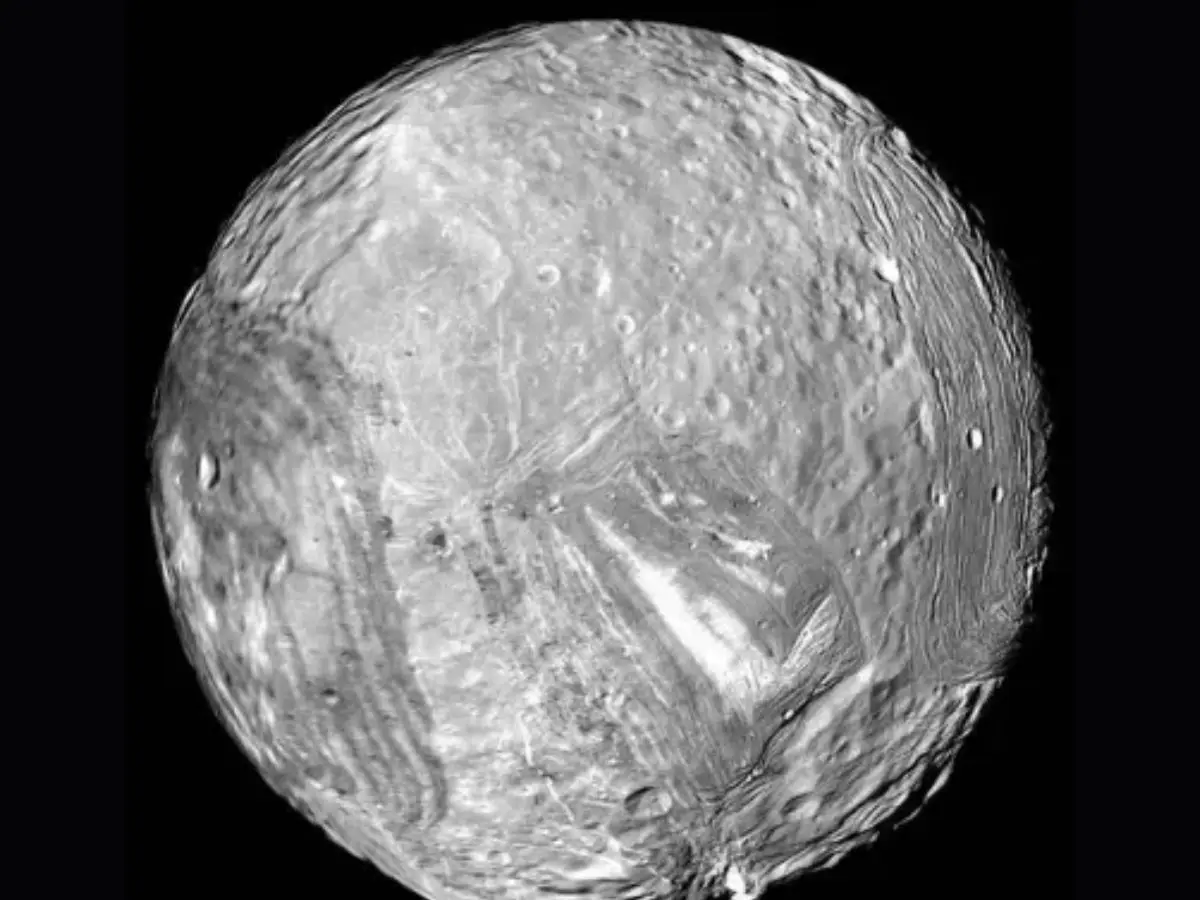
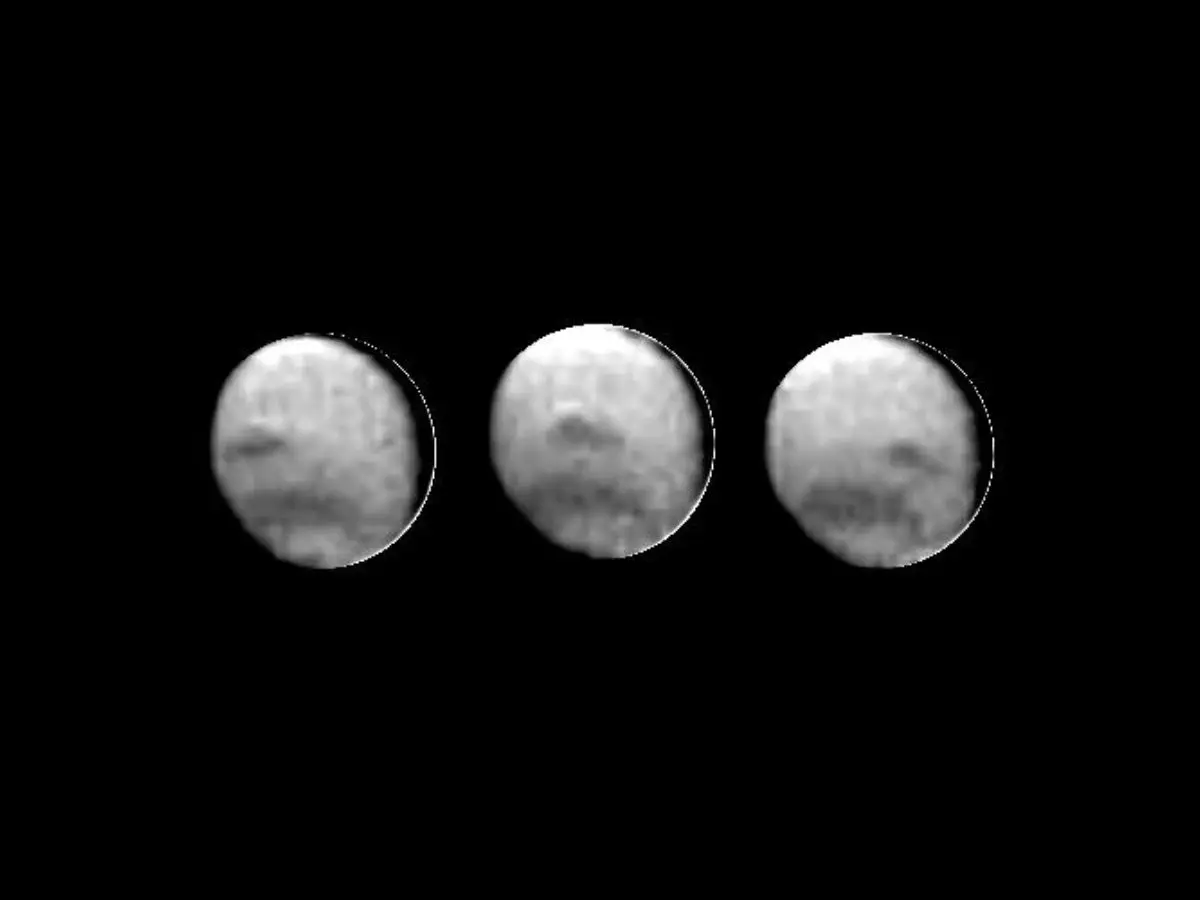
Among the moons studied, Miranda proved particularly surprising. Voyager 2’s images showed a surface scarred by canyons up to 20 kilometres deep and patchwork-like terrain unlike anything seen elsewhere in the Solar System. These features suggested a violent geological history, possibly involving partial disruption and reassembly of the moon, or unexpected internal activity despite its small size.
The Neptune Flyby
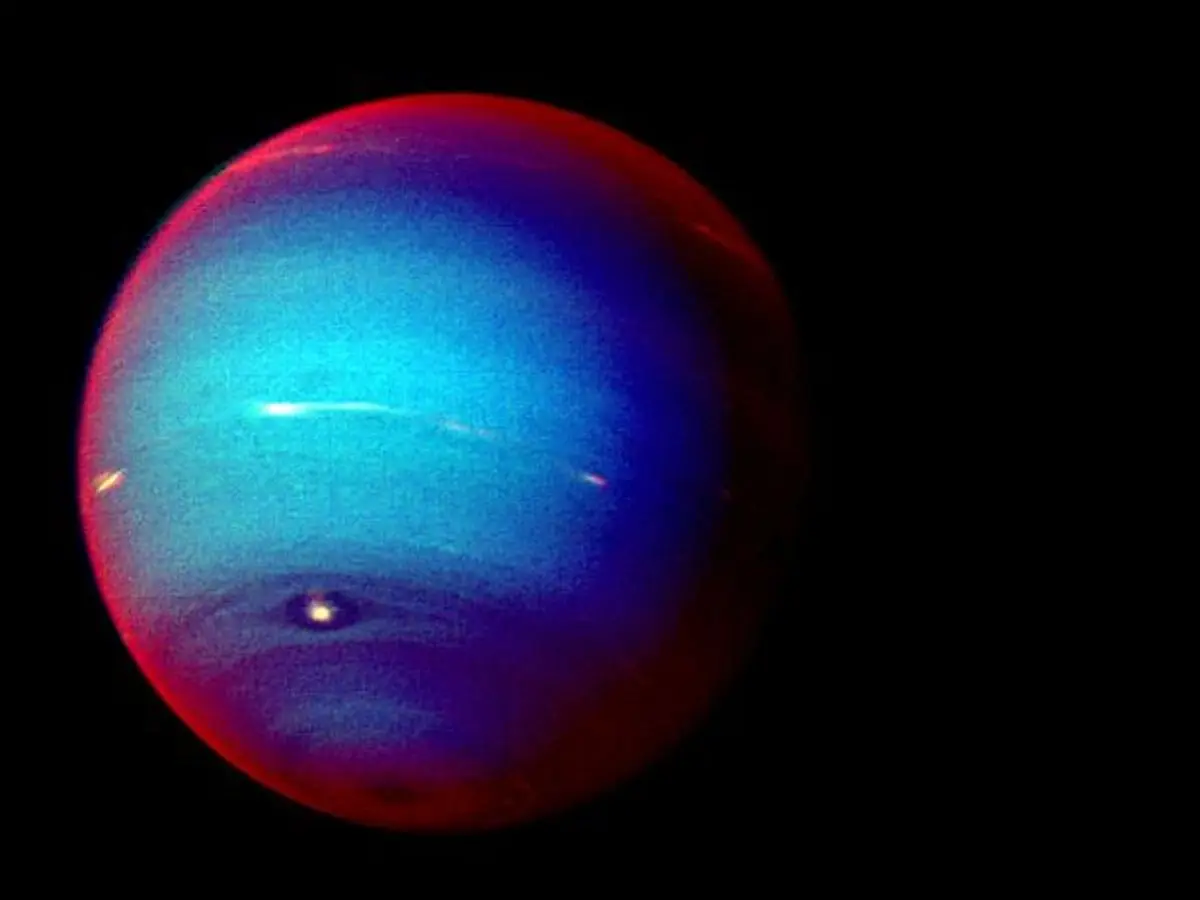
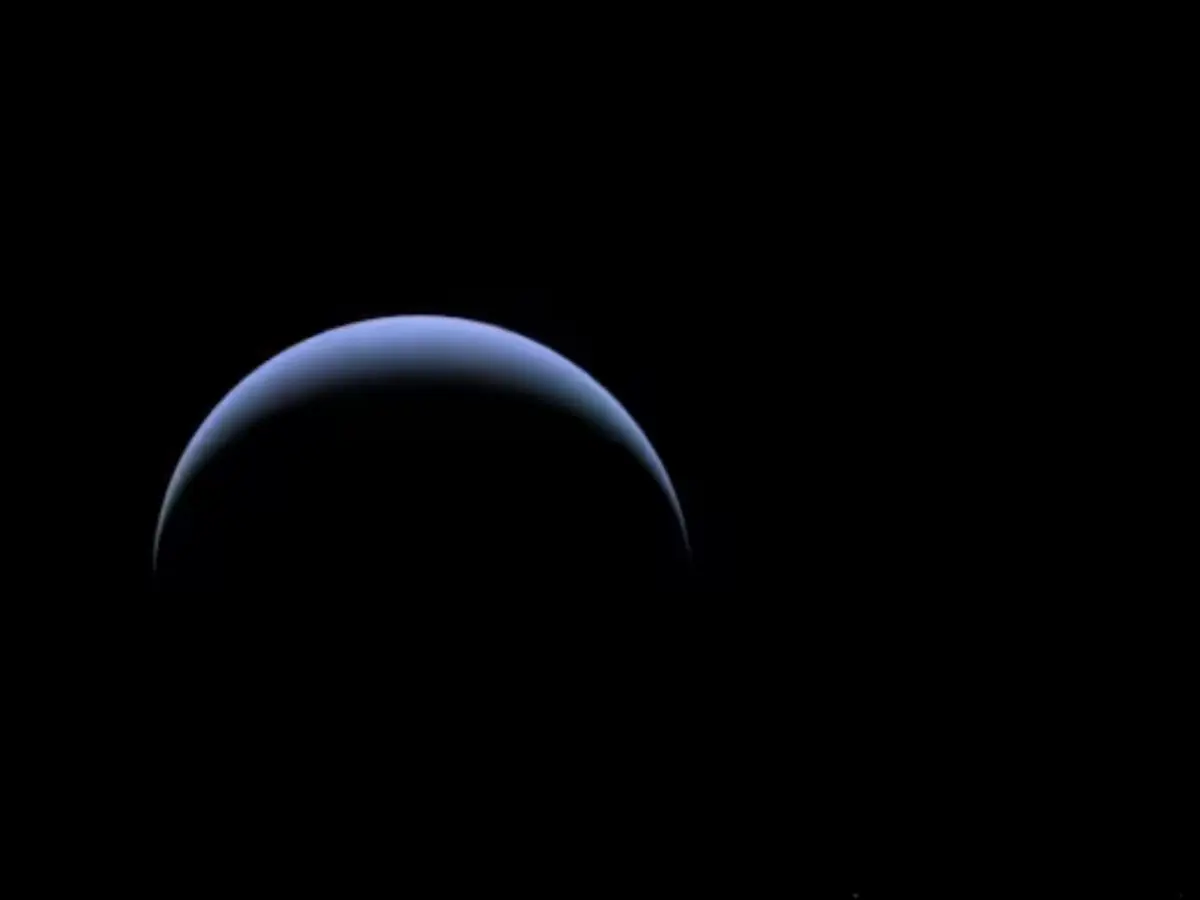
Voyager 2’s closest approach to Neptune came on August 25, 1989, at just under 5,000 kilometres from the cloud tops. It revealed Neptune as a dynamic world rather than a cold, featureless sphere. To scientists’ astonishment, Voyager 2 discovered the 'Great Dark Spot', a massive storm system comparable in scale to Earth. Winds were clocked at 2,100 kilometres per hour, the fastest recorded anywhere in the Solar System.
The Mystery of Triton
The flyby also uncovered startling details about Triton, Neptune’s largest moon. Instead of a frozen, inert body, Triton displayed signs of active cryovolcanism. Voyager 2 captured nitrogen geysers erupting up to 8 kilometres high, reshaping the moon’s surface. Its retrograde orbit indicated it was likely a captured Kuiper Belt object, evidence of Neptune’s violent past. This combination of geological activity and orbital oddities made Triton one of the most intriguing objects yet encountered.
Why These Discoveries Mattered
Voyager 2’s encounters with Uranus and Neptune overturned assumptions about the outer planets. Uranus’s tilted magnetic field and Miranda’s fractured surface suggested that even distant worlds could be geologically and magnetically complex. Neptune’s storms and Triton’s geysers demonstrated that activity persists in extreme environments once thought to be dormant. These findings expanded scientific definitions of what an 'active world' might be, influencing the study of icy moons and exoplanets.
The Legacy of Voyager 2
More than three decades later, Voyager 2 remains the only emissary to the ice giants. Its discoveries continue to shape planetary science, providing insights into magnetic fields, atmospheric dynamics, and icy bodies that resonate far beyond Uranus and Neptune. Today, as the spacecraft travels through interstellar space, it carries not just data but the enduring legacy of the first, and only, close exploration of these remote planets.
)
)
)
)
)