Norway, Russia, Canada and more: These 7 countries that live in total darkness for months

This 'polar night' ranges from a few weeks to several months depending on latitude: by 70° N it typically lasts from late November to mid-January, and it grows longer the farther north you go.
Why months-long night happens
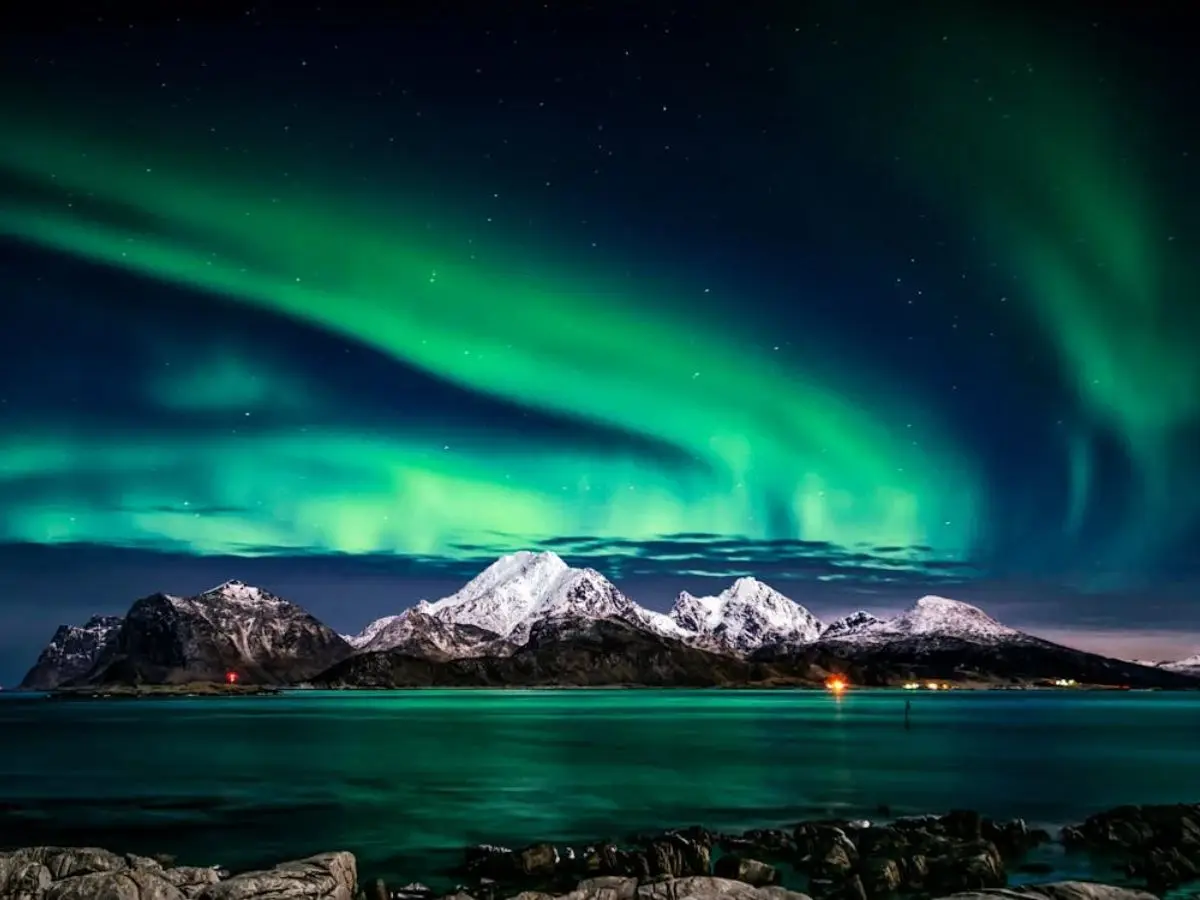
At high latitudes near and above the Arctic Circle, Earth’s 23.5-degree axial tilt keeps the Sun below the horizon for extended stretches each winter. This 'polar night' ranges from a few weeks to several months depending on latitude: by 70° N it typically lasts from late November to mid-January, and it grows longer the farther north you go. Even then, many places enjoy dim civil or nautical twilight at midday rather than total darkness.
Norway
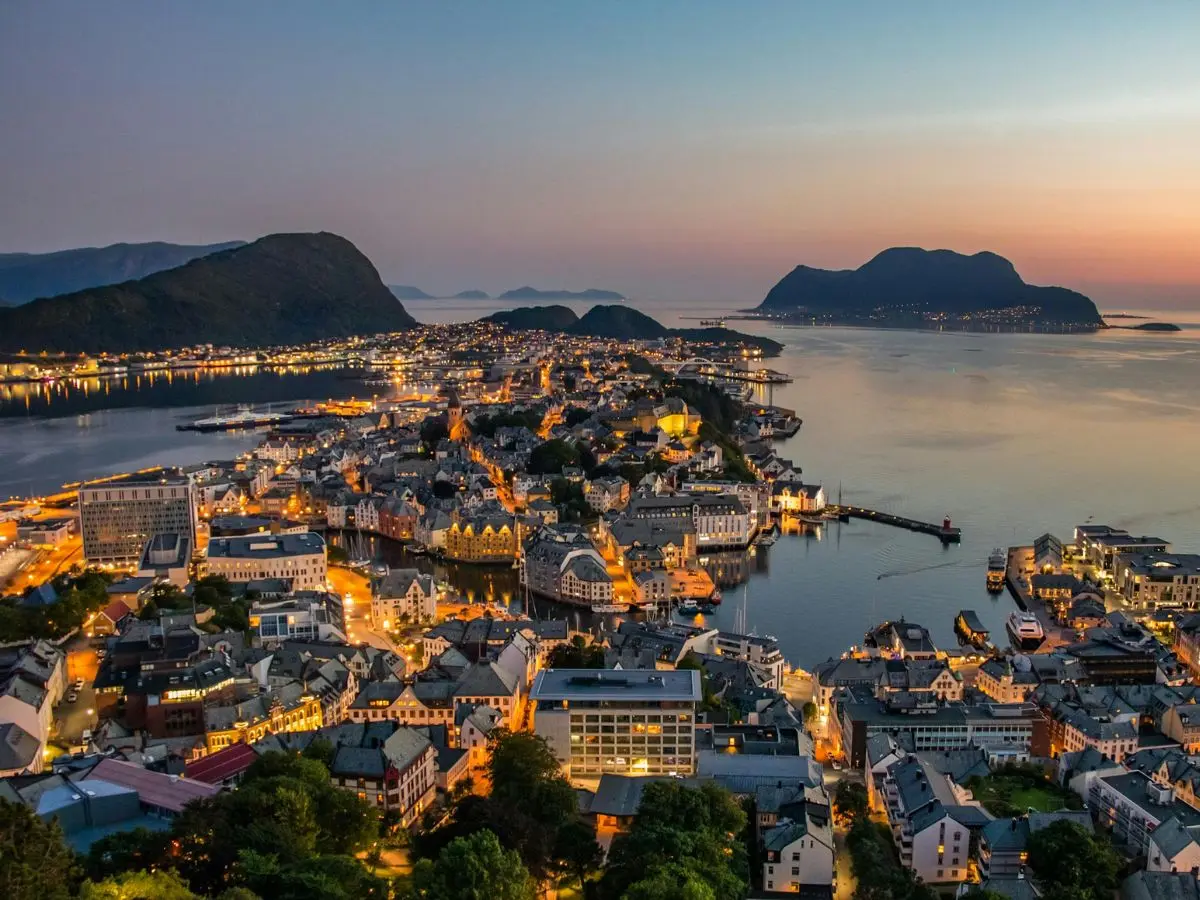
Northern Norway experiences some of the most accessible polar nights on Earth. In Tromsø (69° N), the Sun stays below the horizon from about November 27 to January, 15 with a soft blue twilight at noon. Farther north in Svalbard, Longyearbyen enters continuous darkness from roughly October 26 to mid-February, more than three months each year.
Russia
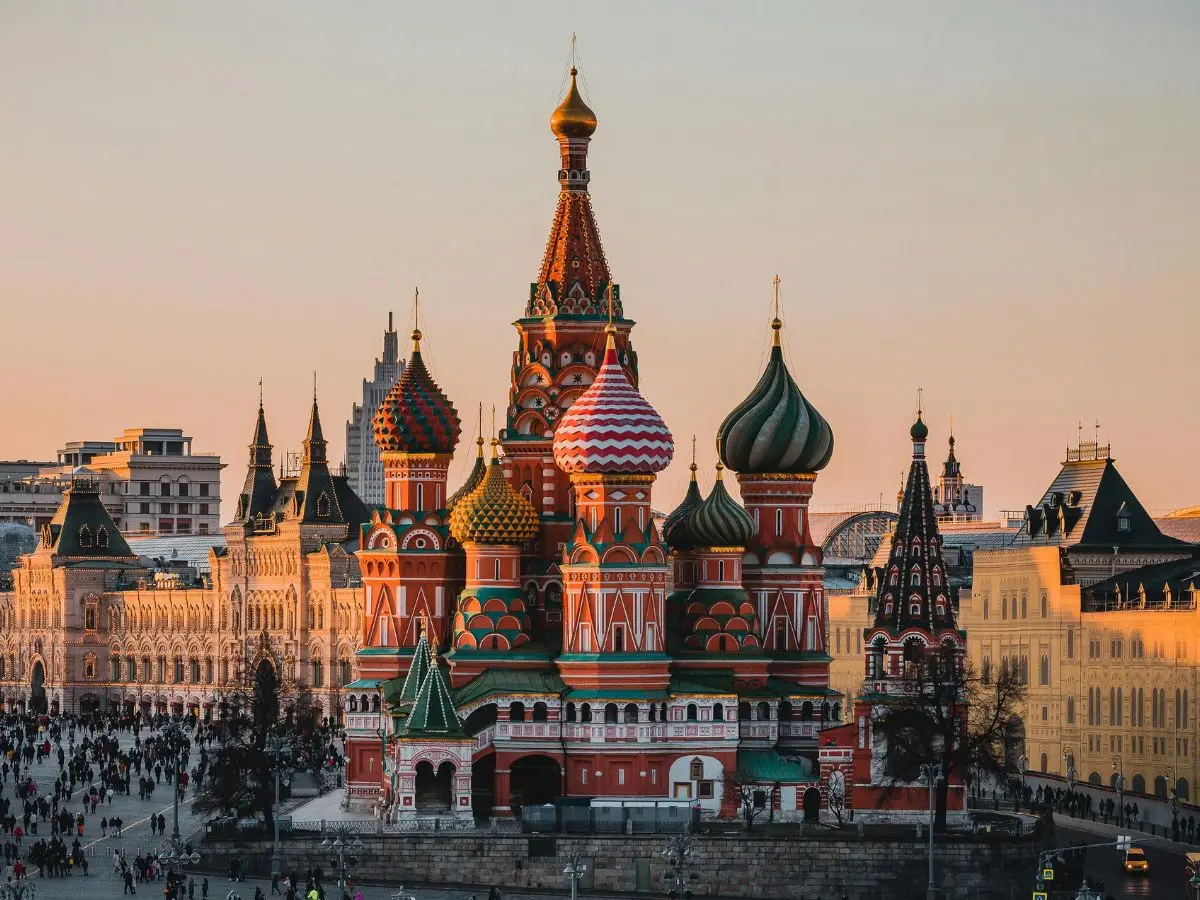
Murmansk (68.9° N), the world’s largest city above the Arctic Circle, undergoes about 40 days without a sunrise, typically from December 2 to January 11. Despite the lack of direct sunlight, a milky twilight brightens the middle of the day, and the first sunrise after the polar night can last only minutes.
United States (Alaska)
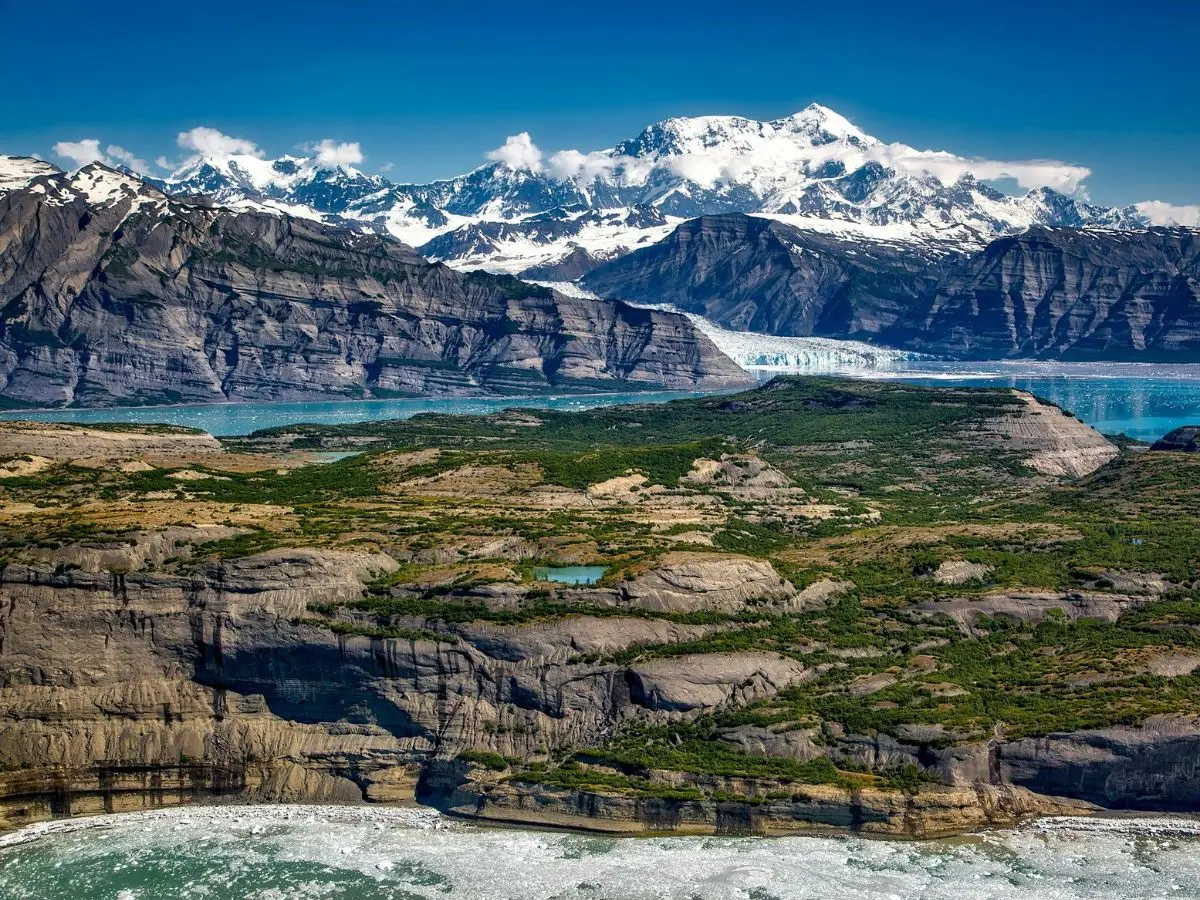
Utqiaġvik, formerly Barrow (71° N), spends over two months in polar night. In recent years the Sun set around 18–19 November and did not rise again until roughly January 22, about 64 days. Residents mark the Sun’s return with community celebrations, and the long darkness often brings superb aurora displays.
Canada
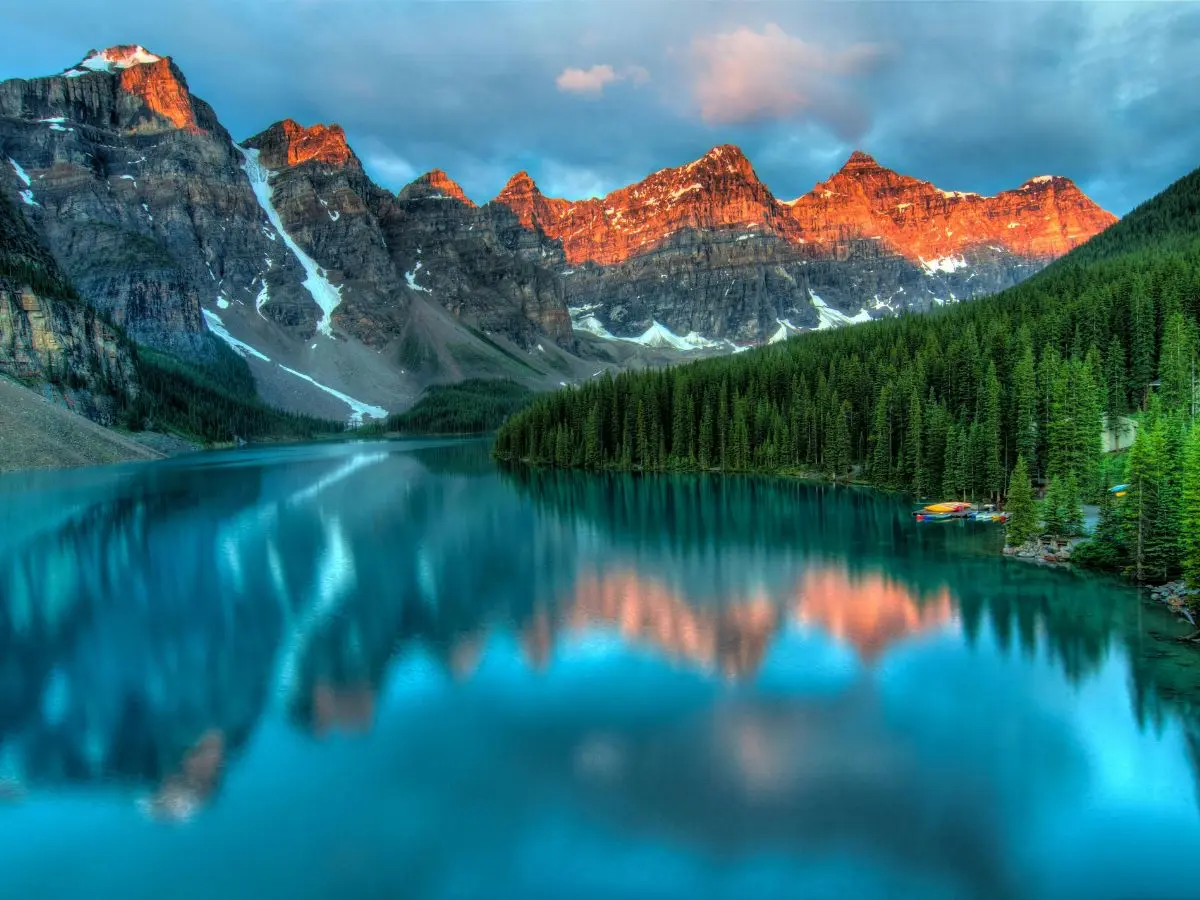
Canada’s northern outposts endure some of the longest dark seasons of any permanently inhabited places. At Alert, Nunavut (82.5° N), the Sun remains below the horizon for approximately 106 days, from about October 30 to February 13, before a gradual return through twilight.
Denmark (Greenland)
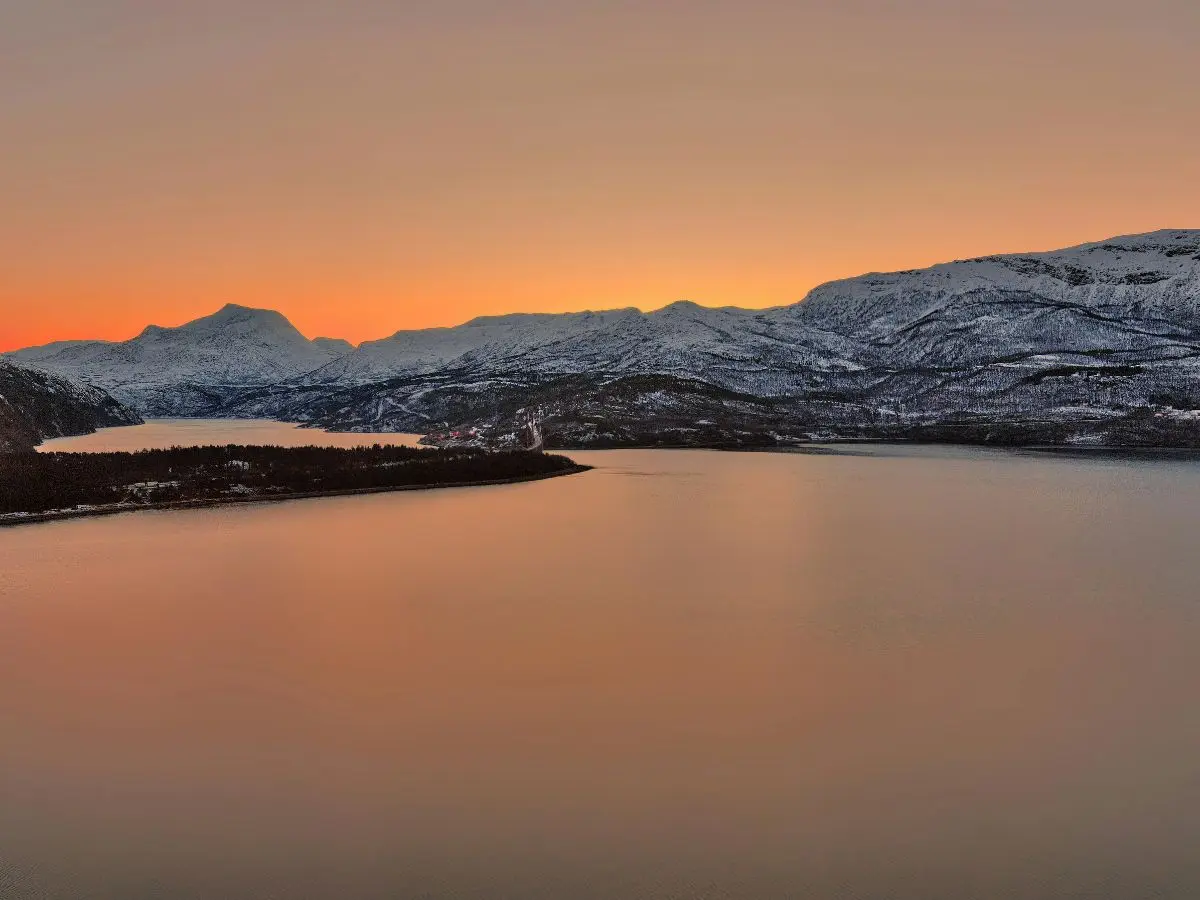
Greenland’s far north sits deep within the polar night zone. Qaanaaq (77.5° N) typically loses the Sun from late November until mid-February, with some sources noting polar darkness lasting into February 17 at this latitude. Towns celebrate the Sun’s first reappearance each year, a milestone of daily life in the High Arctic.
Sweden and Finland
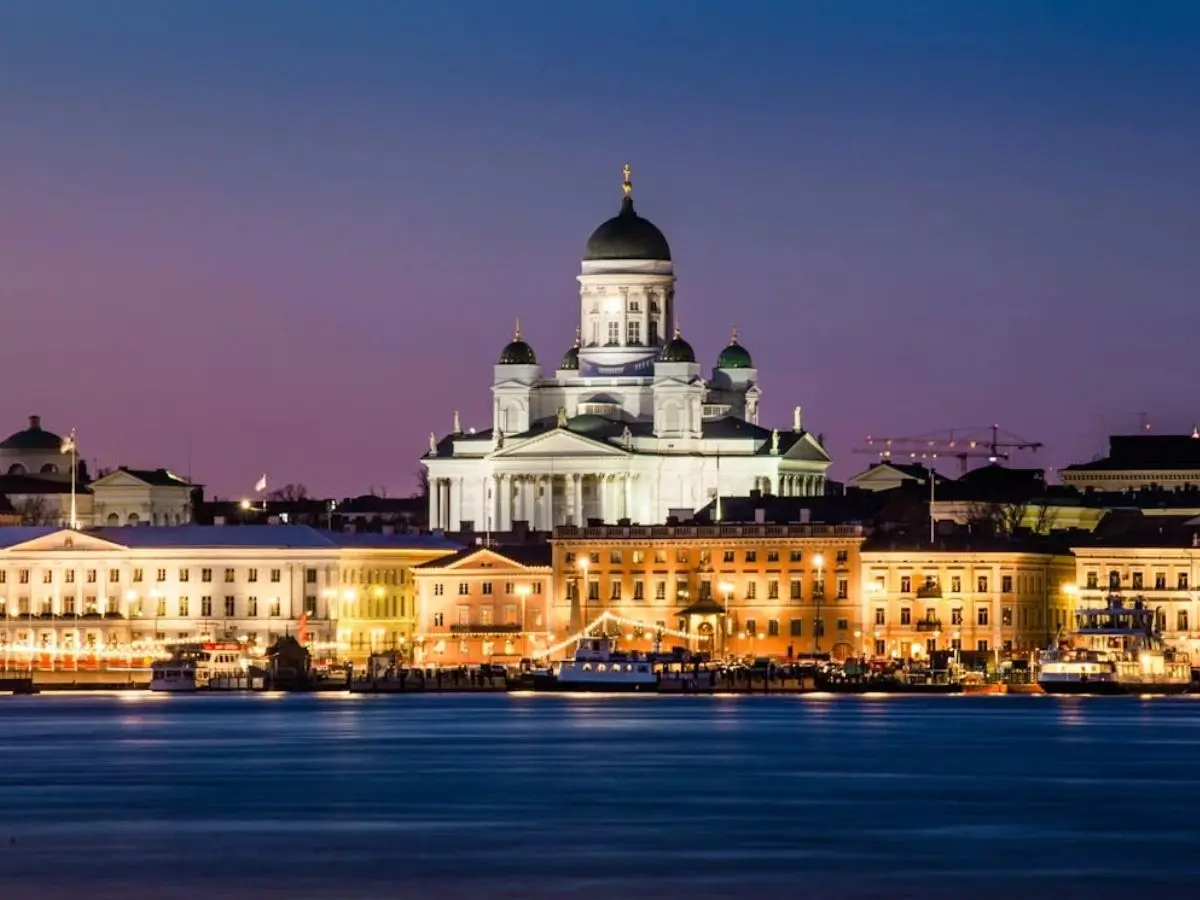
In Swedish Lapland, Kiruna experiences about four weeks of polar night, roughly mid-December to early January. Across the border in Finland’s far north, Utsjoki typically enters polar night in late November and emerges by mid-January, about seven weeks, while locations farther south see only a few days without sunrise.
)
)
)
)
)