In Pics: What is new ICBM tested by North Korea giving sleepless nights to US

New Missile
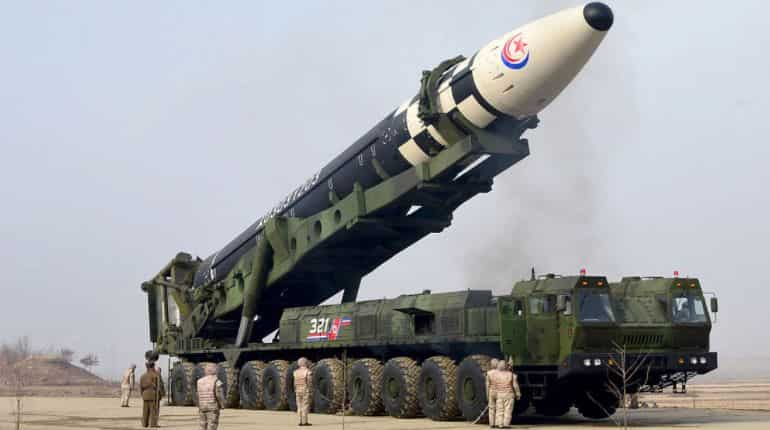
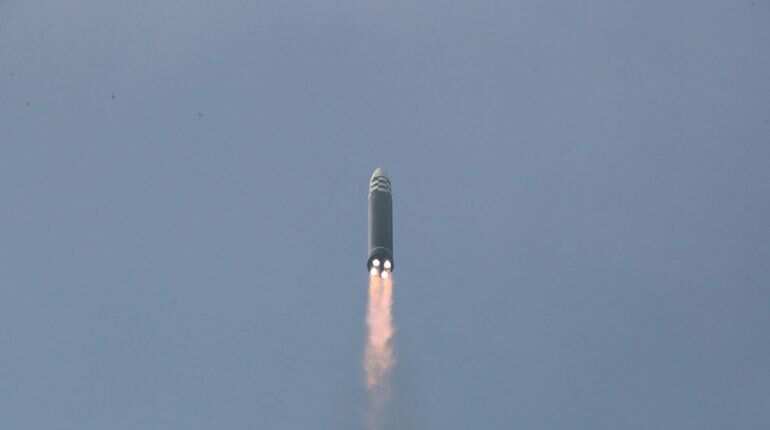
The pictures released by state media showed a massive missile painted with a white nosecone rising flame from a launch vehicle.
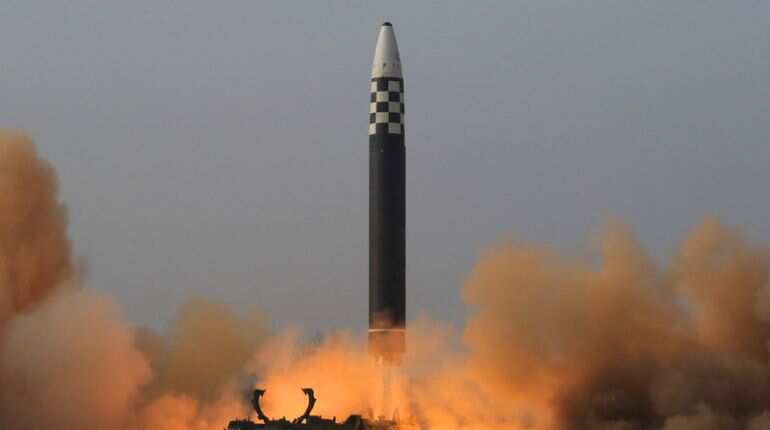
The Korean Central News Agency (KNCA) reported, the Hwasong-17 flew for 1,090km (681 km) to a maximum altitude of 6,248.5 km (3,905 miles) and precisely hitting target in the sea.
'Priceless and miraculous'
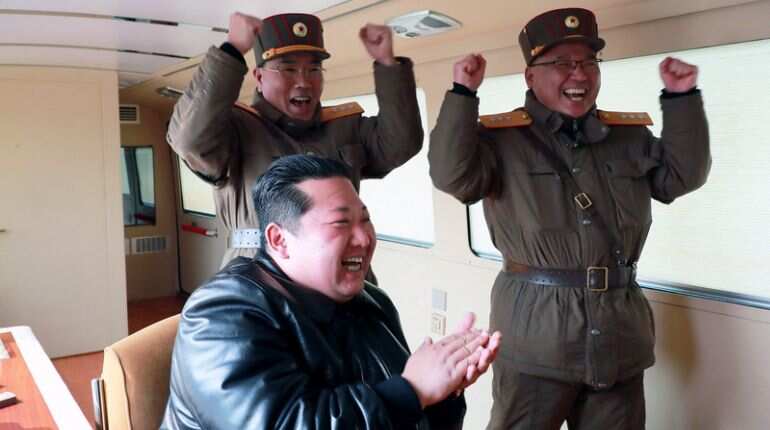
The KNCA called this test a demonstration of great military muscle, while on the other hand the North Korean leader called this test a “priceless and miraculous” victory by the Korean people
Largest liquid-fuelled missile ever
Analysts says this ICBM launch, dubbed the Hwasong-17 ‘Monster Missile’ is the largest liquid-fuelled launch ever done by any country from a road-mobile launcher.
The KNCA reported that leader Kim Jong Un ordered this launch because of the “daily military tensions escalating in and around the Korean Peninsula” and the “certainty of long confrontations with the US imperialists along with the danger of a nuclear war. Kim also said that this test would help convincing the world about the modern feature of the country’s strategic forces.
Giving tough challenge
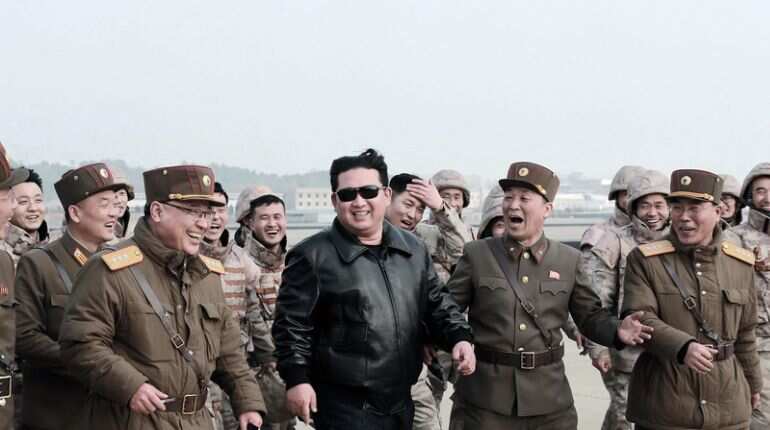
The return to major weapon testing capable of striking the United States possessing a direct challenge to US president Joe Biden as he responds to the Russia Ukraine Conflict.
This raises the prospect of a new crisis along the election of a new, conservative South Korean administration that has pledged a more powerful strategy to counter Pyongyang.
Officials in Seoul and Washington previously said that the launches on February 27 and March 5 involved parts of the Hwasong-17 ICBM system, for conducting a full test like the one done on Thursday.
New sanctions
The United Nations Security Council (UNSC) will publicly meet at 3 pm (1900 GMT) on Friday to discuss the North Korea’s ICBM launch which will be far more difficult after the last one in 2017.
The UNSC has announced new sanctions on two Russian companies, a North Korea and Russian Individual and North Korea’s Second Academy of Natural Science Foreign Affairs for transferring sensitive items to North Korea’s missile programme.
)
)
)
)
)