Nokia, Samsung, Amazon and more: 6 famous companies that started with totally different products

Before becoming tech giants, gaming legends or global retailers, several of them began with surprisingly different products, from paper and dried fish to playing cards and soap.

The surprise behind familiar names
Many of today’s most recognisable companies didn’t start out doing what they’re famous for. Before becoming tech giants, gaming legends or global retailers, several of them began with surprisingly different products, from paper and dried fish to playing cards and soap. Their stories show how reinvention, timing and a bit of luck can transform small or niche businesses into world-leading brands.
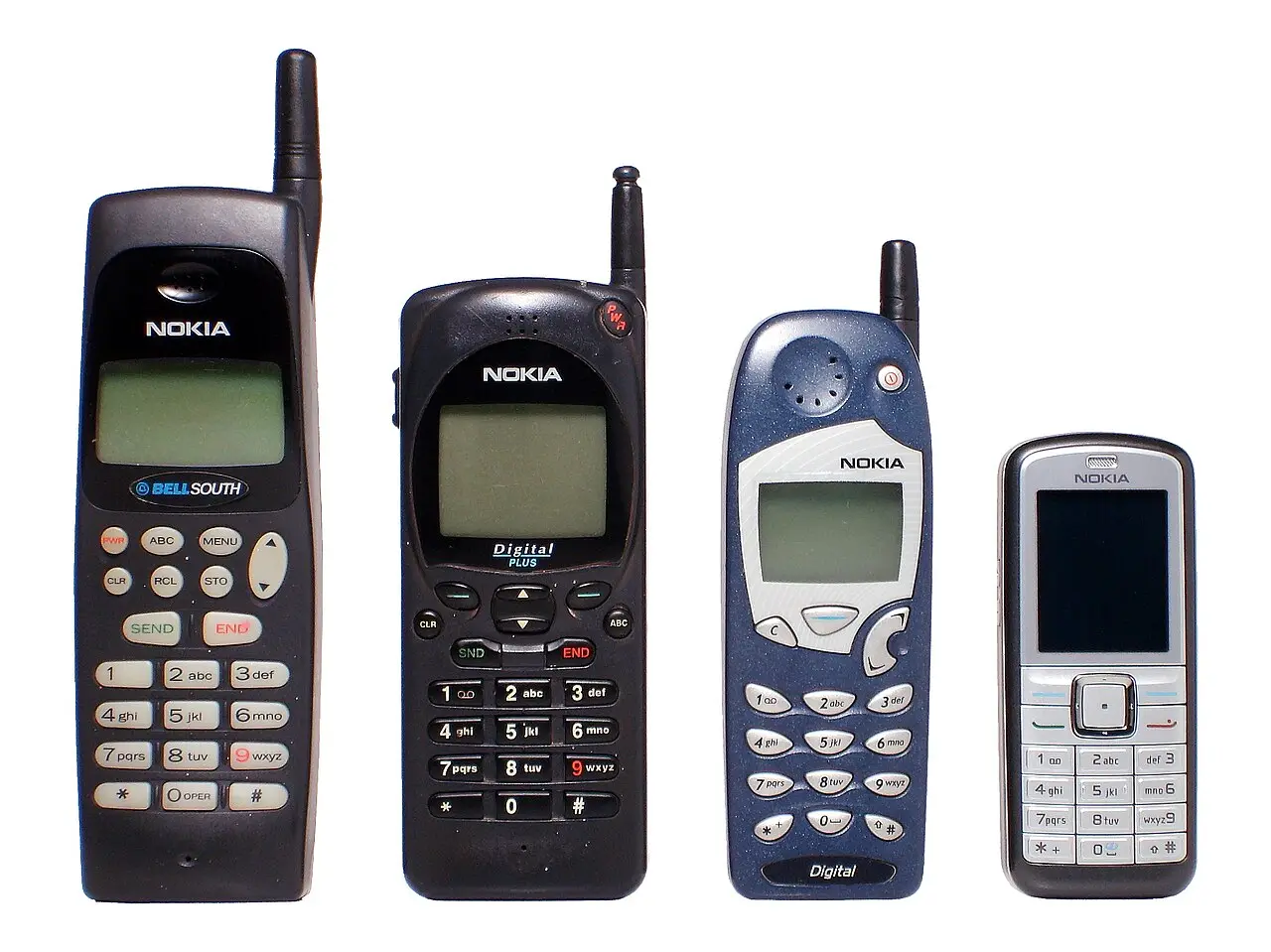
Nokia
Founded in 1865 by Fredrik Idestam as a pulp mill on the banks of the Nokianvirta river in Finland, Nokia spent decades in forestry and paper products. Over the 20th century it diversified into rubber boots, cables and electronics. By the late 20th century Nokia had focused on telecommunications and became synonymous with mobile phones.
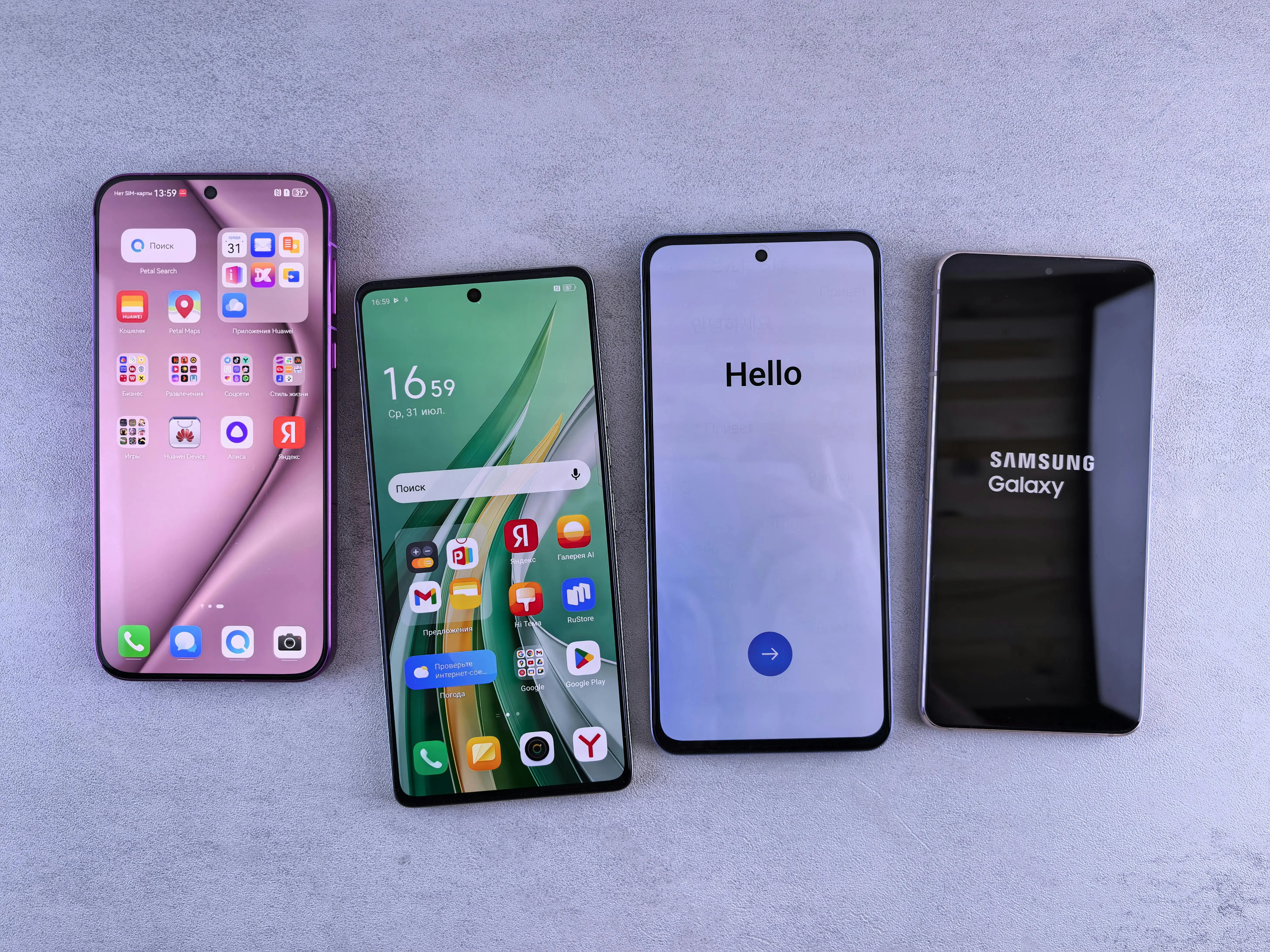
Samsung
Samsung began in 1938 in Daegu, Korea, when Lee Byung-chul opened a trading company exporting dried fish, vegetables and fruit. Over time Samsung moved into textiles, insurance, electronics and heavy industry. Its growth into consumer electronics and semiconductors in the latter half of the 20th century transformed it into the conglomerate known today.
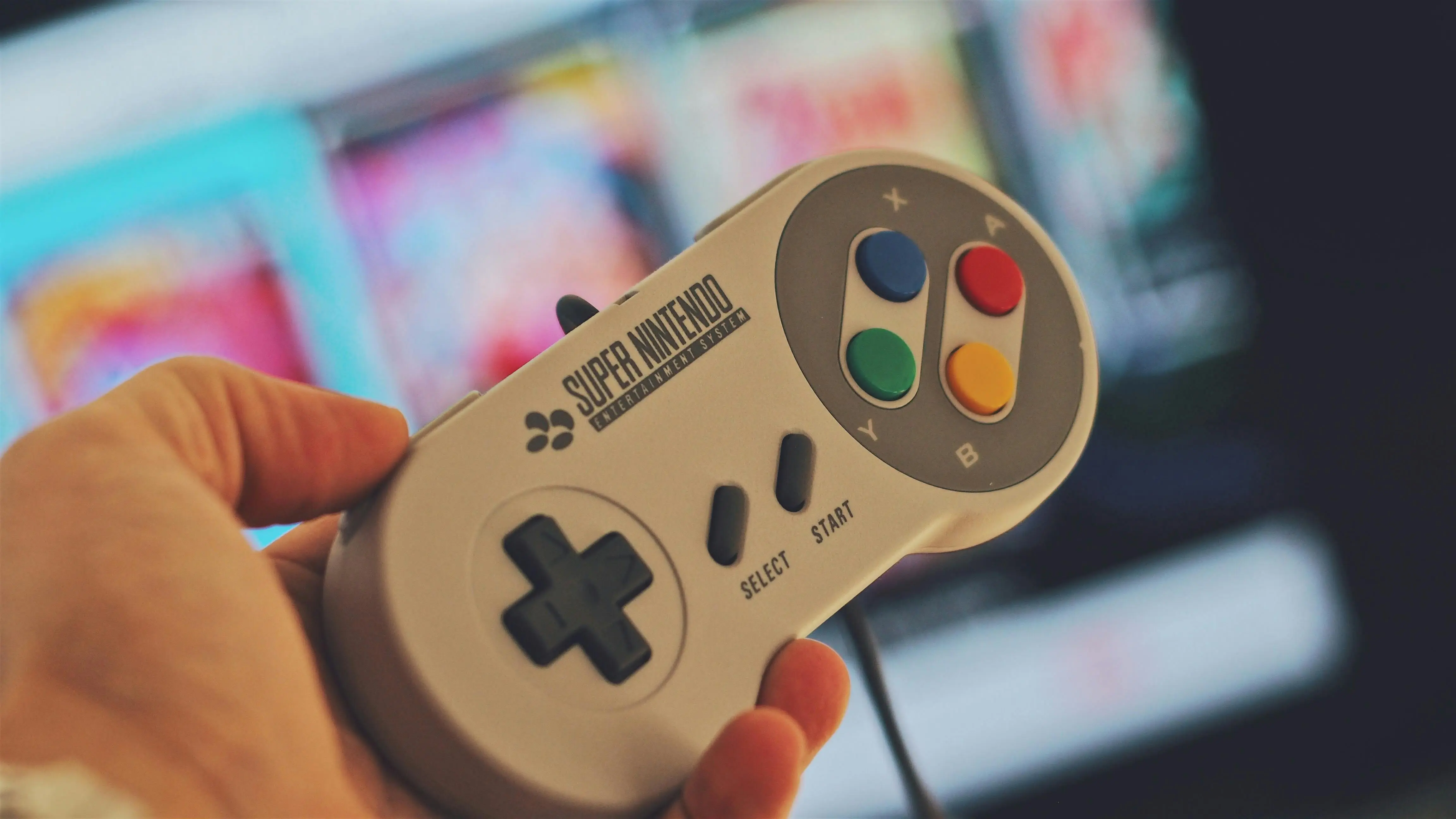
Nintendo
Founded in Kyoto in 1889 by Fusajiro Yamauchi, Nintendo first made hanafuda, traditional Japanese playing cards. The company experimented with several businesses across the 20th century, including a taxi service and a ‘love hotel’, before refocusing on electronic entertainment in the 1970s and later becoming a dominant video-game maker.
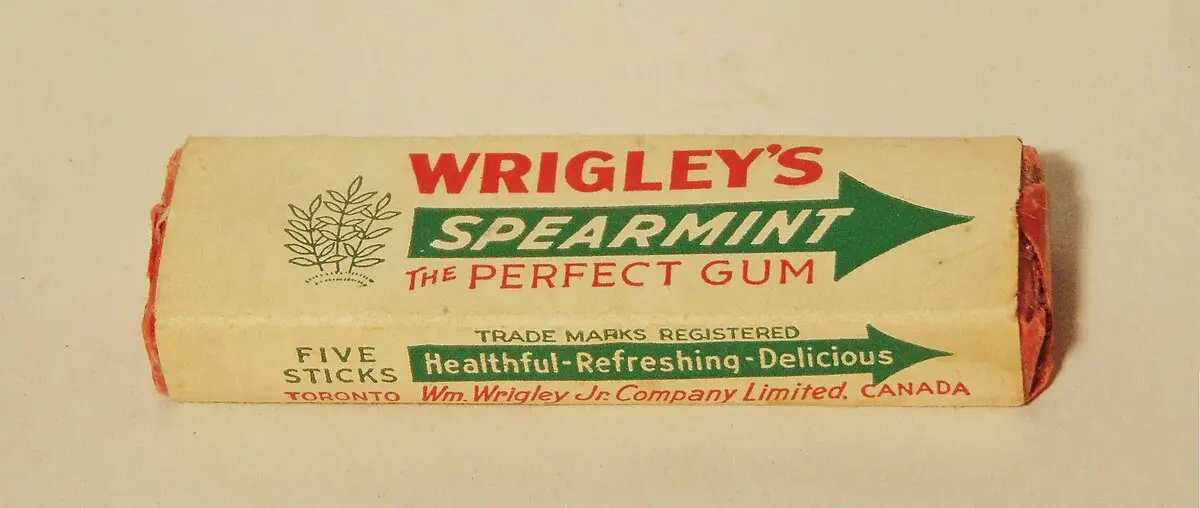
Wrigley
William Wrigley Jr. entered business in Chicago in the 1890s selling baking powder and later soap. He offered chewing gum as a promotional giveaway to customers; the gum proved far more popular than the other products. Wrigley shifted the company’s focus to gum, building one of the world’s best-known confectionery brands.
IBM
The firm that became IBM was formed in 1911 as the Computing-Tabulating-Recording Company, a merger of businesses making commercial scales, tabulating equipment and time clocks. It concentrated on punch-card tabulators and business machinery until the mid-20th century, when it moved into large electronic computers and later mainframes, shaping modern computing.
Amazon
When Jeff Bezos launched Amazon in 1994 it operated as an online bookseller. Books provided a convenient inventory and demand test for e-commerce; from there the company rapidly expanded its range and logistics capabilities to become the broad online marketplace and cloud-services provider known today.
)
)
)
)
)