Noida airport inaugurated: When will flight ops begin, which routes are likely in the first phase? All details inside

The development is part of a broader push to ease congestion, improve connectivity, and strengthen regional infrastructure across northern India.
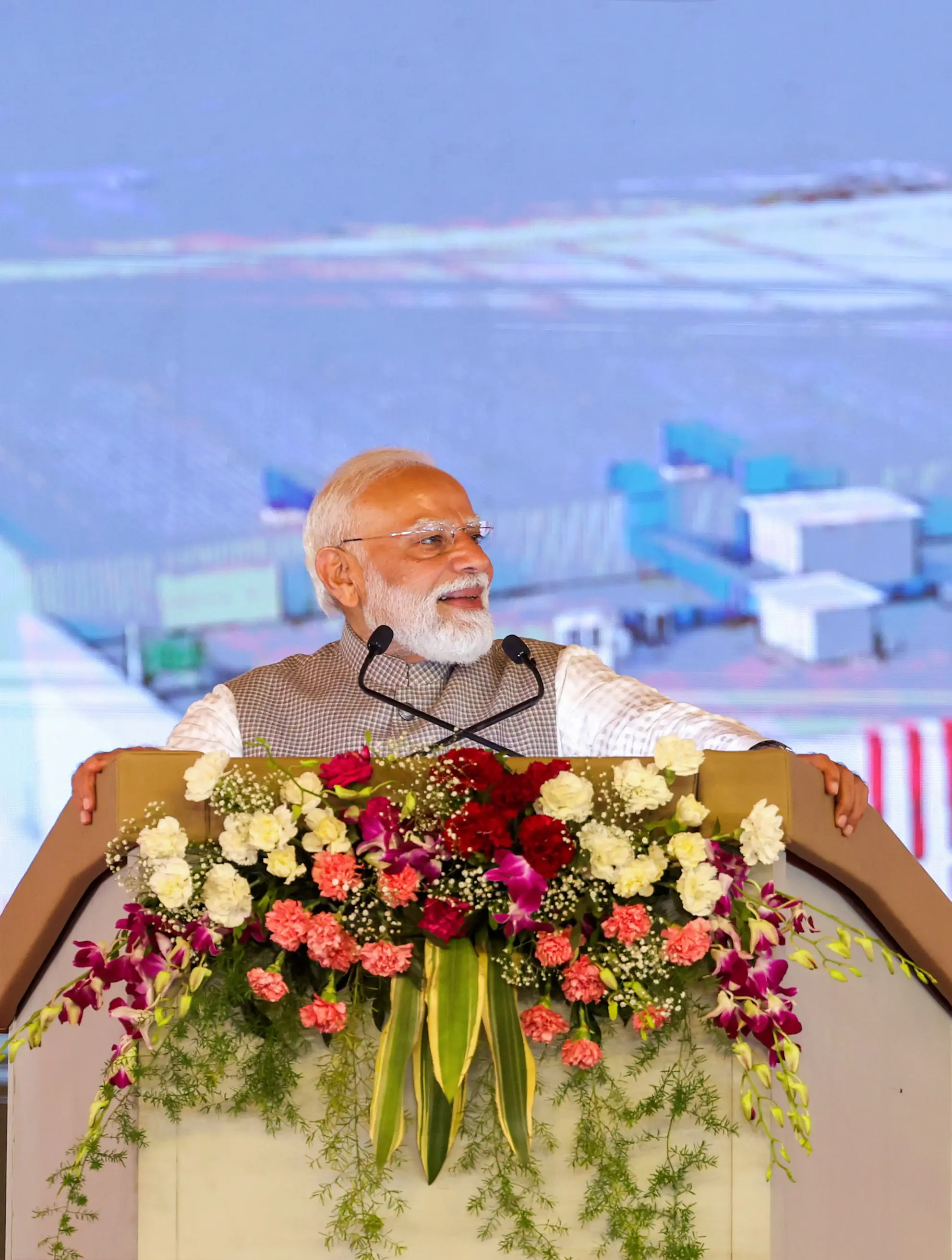
PM Modi calls Noida airport 'Symbol of India's new spirit'
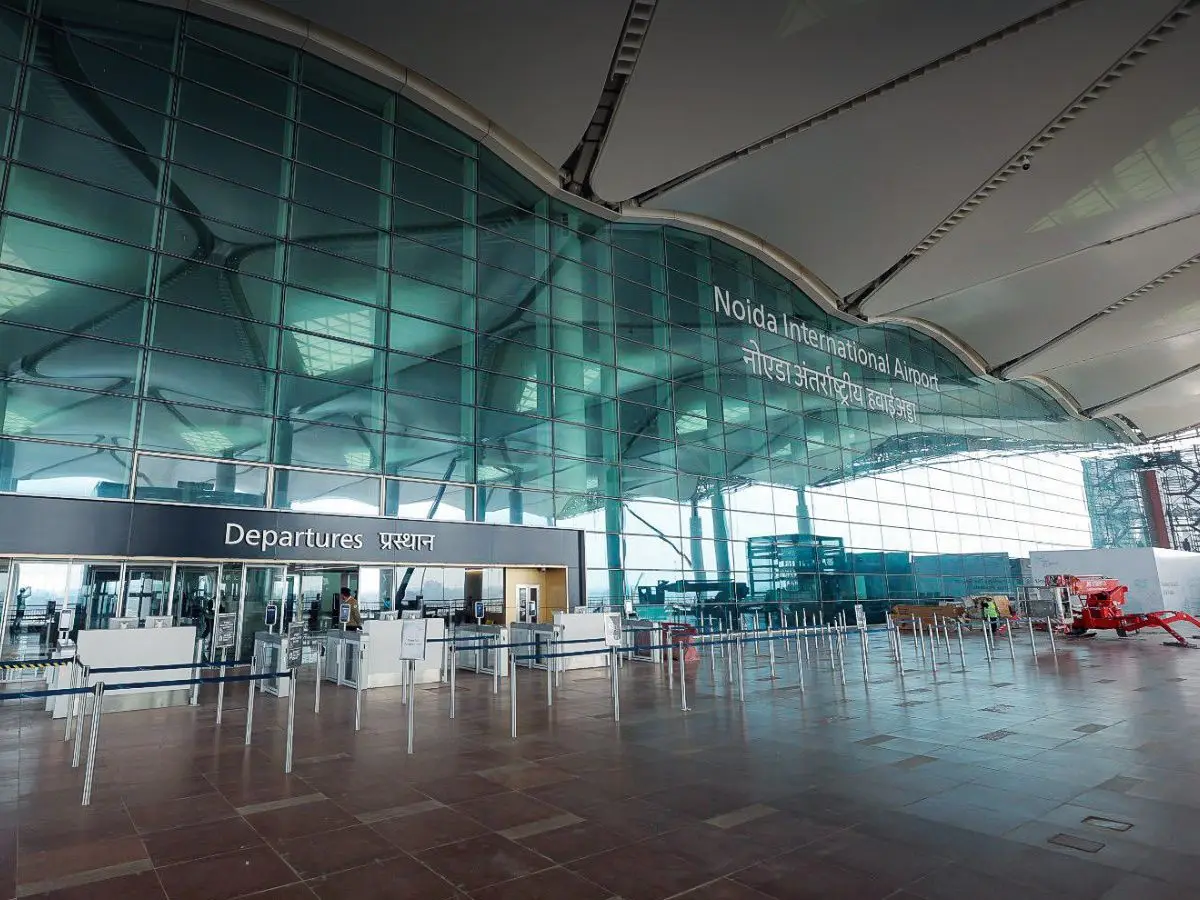
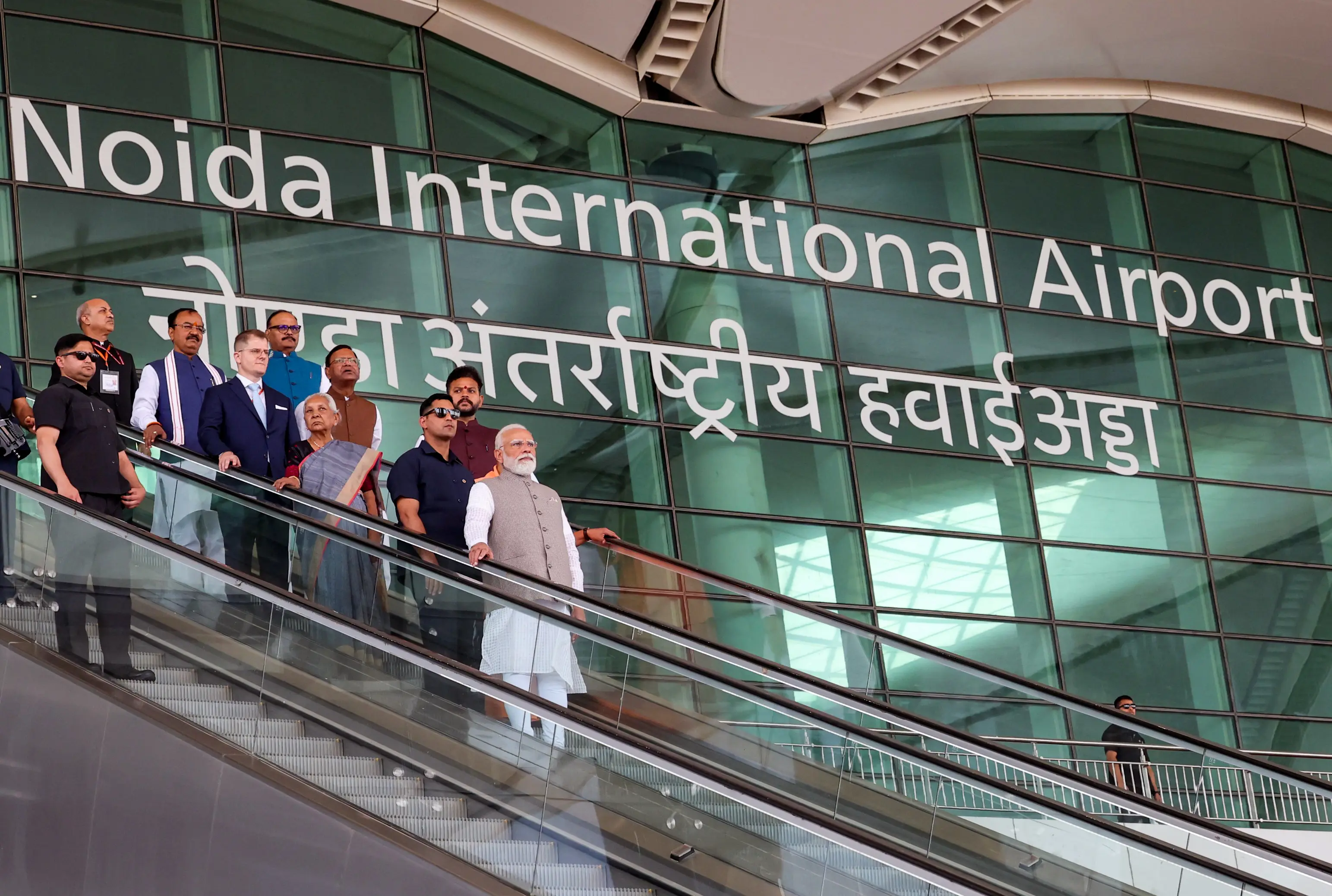
India has taken a significant step in expanding its aviation capacity with the inauguration of the first phase of Noida International Airport at Jewar by Prime Minister Narendra Modi. Cleared after multiple delays, the project is positioned as the second international gateway for the Delhi-NCR region after Indira Gandhi International Airport. The development is part of a broader push to ease congestion, improve connectivity, and strengthen regional infrastructure across northern India.
1. A long-delayed project takes shape
The airport, originally scheduled for completion in 2024, faced repeated delays before its formal inauguration on Saturday. Built as a greenfield project, it marks one of India’s most significant aviation infrastructure developments in recent years. The phase 1 of Noida International Airport at Jewar has been built at a cost of Rs 11,282 crore. The broader plan is to make Jewar a key aviation hub in northern India, easing the burden from the Indira Gandhi International Airport. The total estimated cost of the project which will be ready in subsequent phases is Rs 29,560 crore.
2. Regulatory clearance in place
A key milestone was achieved earlier this month when the Directorate General of Civil Aviation granted the aerodrome licence. Officials confirmed that the licence certifies the airport meets required safety and operational standards, clearing the final hurdle before flight operations.

3. When will flights begin?
With the aerodrome licence now in place, the airport is expected to begin domestic passenger and cargo operations first. According to the project timeline and official updates from authorities, services are likely to commence within 45 days of the DGCA clearance issued on March 6, 2026. This places the probable launch window between mid-April and May 2026, subject to final testing, airline readiness, and operational clearances. Earlier timelines had pointed to a 2024–25 launch, but delays in construction and certification pushed the schedule further.
4. International operations timeline
International services are expected to follow later in the year, with earlier official projections indicating a rollout from September 2026. Initial overseas routes are likely to include major international hubs, while bookings are expected to open roughly 90 days before the start of operations. The phased approach allows the airport to stabilise domestic services before expanding into international connectivity.
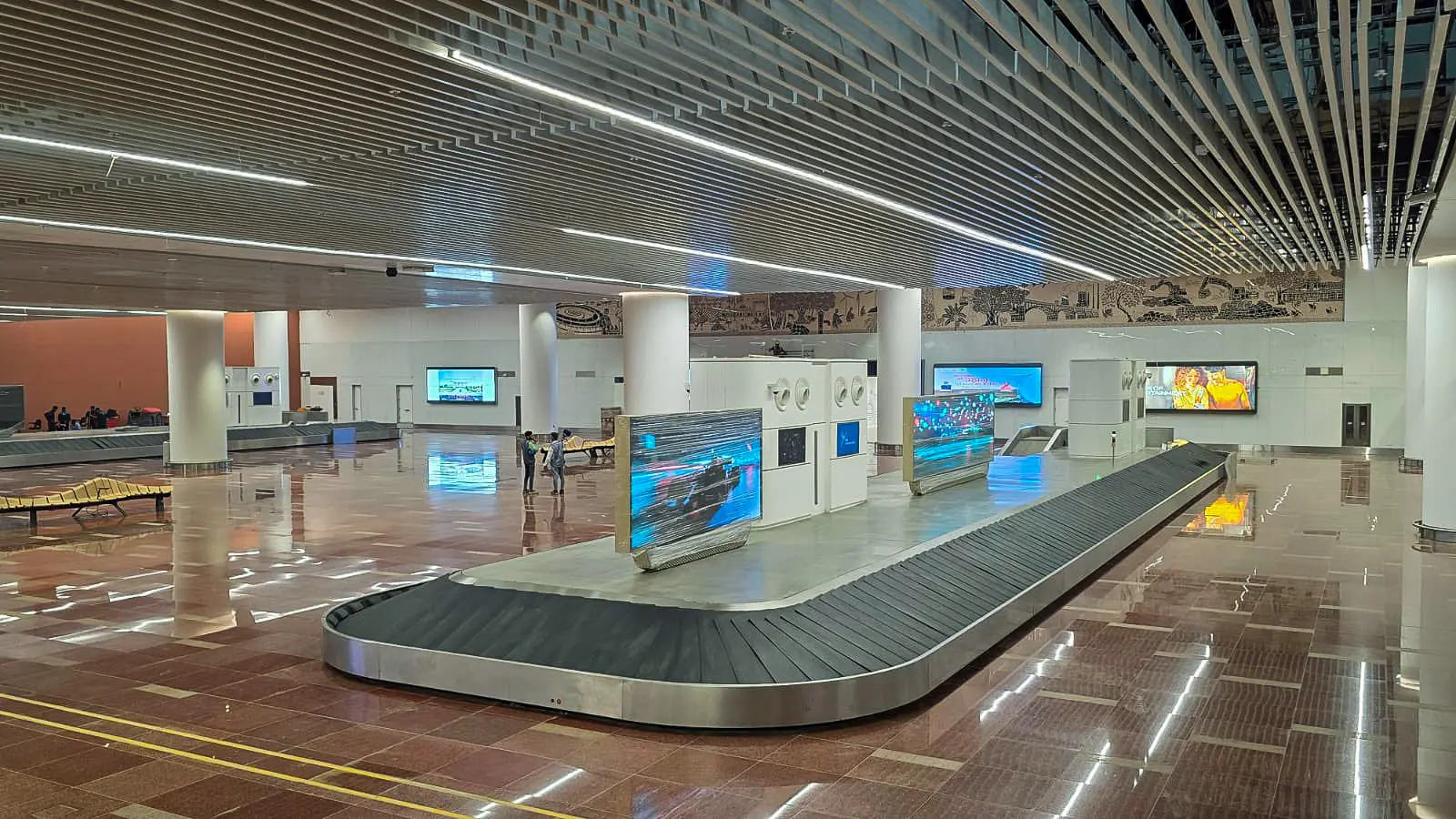
5. Expected destinations in phase one
While final routes have not been confirmed, earlier plans indicated domestic connectivity to major cities such as Mumbai, Bengaluru, Hyderabad and Lucknow. Initial operations are expected to prioritise metro routes before expanding further.
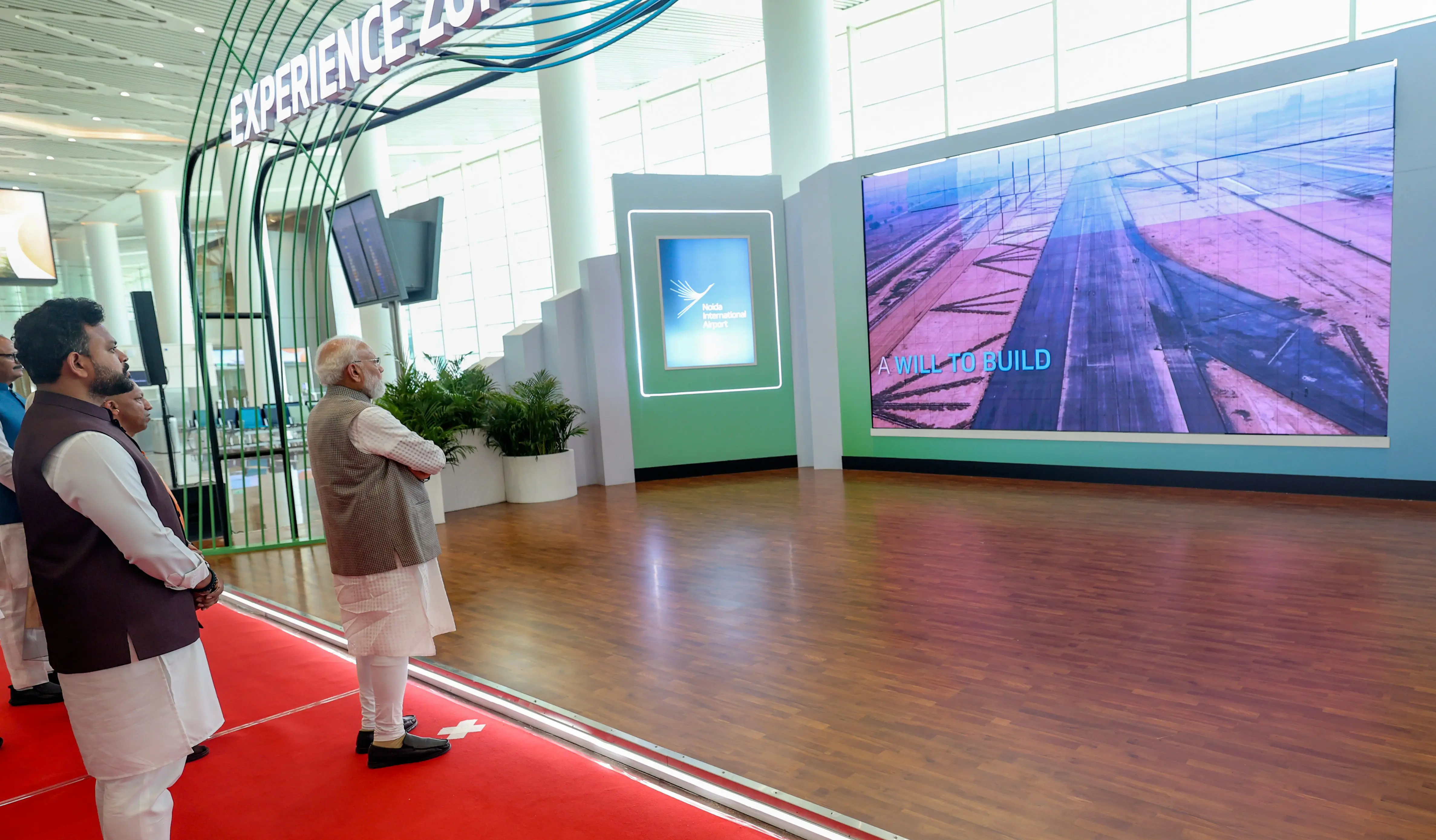
6. Capacity and infrastructure
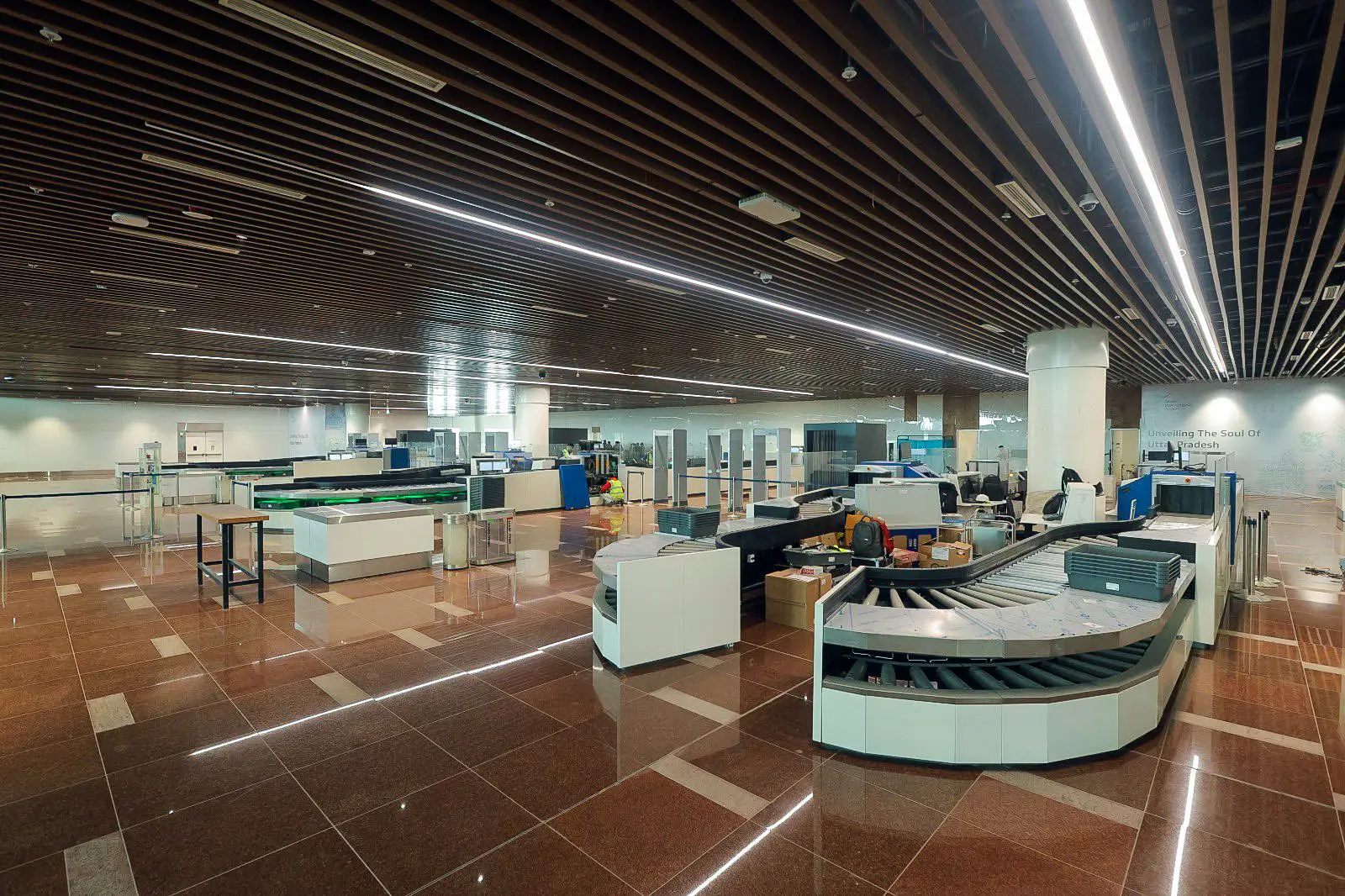
Phase one is designed to handle around 12 million passengers annually, with a 3,900-metre runway capable of accommodating wide-body aircraft. The airport is planned to expand in phases, eventually reaching a capacity of up to 225 million passengers annually.
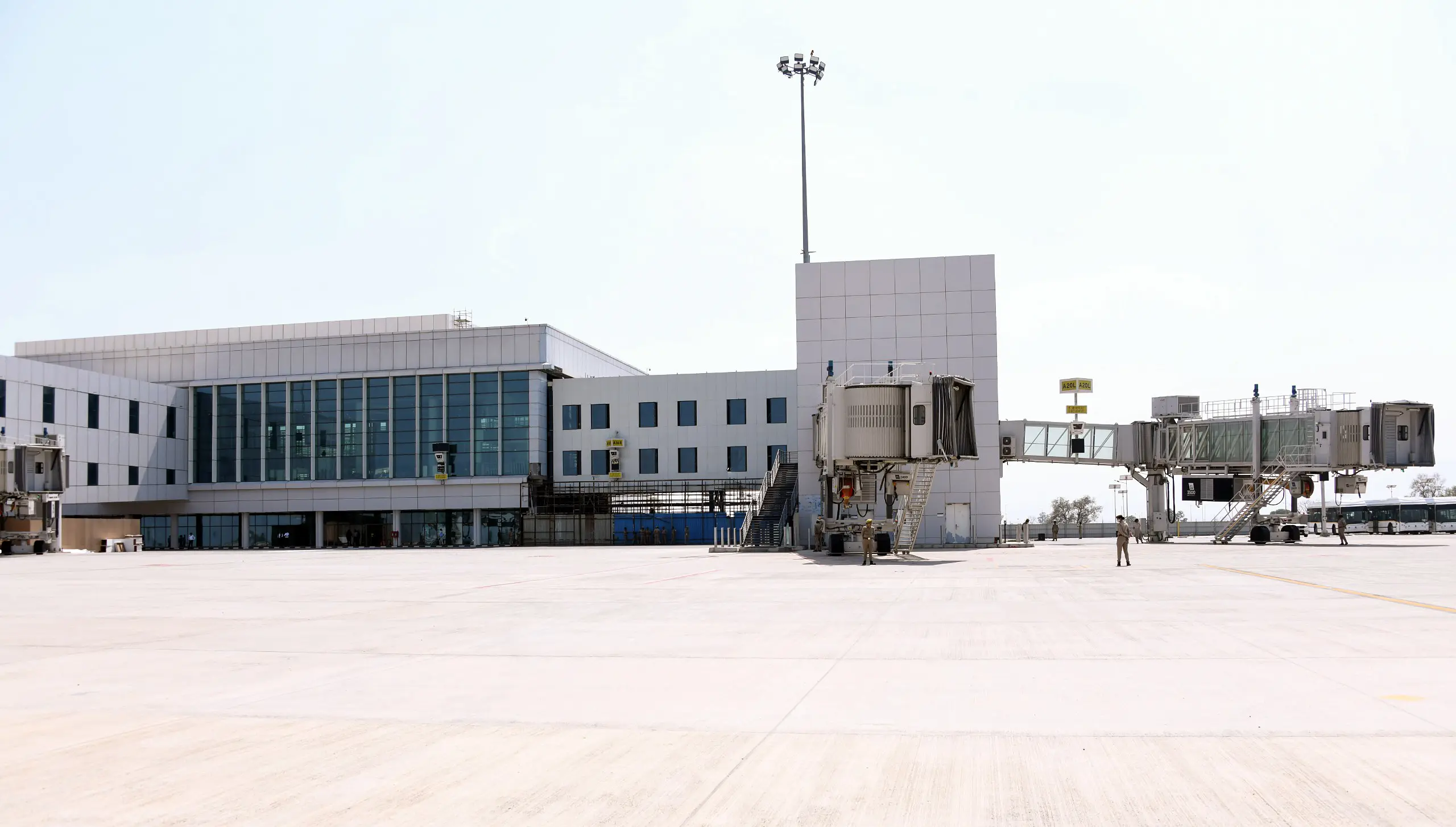
7. Strategic role in NCR aviation
The airport will function alongside Delhi’s IGI Airport as part of an integrated aviation system. It is expected to serve cities such as Noida, Ghaziabad, Meerut, Mathura and Agra, while also improving access to key tourist and pilgrimage destinations.
)
)
)
)
)