No Iran war ceasefire: How truce is violated within hours, from Gulf states to Lebanon and the Strait of Hormuz

We are witnessing a quick unravelling of the Iran–Israel–US ceasefire, if at all one was envisaged. Both sides are ignoring core demands, with Israel's strikes in Lebanon and Iranian attacks on Gulf states. Disruption in the Strait of Hormuz is far from over.
Iran war: neither side is following the other's core demands
The two-week ceasefire in the Iran–Israel–US war appears to be on the verge of collapse, with neither party agreeing to, or abiding by, the 15-point plan of Washington or the 10-point counterplan of Tehran. Within 48 hours after US President Donald Trump announced the conditional truce on 8 April, hostilities continued between Iran and Israel. It was supposed to pause direct US–Israeli strikes on Iran in exchange for the reopening of the Strait of Hormuz and the start of peace talks. The negotiations are reportedly set to take place on Friday in Pakistan’s capital, Islamabad. However, at the time of writing, the truce appears to have already unravelled.
Dead on arrival? Core demands of Iran and the US had divergence
Iran’s 10-point plan included lifting sanctions, retaining control over the Strait of Hormuz, and acceptance of its uranium enrichment for a peaceful nuclear programme. It also called for an end to attacks on allies, including in Lebanon and Yemen, and a withdrawal of US troops from the region. Iran further demanded compensation for aggression and the release of frozen assets. Many of Iran’s demands clashed directly with the US’s reported 15-point plan.
The US plan called for an end to Iran's uranium enrichment, limits on its missile programme, and halt to Tehran’s support for regional proxies. The US also sought full reopening of the Strait of Hormuz for international trade.
Israel’s attacks on Lebanon and Hezbollah violate Iran’s core “end to attacks on allies” demand
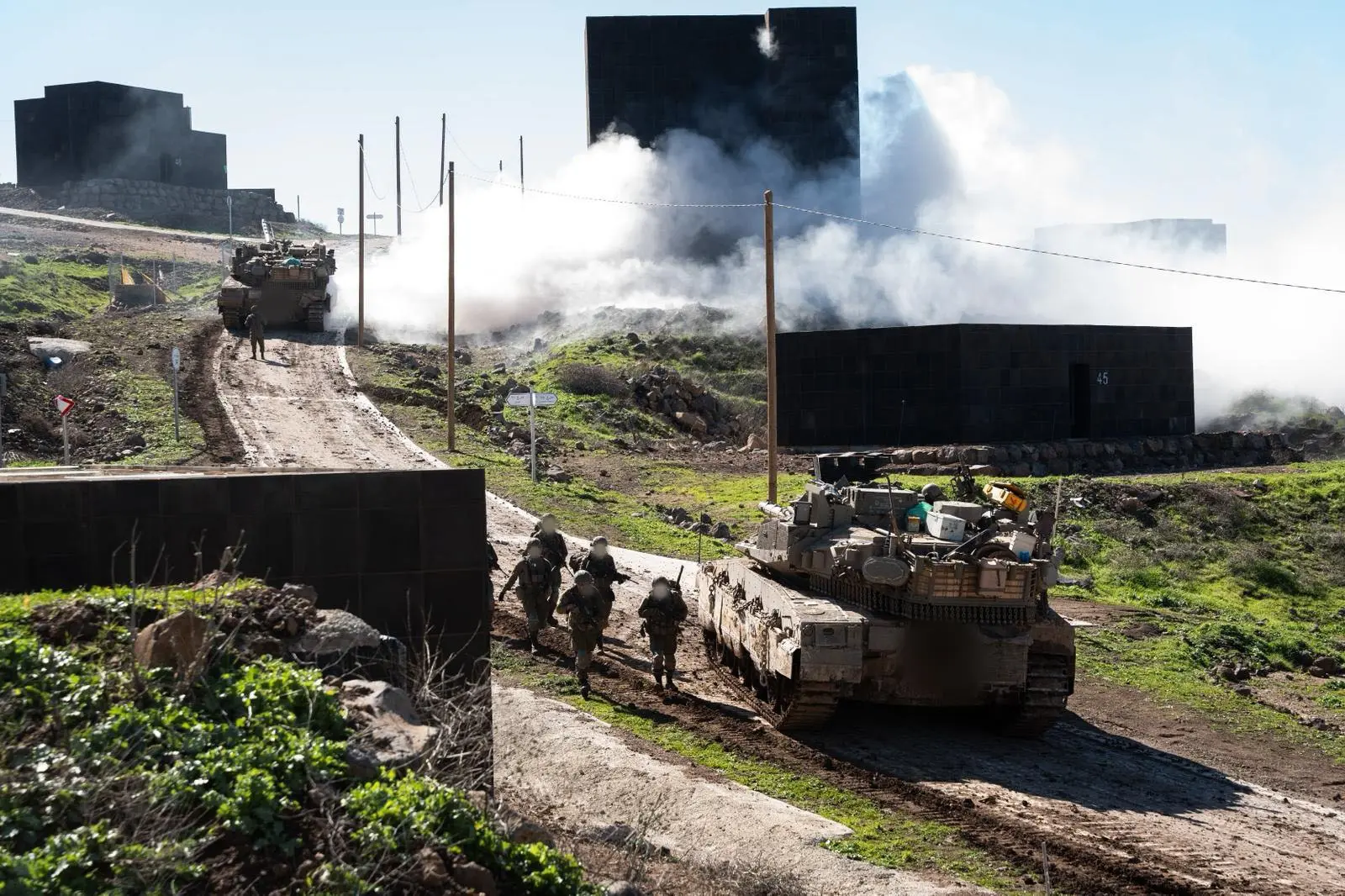
Soon after the truce was announced, Israel stated that it did not cover Lebanon and, by extension, Hezbollah. US messaging appeared to align with this view, whereas some initial statements around the truce suggested Lebanon might be included.
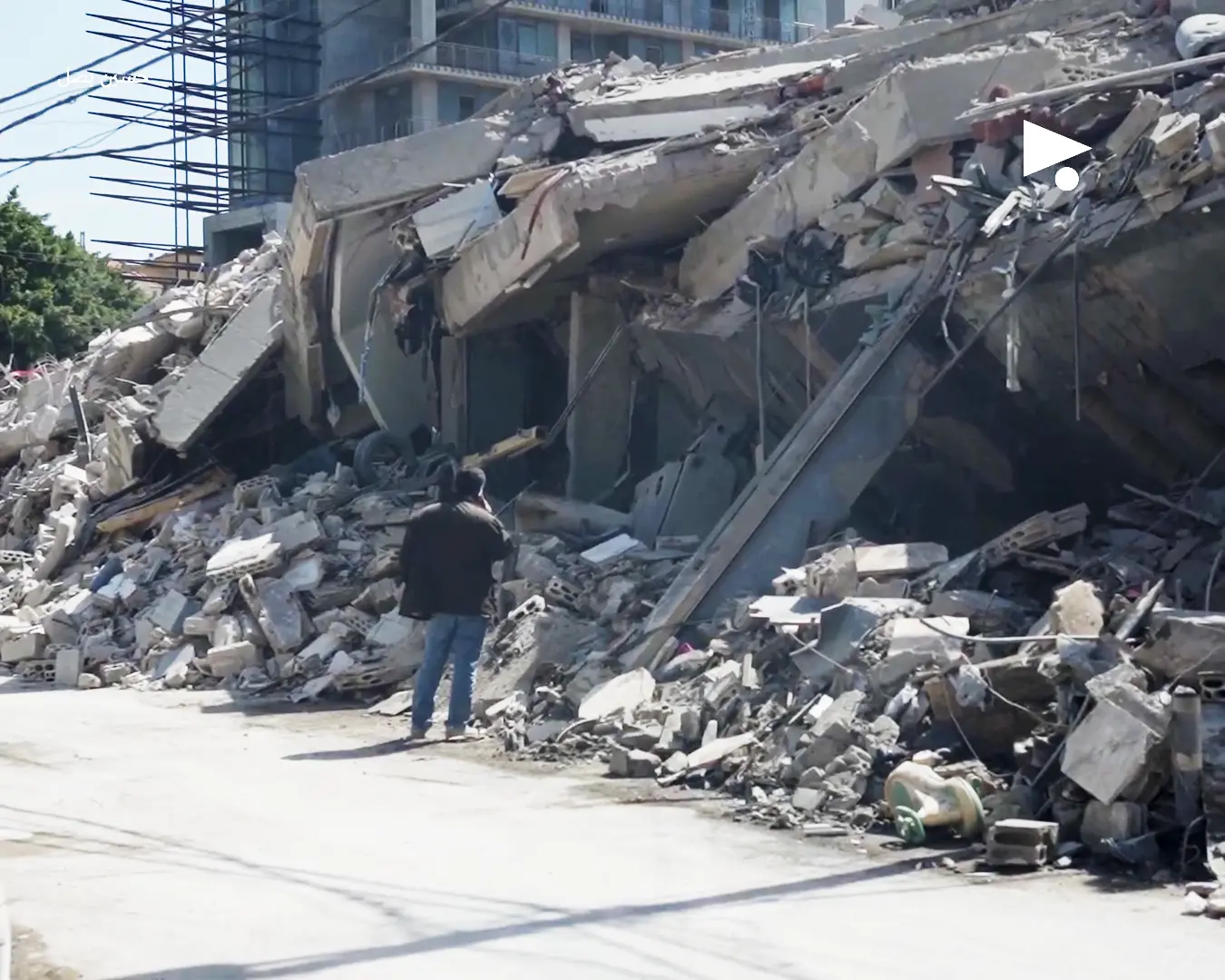
Soon after the ceasefire announcement, Israel struck what it described as Hezbollah targets mainly in southern Lebanon, with reports of dozens of casualties. Iran viewed this as a direct breach of the truce, as its proposal required a full cessation of hostilities “in Iran, Iraq, Lebanon and Yemen” and an end to attacks on its allies.
Iran attacks Gulf states with missiles and drones
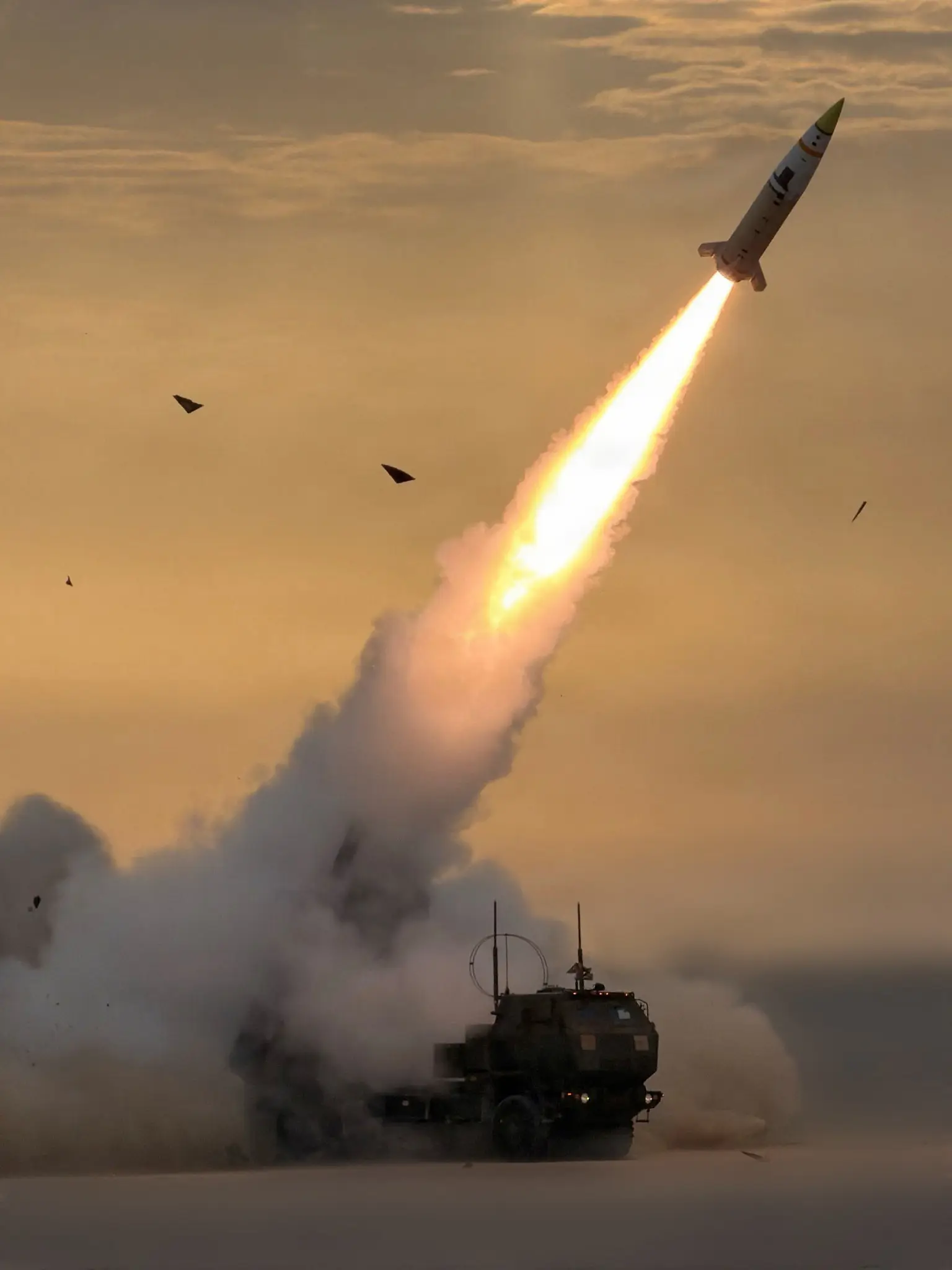
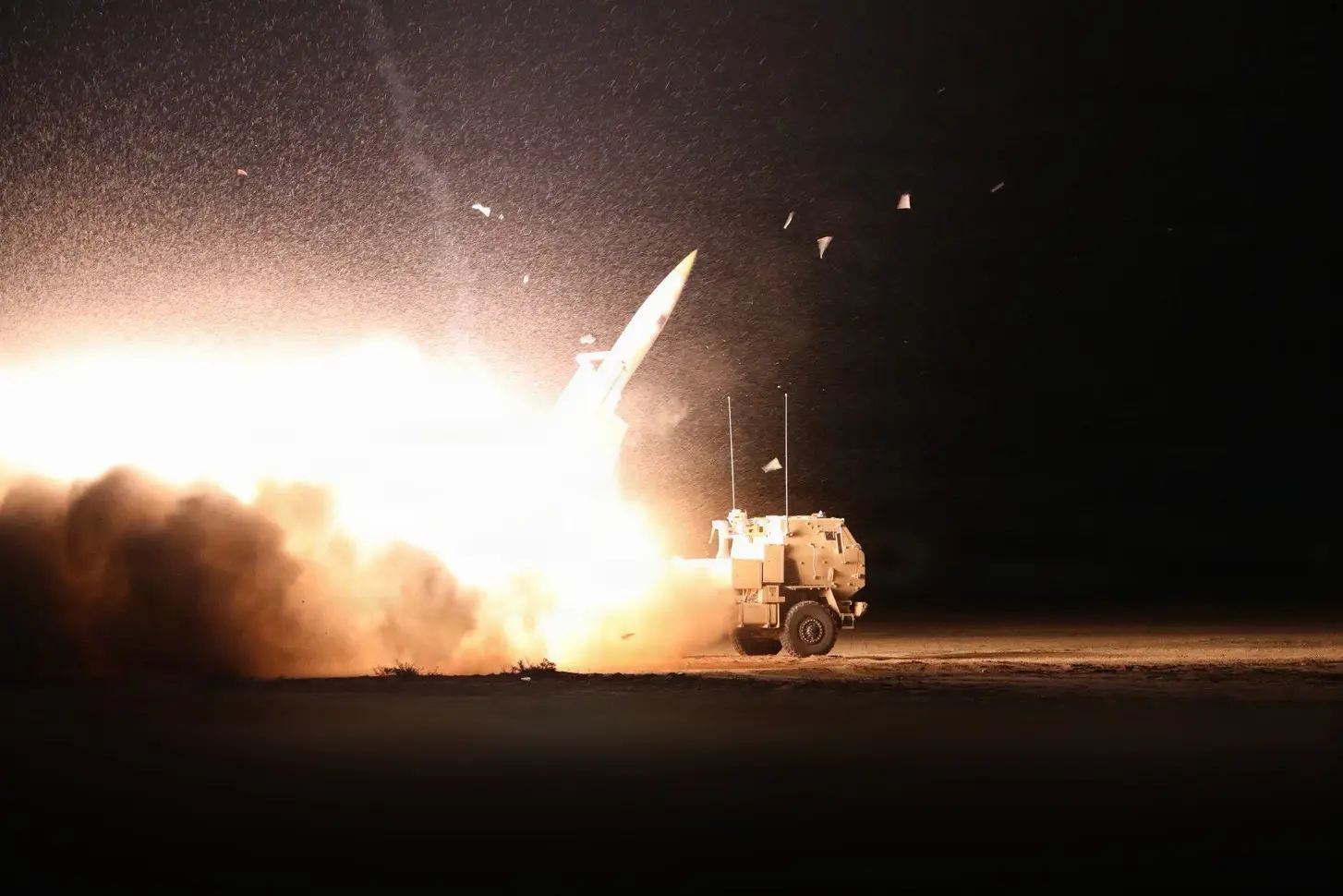
Iran reportedly responded to Israeli actions involving Hezbollah with missile and drone strikes targeting Gulf states such as Saudi Arabia and the UAE, similar to earlier phases of the conflict. Some Kuwaiti oil facilities were also reportedly targeted. This followed Iranian accusations of “continued war via Israel” by the US.

Strait of Hormuz operations being suspended
With no end in sight to the conflict, Iran reportedly suspended Strait of Hormuz operations. This would breach US demands for unrestricted international passage. Iran had initially appeared open to controlled passage coordinated by its armed forces, potentially including transit fees, but the situation appears to have reverted to disruption of Hormuz transit.
Iran’s reported plan to charge passage fees through the Strait of Hormuz to fund reconstruction would likely be unacceptable to Gulf states, which rely on the waterway and could view such measures as economic coercion.
No real agreement on Iranian nuclear enrichment
A key sticking point remains Iran’s nuclear programme. Iran has insisted on retaining its enrichment programme, alongside full lifting of sanctions and release of frozen assets.
The US position, however, rejects the prospect of Iran developing nuclear weapons and seeks verifiable limits on its nuclear and missile programmes. This remains a central impasse in any negotiations.
Iran continues to support proxies
Iran is continuing its support of regional groups such as Hezbollah, something the US position seeks to halt. Israel’s continued operations in Lebanon and the absence of any US military withdrawal indicate both sides remain entrenched.
)
)
)
)
)