'No heat, no exhaust': Scientific anomaly at the heart of military's new infrared UFO footage

A strictly scientific breakdown of why the lack of thermal exhaust in the May 22 UAP infrared videos completely baffles aerospace engineers and physicists.
The Thermal Signature Anomaly
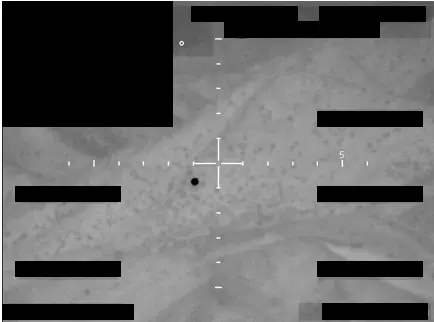
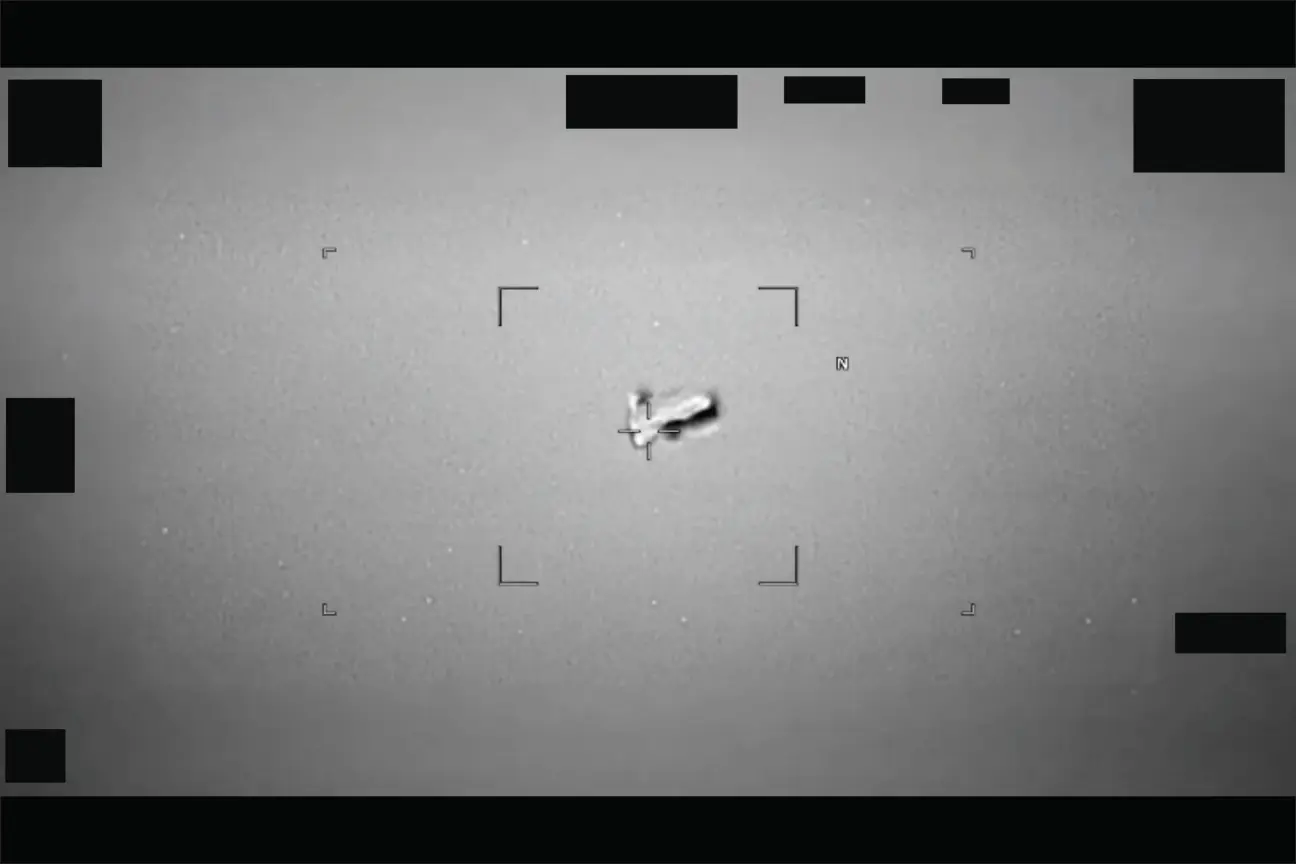
The most baffling aspect of the 51 videos released on May 22 isn't the shape of the objects, but what is missing: heat. The military-grade infrared sensors show craft moving at high speeds with absolutely zero thermal exhaust.
How Infrared Targeting Works
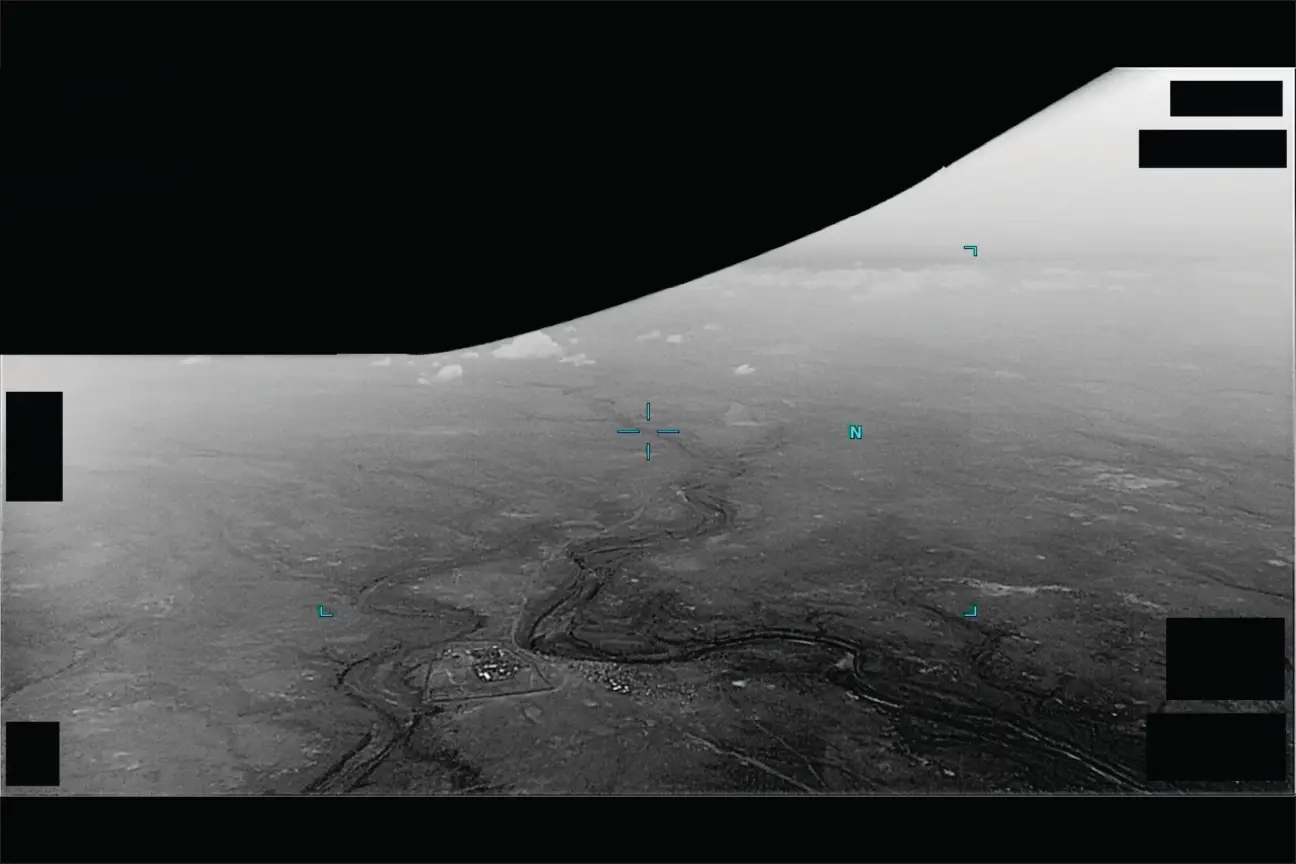
Military targeting pods are designed to lock onto heat signatures. A conventional jet engine or rocket booster creates a massive, blinding heat plume on infrared. The UAPs in the videos register as completely cold.
Defying Known Propulsion
To accelerate or hover in Earth's atmosphere, known physics requires the expulsion of mass (like jet fuel), which generates intense friction and heat. The lack of a thermal plume indicates a propulsion system unknown to modern science.

The 'Cold' Acceleration Problem
In several videos, the objects suddenly accelerate to supersonic speeds without generating a heat signature or creating a sonic boom, violating basic thermodynamic principles of atmospheric friction.

Ruling Out Drones
This thermal anomaly allows scientists to definitively rule out conventional adversary drones. Even battery-powered commercial quadcopters generate a distinct heat signature from their electric motors, which these objects lack.

Anti-Gravity Speculation
The lack of heat and exhaust forces physicists to hypothesize theoretical propulsion models, such as localized gravitational distortion or warp drives, which wouldn't interact with the atmosphere in a conventional way.
A Paradigm Shift in Physics
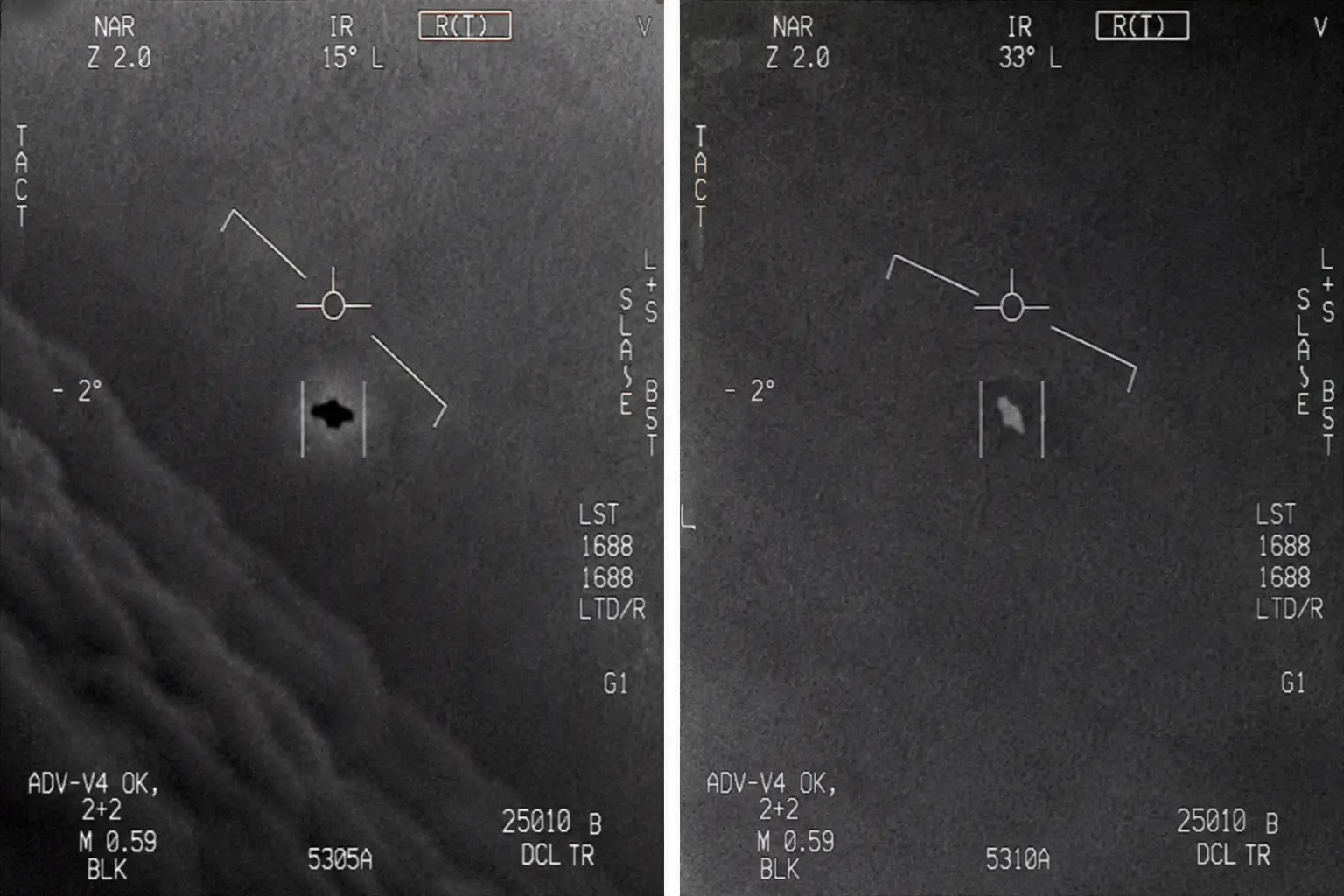
If the infrared sensor data is accurate, the May 22 release isn't just a military curiosity; it represents definitive proof of a paradigm-shifting breakthrough in theoretical physics and energy generation.
)
)
)
)
)