No DRS, Box TVs, and No iPhone: The last time Zimbabwe played in India, the world looked like this

Zimbabwe last played against India in India in March 2002, 24 years ago, and the world looked completely different then. With the two teams set to meet in a crucial Super 8 match in Chennai on Thursday (Feb 26), let’s look at five advancements in cricket's screening experience.
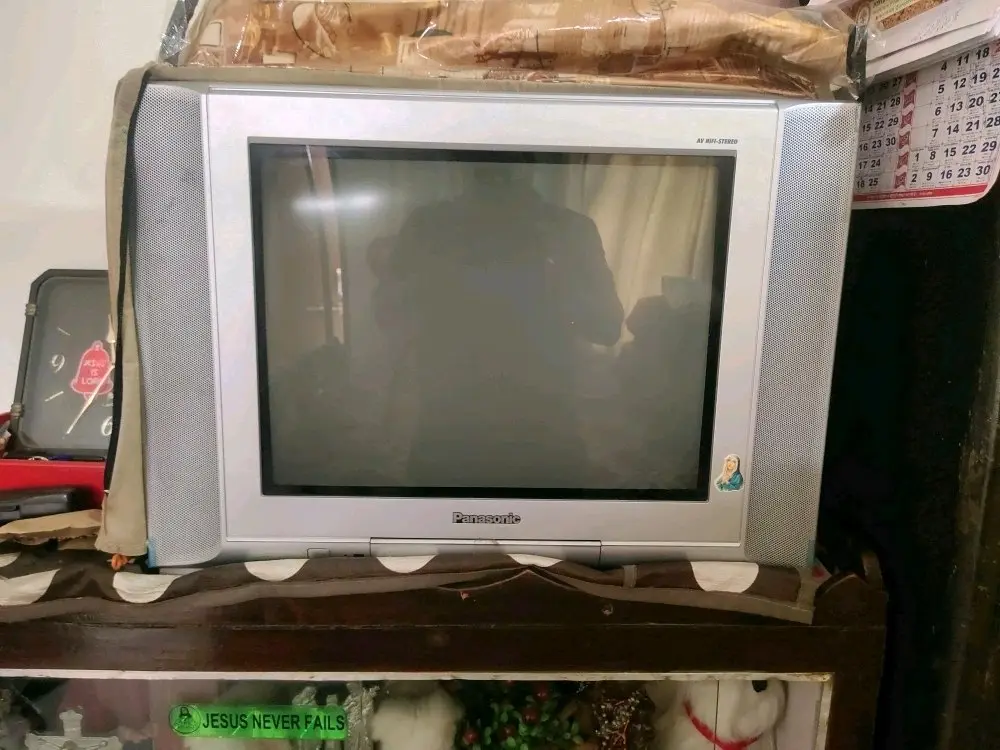
From Box TVs to 4k Streaming
The technology has advanced massively in the past 24 years. The fans, who used to enjoy cricket on bulky CRT televisions in standard definition, can now cherish the screening experience in 4K Ultra-HD, being able to watch it on TVs and mobile phones.
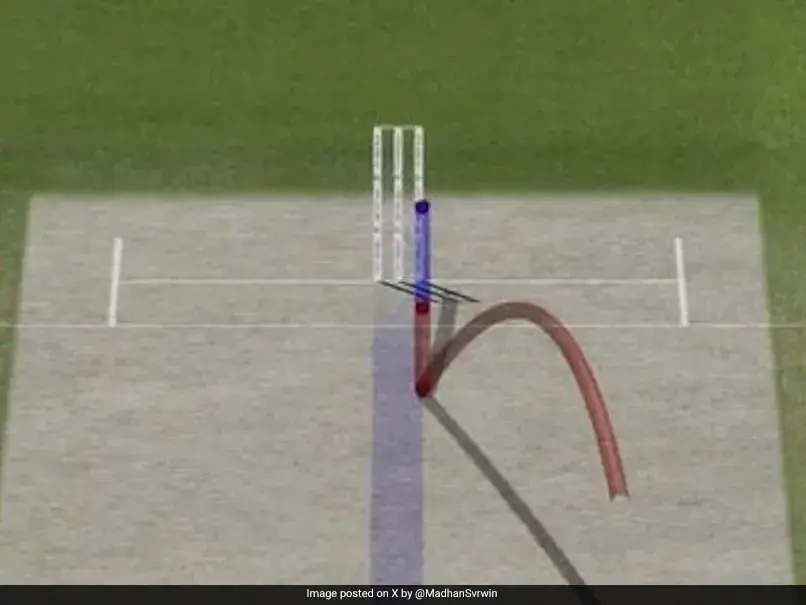
Introduction of DRS
While cricket didn’t have the Decision Review System (DRS) in 2002, it now controls several facets of decision-making in today’s cricket, also featuring Hawk-Eye (ball-tracking), Ultra Edge (sound) and Hotspot (heat imaging), making cricket almost error-proof.
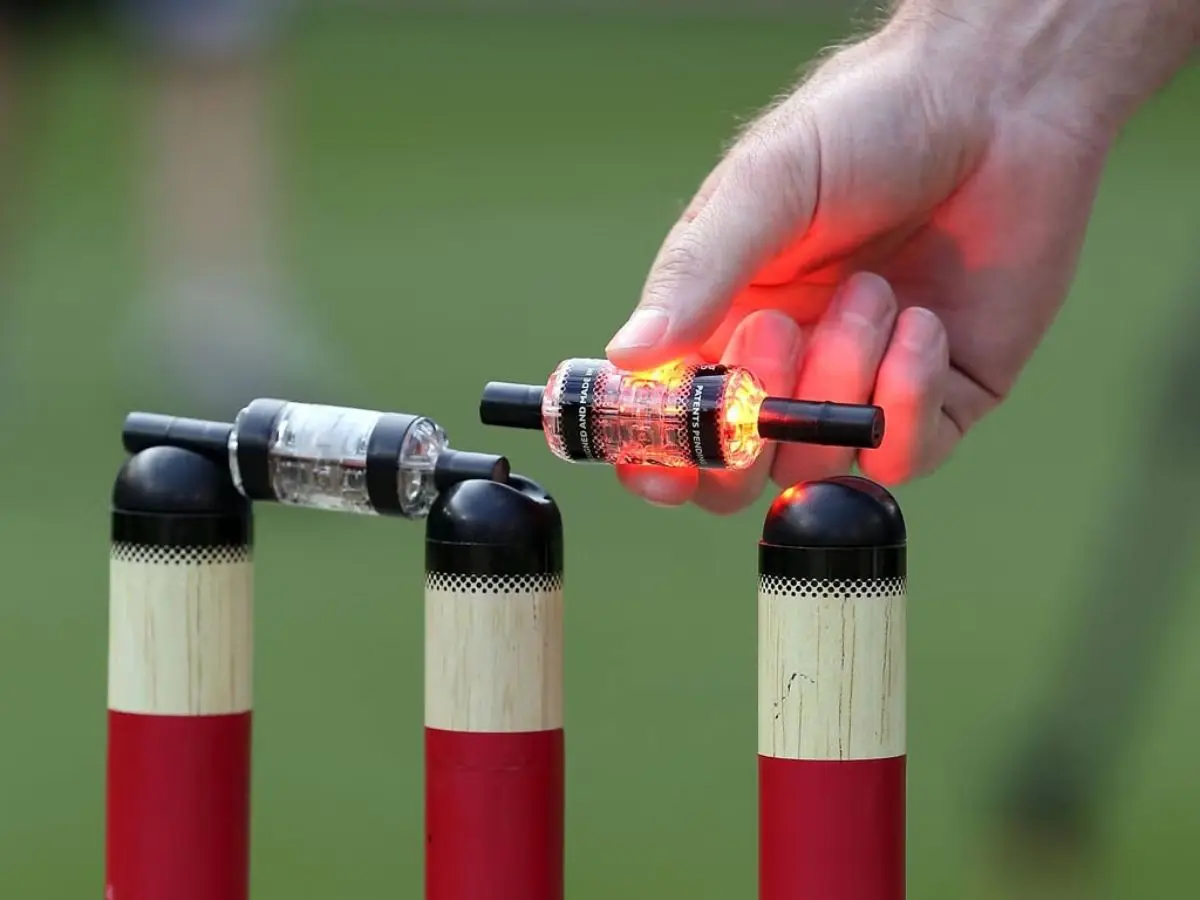
LED wickets, spider and stump cams
Back in 2002, only wooden wickets, the ones used since the game’s inception, were used; however, with time's advancement, cricket started using wickets with flashing LEDs. The introduction of spider and stump camps also elevated the watching experience for cricket fans worldwide.
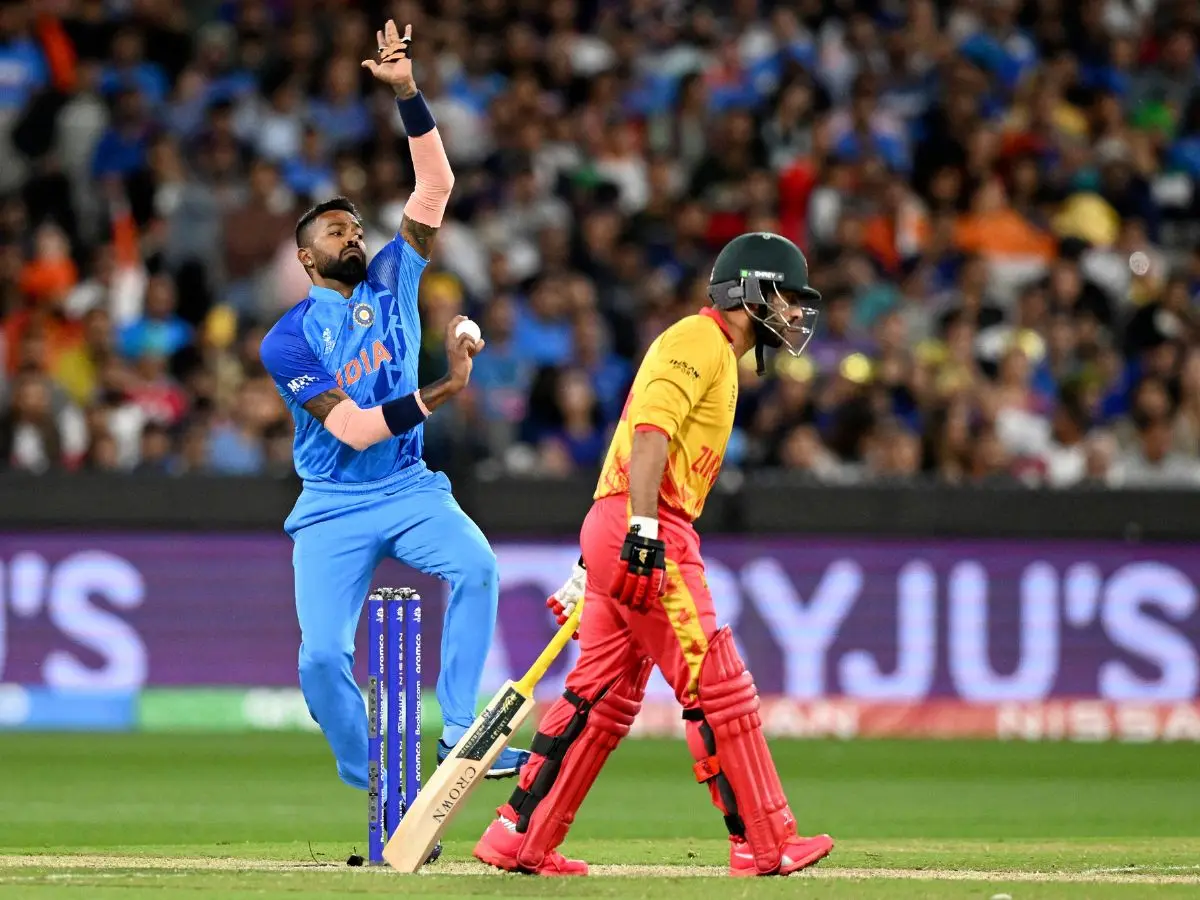
Welcome T20 cricket
While Tests and One-Day cricket were the only two formats played in March 2002, the introduction of 20-20 cricket changed the game’s dynamics, helping it reach a larger audience and engagement. India vs Zimbabwe in Chennai in February 2026 will be played in the newest format.
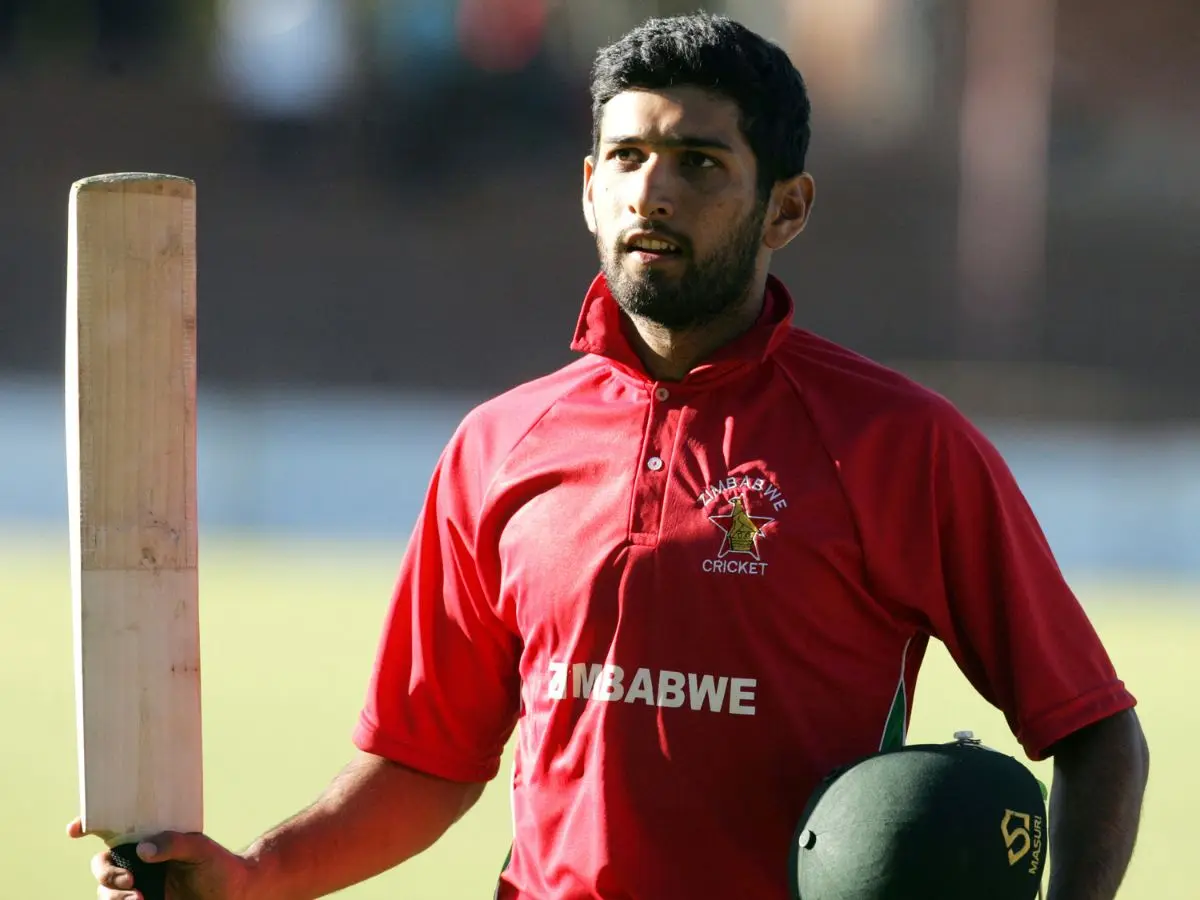
What were the team captain’s doing in 2002?
While the current Indian T20I captain Suryakumar Yadav was just 12 years old in March 2002, Zimbabwe’s Sikandar Raza had just moved from Pakistan to Zimbabwe at the age of 16 as his father was relocated there.
)
)
)
)
)