No Diet Day 2026: Rethinking diet culture, embracing body positivity

International No Diet Day, observed on 6 May, promotes body positivity and discourages harmful diet culture. The day is an opportunity to highlight healthy lifestyle choices and the risks of restrictive dieting.
No Diet Day
International No Diet Day, observed annually on 6 May, is an initiative aimed at promoting body positivity and diversity. It invites the world to take a break from ‘diet culture’ and rethink healthy, wholesome food practices.
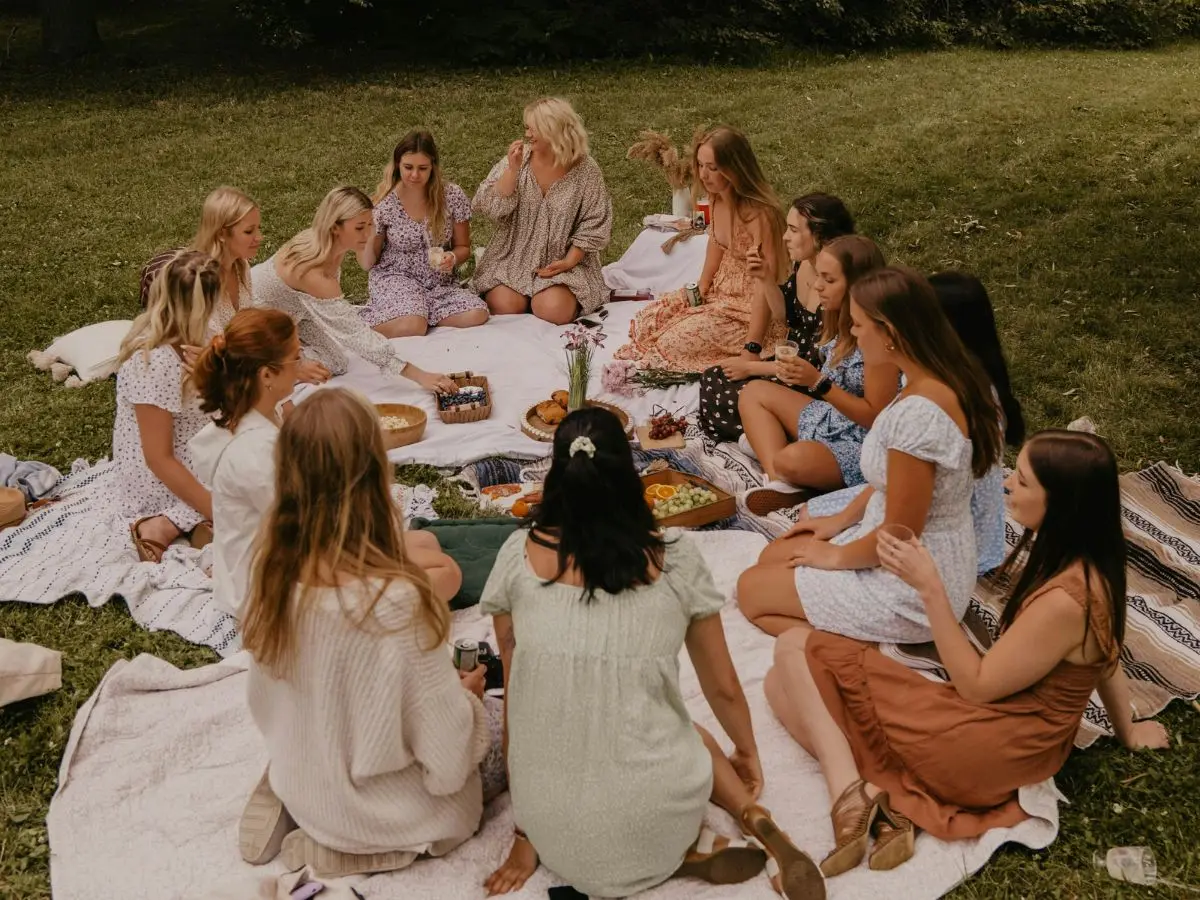
How did it start?
Mary Evans Young, a British feminist, drawing on her experience of anorexia and bullying, invited women to “Ditch that Diet” with a picnic in 1992. The day soon gained traction and started being celebrated globally as a “No Diet Day”.
Aimed at body positivity
The initiative is part of the broader body positivity movement, challenging unrealistic standards and a manufactured, unattainable body image. The day also raises awareness about mental health challenges linked to weight stigma and discrimination.
Mental health links
Restrictive dieting and diet culture are major risk factors for body dysmorphia and disordered eating patterns. These are also associated with low self-esteem, anxiety and depression.
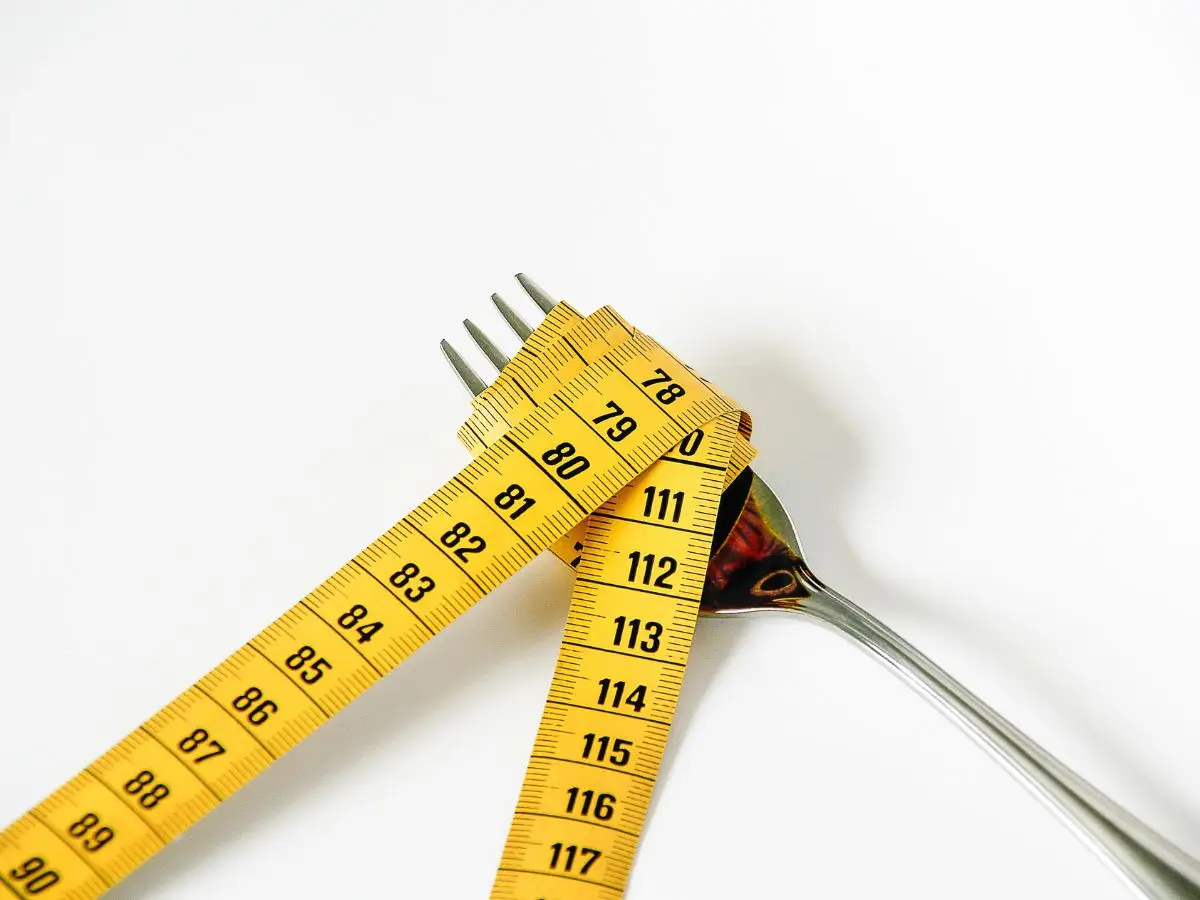
What not to do today?
Stop counting the calories. Fad dieting plans often cut out entire food groups or impose severely low-calorie limits. Experts suggest such diets may bring short-term weight changes but can have negative consequences on physical and mental health.
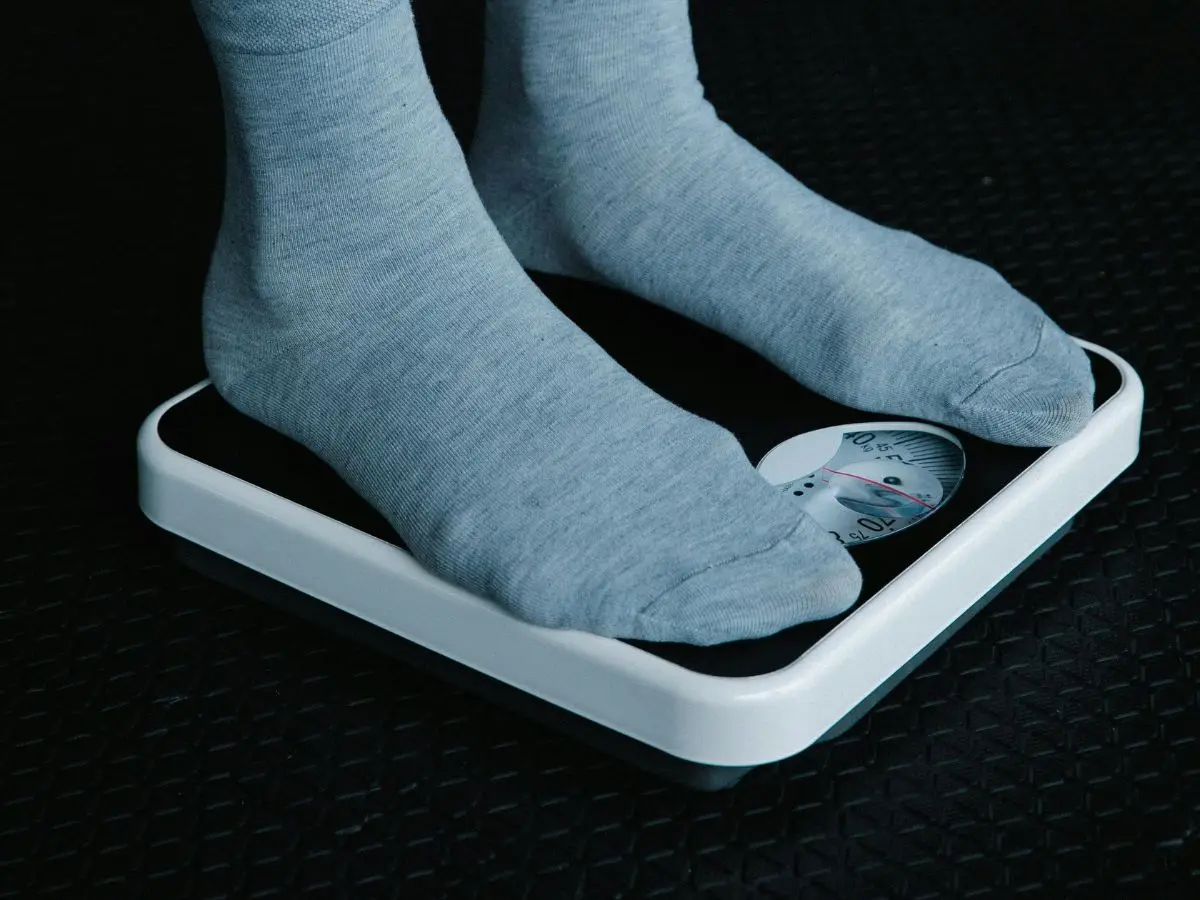
Ditch the scale
Today, put the weighing scale aside. Eat your favourite meal and don’t engage in self-criticism. Unfollow social media accounts that promote toxic diet-culture or promise instant weight loss. Celebrate your body, not for how it looks, but for all that it does.
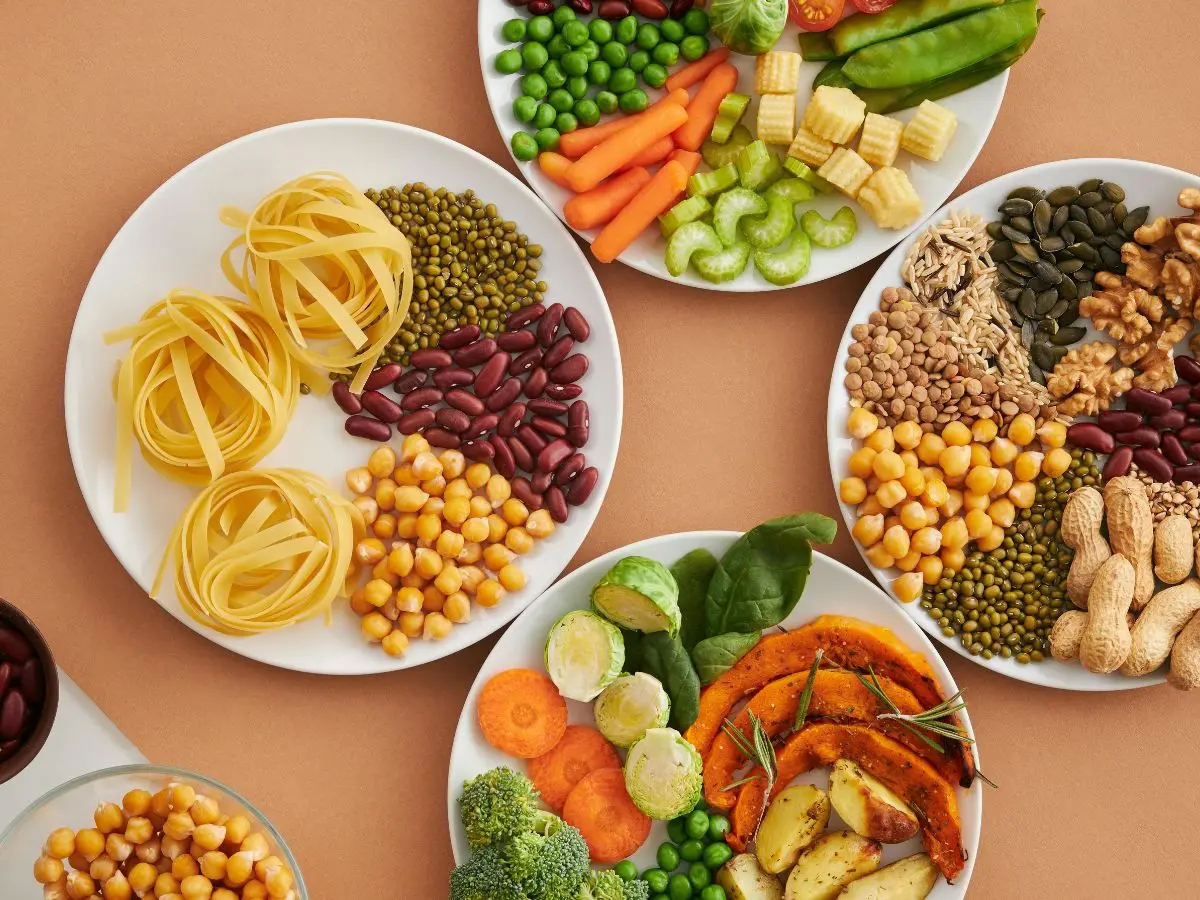
Sustainable habits
The day highlights the need for education around sustainable food practices. It encourages shifting the focus from appearance to overall health, forming a healthy relationship with food. This includes building balanced meal plans, incorporating regular movement such as walking or dancing, and getting adequate sleep.
)
)
)
)
)