No AC required? India's 3,000-year-old method can cut house heat by up to 50% naturally, study finds

Terracotta, used since the Indus Valley Civilisation, cools spaces through evaporation via its porous structure. Now revived in modern construction, let's understand how the traditional technology works to make the roof cooler during the scorching heat.
Traditional air conditioner
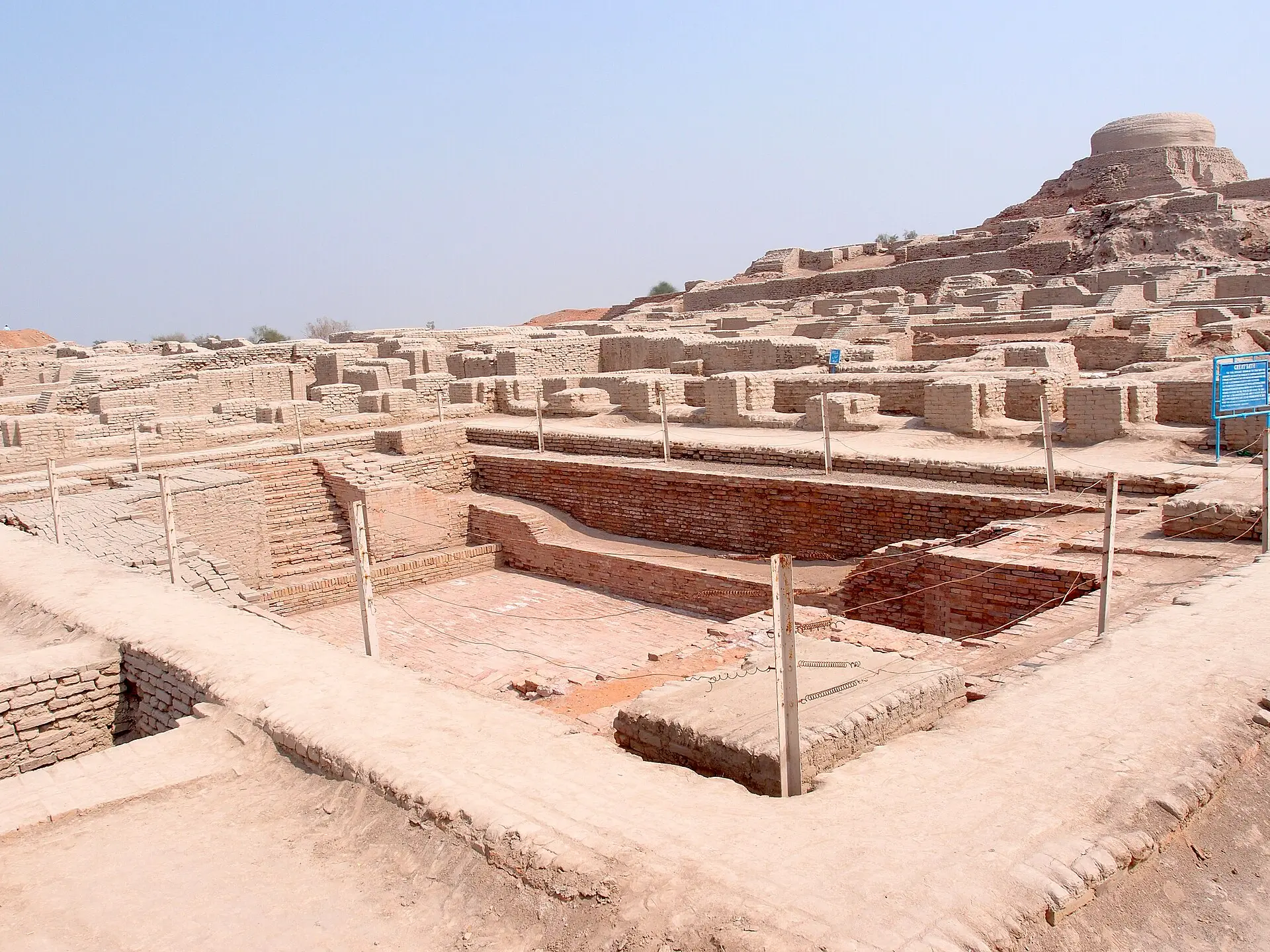
Long before air conditioners came into existence, India had already developed traditional and natural ways to keep their homes cool during the extreme heat by using terracotta, a natural material have been existed in the household for thousands of years. The technique traces its roots back to over 3,000 years old Indus Valley Civilisation of the Bronze Age. During that age, the use of terracotta vessels was widely prominent for storing water.
What is the Science behind terracotta cooling
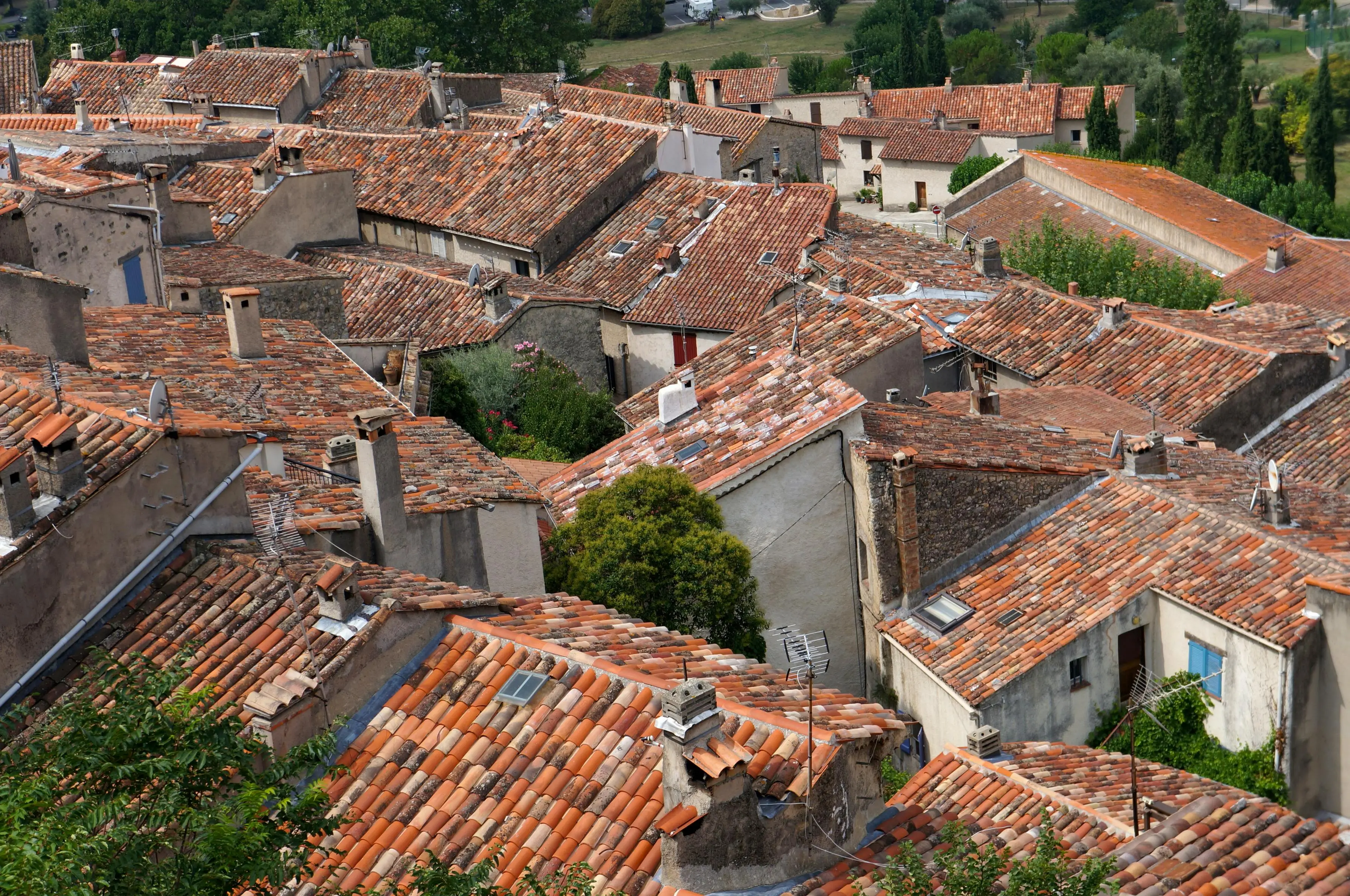
Terracotta’s cooling ability comes from its porous structure. Tiny pores in the material allow water to slowly seep through, and as it evaporates, it absorbs heat from the surface, creating a cooling effect. This process works much like sweat cooling the human body, making terracotta a natural, energy-free way to regulate temperature, as noted by Adithya Pradyumna from Azim Premji University.
Revival
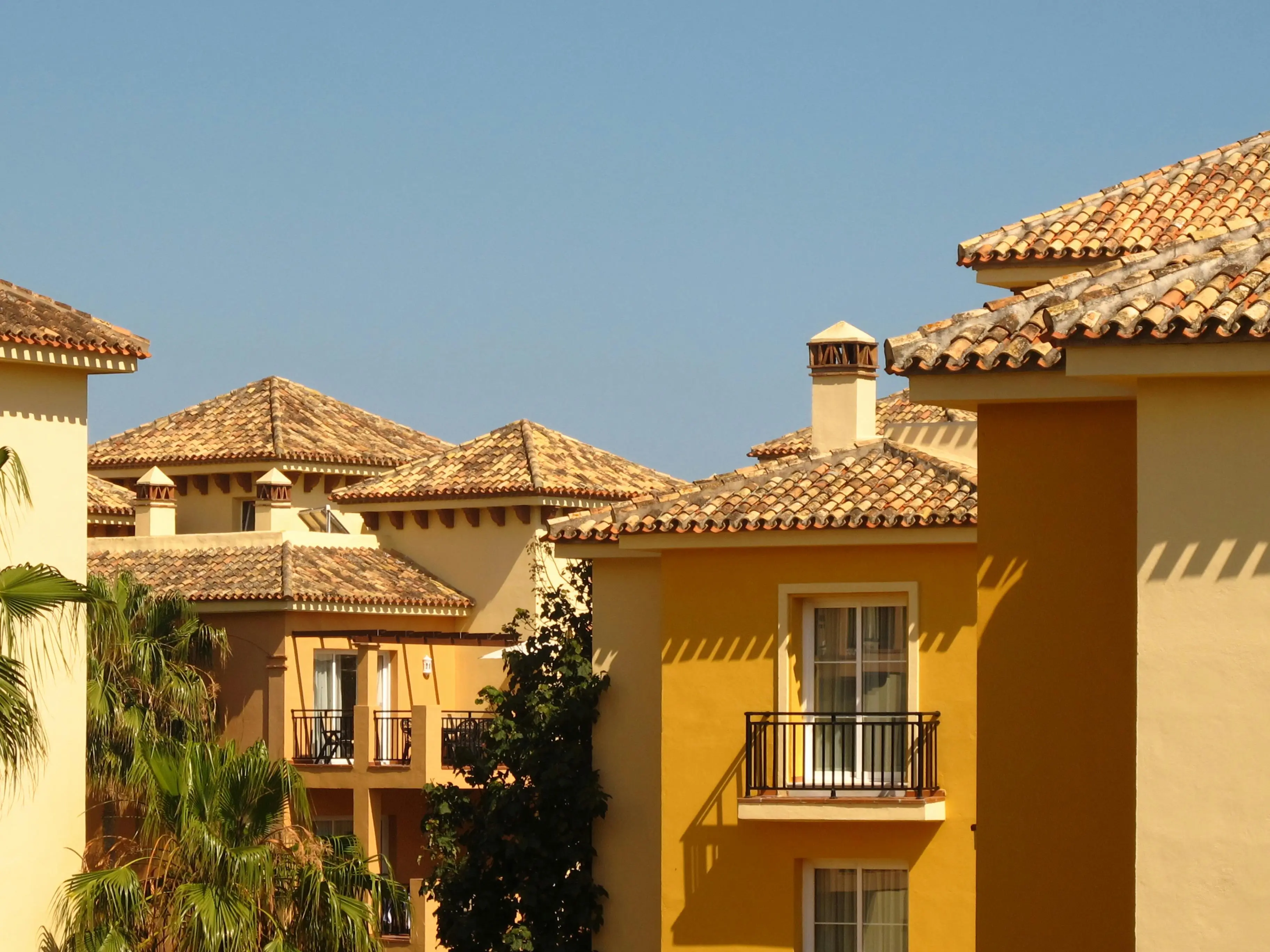
This traditional technique is now being rediscovered in modern architecture. Builders are reintroducing clay-based solutions, including the “filler slab” method, where terracotta pots are embedded into roofs. Placed upside down within the roof before concrete is poured, the pots create hollow air pockets once the slab sets.
Comfort for all seasons
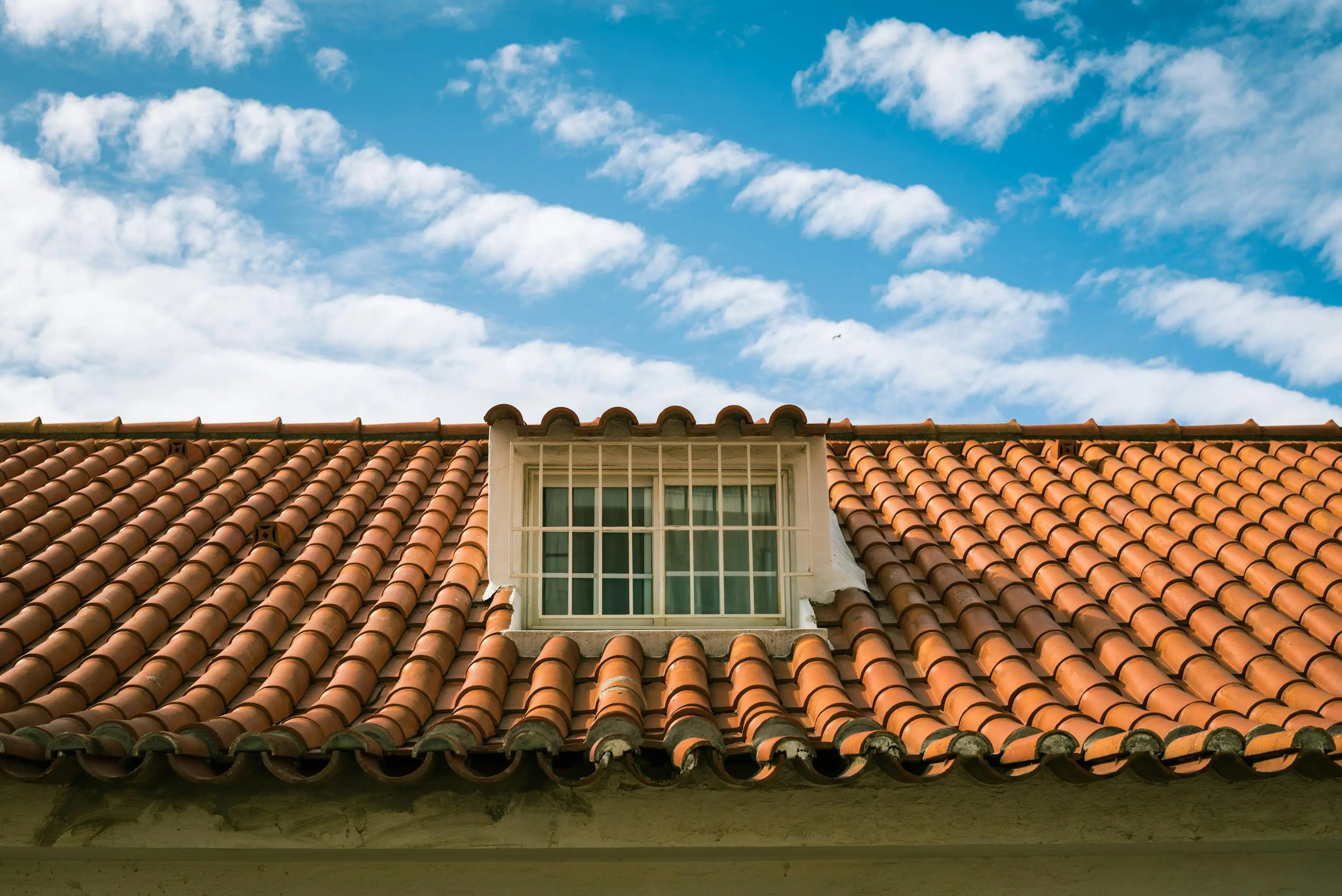
Homes constructed using this technique can see indoor temperatures drop significantly, sometimes by up to 50 per cent. Beyond improved comfort, the reduced heat lessens dependence on air conditioning, cutting electricity use and environmental impact while saving costs over time. This dual advantage ensures a stable indoor climate year-round, showing how traditional methods can still provide effective and eco-friendly solutions today.
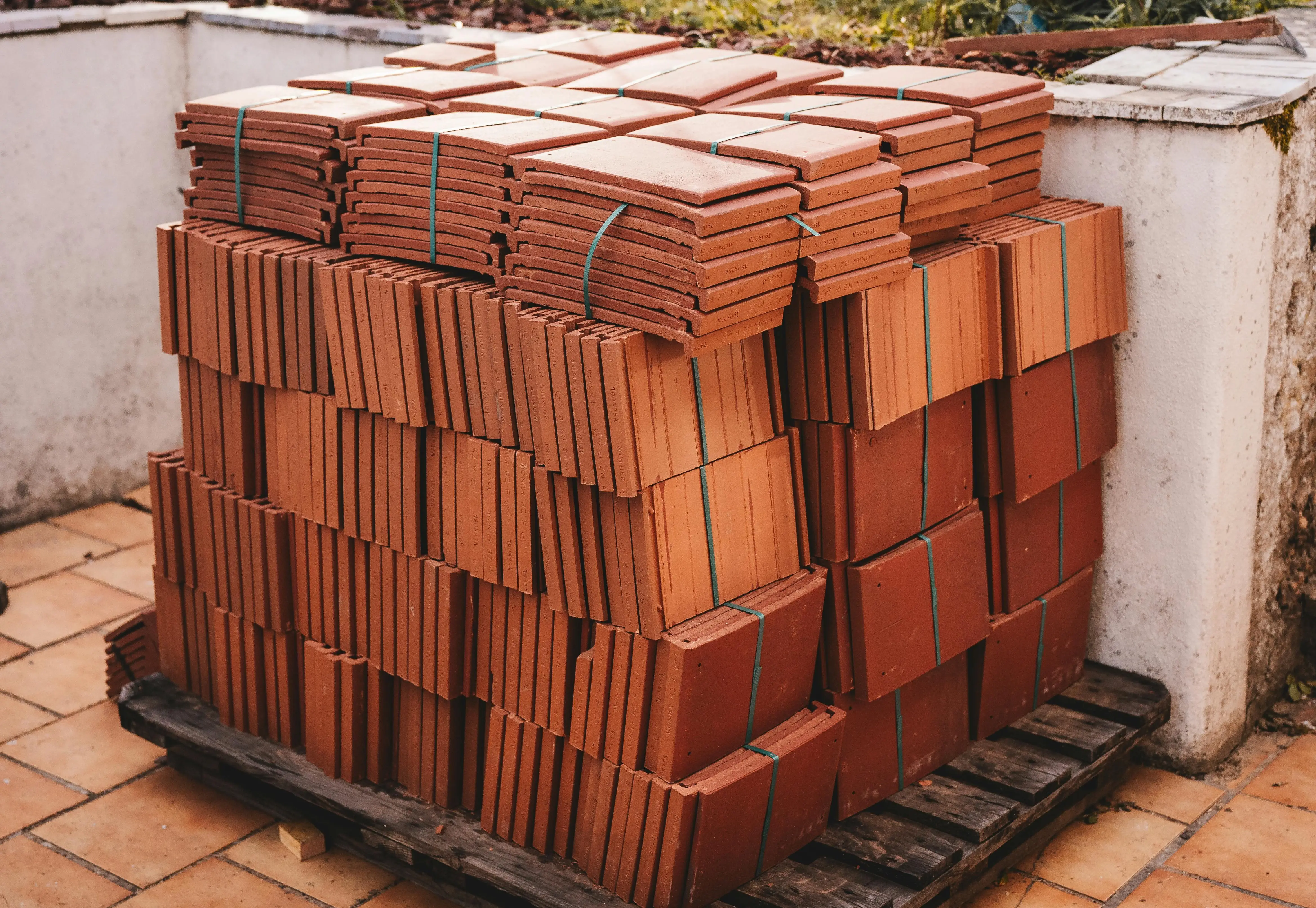
What is Terracotta?
Terracotta, translating to "baked earth" from Italian, is a natural, porous, clay-based earthenware that is typically crafted from natural earth, which is moulded into shape and then hardened at low temperatures (600 degrees Celsius to 1000 degrees Celsius). It is characterised by its reddish-brown colour, caused by high iron content reacting with oxygen, and is commonly used for pottery, gardening pots, sculptures, and architectural tiles. It keeps the surface cool because of its porous, breathable nature and the physics of evaporation.
)
)
)
)
)