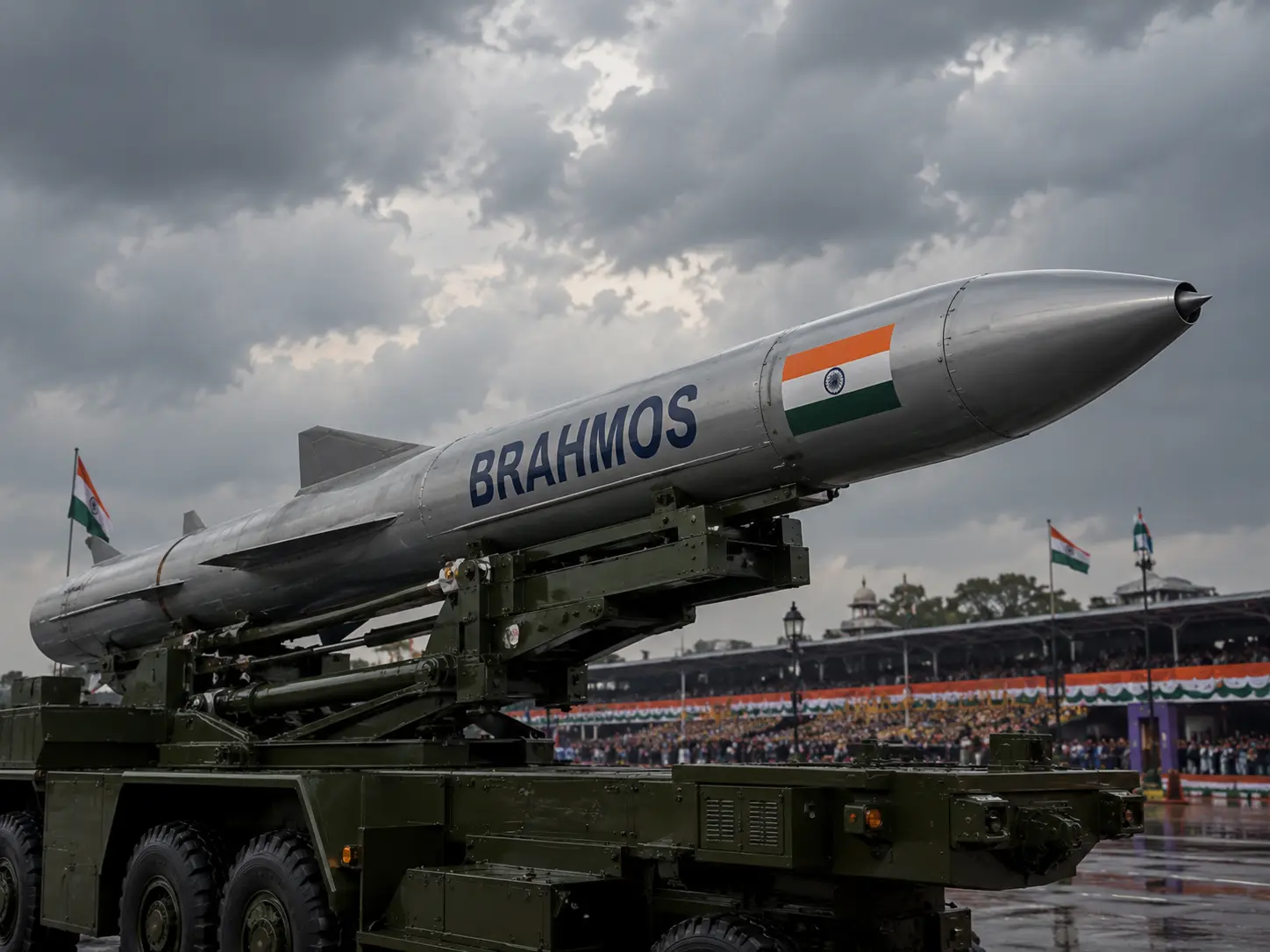
Nightmare for the enemy: This futuristic technology makes BrahMos missile unique

The BrahMos supersonic cruise missile is one of the most deadly weapon systems on the planet. With recent upgrades focusing heavily on indigenous technology, it now features advanced navigation chips, steep-dive capabilities, and domestic rocket boosters, making it a nightmare for the enemy.
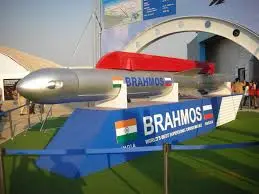
The world's fastest cruise missile
According to BrahMos Aerospace, it operates at blistering speeds of up to Mach 3, making it nearly impossible to intercept. It can strike land and sea targets from 450 kilometres away, giving enemy air defences practically no time to react.
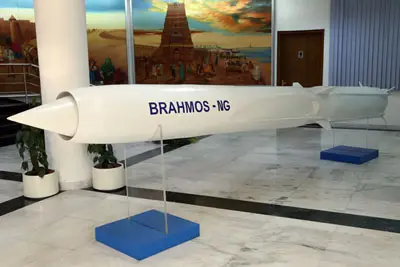
Advanced indigenous navigation
The Defence Research and Development Organisation (DRDO) has integrated the Indian-made G3OM chip into the missile. This tiny 17-gram module combines multiple satellite networks, providing a deadly targeting accuracy of less than five metres.
Steep dive for mountain warfare
The advanced Block III variant of the missile is designed explicitly for complex mountain warfare. Official reports confirm the weapon can perform a steep dive from high altitudes to precisely strike enemy targets hidden behind geographic barriers.
Achieving manufacturing self-reliance
In June 2026, BrahMos Aerospace reached a massive milestone by delivering its 100th fully domestic solid rocket booster. By completely replacing Russian imports, India has successfully scaled up local production to six units a month.
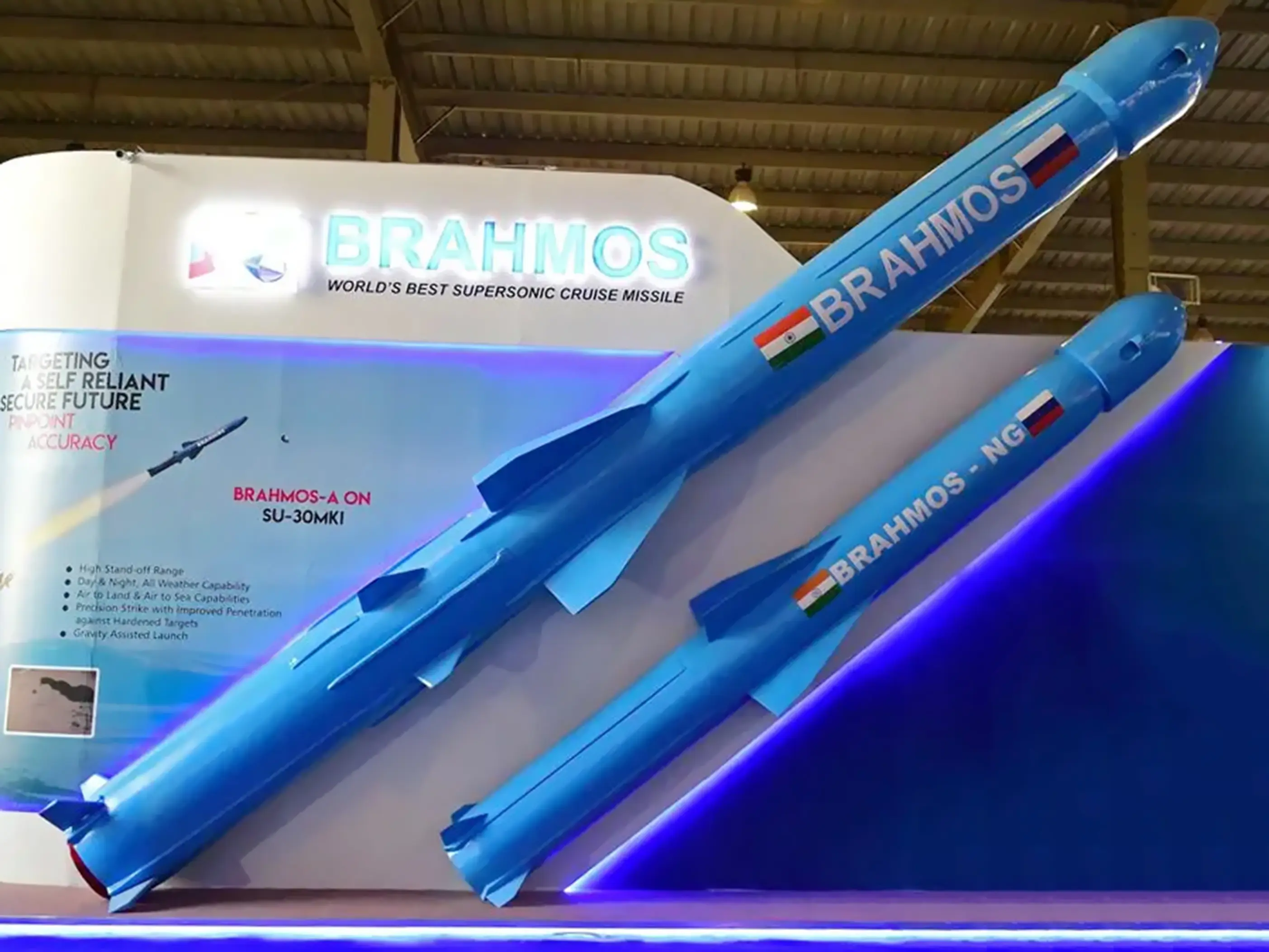
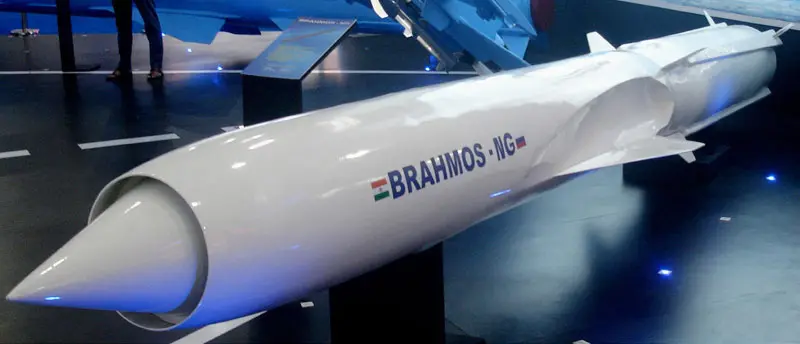
The future BrahMos-NG variant
Indian and Russian recently confirmed the development of the BrahMos Next Generation (NG) missile. Expected by 2028, this lighter, stealthier version will feature AI-level guidance and integrate seamlessly with indigenous jets like the Tejas.
)
)
)
)
)