‘Night driving’: Does avoiding the hot summer sun save fuel?

Night driving in summer saves fuel. Cooler, denser air improves engine combustion, while a reduced air conditioning load offsets the minor energy used by headlights.
100 Per Cent Denser Air
Hot summer air is less dense and contains lower oxygen levels, which forces car engines to work harder. Driving at night provides cooler, denser air to the engine. This allows the fuel to burn more efficiently and generate better torque per combustion stroke.
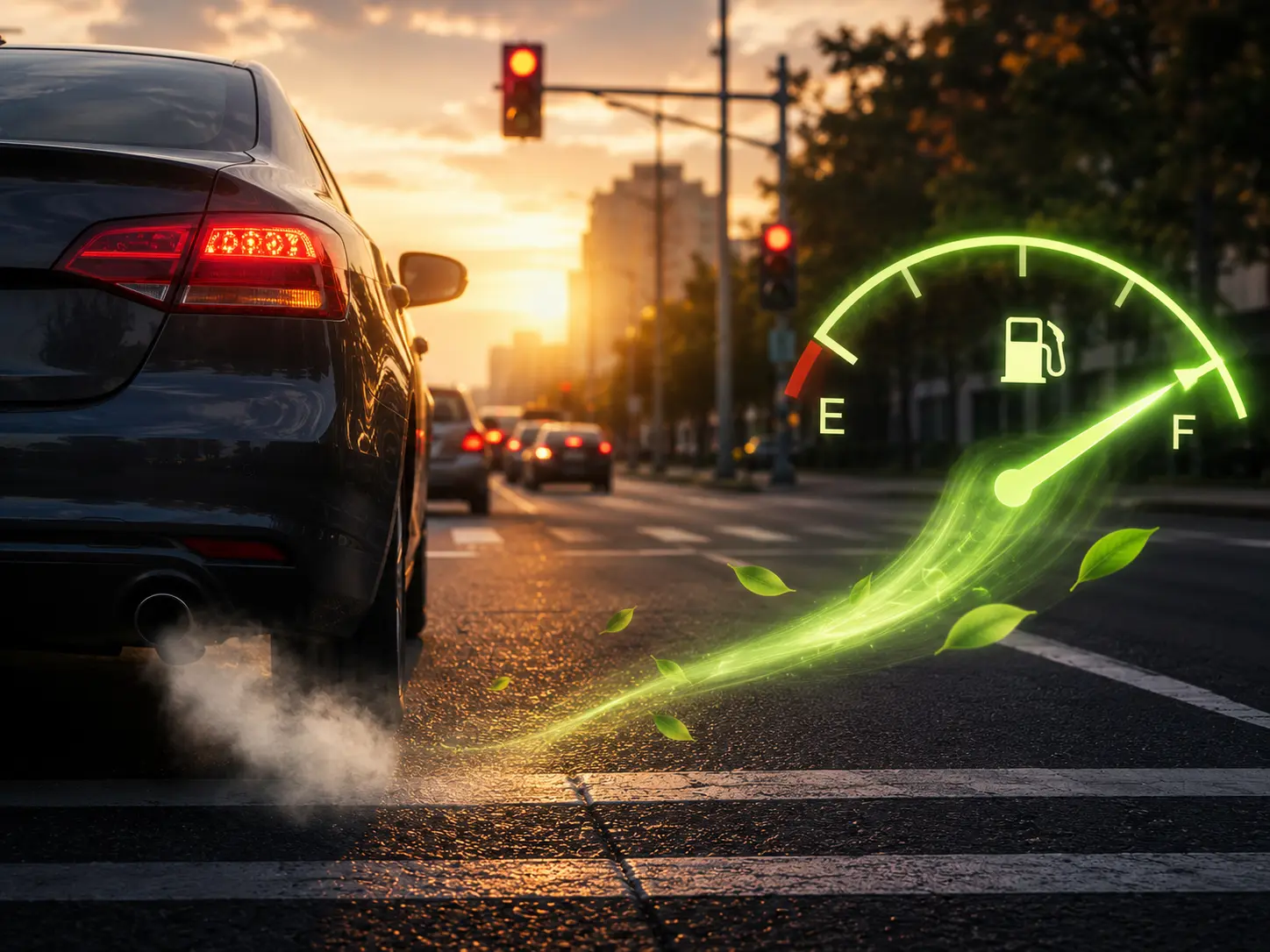
Save 20 Per Cent Fuel
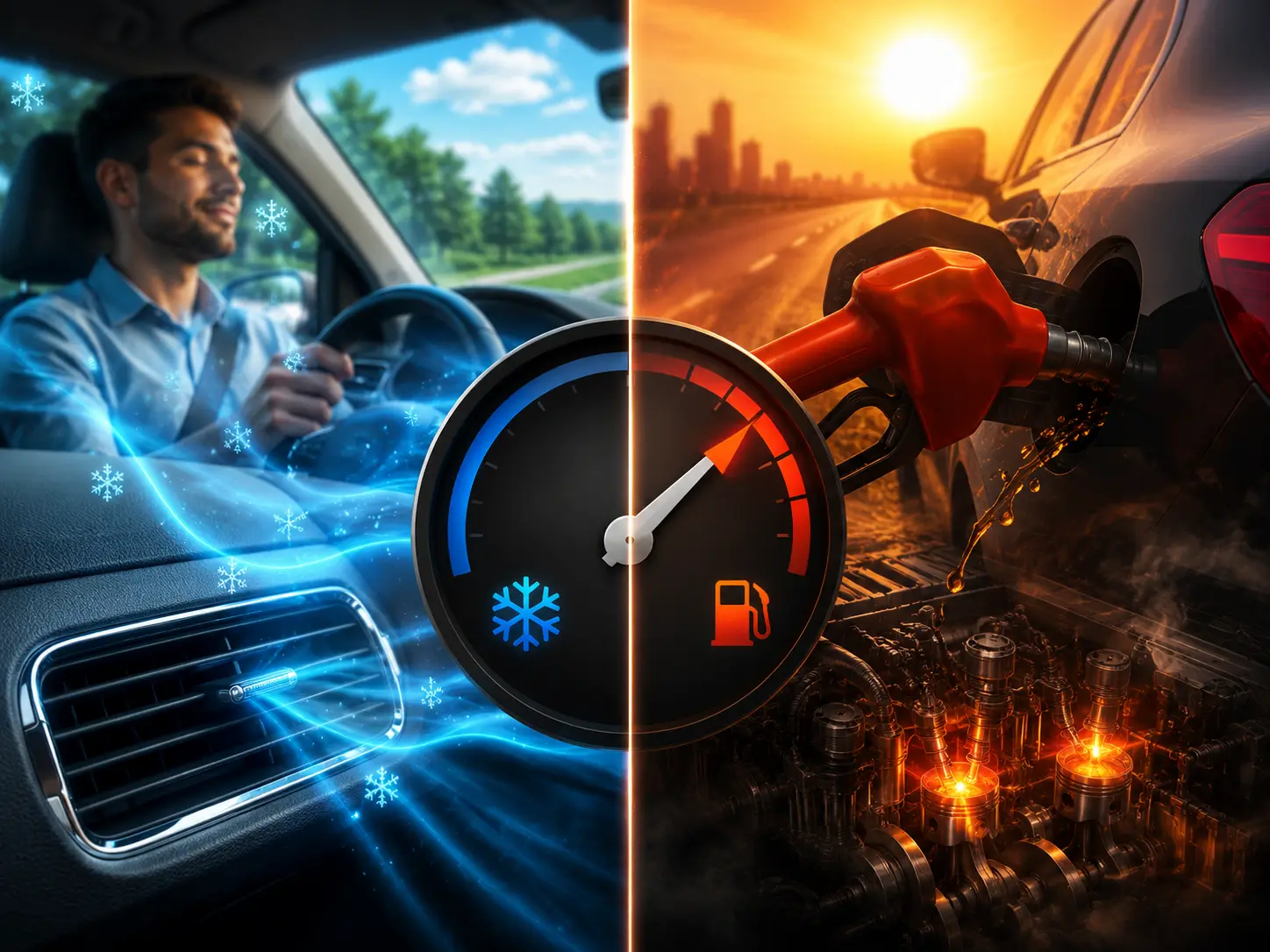
The most significant drain on fuel during daytime driving is the continuous use of the air conditioning system. Night driving naturally lowers the cabin temperature, allowing drivers to reduce the fan speed or turn off the system entirely. This simple step visibly improves fuel economy.
25 Per Cent Compressor Load
A car air conditioner runs on a compressor powered directly by the engine, creating a heavy mechanical load. During peak heat, this compressor runs continuously at full capacity to cool the interior. Switching it off at night can reduce overall fuel consumption by up to 25 per cent.
Zero Window Drag Penalty
Rolling down windows during the day to save fuel creates aerodynamic drag at high speeds, which pulls the car backwards. Night driving allows windows to remain up without the extreme heat build-up. This keeps the vehicle streamlined while avoiding the heavy fuel penalty of open windows.
Lower City Traffic Loss
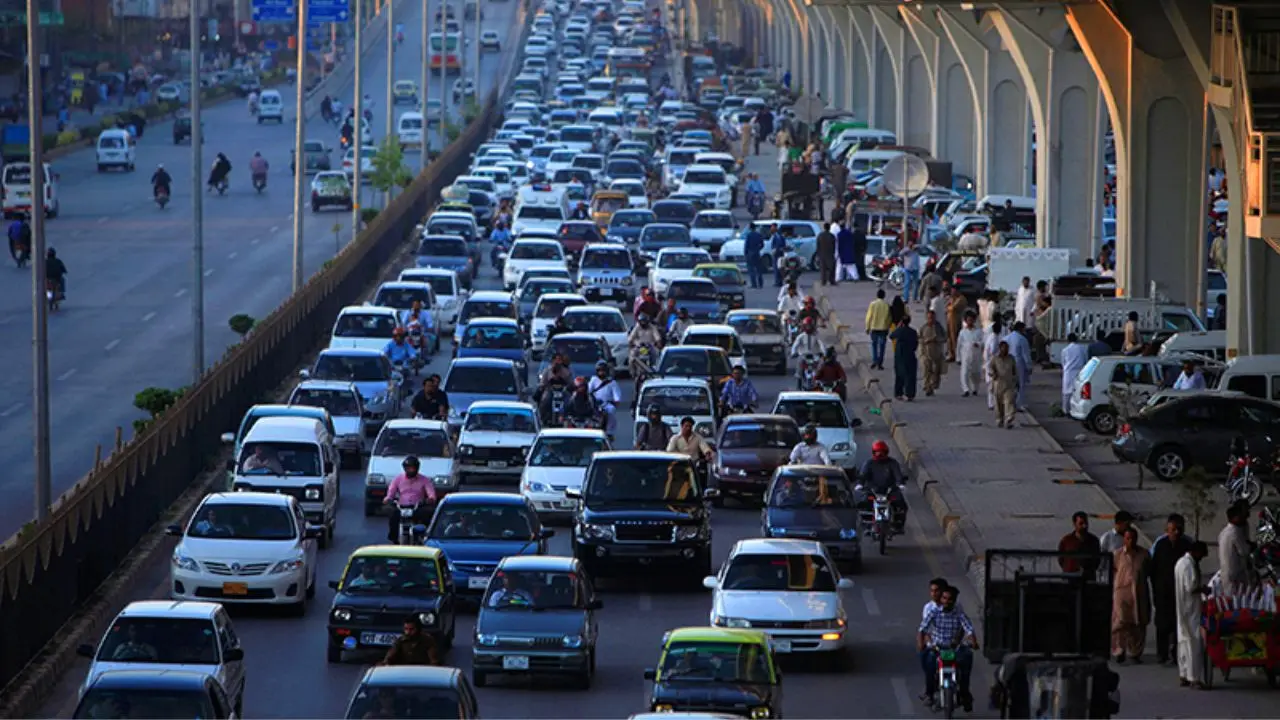
Daytime summer driving often involves navigating through congested city traffic under direct sunlight. Idling in traffic with the air conditioner on maximum cooling burns a high volume of fuel. Night driving generally avoids both the heavy traffic and the associated cooling demands.
Optimal Fuel Mixture Burns
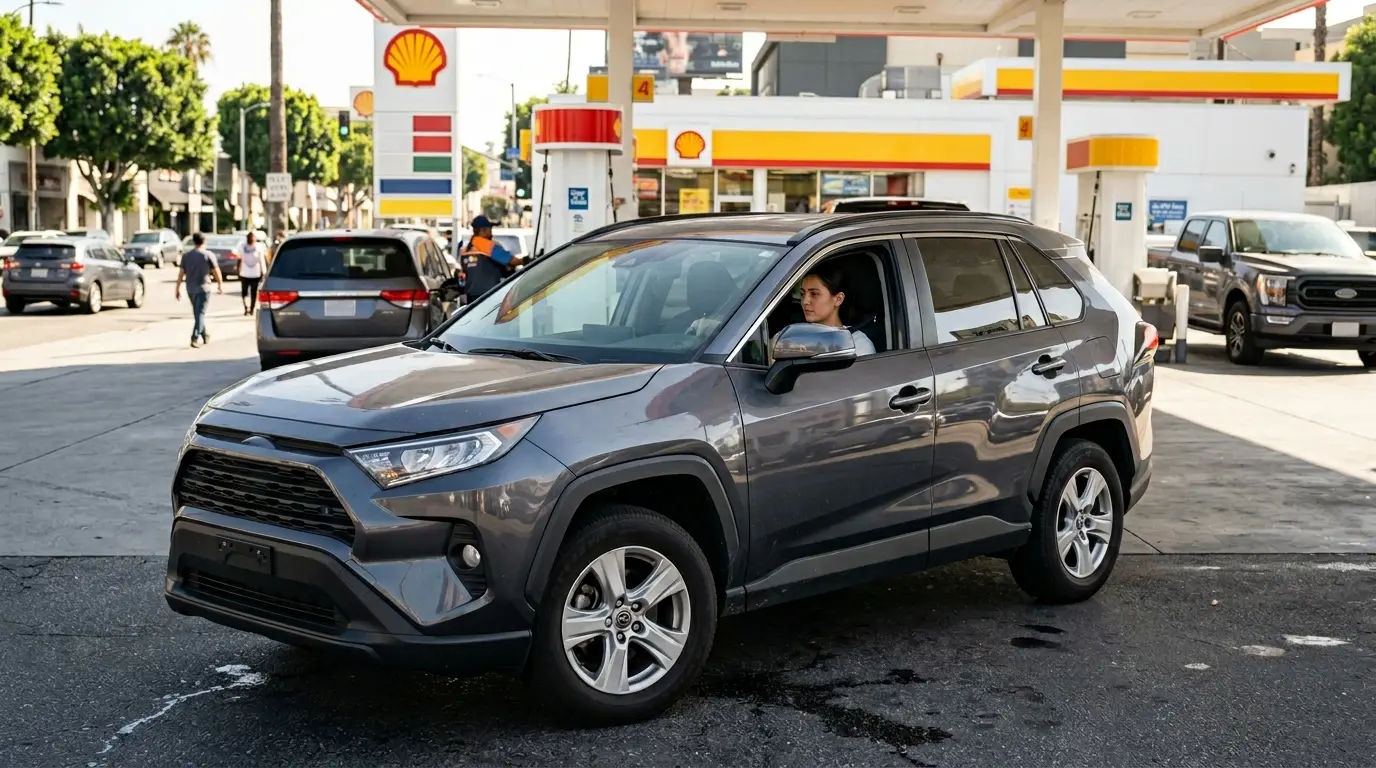
Modern engines constantly adjust the air and fuel mixture for optimal combustion. Cooler nighttime temperatures provide an ideal environment for this mixture, reducing the amount of fuel needed for the same power output. The physical properties of cooler air simply make internal combustion easier.
1 Per Cent Electrical Load
Driving at night requires the constant use of headlights and interior dashboard lights. The electrical load from these components is extremely small compared to the mechanical load of an air conditioning compressor. The fuel saved from avoiding daytime heat far outweighs the energy used by headlights.
)
)
)
)
)