Next-generation space stations: How many countries are racing to replace the ISS?

This transition marks a pivotal moment in space exploration, with several countries and companies stepping up to fill the void left by the ISS.
The Shifting Landscape of Low Earth Orbit
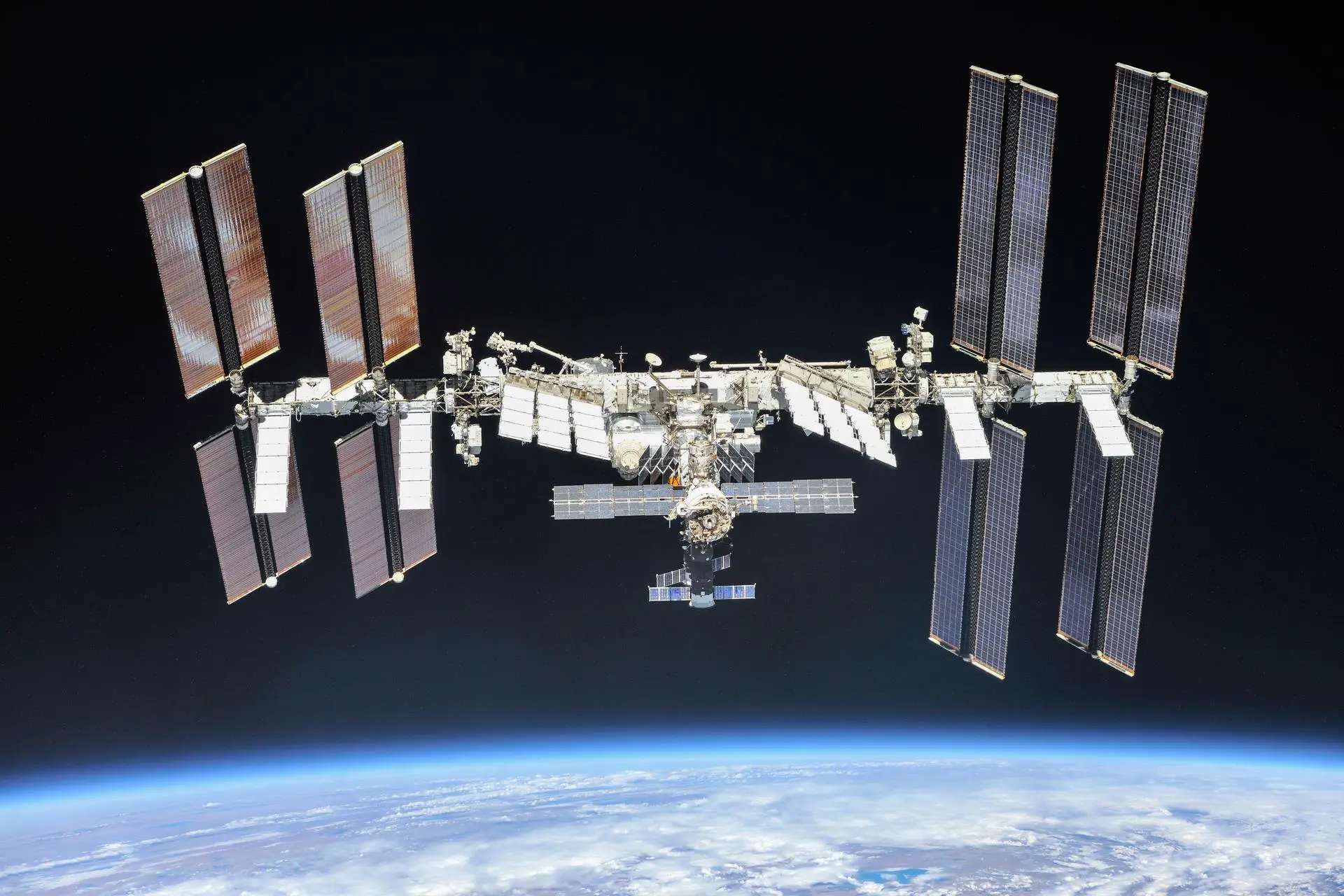
As the International Space Station (ISS) approaches its planned retirement in 2030, the global space community is witnessing a significant shift. Nations and private entities are accelerating efforts to establish their own independent space stations in low Earth orbit (LEO). This transition marks a pivotal moment in space exploration, with several countries and companies stepping up to fill the void left by the ISS.
Bharatiya Antariksha Station
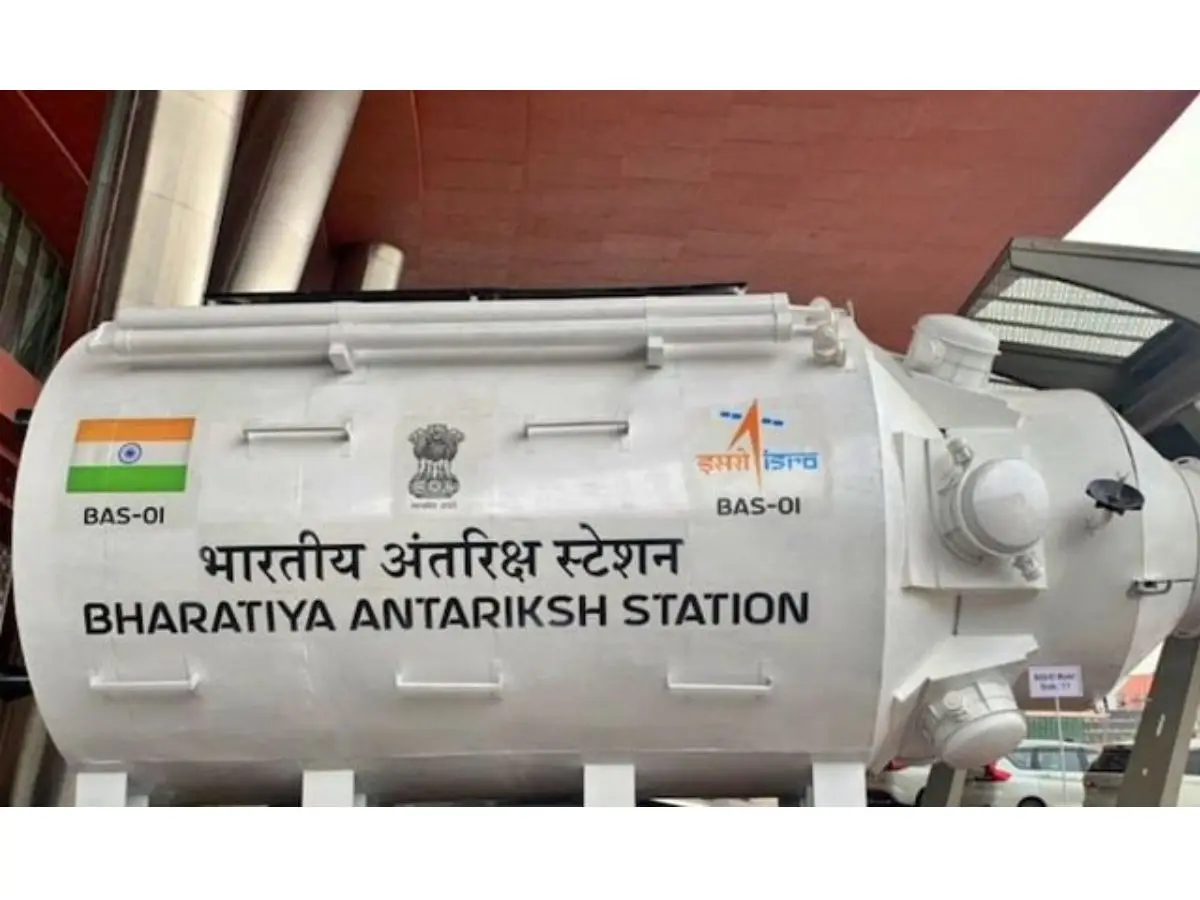
India is set to launch its first module of the Bharatiya Antariksha Station (BAS) in 2028, with the complete station expected to be operational by 2035. This move positions India alongside the United States, Russia, and China in independently operating space stations, either currently or in the past. The BAS aims to serve as a research platform for studying various aspects of space, life sciences, medicine, and interplanetary exploration.
Russia’s Independent Orbital Laboratory
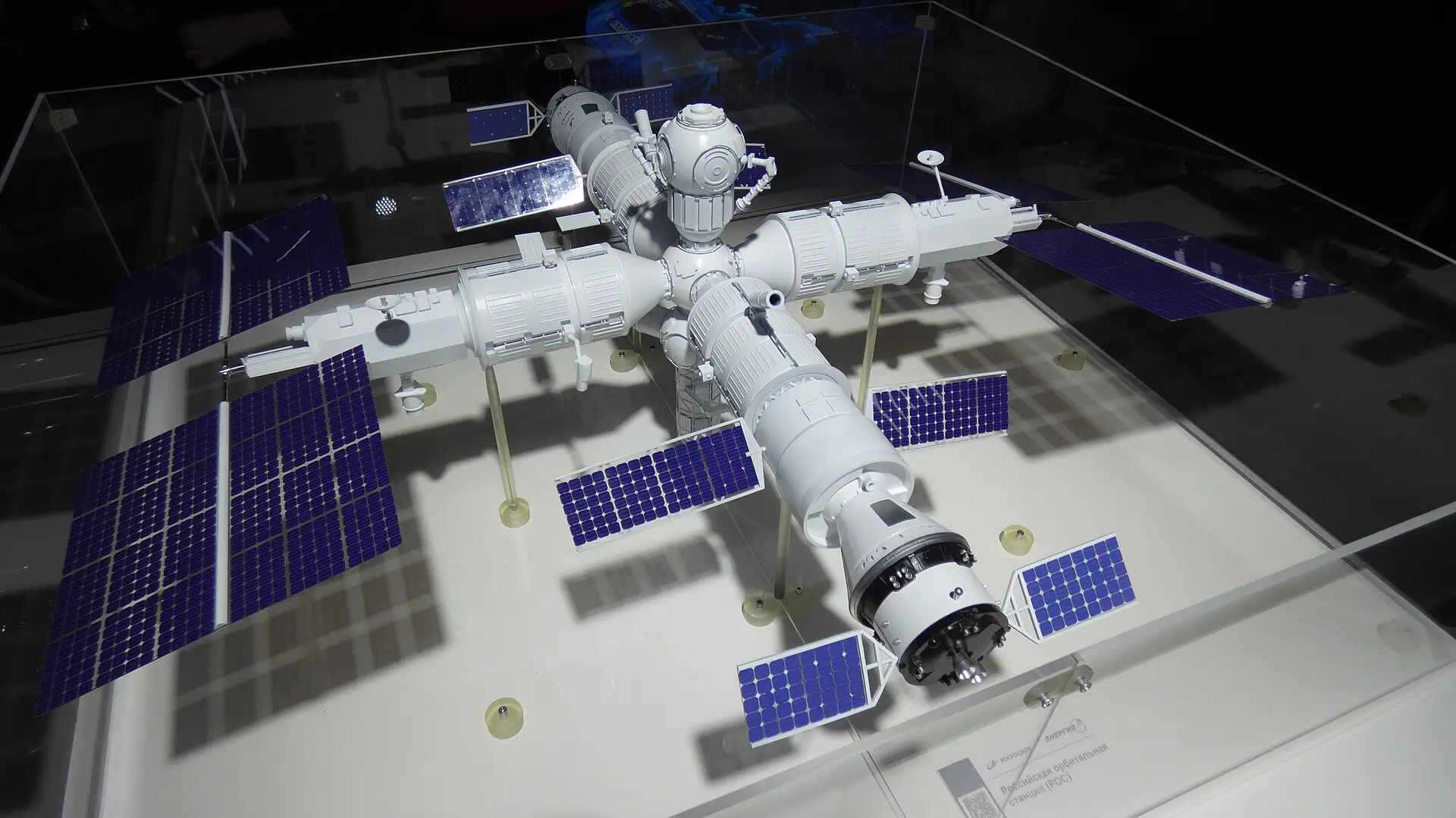
In 2022, Russia announced plans to withdraw from the ISS and construct its own space station. By July 2024, a detailed roadmap was approved, aiming to establish the core of the new station by 2030. The plan includes launching an initial scientific and energy module in 2027, followed by additional modules to complete the station by 2033. This initiative reflects Russia's intent to maintain a significant presence in LEO independently.
China's Tiangong Station
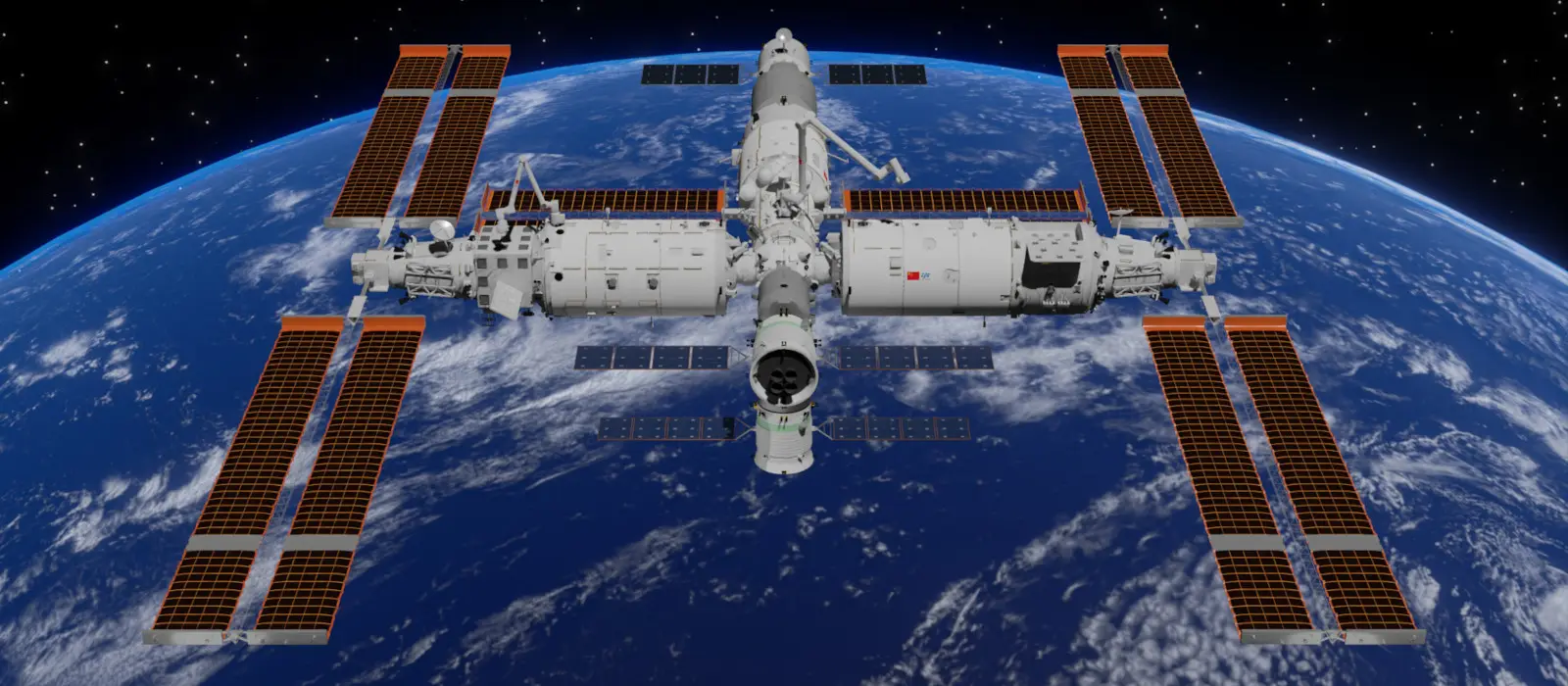
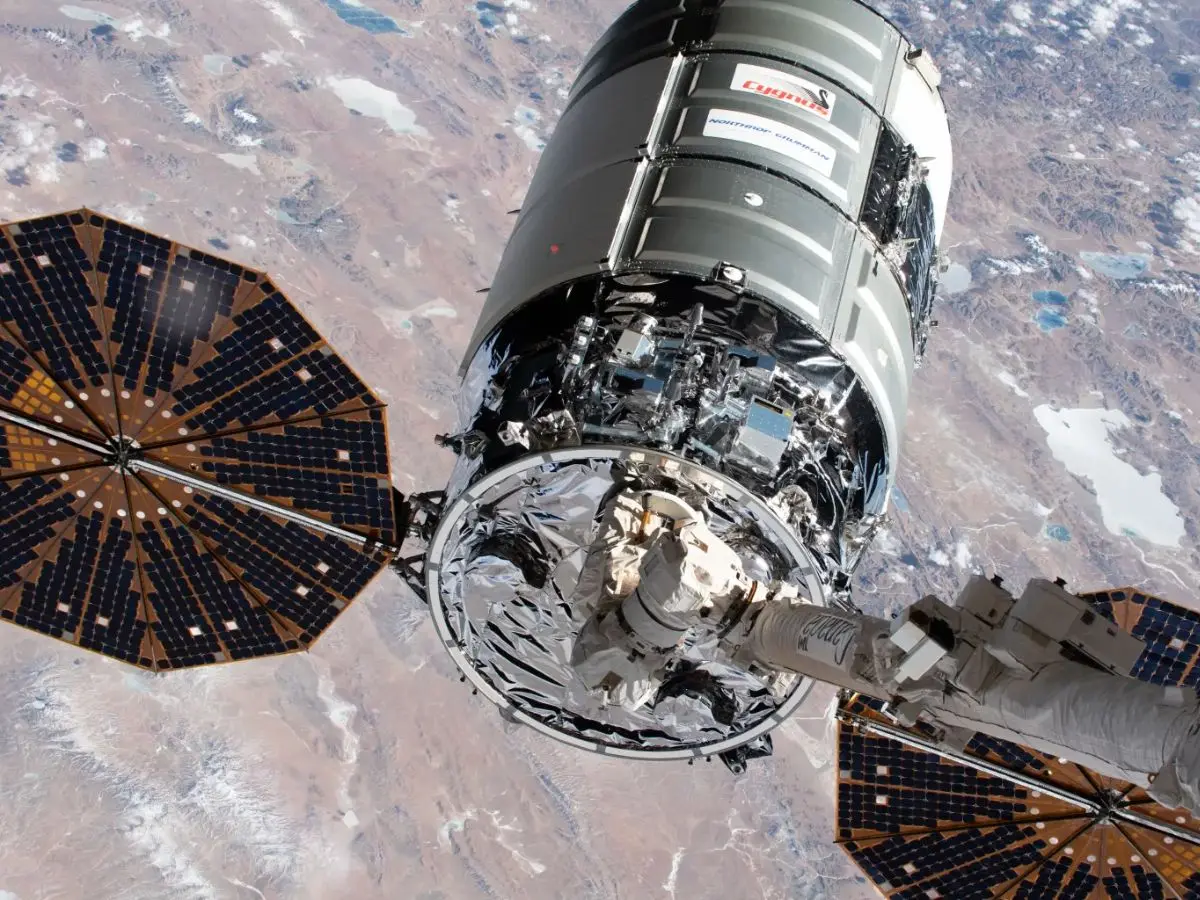
China has already established its independent space station, Tiangong, which has been operational for several years. The Tiangong station serves as a model for self-reliant space exploration, with China planning to expand its capabilities further. In collaboration with Russia, China is also working on the International Lunar Research Station (ILRS), aiming to establish a permanent manned lunar base by 2035.
The Rise of Commercial Space Stations
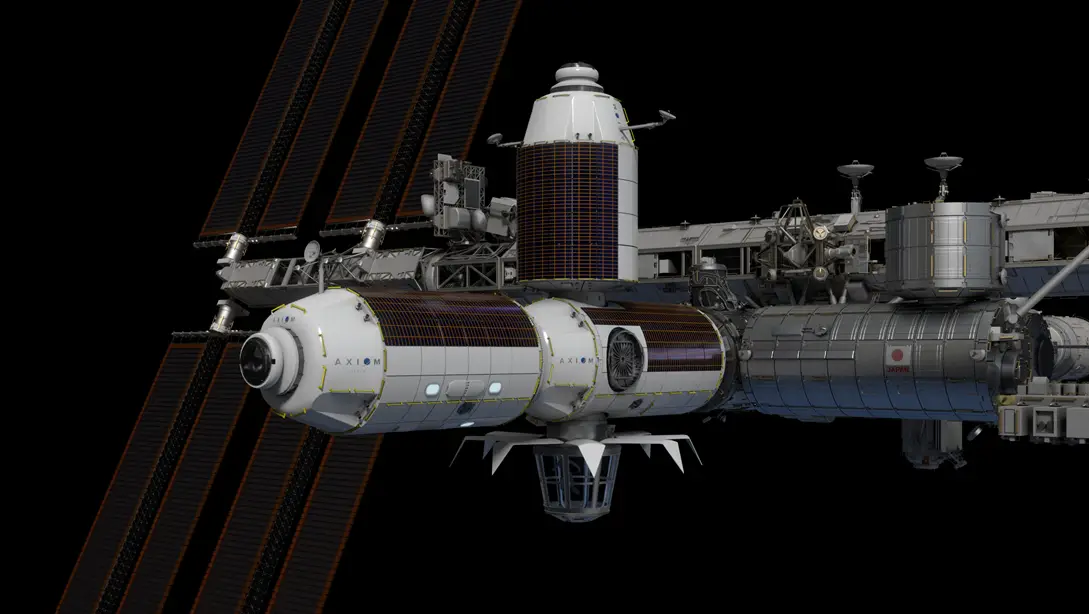
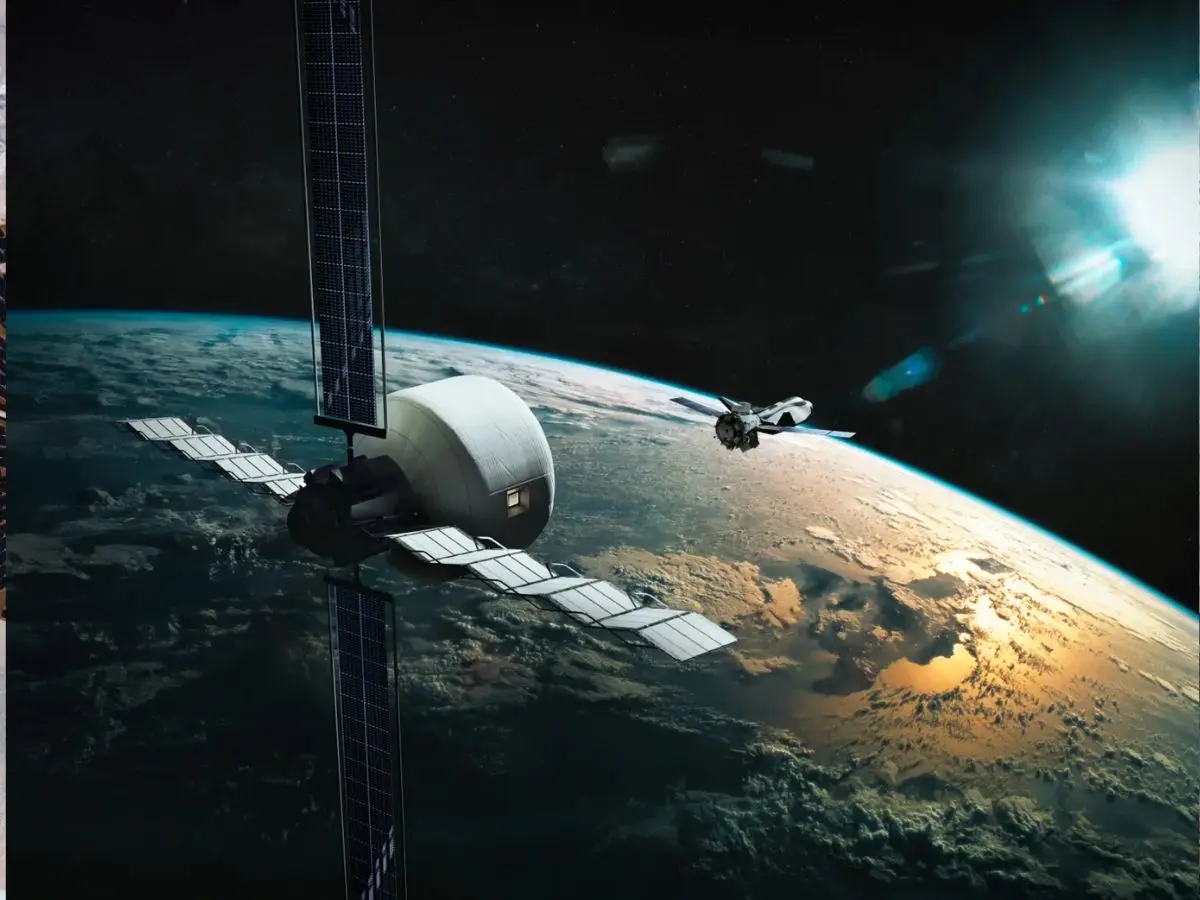
The private sector is also playing a crucial role in the future of space stations. Companies like Axiom Space, Blue Origin, and Vast are developing commercial space stations with plans to launch in the coming years. For instance, Axiom Space plans to launch its station by 2027, while Blue Origin's Orbital Reef and Vast's Haven-2 are targeting launches by 2028. These commercial ventures aim to provide platforms for research, manufacturing, and tourism in space.
The Future of Space Stations in Low Earth Orbit
As the ISS nears its end of service, the transition to independent and commercial space stations is becoming more pronounced. Nations like India, Russia, and China are leading the way, while private companies are introducing innovative models for space habitation. This diversification in space station development promises to enhance international collaboration, foster innovation, and ensure the continued utilization of LEO for scientific and commercial purposes.
Conclusion
The landscape of space stations is evolving rapidly. With the ISS's retirement on the horizon, countries and companies are stepping up to establish their own platforms in orbit. India's entry into this arena signifies a new chapter in its space exploration journey, contributing to a more diverse and dynamic future in low Earth orbit.
)
)
)
)
)