Next-gen helmet systems in fighter jets might use eye-tracking to aim weapons faster than reflexes

Engineers must address issues such as eye strain, false targeting, and system calibration under high-G manoeuvres. Additionally, pilots must maintain situational awareness beyond the reticle to avoid tunnel vision during combat.
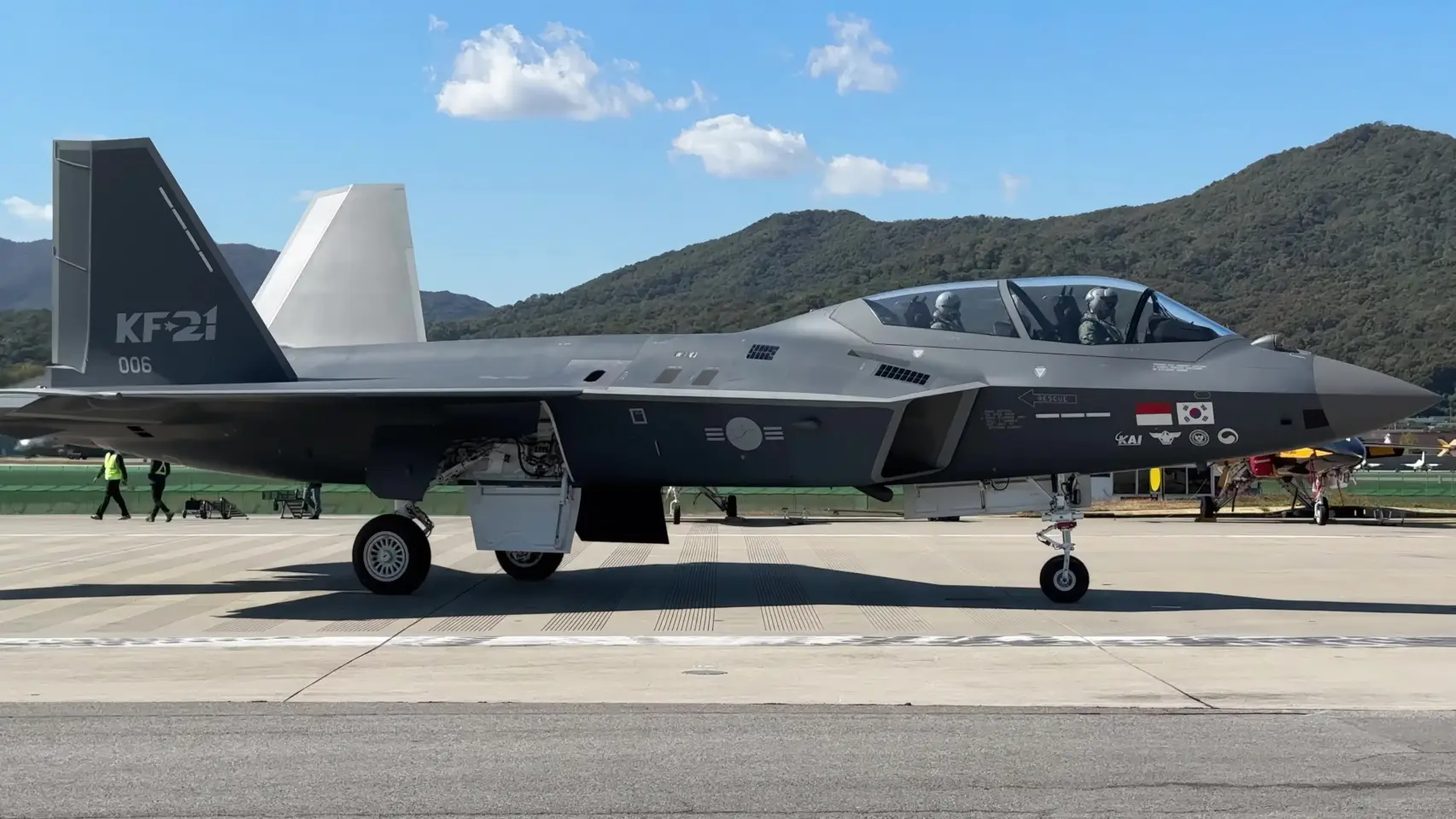
1. The evolution of fighter pilot helmets
Modern pilots already rely on helmet-mounted displays (HMDs) to view targeting data without looking down at cockpit screens. The next generation promises eye-tracking integration, allowing pilots to control weapon systems simply by looking at a target, reducing the time between detection and engagement.
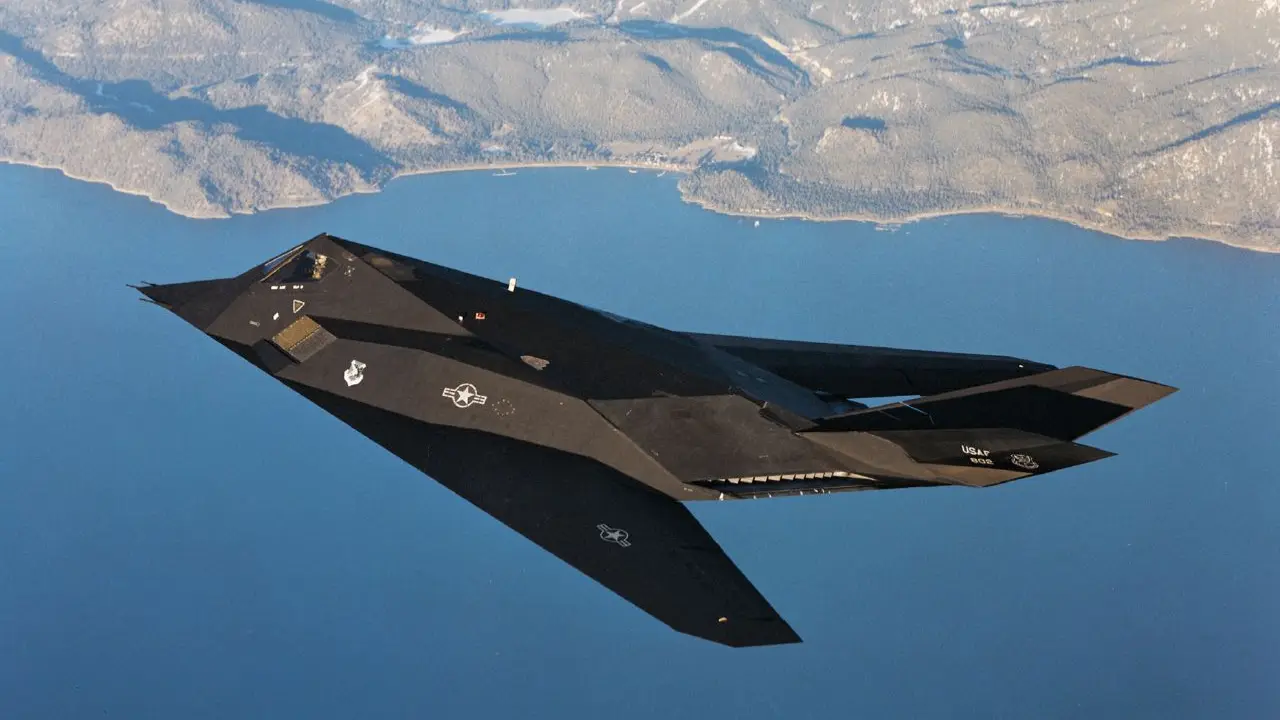
2. How eye-tracking technology works
High-speed infrared sensors within the helmet monitor the pilot’s gaze direction, focus point, and blinking patterns. Coupled with onboard computing, the system translates eye movements into aiming commands for missiles or guns, essentially letting the aircraft respond at the speed of the pilot’s eyes, faster than traditional hand controls.
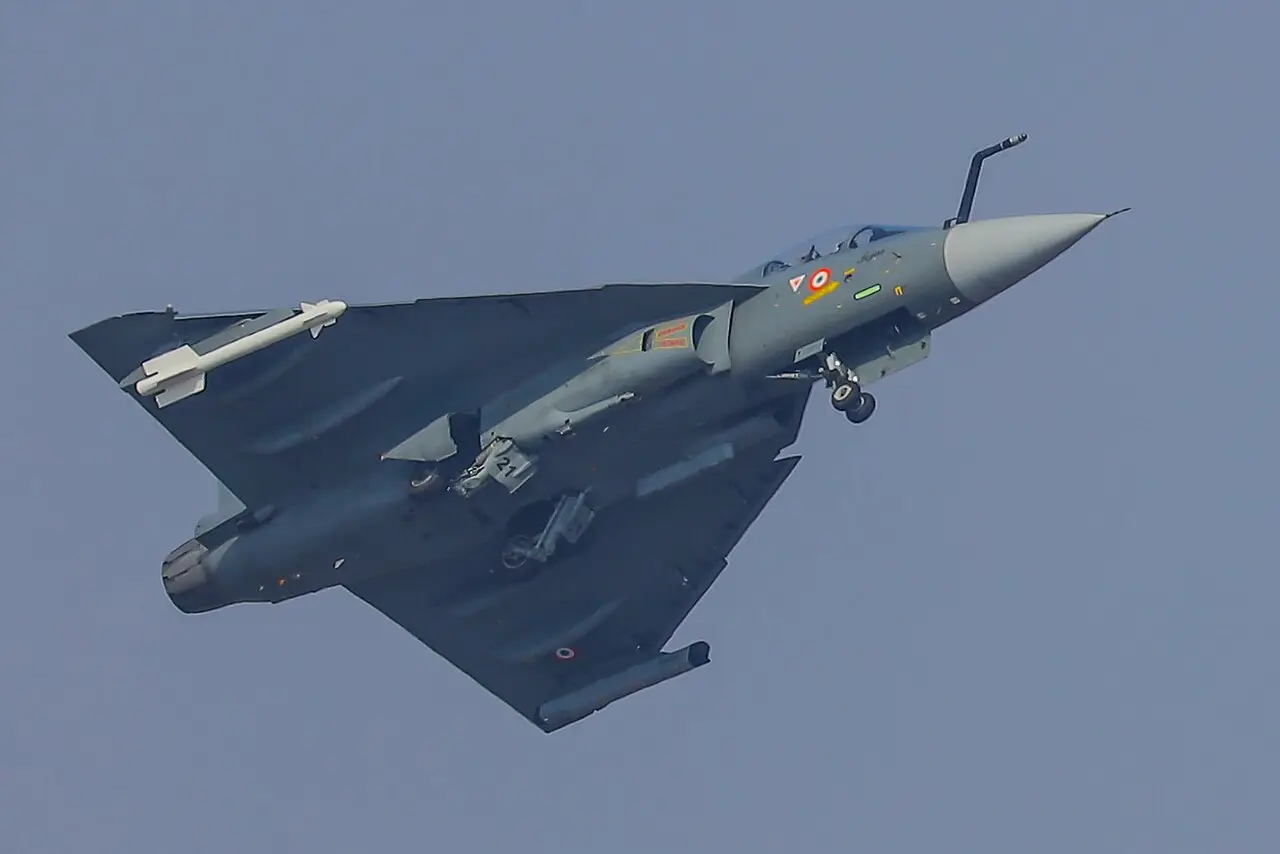
3. Advantages over human reflexes
Even elite pilots have reaction delays of 200–300 milliseconds. Eye-tracking systems can cut this lag by half, giving aircraft a critical edge in dogfights. This technology is especially valuable in high-speed engagements where every millisecond counts for evasion and target lock.
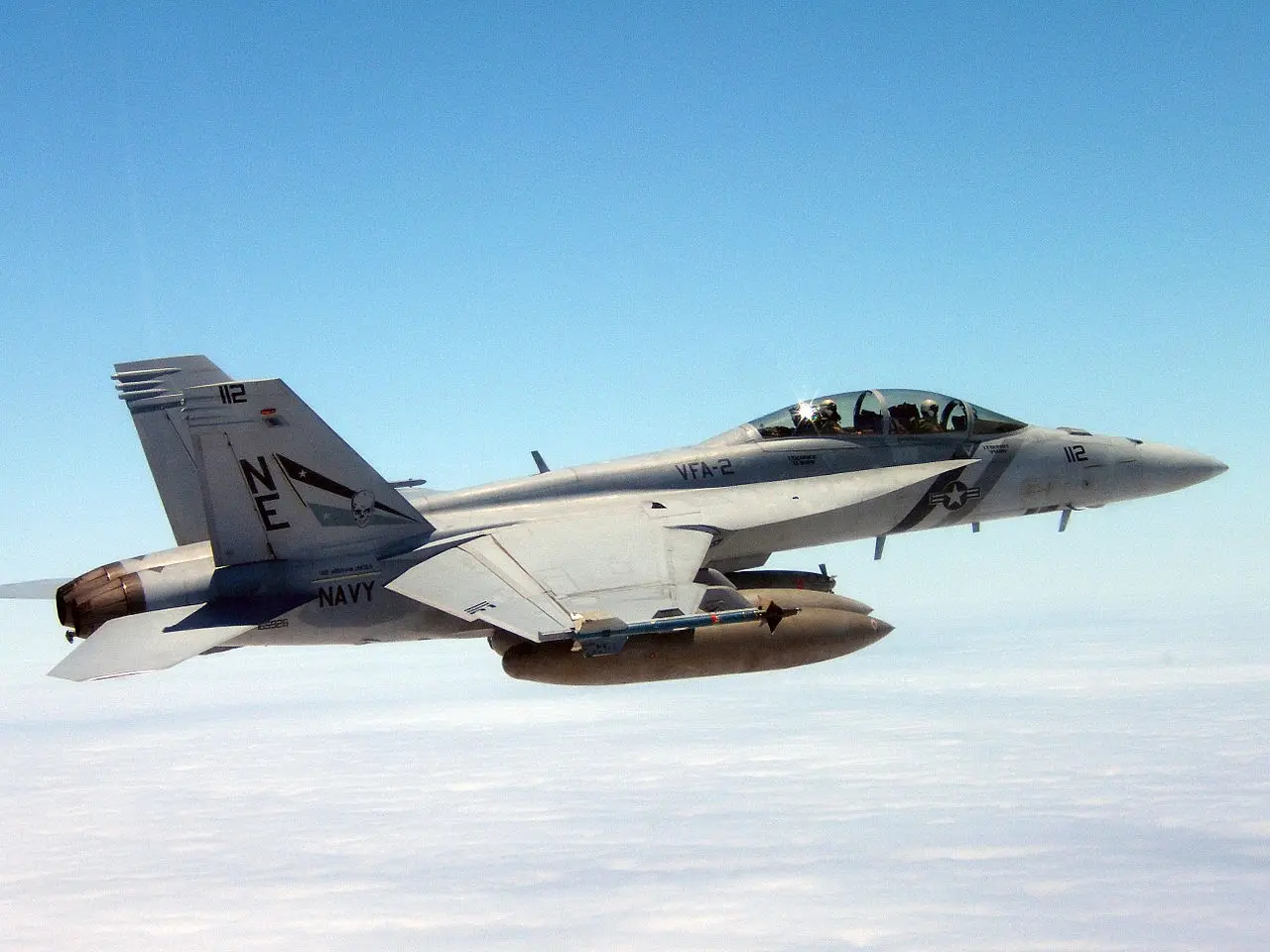
4. Current research and testing
The US Air Force and European aerospace firms are actively experimenting with eye-tracking HMDs. Lockheed Martin’s F-35 helmet already integrates head-tracking for targeting; the next step involves combining head and eye movement, making weapon acquisition faster and more intuitive.
5. Integration with AI and augmented reality
These helmets could be linked with AI-driven targeting assistance. For example, the system could predict target trajectories and adjust the aiming reticle automatically while the pilot’s eyes guide the selection, blending human intuition with machine speed.
6. Challenges and human factors
Engineers must address issues such as eye strain, false targeting, and system calibration under high-G manoeuvres. Additionally, pilots must maintain situational awareness beyond the reticle to avoid tunnel vision during combat.
7. The future cockpit experience
By the mid-2030s, fighter pilots may operate in fully immersive, eye-guided cockpits, where gaze alone can control weapons, navigation, and threat detection. Humans will act as mission directors while AI and advanced sensors handle split-second execution — making aerial combat faster, safer, and more precise.
)
)
)
)
)