Newly discovered planet completes one year in seven Earth days — and scientists say it’s on a death spiral

The planet, roughly the same size as Jupiter, lies extremely close to its host star, creating intense gravitational and magnetic interactions. It is living fast and may die young.
Discovery of HIP 67522 b
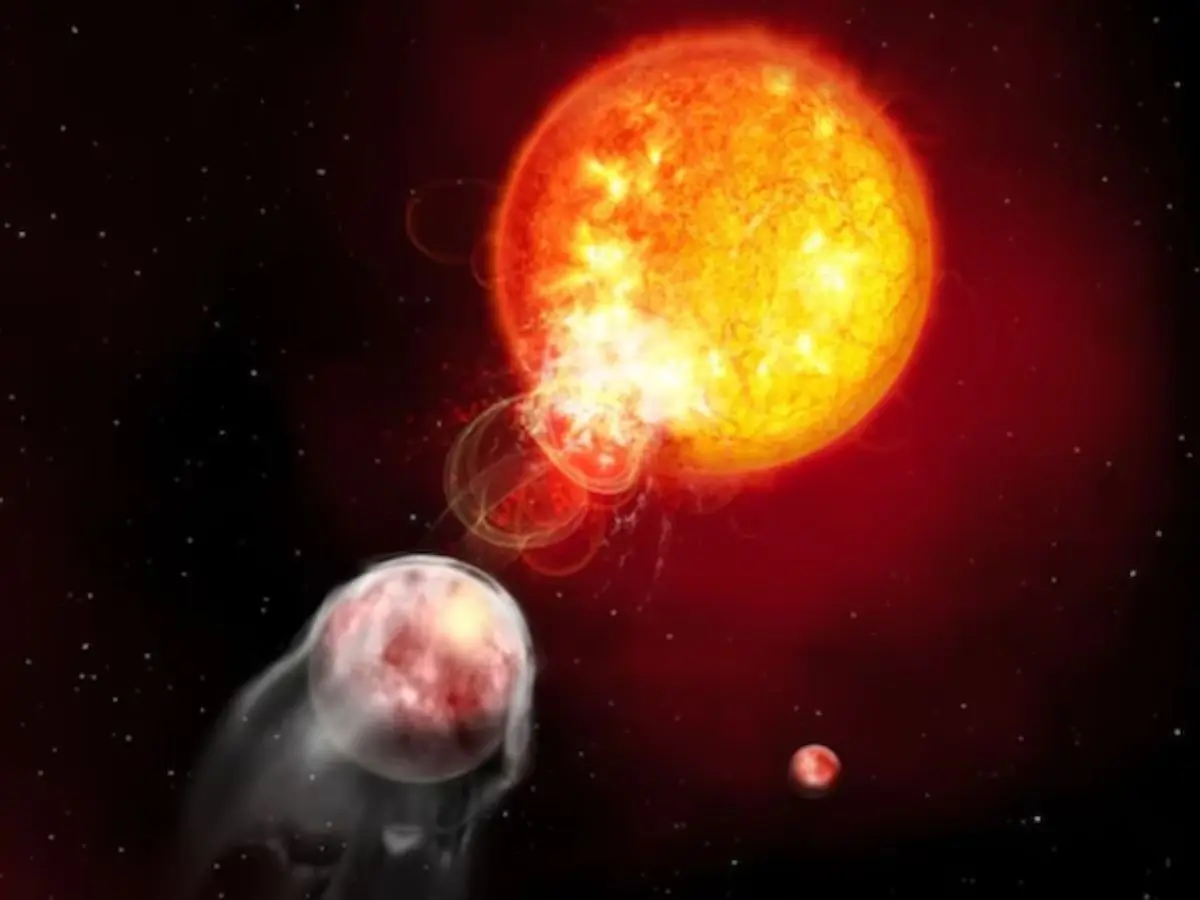
Astronomers have identified a new exoplanet, HIP 67522 b, which completes an orbit around its star in just seven Earth days. The planet, roughly the same size as Jupiter, lies extremely close to its host star, creating intense gravitational and magnetic interactions. It is living fast and may die young. The discovery was made by an international team of researchers from the Netherlands, Germany, Sweden, and Switzerland, led by Ekaterina Ilin of the Netherlands Institute for Radio Astronomy.
Tools Behind the Detection
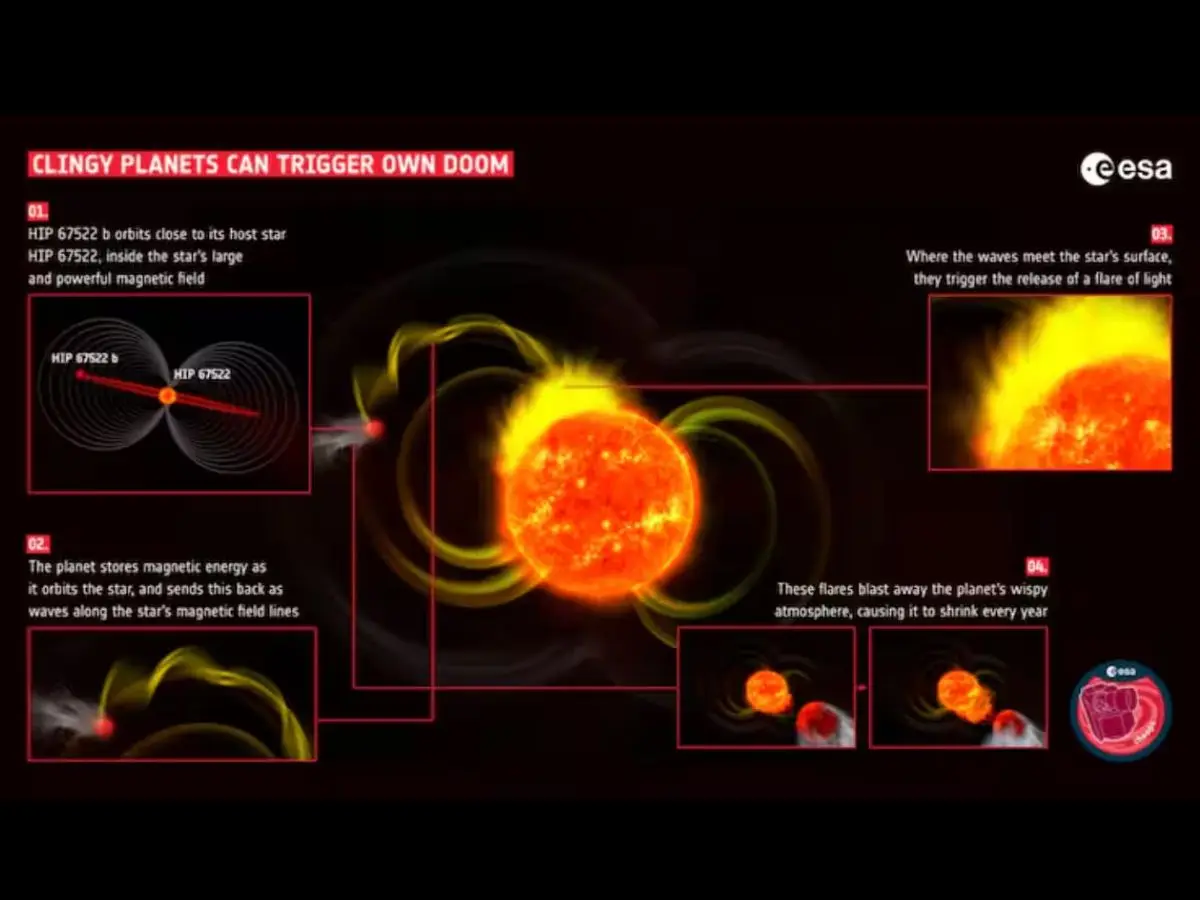
To detect and study the planet and its effects, the team used NASA’s Transiting Exoplanet Survey Satellite (TESS) and the European Space Agency’s CHaracterising ExoPlanets Satellite (CHEOPS). These telescopes monitored the host star for unusual activity, and recorded frequent, powerful flares that appeared to be influenced by the planet’s close orbit.
A Planet With a ‘Death Wish’
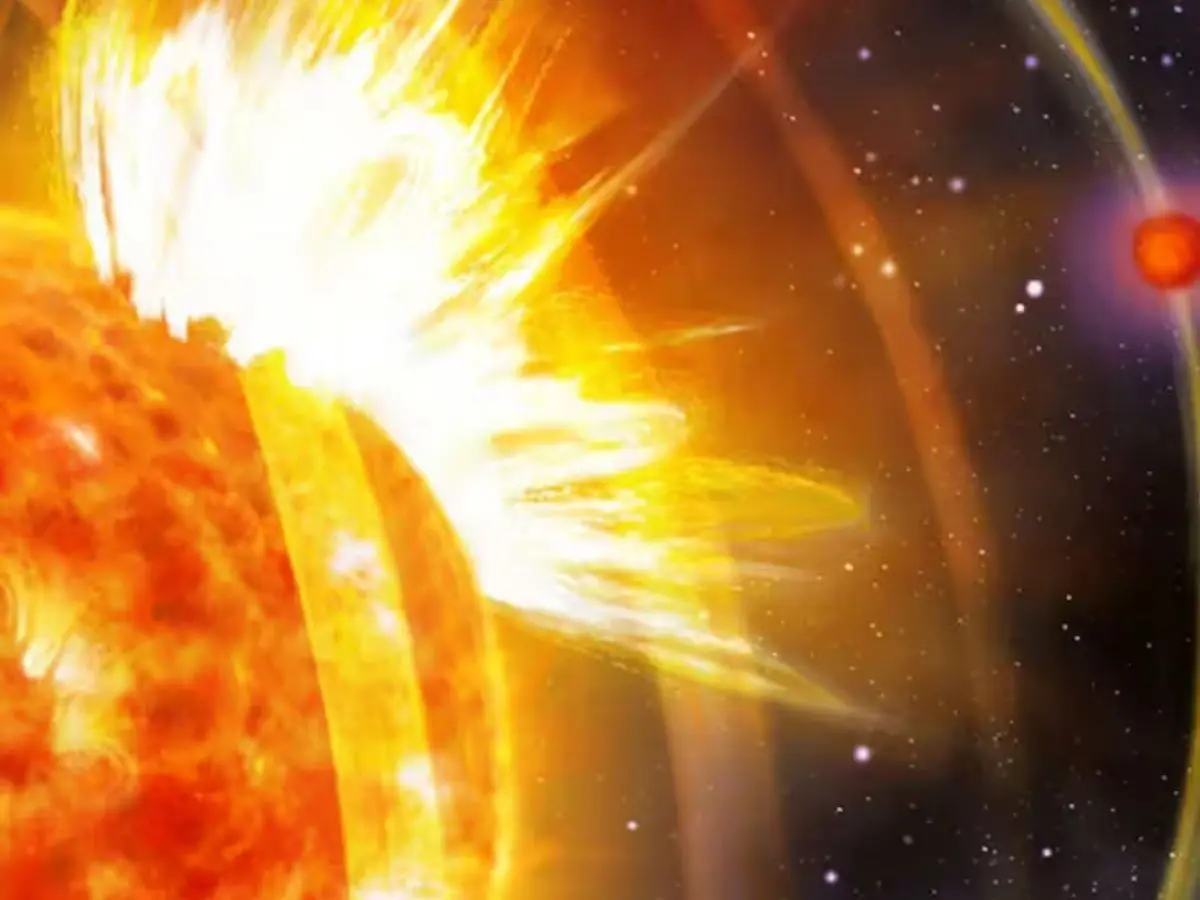
HIP 67522 b is now described as the first confirmed example of a so-called ‘death wish planet’, a theoretical concept proposed since the 1990s but never previously observed. The planet orbits so close to its star that it may be triggering massive solar flares through its interaction with the star’s magnetic field. These flares, in turn, bounce energy back to the planet, inflating its atmosphere and stripping away mass.
Impact on the Star
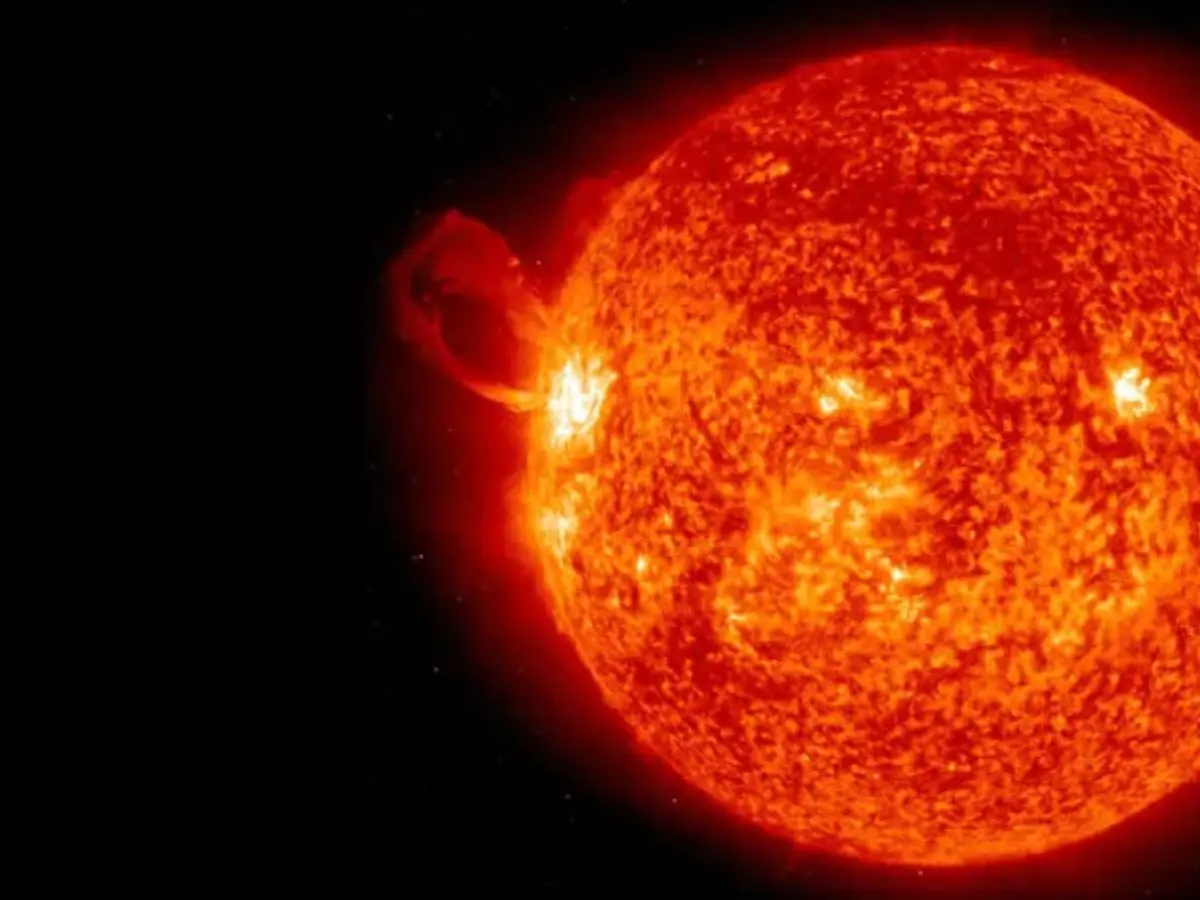
The host star, HIP 67522, is slightly larger and cooler than the Sun, but much younger, only around 17 million years old. The planet’s orbit appears to disturb the star’s magnetic field, triggering surface flares roughly 100 times more energetic than typical solar flares. These eruptions are powerful enough to affect the planet’s structure.
What This Means for HIP 67522 b
The planet is described as having the size of Jupiter but the density of candy floss, making it one of the lowest-density exoplanets ever recorded. As the star’s radiation and flares continue, HIP 67522 b is rapidly losing mass. Scientists estimate that it may shrink significantly over the next 100 million years, potentially becoming a Neptune-sized planet.
How It Works
According to Ekaterina Ilin, the flares are likely being triggered by waves sent through the star’s magnetic field by the planet. These waves don’t have enough energy on their own but appear to trigger pre-existing instabilities in the star’s surface , ‘explosions waiting to happen.’ The interaction is still not fully understood. This discovery marks the first direct evidence of a planet actively influencing the activity of its host star in such a dramatic way.
)
)
)
)
)