New threat to US Navy? How China's CM-302 supersonic missiles could boost Iran’s naval strike power

Iran is about to complete a deal with China to purchase CM-302 anti-ship cruise missiles ahead of potential strikes from the United States as it deploys a massive naval force near the coasts of the Islamic Republic, according to several media reports.
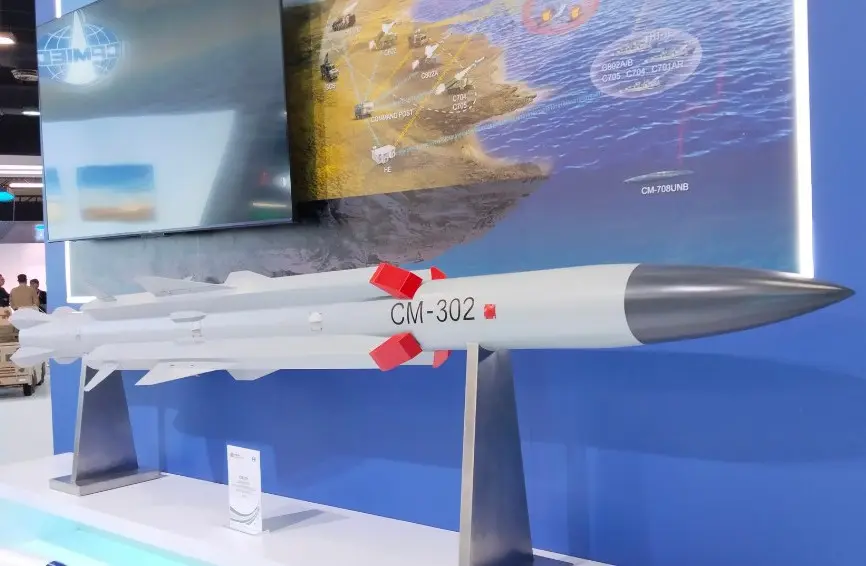
CM-302 supersonic anti-ship missile
The CM-302 is a supersonic anti-ship missile which covers a range upto 290 kilometres, according to weapons experts. It is designed to fly at low altitude and fast to evade shipborne defences, significantly enhancing the capability of Iran to threaten naval vessels in the region. Meanwhile, the delivery date of the deal has not been confirmed yet.

Design and development
The Chinese-made supersonic anti-ship cruise missiles CM-302 are developed as the export version of the YJ‑12 series. It is marketed internationally as a high-speed, sea-skimming weapon intended to strike large naval vessels and other maritime targets by the China Aerospace Science and Industry Corporation (CASIC).
Range
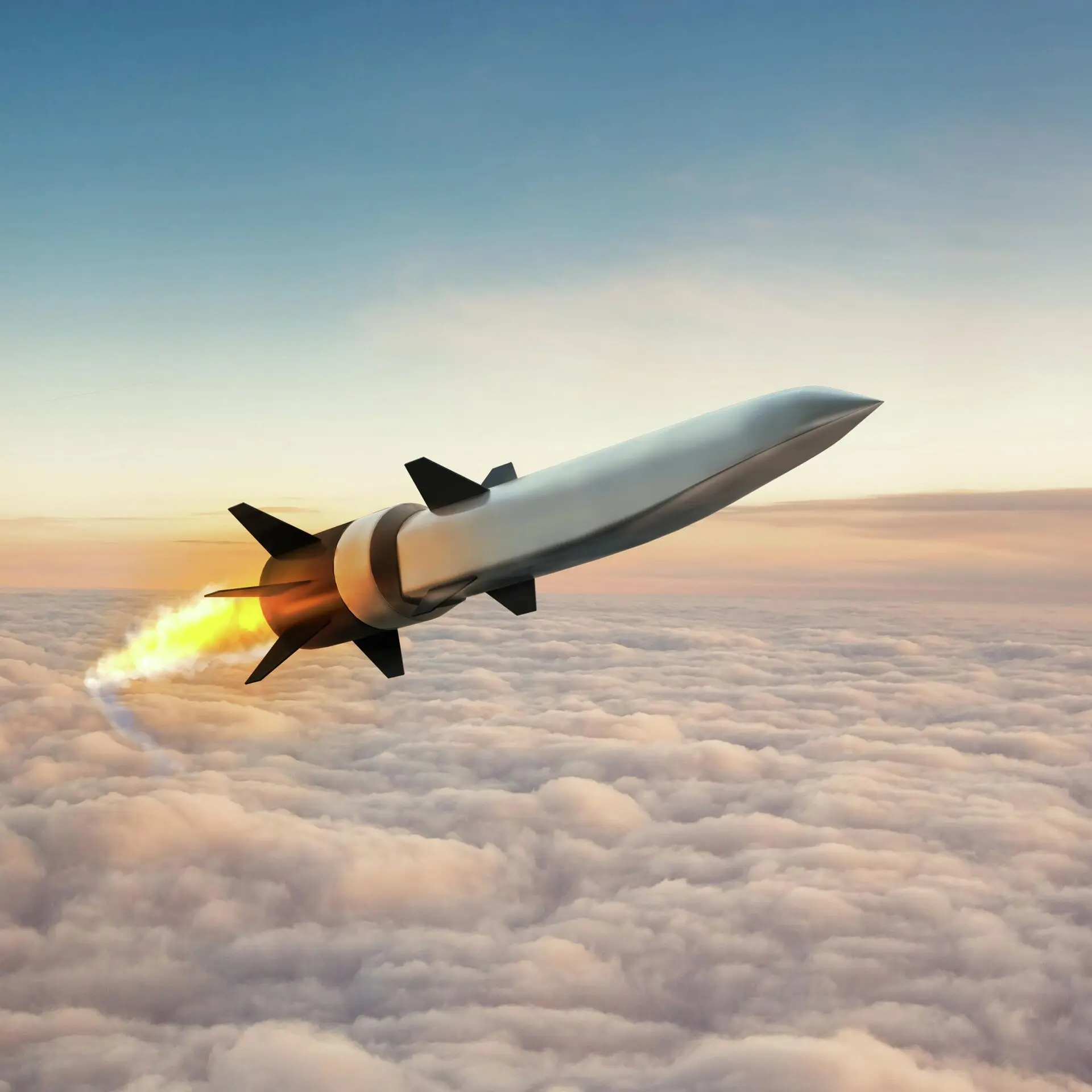
The CM-302 covers an effective range of around 280–290 km, prompting it to target surface vessels at significant standoff distances. The supersonic anti-ship missile is designed to meet export limits under regimes like the Missile Technology Control Regime. The range of this missile also places it in competition with other supersonic cruise missiles like India’s BrahMos, which allows it to strike the target well beyond the reach of many shipboard defences.
Speed
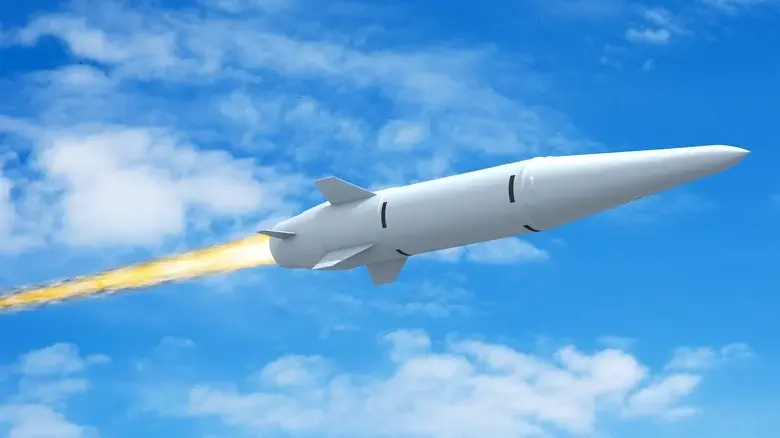
The missile travels at sustained supersonic speeds, reportedly around Mach 2.5–3 or higher, making it very hard and challenging to intercept once launched. Its propulsion system enables the missile to maintain high velocity throughout much of its flight, and reduces the reaction times of the enemy, enhancing penetration against naval air defences.
Warhead
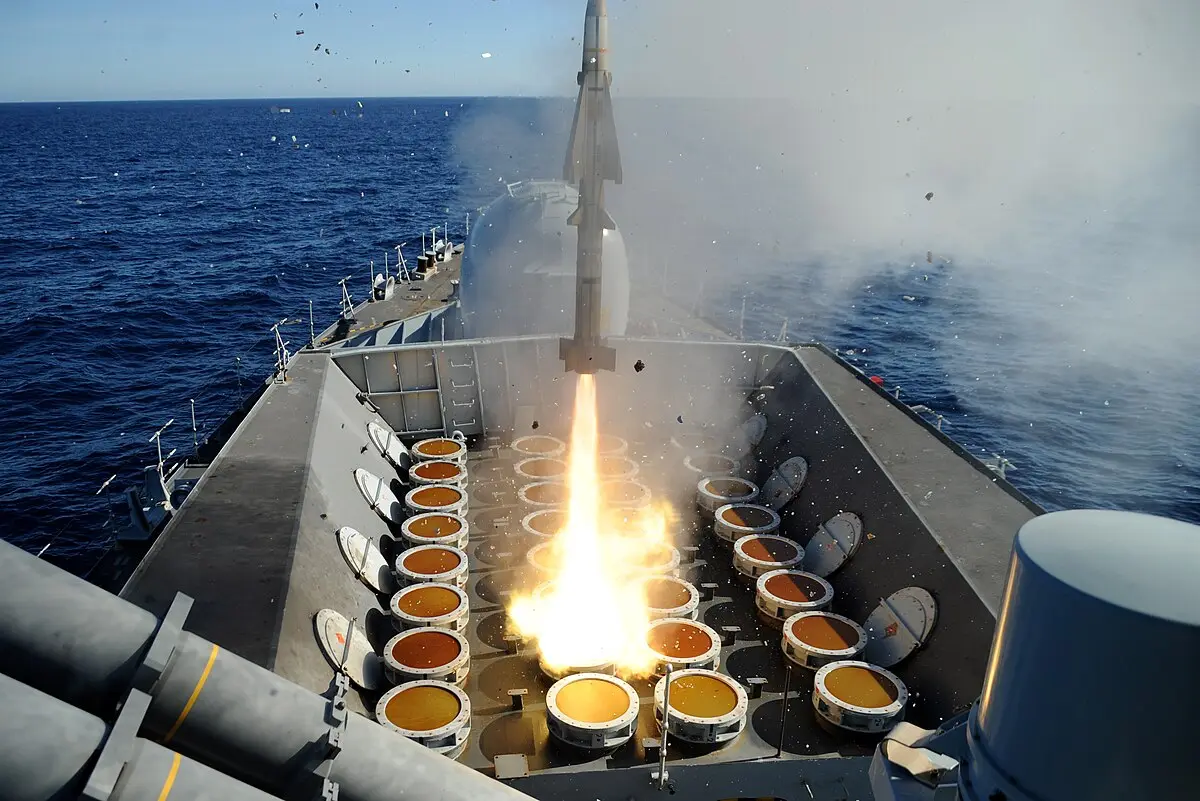
It is equipped with a conventional high-explosive warhead weighing approximately 250 kg, designed to inflict severe damage on large naval vessels such as destroyers or carriers. Lighter than some heavy cruise missiles, this warhead, if integrated with the speed and precision of the missile, is claimed to be sufficient to disable or sink high-value surface combatants upon impact.
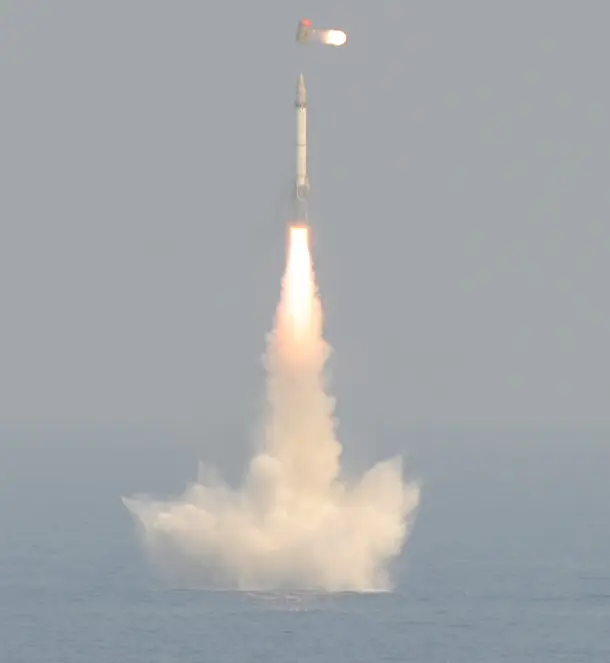
Guidance
The guidance system of the missile also combines inertial navigation with China’s BeiDou satellite navigation for mid-course guidance, along with an active radar seeker for terminal homing, prompting this dual approach to accurately navigate toward a moving maritime target and adjust its trajectory in the final phase to improve hit probability against evasive ships.
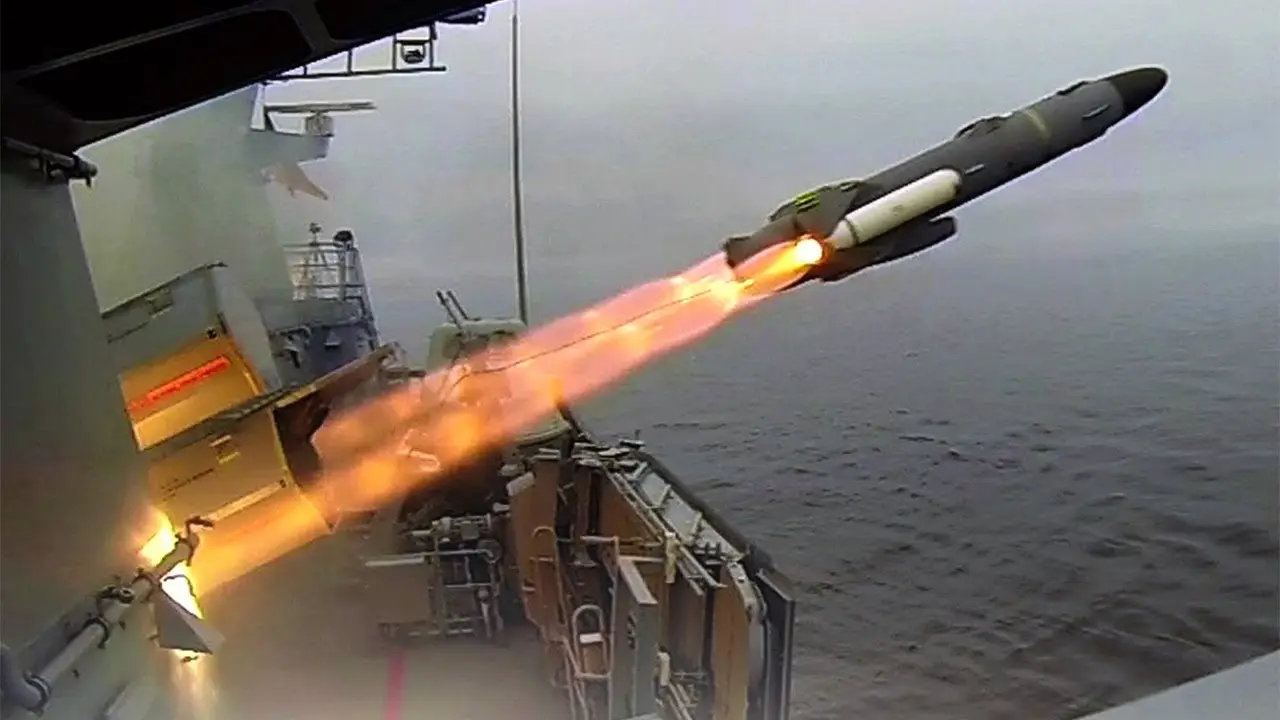
Accuracy
When talking about accuracy, the CM-302 is reported to have a high hit probability, nearly 90 per cent, owing to its sea-skimming flight profile and advanced guidance suite. Flying low and fast, it minimises detection and reaction time for ship defences, while the terminal radar seeker helps refine target tracking and improve strike precision against large naval targets.
)
)
)
)
)