Netanyahu lists condition for US-Iran deal but Tehran wants sanctions relief: Will second round of nuclear talks succeed?

Netanyahu urged Iran to end uranium enrichment, while Tehran signaled willingness to negotiate if sanctions are lifted. As US-Iran talks resume in Geneva, Washington pushes diplomacy alongside pressure tactics, leaving the prospects of a breakthrough uncertain
Iran must give up all of its enriched uranium: Netanyahu
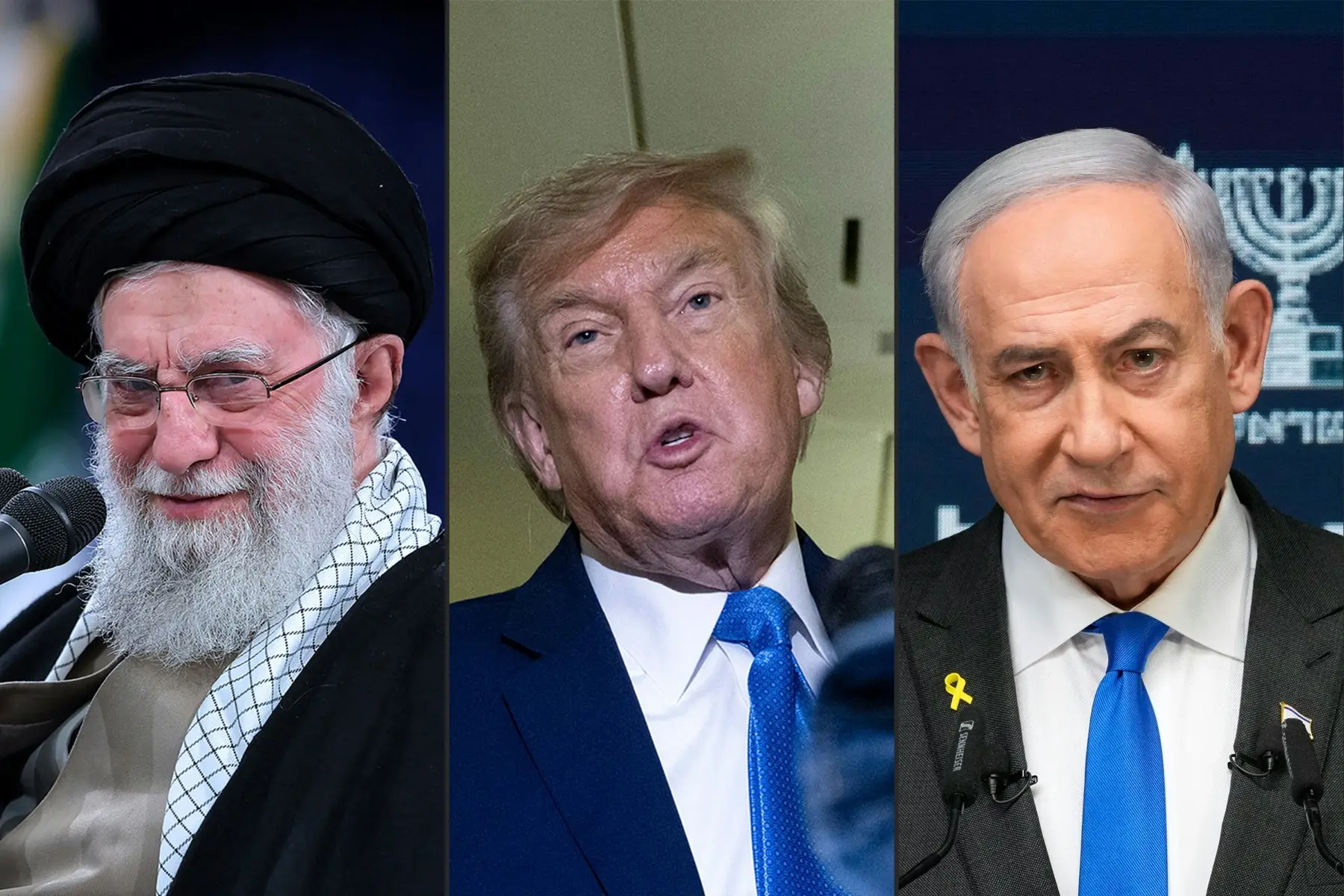
Days after meeting US President Donald Trump, Israeli Prime Minister Benjamin Netanyahu said that Iran must give up all of its enriched uranium and must not enrich uranium anymore as a part of nuclear deal with the US. Netanyahu made the statement while delivering a speech in Jerusalem on Sunday (Feb 15). He said that he outlined several conditions in front of Trump, including that "all enriched material has to leave Iran" and that “there should be no enrichment capability.”
Will Iran agree to no uranium enrichment?
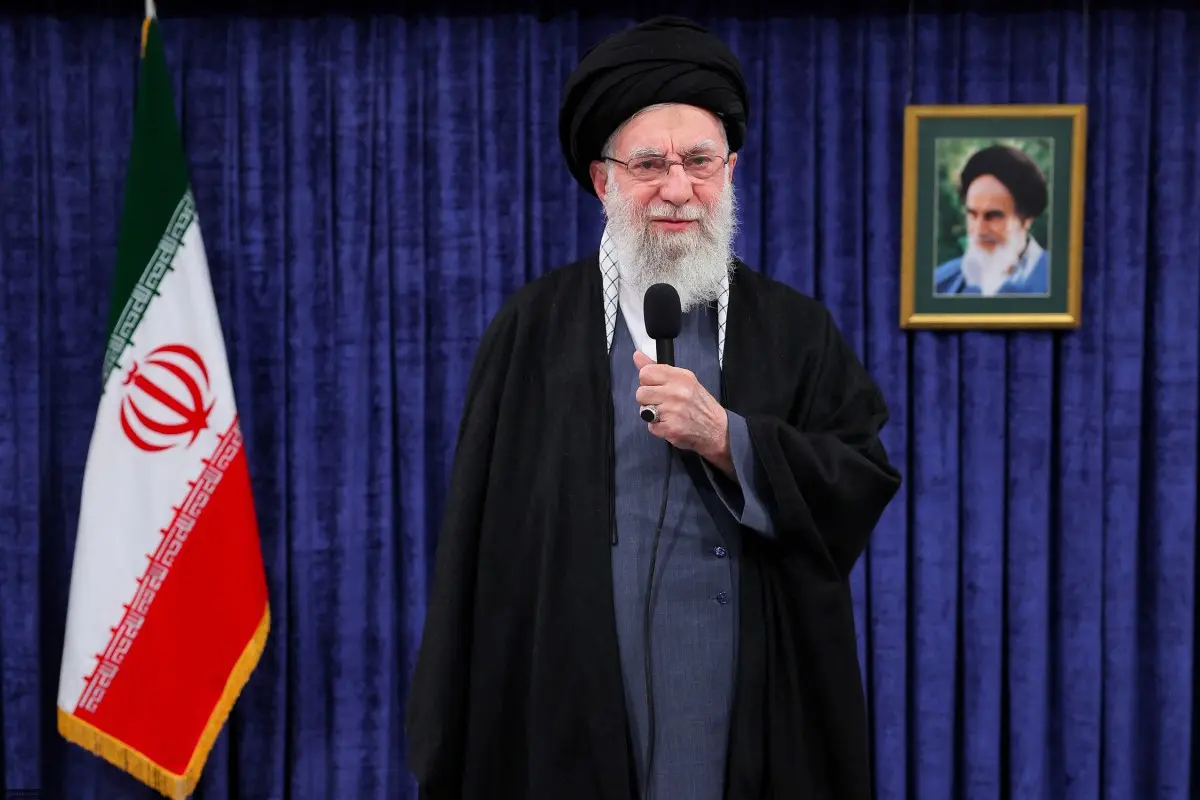
Just days ago, Iranian deputy foreign minister Majid Takht-Ravanchi said that Iran is ready to consider compromises to reach a nuclear deal with the US if the Americans are willing to discuss lifting sanctions. He said that the ball was "in America's court to prove that they want to do a deal", adding, "If they are sincere, I'm sure we will be on the road to an agreement. We are ready to discuss this and other issues related to our programme if they are ready to talk about sanctions," Takht-Ravanchi told the BBC. This comes after Iran clearly stated that their ballistic missile programme is “non-negotiable.”
What we know about Iran-US nuclear talks?
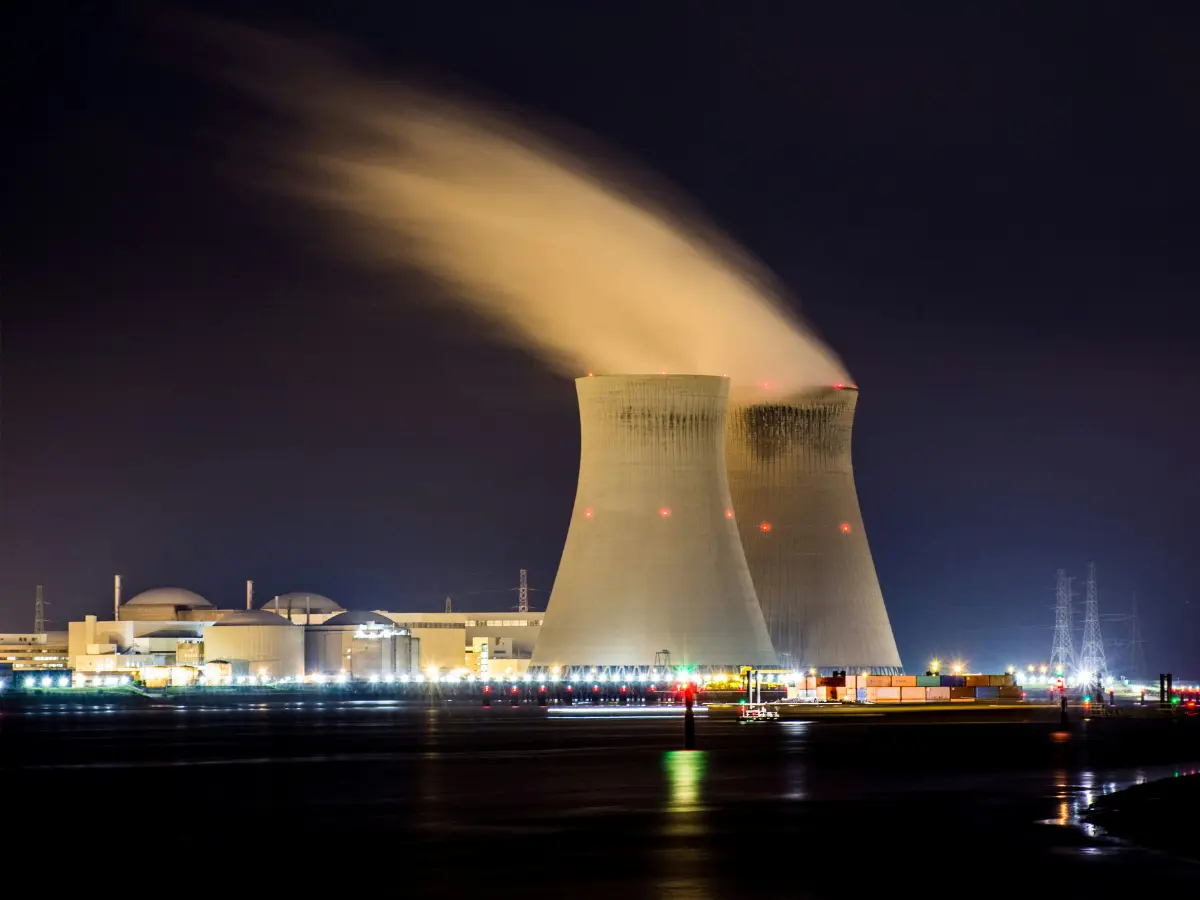
On Feb 15, Iran’s Foreign Minister, Abbas Araghchi reached Geneva to lead Tehran’s delegation into a second round of indirect nuclear negotiations with the United States. Trump's top envoy Steve Witkoff and son-in-law Jared Kushner will attend the Geneva talks from American side. Both sides held first round of latest talks in Muscat earlier this month.
What US thinks about the future of Iran talks?
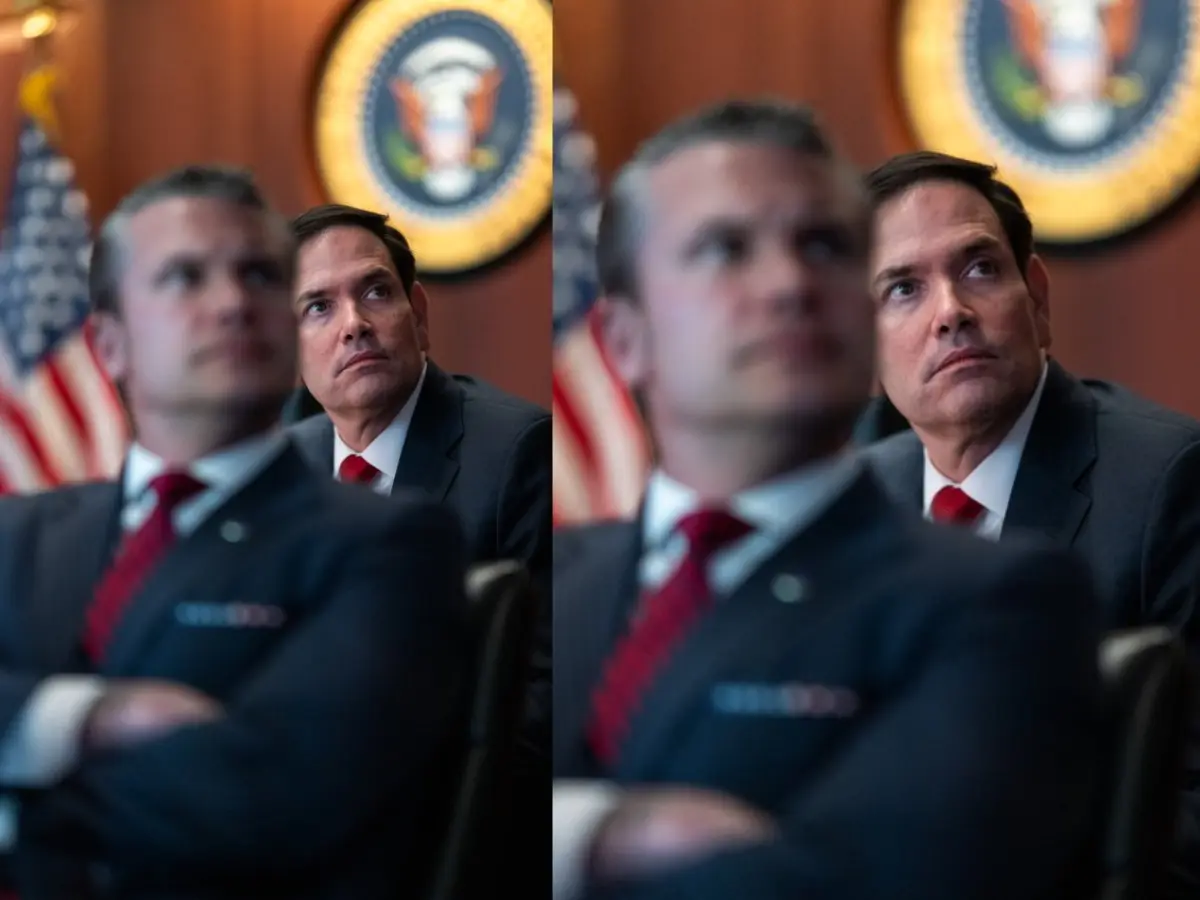
US Secretary of State Marco Rubio expressed optimism about reaching a deal with Iran, and said that Trump is open to meeting Iranian Supreme Leader Ayatollah Ali Khamenei. However, he acknowledged that no previous attempts to strike a deal with the Iranian regime have been successful. "No one's ever been able to do a successful deal with Iran but we're going to try," Rubio said during a news conference in Bratislava. During Munich Security Conference, he also insisted that Trump wants to resolve the matter diplomatically.
What we know about US build up near Iran and Trump's warning?
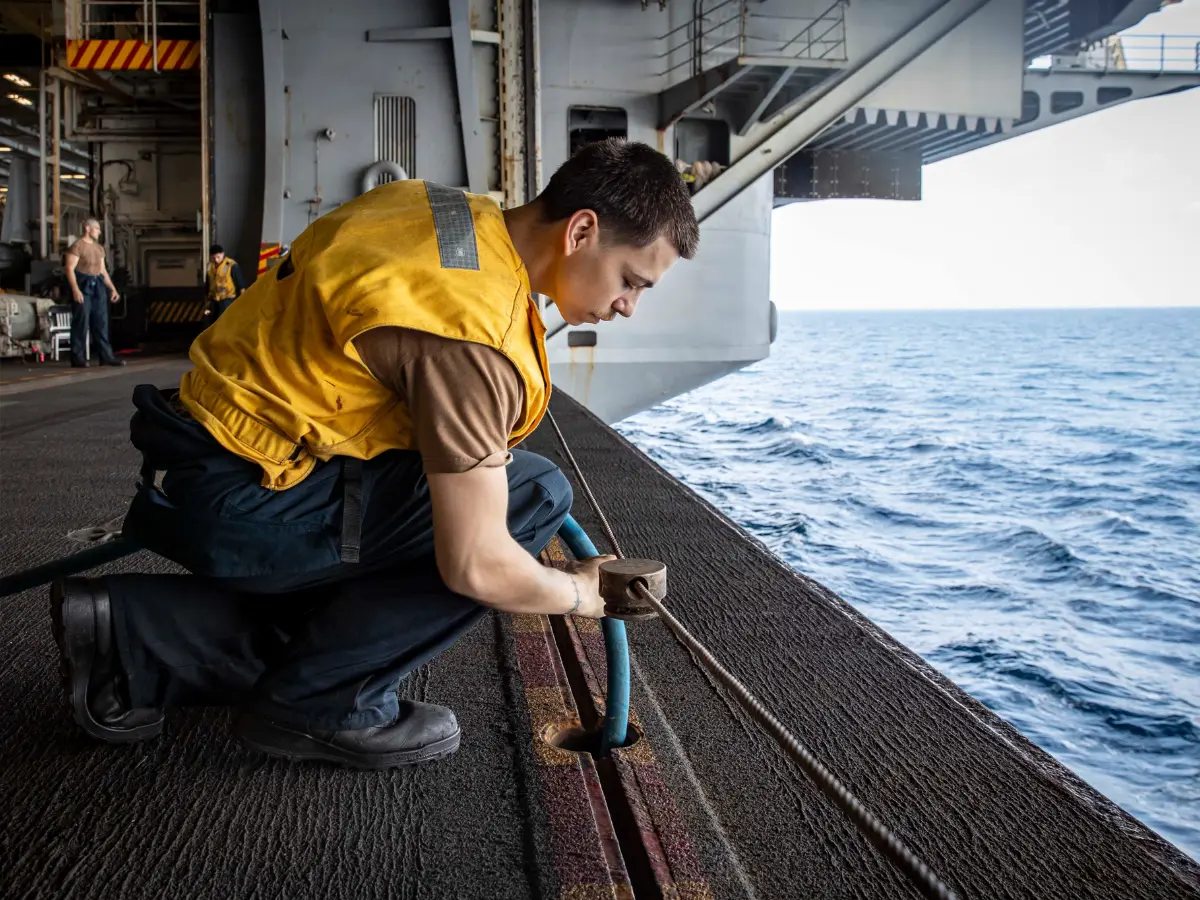
Trump is continuing with his threat tactics to pressurise Iran for a nuclear deal. On Feb 13, Trump batted for regime change in Iran, calling it best thing that could happen. Earlier, he said that either US will make a deal or he will do something “very tough like last time.” US Vice President JD Vance warned Iran and said that there is "another option on the table" if Tehran fails to cut a deal that ensures the nation will not have nuclear weapons. US has already deployed USS Gerald R Ford and USS Abraham Lincoln near Iran.
What more did Netanyahu and Trump discuss?
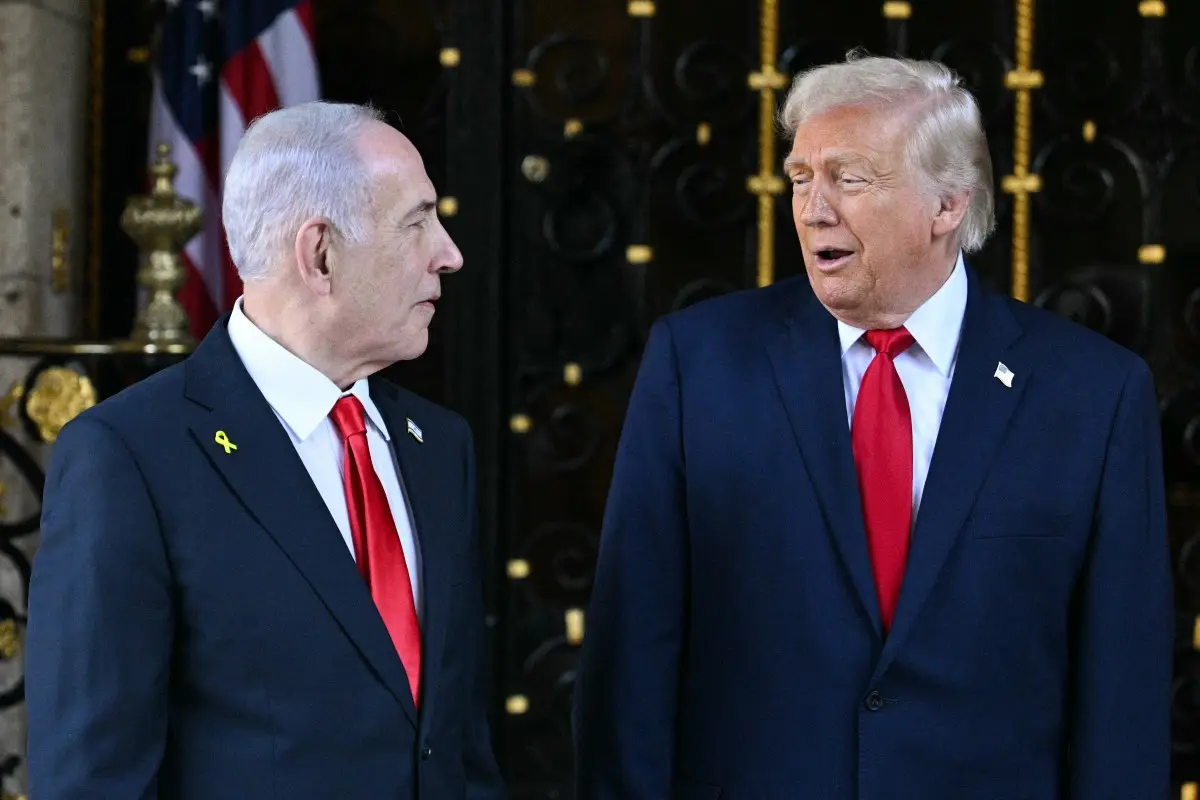
Netanyahu and Trump agreed to intensify the “maximum pressure policy” in order to force Iran to give up its nuclear program, including clamping down on the sale of Tehran’s oil to China, according to a Saturday report citing two US officials. In the meeting, Trump also insisted Netanyahu for continuation of talks with Iran. Moreover, after the latest meeting between the duo, CBS report citing sources claimed that Trump reportedly told Netanyahu in December that he would back Israeli strikes on Iran’s ballistic missile program if Washington and Tehran could not reach a deal. Ahead of Trump-Netanyahu meeting, Iran warned that his influence can be "destructive" for the future of talks. Iranian foreign ministry clearly stated that the negotiating partner for them is solely America and that it should act 'independently.' Tehran also accused Israel of attempting to sabotage the peace efforts between the two countries.
What could happen next?
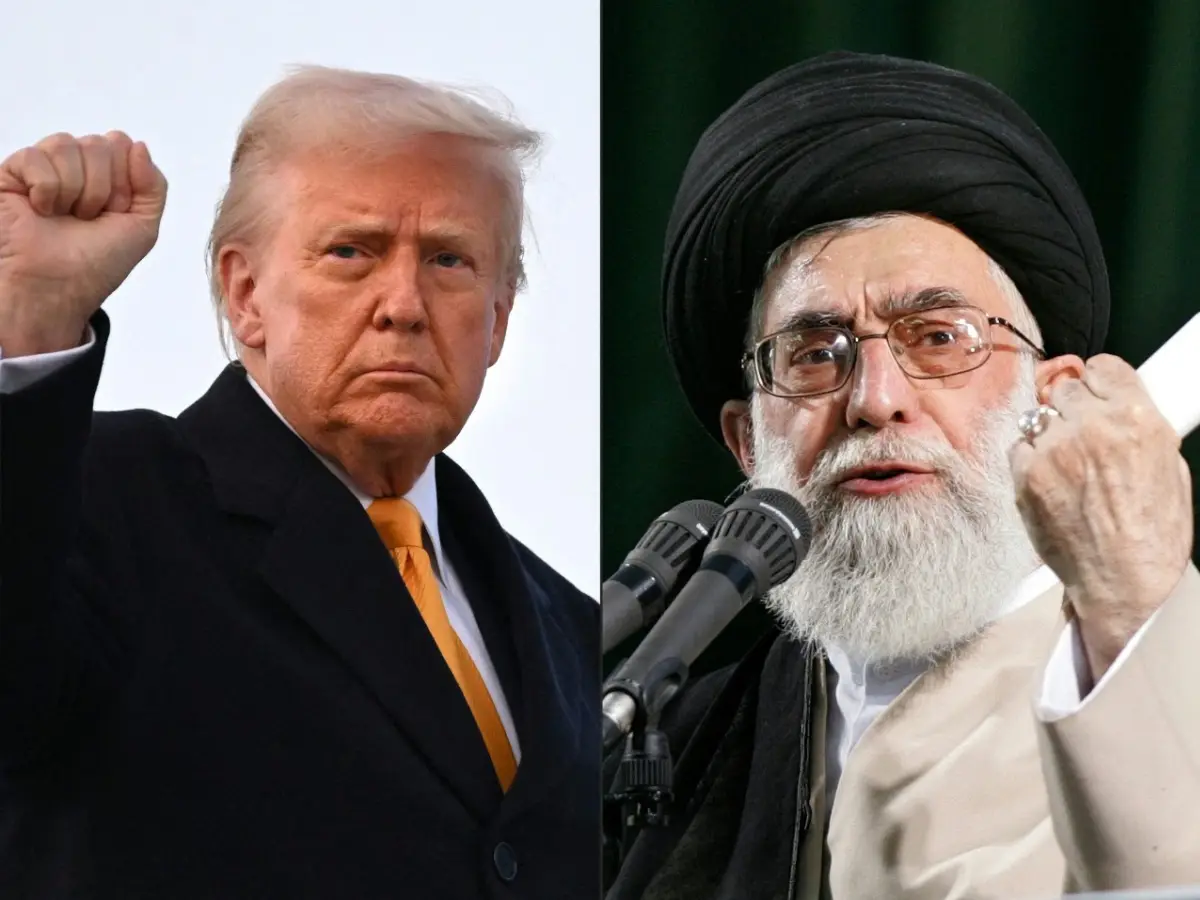
While US and Iran seems unlikely to come to a conclusion after second round of nuclear talks, Netanyahu's support to the US adds fuel to the already heightened tensions between the two countries. Trump administration has already said that military option is still on table and Khamenei has warned of a regional war in case of US strike. Given Trump’s tendency to take sudden decisions and Iran’s track record of pulling out of talks, the danger of another war looms not only in the region but across the world.
)
)
)
)
)