'He is alive but...': Netanyahu issues BIG statement about Mojtaba Khamenei, his whereabouts; admits Israel and US failed to foresee Hormuz crisis

Israeli PM Benjamin Netanyahu said he believes Iran’s Supreme Leader Mojtaba Khamenei is alive and hiding in a bunker. Netanyahu also said the Iran war is “not over,” stressing that Tehran’s enriched uranium and nuclear facilities still need to be dismantled.
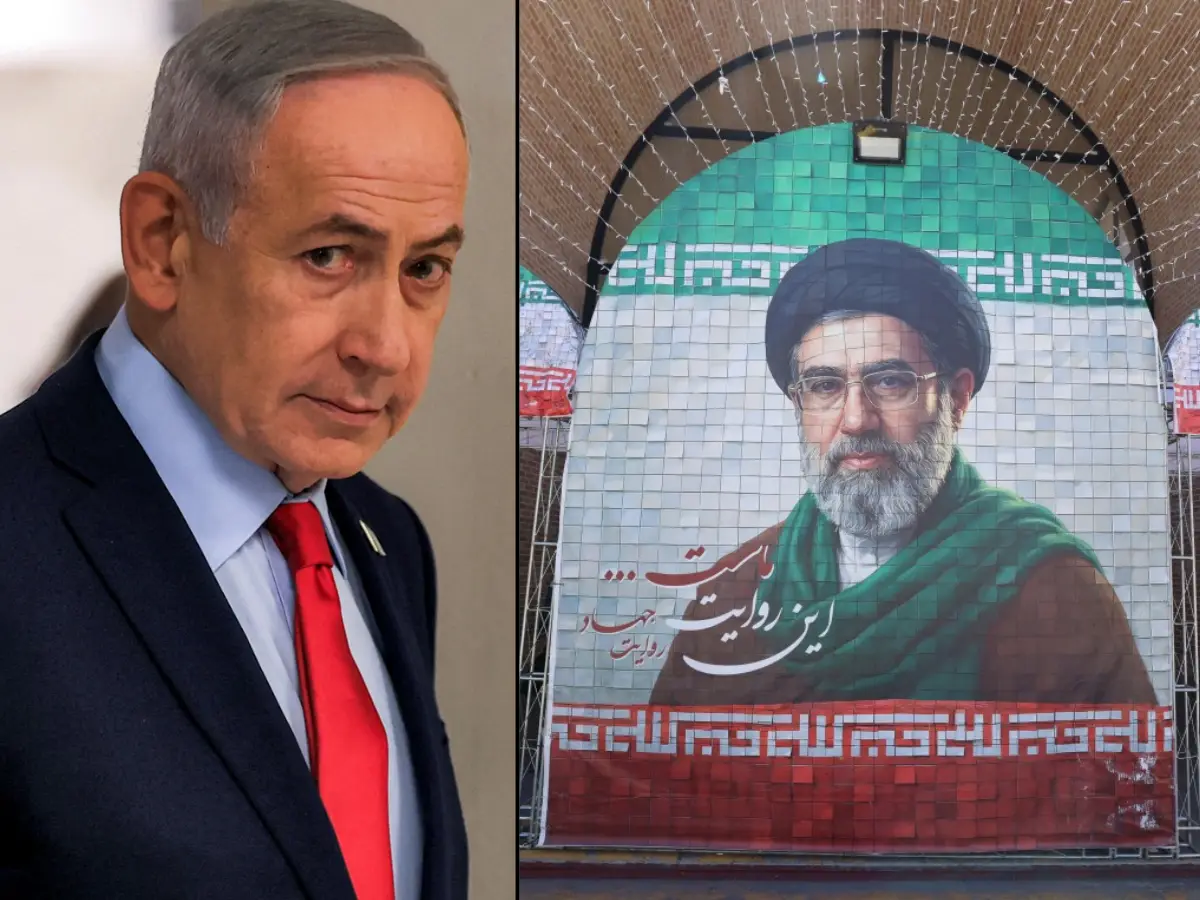
'I think he is alive but...': Netanyahu about Mojtaba Khamenei
Israeli Prime Minister Benjamin Netanyahu on Sunday (May 11) said that he believes Iran’s Supreme Leader Mojtaba Khamenei is alive, despite not been seen or heard since he was appointed after Ali Khamenei's death in US-Israeli airstrike. "I think he is alive. What his condition is, it’s hard to say, you know? He’s holed up in some bunker or in some secret place. Mojtaba is trying to exert his authority,” but this authority maybe lesser compared to that which had been wielded by predecessor Ali Khamenei,” Netanyahu tells CBS’s “60 Minutes.
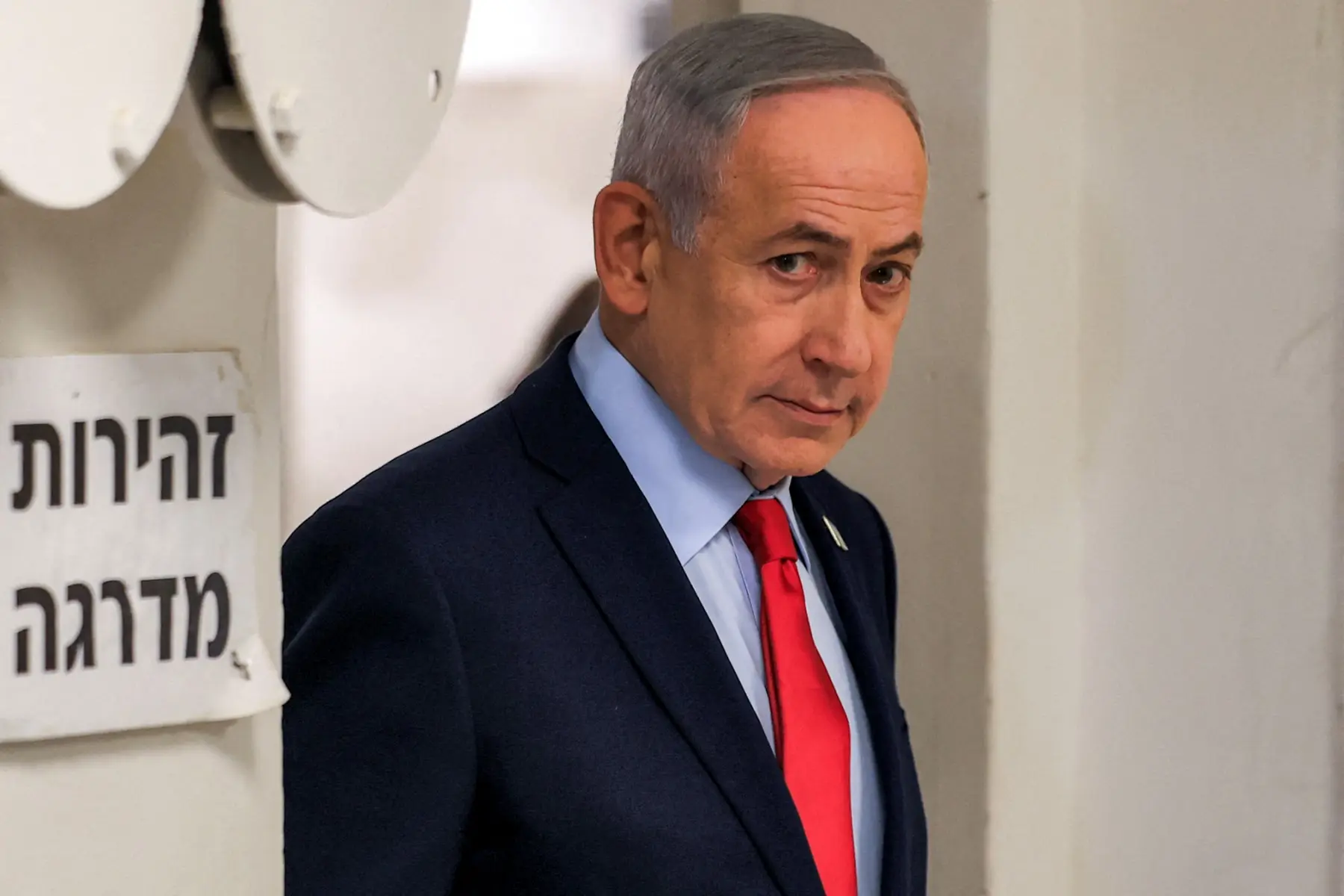
Hormuz crisis not predicted: Israeli PM appears to admit
The Israeli PM also appeared to admit that neither Israel nor the US foresaw that effective use Iran would make of its control of the Strait of Hormuz before the recent war began. Asked for his opinion about the physical condition and operational influence of the Mojtaba Khamenei, Netanyahu said that he may be hiding in a bunker.
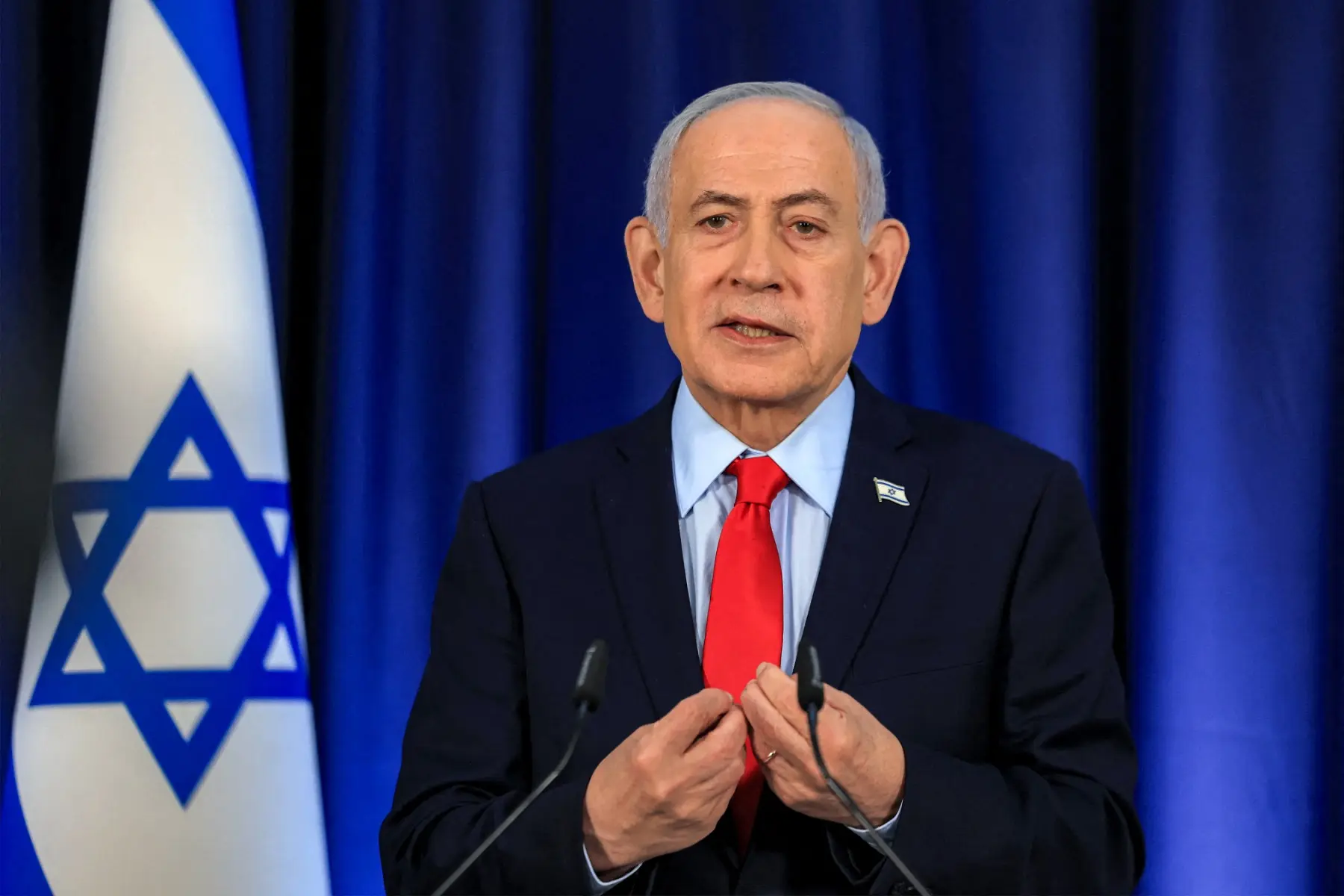
Netanyahu said war not over
In the same interview, Netanyahu said that the Iran war is ‘not over’ until all its enriched uranium is removed and its enrichment facilities are dismantled. Iran’s stockpile of enriched uranium must be taken out before the US-Israeli war against Iran can be considered over, Netanyahu said in an interview to CBS News. “It’s not over, because there’s still nuclear material—enriched uranium—that has to be taken out of Iran. There’s still enrichment sites that have to be dismantled,” Netanyahu said. “Now, we’ve degraded a lot of it,” said the Israeli PM, referring to Iran’s nuclear capabilities, as well as its proxy forces in other countries and its missile-making capacity. “But all that is still there, and there’s work to be done.” On being asked how the uranium stockpiles could be taken out from Iran, Netanyahu said he would prefer an agreement. “I think it can be done physically. That’s not the problem. If you have an agreement and you go in and you take it out, why not? That’s the best way.”
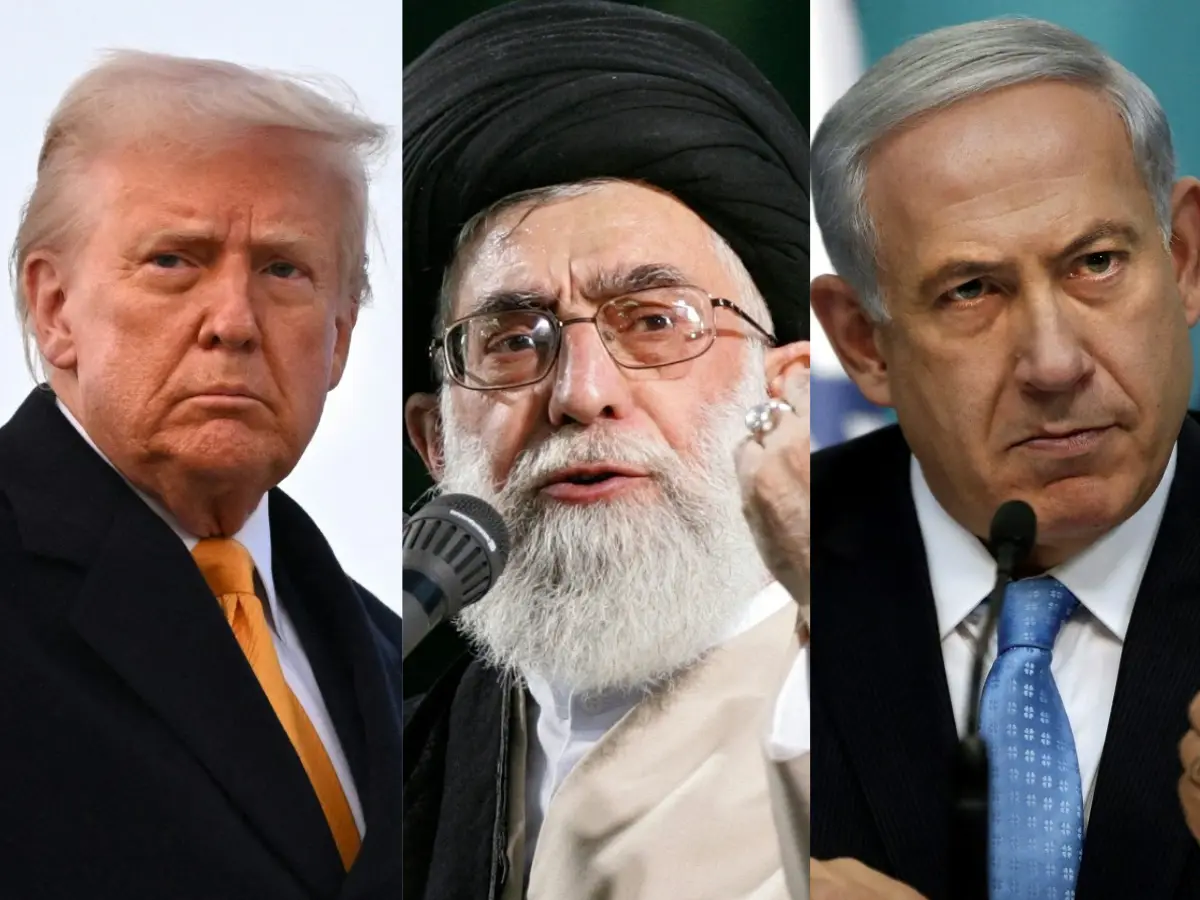
Netanyahu says fall of Iran’s regime not assured
Asked if it is possible to topple the Iranian regime, Netanyahu says: “I think that you can’t predict when that happens. Is it possible? Yes. Is it guaranteed? No. But I can tell you it’s like bankruptcy, you know? It… proceeds gradually and then it falls.”
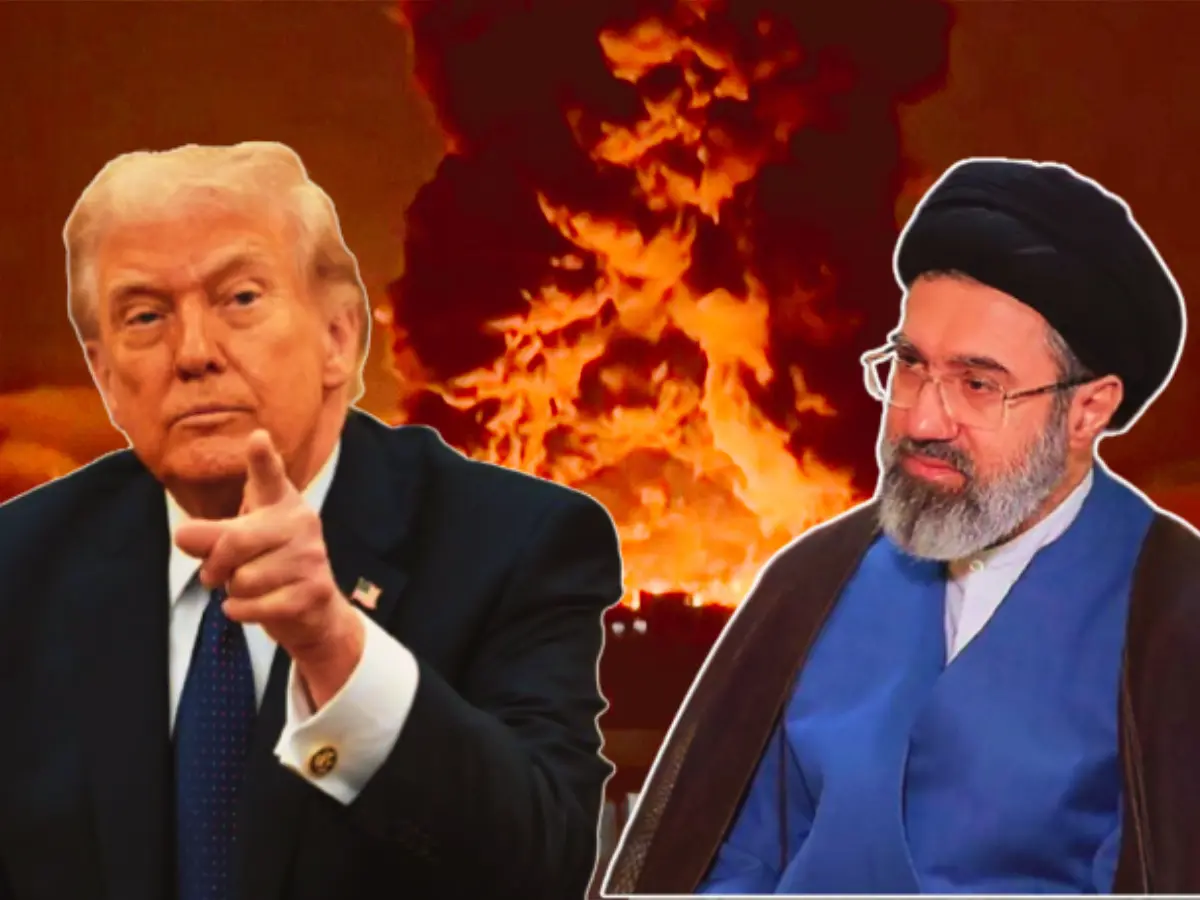
What we know about Iran-US peace talks?
Trump has categorically rejected Iran's proposal for ending the war and termed it as "totally unacceptable," triggering fear of renewed conflict. Tehran had sent a proposal on Sunday in response to Washington's 14-point proposal. According to the proposal, Iran would have to agree not to develop a nuclear weapon and stop all uranium enrichment for at least 12 years. It would also be required to hand over its estimated 440kg (970lb) stock of uranium enriched to 60 percent. In return, the US would gradually lift sanctions, release billions of dollars in frozen Iranian assets and halt its naval blockade of Iranian ports.
In April last week, Iran had forwarded a three stage proposal via Pakistan which Washington rejected. The first stage demanded a total end to the war, specifically hostilities on Hezbollah in Lebanon. The second stage focused on lifting the US naval blockade of Iranian ports and restoring maritime traffic through the Strait of Hormuz. The third stage covered the contentious negotiations regarding Iran's nuclear program are postponed. Tehran said that third stage would begin only after the ceasefire is established and the Strait is reopened.
)
)
)
)
)